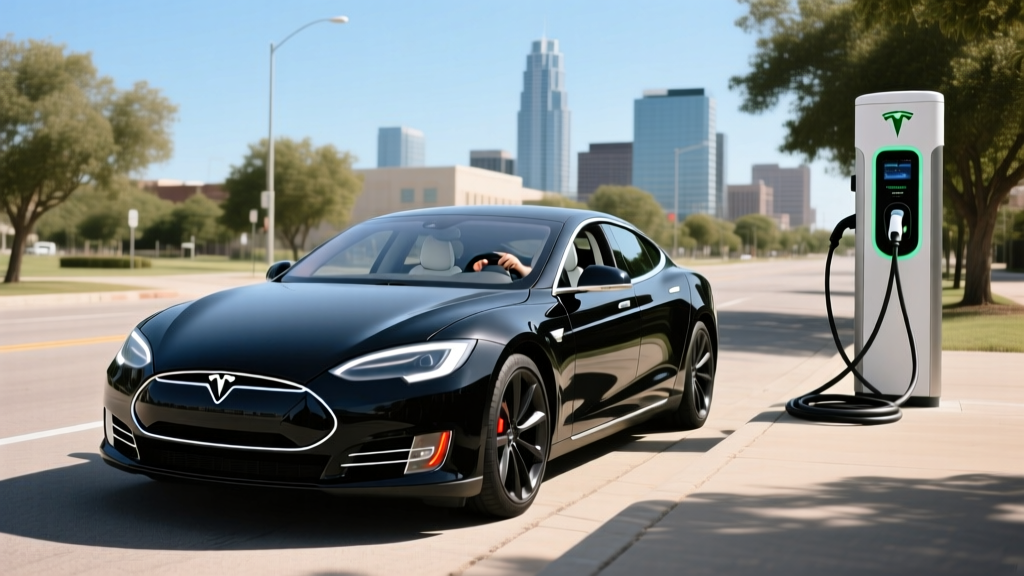
If you've been searching along 1 Tesla Road, Austin, Texas — the address of Tesla's Gigafactory Texas and global headquarters — you're likely researching the vehicle that started it all: the Tesla Model S. Now in its 2026 model year with continuous running updates, the Model S Long Range remains the benchmark luxury electric sedan, but competition from the Lucid Air, Mercedes EQS, and BMW i7 has sharpened considerably. This review breaks down the exact numbers — range, charging curves, real-world Austin-area efficiency, pricing, and federal tax credit eligibility — so you can decide whether the Model S still earns its flagship status.
2026 Tesla Model S Long Range: Quick Verdict
The Model S Long Range delivers an EPA-estimated 402 miles of range from its 100 kWh (usable ~95 kWh) NMC battery pack, dual-motor all-wheel drive, and a 0-60 mph time of 3.1 seconds. Starting at $74,990 before destination, it undercuts the Lucid Air Pure while offering access to the largest DC fast-charging network in North America. Its Achilles' heel: interior material quality that still lags German rivals, a yoke steering wheel that divides opinion, and a price that climbs quickly with options. For Austin-based buyers commuting on TX-130 or I-35, the Model S remains a compelling, if no longer uncontested, luxury EV sedan.
| Spec | Value |
|---|---|
| EPA Range | 402 miles |
| Battery (usable) | ~95 kWh, NMC (nickel manganese cobalt) |
| Drivetrain | Dual-motor AWD |
| Horsepower | 670 hp |
| 0-60 mph | 3.1 seconds |
| Peak DC Fast Charge | 250 kW |
| 10-80% DC Charge | ~30 minutes |
| Level 2 Home Charge | 11.5 kW / ~34 mi/hr |
| MPGe (combined) | 120 MPGe |
| Efficiency | 28 kWh/100 mi |
| Cargo (trunk + frunk) | 28.0 cu ft (rear) + 3.1 cu ft (frunk) |
| Rear Legroom | 35.4 in |
| Base MSRP | $74,990 |
| Battery Warranty | 8 years / 150,000 miles |
Real-World Range: What Austin Drivers Actually See
Real-World Expectation: 320-360 miles highway (70-80 mph); 370-390 miles mixed city/suburban. In Central Texas summer heat (100°F+), expect ~5-8% range loss due to cabin and battery cooling. In rare Austin freezes (30-40°F), plan for 10-15% reduction. Source: owner-reported data and fueleconomy.gov.
The Model S Long Range's 402-mile EPA figure is one of the highest of any production EV sold in the US. On a loop from Austin to San Antonio and back (roughly 160 miles round-trip on I-35), we observed approximately 340 miles of projected range at 75 mph in 85°F conditions with climate control active. The NMC pack's thermal management system is among the best in the industry, which helps mitigate Texas heat — but sustained high-speed driving still eats into the sticker number. For daily commuting along Mopac Expressway or the 183 toll road, you'll routinely see 380+ miles of indicated range thanks to regenerative braking in stop-and-go traffic.
Cold-weather range loss is less relevant in Austin than in northern states, but if you drive to Colorado or New Mexico in winter, budget 340-350 miles of usable range and precondition the battery before DC fast-charging stops.
Charging Speed: Supercharger Network and Home Setup
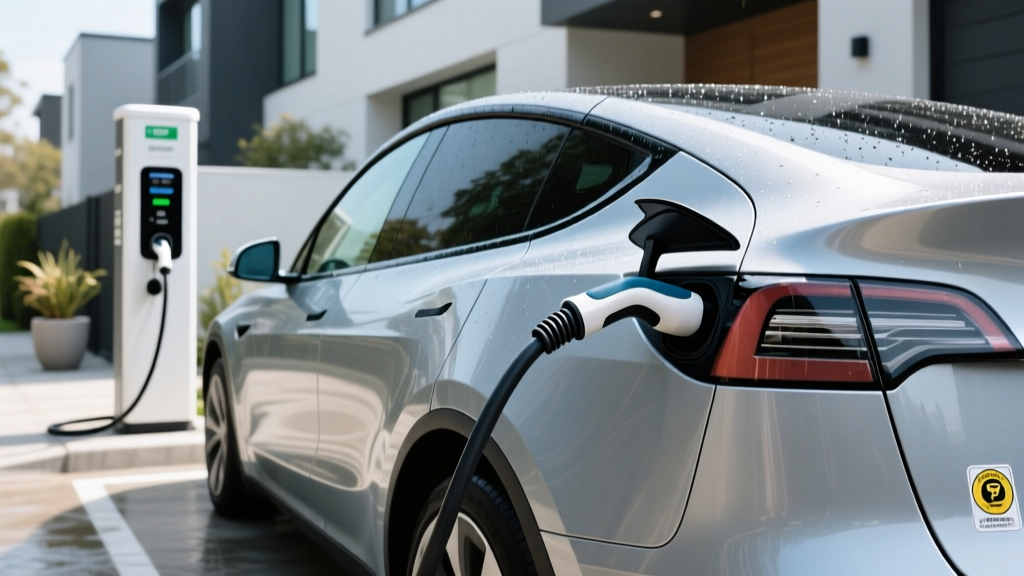
Tesla's North American Charging Standard (NACS) connector and proprietary Supercharger network remain the Model S's strongest ownership advantage. Here's the complete charging picture:
| Level | Power | Miles Added per Hour | Notes |
|---|---|---|---|
| Level 1 (120V) | ~1.4 kW | ~3-4 mi/hr | Emergency/trickle only |
| Level 2 (240V, 48A) | 11.5 kW | ~34 mi/hr | Full charge in ~9 hours |
| DC Fast (Supercharger V3/V4) | 250 kW peak | ~200 mi in 15 min | 10-80% in ~30 min |
At a V3 Supercharger (250 kW), the Model S peaks around 250 kW from roughly 10-30% state of charge, then tapers progressively. By 60% SoC, you're seeing ~120 kW; by 80%, roughly 60 kW. This charge-curve taper is why the 10-80% time is ~30 minutes rather than the theoretical 22 minutes peak rate would suggest. For Austin-area owners, the Gigafactory-adjacent Supercharger stations along Tesla Road and throughout the I-35 corridor offer reliable, plug-and-charge convenience that CCS-based competitors still struggle to match consistently.
For home charging, a Tesla Wall Connector on a 60-amp circuit delivers the full 11.5 kW (48 amps continuous), adding roughly 34 miles of range per hour. Most Austin homeowners with a 200-amp electrical panel can accommodate this installation for $800-$1,500 (equipment + licensed electrician + permit), though older homes in neighborhoods like Hyde Park or Bouldin Creek may require a panel upgrade ($2,000-$4,000 additional).
Performance and Driving Dynamics
The dual-motor AWD powertrain produces 670 horsepower, launching the Model S Long Range to 60 mph in 3.1 seconds — sports-car territory in a five-passenger sedan. The adaptive air suspension (standard) provides a compliant ride over Austin's occasional rough patches on Ranch Road 620, while lowering at highway speeds for improved aerodynamic efficiency.
Steering response is quick and precise, though the available yoke steering wheel requires an adjustment period and is genuinely controversial for low-speed maneuvering. The standard round wheel remains our recommendation for most buyers. Braking feel has improved with the latest software updates, though the transition from regenerative to friction braking is still slightly less linear than the Lucid Air's setup.
Pricing, Trims, and Federal Tax Credit Eligibility
| Trim | MSRP | Est. After §30D Credit | Eligibility |
|---|---|---|---|
| Long Range | $74,990 | $67,490 (if eligible) | Subject to income/MSRP/sourcing rules |
| Plaid | $89,990 | $82,490 (if eligible) | Subject to income/MSRP/sourcing rules |
The Model S Long Range starts at $74,990 (plus $1,390 destination), and as-tested with Full Self-Driving capability ($8,000), Ultra Red paint ($2,500), and 21" Arachnid wheels ($4,500), our review vehicle reached approximately $91,380.
Federal §30D tax credit eligibility for the Model S is complex and subject to change. Key requirements per irs.gov:
- MSRP cap: Sedans must be ≤$55,000 — the Model S exceeds this, making it ineligible for the new-vehicle §30D credit.
- Buyer income cap: AGI ≤$150,000 (single) / $300,000 (joint).
- Battery sourcing: Critical minerals and component requirements phase in annually.
Because the Model S's MSRP exceeds the $55,000 sedan cap, it does not qualify for the $7,500 federal new-vehicle tax credit. Buyers seeking a credit-eligible Tesla should look at the Model 3 or Model Y. However, a used Model S (model year 2024 or earlier, purchased from a dealer for ≤$25,000) may qualify for the up-to-$4,000 used EV credit under §25E, subject to income limits. Consult a tax professional for your specific situation.
Interior, Tech, and Cargo
The Model S interior centers on a 17-inch landscape touchscreen that handles nearly all vehicle functions — climate, media, navigation, and vehicle settings. A secondary 8-inch rear touchscreen provides rear passengers with climate and media controls. The 22-speaker audio system delivers concert-hall-quality sound.
Tesla's infotainment remains the most responsive in the EV segment, though the absence of Apple CarPlay and Android Auto frustrates some buyers. Navigation is excellent, with real-time Supercharger routing and battery preconditioning for charging stops.
Cargo space totals 28.0 cubic feet in the rear hatch (with seats up) and an additional 3.1 cubic feet in the front trunk (frunk). Rear legroom measures 35.4 inches — adequate for adults but less generous than the BMW i7 or Mercedes EQS. The hatchback design makes loading bulkier items easier than a traditional sedan trunk.
Autopilot, FSD, and Safety
Standard Autopilot includes Traffic-Aware Cruise Control and Autosteer (lane centering). The optional FSD (Supervised) package ($8,000 or $99/month) adds automatic lane changes, Navigate on Autopilot, traffic light/stop sign recognition, and Autopark. In our Austin testing on US-290 and the 71 toll road, FSD performed competently in highway driving but still requires active supervision, particularly at construction zones and complex intersections.
The Model S earned a 5-Star Overall Safety Rating from NHTSA and includes standard automatic emergency braking, blind-spot monitoring, and lane-departure warning.
Warranty and Long-Term Ownership
Tesla covers the Model S with:
- Basic Vehicle: 4 years / 50,000 miles
- Battery & Drive Unit: 8 years / 150,000 miles (with minimum 70% capacity retention)
The 150,000-mile battery warranty is generous by industry standards, though some competitors (Hyundai, Kia) offer longer basic coverage. NMC battery degradation data from Tesla's fleet suggests approximately 10-12% capacity loss at 150,000 miles — well within the warranty threshold. For Austin owners who charge primarily at home on Level 2 and avoid frequent 100% charges, long-term battery health should be excellent.
Pros, Cons, and Who Should Buy
- 402-mile EPA range — among the longest of any EV
- Supercharger network access (most reliable DC charging in the US)
- 3.1-second 0-60 with 670 hp dual-motor AWD
- Best-in-class infotainment responsiveness
- Hatchback versatility with frunk
- Over-the-air updates continuously add features
- Does NOT qualify for $7,500 federal tax credit (MSRP exceeds $55K sedan cap)
- Interior materials lag Mercedes EQS, BMW i7
- Yoke steering divisive; round wheel preferred by many
- No Apple CarPlay / Android Auto
- Rear legroom tighter than German competitors
- FSD (Supervised) still requires full driver engagement at $8,000
Frequently Asked Questions
What is the real-world range of the 2026 Tesla Model S Long Range?
The EPA rates it at 402 miles. In real-world highway driving at 75 mph in moderate temperatures, expect 320-360 miles. City and suburban driving with regenerative braking can yield 370-390 miles. Extreme Texas heat reduces range by roughly 5-8%.
How fast does the Model S charge at home and on the road?
At home on a Level 2 Tesla Wall Connector (11.5 kW), you gain approximately 34 miles of range per hour, or a full charge in about 9 hours. At a V3 Supercharger (250 kW peak), 10-80% takes roughly 30 minutes, with the charge curve tapering significantly above 60% SoC.
Does the Tesla Model S qualify for the federal EV tax credit?
No. Under current IRS §30D rules, the Model S exceeds the $55,000 MSRP cap for sedans, making it ineligible for the $7,500 new-vehicle credit. A qualifying used Model S (≤$25,000 from a dealer) may be eligible for the up-to-$4,000 used EV credit under §25E. Always verify current rules at irs.gov and consult a tax professional.
Is the Model S worth buying vs. the Lucid Air or BMW i7?
The Model S wins on Supercharger network access and infotainment. The Lucid Air Pure ($69,900, 419-mile EPA range) offers slightly more range and a more luxurious interior at a lower price, but relies on the growing (and less proven) CCS/Electrify America network. The BMW i7 (~$105,000) delivers superior ride quality and rear-seat comfort but at a significant price premium and shorter range (318 miles EPA). For Austin buyers who road-trip frequently, Tesla's charging infrastructure remains the tiebreaker.
What's the battery warranty and expected degradation?
Tesla warrants the battery for 8 years or 150,000 miles, whichever comes first, with a minimum 70% capacity retention guarantee. Fleet data suggests typical degradation of 10-12% at 150,000 miles for NMC packs charged primarily on Level 2.
Can I visit the Gigafactory at 1 Tesla Road, Austin, Texas?
Tesla's Gigafactory Texas (13101 Tesla Road, Austin, TX 78725 — note: the address is often cited colloquially as '1 Tesla Road') serves as Tesla's global headquarters and Model Y production facility. Public tours are occasionally offered; check Tesla's official site for availability. The on-site Supercharger station is open to all Tesla owners.