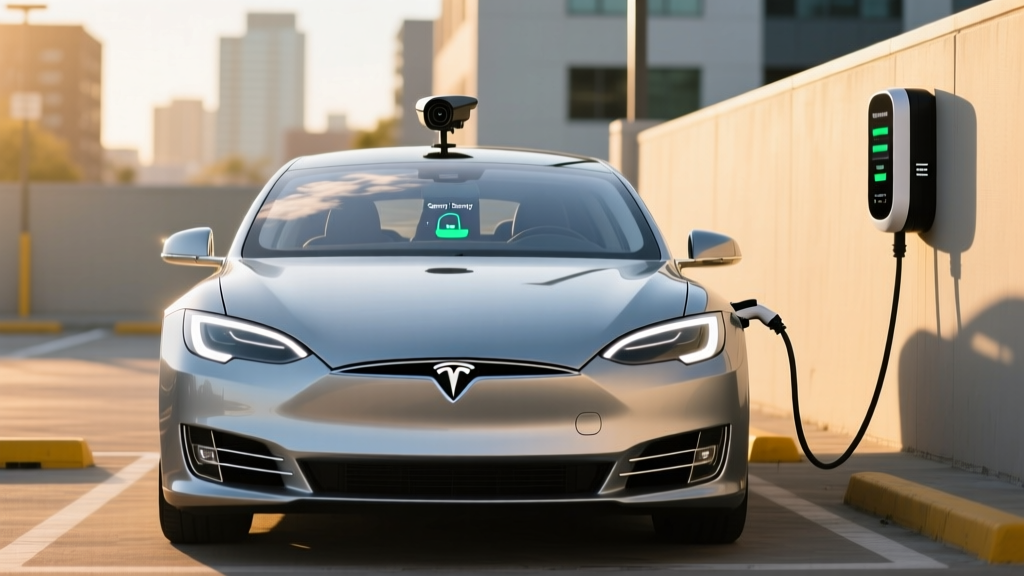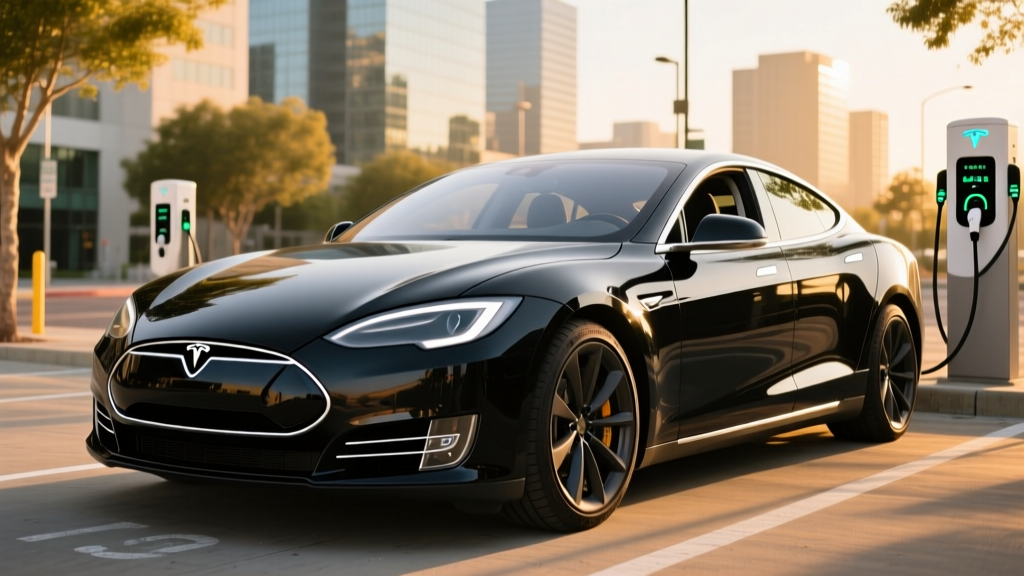
The Tesla Model S 75D occupies a specific niche in the used EV market: a dual-motor, all-wheel-drive luxury sedan from Tesla's pre-refresh era (model years 2016–2019) that still delivers respectable range, access to the Supercharger network, and over-the-air updates. If you are searching for a Tesla Model S 75D on the used market in 2026, this guide covers everything you need to evaluate one — from real-world range degradation to charging logistics and whether the federal used-EV tax credit applies.
Tesla Model S 75D: Core Specifications at a Glance
| Specification | Value |
|---|---|
| EPA Range (original) | 238 miles (2017); 259 miles (2018–2019) |
| Battery Capacity | 75 kWh usable (NMC chemistry) |
| Drivetrain | Dual-motor AWD |
| Horsepower | ~328 hp (combined) |
| 0–60 mph | 4.2 seconds |
| Top Speed | 140 mph |
| EPA Efficiency | 104 MPGe combined (2017); 103 MPGe (2018–2019) |
| Energy Consumption | ~32 kWh/100 mi |
| Max DC Fast Charge | ~120 kW peak (V2 Supercharger) |
| Level 2 Charge Rate | 11.5 kW (48A) / ~34 mi/hr |
| Battery Warranty (original) | 8 years / 120,000 miles |
| Cargo Volume | 26.3 cu ft (rear) + 5.3 cu ft (frunk) |
| Rear Legroom | 35.4 inches |
Real-World Range: What to Actually Expect
Range on any used Model S 75D depends heavily on battery State of Health (SoH). A 2017 example with 80,000 miles may have experienced 8–12% degradation, meaning the usable pack capacity has dropped from 75 kWh to roughly 66–69 kWh. Tesla's battery management system includes a bottom buffer that protects against deep discharge, but you should check the car's projected range at 100% charge against the original EPA figure to estimate SoH before purchase.
For context, fueleconomy.gov lists the 2017 Model S 75D at 238 miles combined. Highway-only driving at sustained speeds above 65 mph typically yields 10–15% less than the combined EPA number in any EV, and the Model S's large frontal area and sedan aerodynamics contribute to higher consumption at speed compared to shorter, boxier crossovers.
Charging Speed and Infrastructure
The Model S 75D uses Tesla's proprietary connector (pre-NACS standardization) and charges on the Supercharger network at a peak rate of approximately 120 kW on V2 stalls. This is not a sustained rate — the charge curve tapers significantly above 60% State of Charge (SoC).
| Charging Method | Power / Rate | Time / Range Added |
|---|---|---|
| DC Fast Charge (V2 Supercharger) | ~120 kW peak | 10–80% in ~38–42 minutes |
| DC Fast Charge (V3 Supercharger) | Capped at ~120 kW (battery limit) | No speed advantage over V2 |
| Level 2 (Tesla Wall Connector, 48A) | 11.5 kW | ~34 miles per hour of charging |
| Level 2 (public J1772 w/ adapter) | Up to 7.2–11.5 kW | ~22–34 miles per hour |
| Level 1 (120V household) | ~1.4 kW | ~3–4 miles per hour |
One critical detail for used buyers: the 75 kWh battery's charge curve is less aggressive than the 100 kWh pack. You will see peak 120 kW only between roughly 10–40% SoC, after which the rate drops to 80 kW, then 60 kW, and finally 40 kW or below above 80%. A typical 10–80% session on a V2 Supercharger takes about 40 minutes. On a V3 Supercharger (250 kW capable), the 75D does not benefit from the higher peak because its battery chemistry and thermal management cannot accept that rate.
For home charging, a Tesla Wall Connector on a 60-amp circuit delivers the full 11.5 kW, adding roughly 34 miles of range per hour — enough to fully replenish the 75 kWh pack overnight in about 7–8 hours. If your home electrical panel supports only a 40-amp circuit (common in older homes), expect roughly 7.7 kW and ~23 miles per hour. A licensed electrician should evaluate your panel before installation; upgrades from 100A to 200A service can add $1,500–$3,000 to installation costs.
Performance, Efficiency, and Drivetrain
The dual-motor AWD powertrain in the 75D produces approximately 328 horsepower and delivers a 4.2-second 0–60 mph time. This is brisk by any sedan standard and remains competitive with newer luxury EVs in the mid-range acceleration bracket. The all-wheel-drive system provides confident traction in rain and light snow, though the car's 4,600+ lb curb weight means you will feel that mass during cornering and braking.
Efficiency is rated at approximately 104 MPGe combined (2017 model year) or roughly 32 kWh per 100 miles. This is less efficient than the Tesla Model 3 Long Range (~26 kWh/100 mi) due to the Model S's greater weight, larger frontal area, and older inverter technology. At a national average electricity cost of $0.16/kWh, driving 100 miles costs approximately $5.12 — compared to roughly $12–14 for a gasoline sedan achieving 28 MPG at $3.50/gallon.
Pricing, Tax Credits, and Used Market Value
The Model S 75D is no longer sold new. Tesla discontinued the 75 kWh variant after the 2019 model year, replacing it with Standard Range and Long Range trims before the 2021 Plaid refresh. On the used market in early 2026, expect to pay:
- 2017 Model S 75D (60,000–90,000 mi): $22,000–$28,000
- 2018–2019 Model S 75D (40,000–70,000 mi): $26,000–$34,000
- Lower-mileage, certified examples: $30,000–$38,000
The IRS §25E used clean vehicle credit offers up to $4,000 (30% of the sale price, capped at $4,000) for qualifying used EVs. Key eligibility requirements include:
- Sale price must be $25,000 or below
- Buyer AGI must not exceed $75,000 (single), $112,500 (head of household), or $150,000 (joint)
- Vehicle must be at least two model years old
- Must be purchased from a licensed dealer (private-party sales do not qualify)
- The credit can be transferred to the dealer at point of sale as a price reduction
This means a 2017 Model S 75D priced at $24,500 from a dealer could effectively cost $20,500 after the credit, assuming you meet the income requirements. However, many 2018–2019 examples list above the $25,000 price cap, making them ineligible. Always verify the dealer's sale price (not MSRP) and confirm your AGI before relying on the credit. Tax rules are subject to change; consult a tax professional and review current IRS guidance.
Tech, Interior, and Ownership Experience
The pre-refresh Model S interior reflects Tesla's minimalist approach: a 17-inch center touchscreen controls virtually all vehicle functions, including climate, navigation, media, and vehicle settings. The instrument cluster is a small digital display behind the steering wheel. Notable tech features include:
- Autopilot (Basic): Traffic-aware cruise control and lane-centering — an SAE Level 2 driver-assist system that requires continuous driver supervision. This is not self-driving.
- Enhanced Autopilot / FSD (optional): Auto lane change, navigate on Autopilot, and Smart Summon. Full Self-Driving (Supervised) was available as a paid upgrade but remains a Level 2 system requiring active engagement.
- Over-the-Air Updates: Tesla continues to push software updates to older vehicles, though the 75D's MCU1 (Media Control Unit) hardware in 2016–2018 models may feel sluggish compared to newer MCU2-equipped cars. Tesla offered an MCU upgrade program; check whether the vehicle you are evaluating has received it.
- Air Suspension: Standard on the 75D, providing adjustable ride height and a comfortable highway ride, though replacement air struts cost $1,000–$1,500 each if they fail outside warranty.
Cargo capacity is generous for a sedan: 26.3 cubic feet in the rear hatch area plus a 5.3 cubic-foot front trunk (frunk). Rear legroom measures 35.4 inches — adequate for adults but tighter than a Mercedes E-Class or BMW 5 Series. The rear seat folds 60/40 for longer items.
Battery Warranty and Longevity
The original battery and drive unit warranty for the Model S 75D is 8 years or 120,000 miles, whichever comes first, with a minimum 70% capacity retention threshold. For a 2017 model, that warranty expires in 2025; for 2018–2019 models, it extends into 2026–2027. If you are buying a 2017 example, the battery warranty has likely expired unless the vehicle had low mileage and Tesla extended coverage for a documented defect.
Battery replacement for a 75 kWh pack, if needed out of warranty, typically costs $12,000–$16,000 including labor at a Tesla Service Center. Third-party EV battery shops may offer refurbished packs for $8,000–$12,000. Before purchasing, request a battery health report from Tesla or check the car's projected range at 100% SoC on the dashboard — a healthy 75D should show 215–235 rated miles at full charge depending on model year and degradation.
- Access to Supercharger network (most reliable DC network in the US)
- Dual-motor AWD with strong 4.2-sec 0–60 performance
- Over-the-air updates keep software current
- Spacious hatchback cargo area + frunk
- Used-EV tax credit potential (up to $4,000)
- Air suspension for adjustable ride height
- Older MCU1 hardware may feel slow; upgrade availability uncertain
- DC fast charge capped at ~120 kW (slower than modern EVs)
- Battery warranty expired on 2016–2017 models
- Efficiency (32 kWh/100 mi) trails newer EVs
- Air suspension and drive unit repairs are costly out of warranty
- No CCS adapter included (limits non-Tesla DC charging options)
Who Should Buy the Tesla Model S 75D?
The Model S 75D suits a specific buyer profile: someone who wants a spacious, quick, all-wheel-drive luxury sedan with Supercharger access for road trips, and who can find a well-maintained example within the used-EV tax credit price cap. It works well as a daily commuter with home Level 2 charging, and the 200+ mile real-world range covers most round-trip commutes comfortably.
It is less ideal for buyers who need the latest fast-charging speeds (the 120 kW peak is modest by 2026 standards), those in extreme cold climates where range loss compounds the smaller 75 kWh pack, or anyone expecting a modern, refreshed interior. If you frequently drive 300+ mile highway trips, a used Model S Long Range (100D) or a newer Model 3 Long Range will serve you better.
Frequently Asked Questions
What is the real-world range of a used Tesla Model S 75D?
Expect 190–220 miles on the highway in moderate temperatures with a healthy battery. In cold weather (below 30°F), plan for 150–180 miles. Battery degradation on 6–9 year old packs typically reduces usable capacity by 8–15%, so verify State of Health before purchase.
How fast does the Model S 75D charge on a Supercharger?
The 75D peaks at approximately 120 kW on V2 Superchargers, with a 10–80% session taking roughly 38–42 minutes. V3 Superchargers (250 kW) do not charge the 75D faster because the battery cannot accept that rate. At home on a Level 2 Wall Connector (11.5 kW), a full charge takes about 7–8 hours.
Does the Tesla Model S 75D qualify for any tax credit in 2026?
The new-vehicle §30D credit does not apply since the 75D is discontinued. However, the §25E used clean vehicle credit may provide up to $4,000 if the sale price is $25,000 or less, you purchase from a dealer, and your AGI falls within IRS limits ($75k single / $150k joint). Confirm eligibility with a tax professional.
Is the Model S 75D worth buying vs. a used Model 3 Long Range?
The Model 3 Long Range offers better efficiency (~26 kWh/100 mi vs. 32), faster DC charging (up to 250 kW on newer examples), and a more modern interior — but less cargo space and no air suspension. If you value sedan comfort, hatchback utility, and the flagship feel, the 75D has merit. If charging speed and efficiency are priorities, the Model 3 Long Range is the stronger choice.
What should I check before buying a used Model S 75D?
Verify battery State of Health (projected range at 100% charge), confirm whether the MCU1-to-MCU2 upgrade was performed, check air suspension function at all ride heights, review service history for drive unit replacements, and confirm remaining battery warranty (8yr/120k mi from original in-service date). A pre-purchase inspection at a Tesla Service Center is strongly recommended.