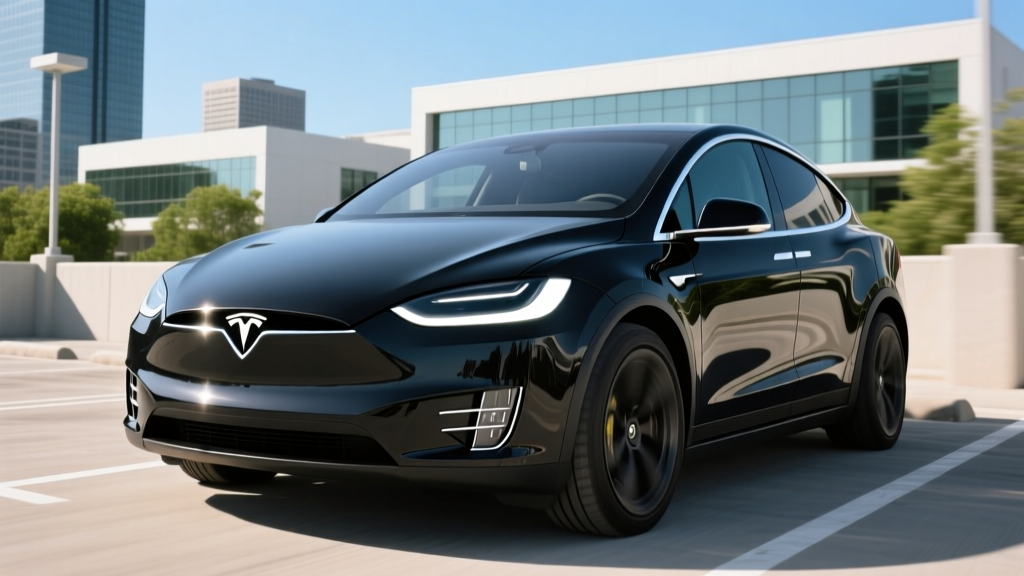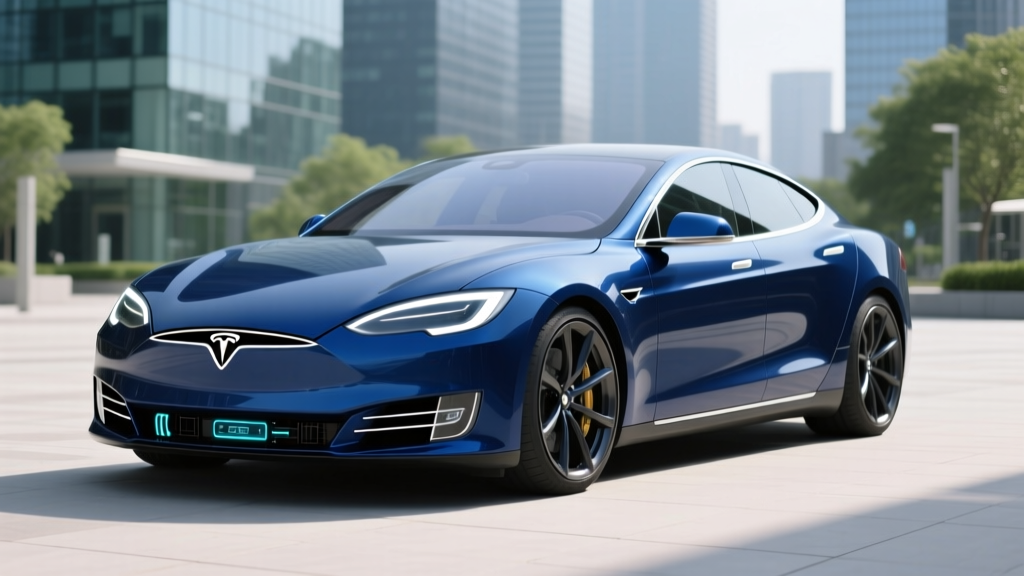
Tesla doesn't do traditional mid-cycle refreshes. Instead, the automaker rolls out incremental hardware and software updates that accumulate into what the industry now calls a "virtual facelift." For the 2027 model year, the Tesla Model S gets a virtual 2027 facelift that bundles a revised front fascia with matrix LED headlights, an updated rear diffuser for improved aero efficiency, a next-generation infotainment processor, and subtle suspension tuning changes aimed at ride comfort. The powertrain architecture and battery pack remain largely carried over from the 2025–2026 refresh cycle, but the aero tweaks nudge EPA range figures slightly higher on the Long Range trim.
If you're cross-shopping luxury electric sedans — the Lucid Air, Mercedes-Benz EQS, BMW i7 — the Model S remains the benchmark for performance-per-dollar and Supercharger network access. But at a starting MSRP above $74,000, it's a considered purchase. Here's every spec, number, and ownership reality you need before signing.
Range, Efficiency, and the Real-World Reality Check
EPA Estimated: 402 miles (Long Range AWD) | 396 miles (Plaid)
Real-World Highway (70–80 mph): Expect 310–340 miles on Long Range; 300–325 on Plaid
Cold-Weather (below 32°F): Subtract 20–30% — roughly 260–290 miles on Long Range
City/Mixed Driving with Regen: Close to EPA sticker, often 370–395 miles
The Long Range variant uses a ~100 kWh usable battery pack with NMC (nickel-manganese-cobalt) chemistry, chosen for its high energy density — critical for packing 400+ miles of range into a sedan form factor. Tesla's thermal management system, which includes a heat pump as standard, helps mitigate cold-weather range loss compared to older Model S generations, but physics still wins in deep winter. On a 300-mile highway road trip at 75 mph in 25°F weather, plan for at least one DC fast-charge stop.
Efficiency on the Long Range is rated at approximately 120 MPGe combined (roughly 28 kWh/100 mi), while the Plaid's triple-motor setup drops that to about 112 MPGe (~30 kWh/100 mi). These are strong numbers for a 4,700+ lb performance sedan, but they trail the Lucid Air Grand Touring's 131 MPGe thanks to Lucid's smaller, lighter powertrain components and obsessive aero work.
Charging Speed: DC Fast, Level 2, and the Supercharger Advantage
| Charging Level | Power / Rate | Time or Miles Added | Notes |
|---|---|---|---|
| Level 1 (120V household) | ~1.4 kW | ~3–4 mi/hr | Emergency/trickle only; not practical for daily use |
| Level 2 (240V home Wall Connector) | 11.5 kW (48A) | ~34 mi/hr / ~9–10 hr full charge | Requires 60A circuit; NACS connector native |
| DC Fast Charge (V3 Supercharger) | Peak 250 kW | 10–80% in ~27 min | Sustained rate tapers above 50% SoC |
| DC Fast Charge (V4 Supercharger) | Peak 250 kW (Model S limited) | 10–80% in ~27 min | V4 hardware capable of more, but S architecture caps at 250 kW |
The Model S charges at a peak of 250 kW on DC fast chargers, which is the ceiling imposed by its 400-volt electrical architecture. Competitors on 800V+ platforms — the Lucid Air, Porsche Taycan, Hyundai Ioniq 5 — can accept 300–350 kW at compatible chargers. The practical difference: a 10–80% charge takes roughly 27 minutes in the Model S versus 18–20 minutes in an 800V vehicle at a 350 kW station.
The real-world charging curve matters more than peak numbers. The Model S sustains roughly 200–230 kW from 10% to about 40% State of Charge, then progressively tapers. Above 80%, speeds drop below 60 kW — so unless you absolutely need a full battery, stop charging at 80% and get back on the road. Tesla's navigation system automatically preconditions the battery when you route to a Supercharger, warming it to optimal temperature for maximum charge acceptance. Skip preconditioning in cold weather and your peak rate could drop to 120–150 kW.
At home, the Tesla Wall Connector delivers up to 11.5 kW (48 amps) on a 240V/60A circuit, adding about 34 miles of range per hour. A full overnight charge from 20% to 100% takes roughly 8–10 hours. Installation costs typically run $800–$2,000 depending on panel proximity and whether your home's electrical panel needs a service upgrade. Always consult a licensed electrician for final specs.
Performance: Long Range vs. Plaid
| Spec | Long Range AWD | Plaid AWD |
|---|---|---|
| Drivetrain | Dual-Motor AWD | Tri-Motor AWD |
| Horsepower | 670 hp | 1,020 hp |
| 0–60 mph | 3.1 seconds | 1.99 seconds |
| Top Speed | 155 mph | 200 mph (with hardware) |
| Quarter Mile | ~11.2 sec | ~9.2 sec |
| EPA Range | 402 miles | 396 miles |
| Battery (usable) | ~100 kWh NMC | ~100 kWh NMC |
| MPGe (combined) | ~120 MPGe | ~112 MPGe |
The dual-motor Long Range is the rational choice for most buyers. A 3.1-second 0–60 time is supercar territory from just five years ago, and you gain 6 extra miles of EPA range plus slightly lower energy consumption. The Plaid's 1,020 hp and sub-2-second sprint are engineering theater — thrilling for a handful of launches, but the Long Range's performance is already absurd for public roads.
Both trims feature adaptive air suspension that was retuned for the 2027 virtual facelift, with slightly softer damping in Comfort mode to address longstanding complaints about ride harshness on broken pavement. The steering remains quick and precise, though it lacks the road feel communication you'd find in a Porsche Taycan or BMW i7.
Pricing, Trims, and Federal Tax Credit Eligibility
| Trim | Base MSRP | As-Tested (typical options) | §30D Federal Credit | Effective Price |
|---|---|---|---|---|
| Long Range AWD | $74,990 | $79,490 (FSD, paint, wheels) | $0 (MSRP cap exceeded) | $74,990–$79,490 |
| Plaid AWD | $89,990 | $96,490 (carbon, FSD) | $0 (MSRP cap exceeded) | $89,990–$96,490 |
Here's the critical tax credit reality: the Tesla Model S does not qualify for the $7,500 federal §30D new EV tax credit. Under current IRS rules, sedans must have an MSRP at or below $55,000 to be eligible. The Model S starts at $74,990, placing it well above the cap. (SUVs and trucks face a higher $80,000 cap, which is why the Model X Long Range at ~$79,990 still qualifies.)
Additionally, §30D imposes buyer income limits ($150,000 single / $300,000 joint MAGI), battery critical-mineral sourcing requirements, and North American final-assembly rules. Even if Tesla repriced the Model S below the cap, buyers would need to verify all criteria at IRS.gov's clean vehicle credit page. Consult a tax professional before making purchase decisions based on credit eligibility.
Destination charges add $1,390. Popular options include Full Self-Driving (Supervised) at $8,000, premium paint colors at $1,500–$2,500, and 21-inch Arachnid wheels at $4,500 (which reduce EPA range by ~15–20 miles). A reasonably equipped Long Range typically transacts around $79,000–$82,000 before any state incentives.
Interior, Tech, and Cargo: Luxury with Tesla Minimalism
The 2027 virtual facelift carries over the refreshed interior introduced for the 2022 model year: a 17-inch center touchscreen (now with a faster AMD Ryzen-based processor for snappier UI response), a 12.3-inch digital instrument cluster, and a rear-seat 8-inch touchscreen for climate and entertainment. Build quality has improved meaningfully since the pre-2021 era, with tighter panel gaps, genuine aluminum trim, and available ventilated front seats.
Passenger and cargo dimensions:
- Front legroom: 42.4 inches
- Rear legroom: 35.4 inches (competitive with midsize luxury sedans, tight vs. the BMW i7)
- Cargo (rear trunk): 26.3 cu ft
- Frunk (front trunk): 3.1 cu ft
- Total cargo: ~29.4 cu ft (seats up); ~58 cu ft (rear seats folded)
The yoke steering wheel remains standard, with a conventional round wheel available at no cost. The yoke is polarizing — excellent for visibility of the instrument cluster, awkward for low-speed parking maneuvers and three-point turns where hand-over-hand input is natural.
On the tech front, the Model S includes Tesla's Autopilot suite as standard (Traffic-Aware Cruise Control + Autosteer lane centering). The optional Full Self-Driving (Supervised) package adds automated lane changes, Navigate on Autopilot, Smart Summon, and traffic-light recognition. To be explicit: FSD is an SAE Level 2 driver-assistance system — the driver must remain fully engaged, hands on the yoke/wheel, eyes on the road, at all times. It is not autonomous driving.
Warranty, Ownership Costs, and Long-Term Battery Outlook
Tesla's warranty coverage for the Model S:
- Basic Vehicle: 4 years / 50,000 miles
- Battery & Drive Unit: 8 years / 150,000 miles (whichever comes first), with a minimum 70% capacity retention guarantee
The 8-year/150,000-mile battery warranty is competitive with the luxury EV segment. Tesla's NMC packs have demonstrated relatively low degradation in fleet data — typically 8–12% loss over 150,000 miles based on aggregated owner reports. To maximize longevity, Tesla recommends daily charging to 80–90% for NMC chemistry and reserving 100% charges for road trips.
Estimated 5-year ownership costs (Long Range, 15,000 mi/yr, national average electricity at $0.16/kWh):
- Electricity (charging): ~$4,200 (home-heavy mix)
- Insurance: ~$12,500–$15,000 (Model S premiums run 25–40% above comparable gas sedans)
- Maintenance: ~$1,800 (cabin filter, tire rotation, brake fluid — no oil changes)
- Tires: ~$2,800 (performance tires wear faster under the car's weight and instant torque)
- Depreciation: ~$28,000–$32,000 (luxury EV depreciation remains steep; expect 40–45% value retention at 5 years)
Safety ratings: The Model S earned a 5-star overall rating from NHTSA and top marks across crash-test categories. Check current results at NHTSA.gov.
Model S vs. Key Competitors: Where It Wins and Where It Falls Short
- 402-mile EPA range is among the longest of any EV sold in the U.S.
- Supercharger network reliability and coverage remain unmatched for road trips
- Sub-3.1s 0–60 in Long Range; 1.99s in Plaid is production-car record territory
- OTA software updates continuously add features post-purchase
- Strong cargo versatility with hatchback design + frunk
- No federal §30D tax credit — MSRP exceeds the $55K sedan cap
- 250 kW peak DC charge rate trails 800V competitors (Lucid, Porsche, Hyundai/Kia)
- Rear seat space is tight for a $75K+ luxury sedan vs. BMW i7 or Mercedes EQS
- Insurance premiums significantly above segment average
- Yoke steering is not universally loved; build quality still inconsistent vs. German rivals
Choose the Model S Long Range if: You prioritize maximum range, Supercharger access for frequent road trips, and blistering acceleration in a sedan that can still carry a family's luggage. It's the best all-around performance-plus-efficiency package Tesla offers.
Look at the Lucid Air Grand Touring if: You want superior efficiency (131 MPGe), a more luxurious rear seat, and don't mind relying on Electrify America or the growing NACS adapter ecosystem. The Air Pure also starts below the §30D MSRP cap.
Look at the BMW i7 or Mercedes EQS if: Rear-seat comfort, traditional luxury build quality, and dealer service infrastructure are top priorities — and you're willing to accept lower EPA range (318–390 mi depending on trim) for a more refined ride.
Frequently Asked Questions
What is the real-world range of the 2027 Tesla Model S?
The EPA rates the Long Range at 402 miles. In real-world highway driving at 70–80 mph, expect 310–340 miles. In freezing temperatures, plan for 260–290 miles. City driving with regenerative braking can approach the EPA number, often hitting 370–395 miles.
How fast does the Model S charge at home and on the road?
At home on a Level 2 Tesla Wall Connector (11.5 kW / 48A), the Model S adds roughly 34 miles of range per hour, with a full charge taking 9–10 hours. On a V3 or V4 Supercharger, it peaks at 250 kW and charges from 10–80% in approximately 27 minutes, though sustained speeds taper significantly above 50% SoC.
Does the 2027 Model S qualify for the federal EV tax credit?
No. Under current IRS §30D rules, new sedans must have an MSRP of $55,000 or less to qualify. The Model S Long Range starts at $74,990, well above the cap. The Model X (classified as an SUV with an $80,000 cap) does still qualify. Always verify current rules at IRS.gov and consult a tax professional.
Is the Model S worth buying over the Lucid Air or BMW i7?
If Supercharger network access, maximum range, and acceleration are your top priorities, the Model S is the strongest all-around package. If rear-seat luxury, ride refinement, or federal tax credit eligibility matter more, the Lucid Air Pure/Grand Touring or BMW i7 may be better fits. Test-drive all three before deciding.
What's the biggest drawback of owning a Model S?
Insurance costs and depreciation are the most painful ownership expenses. Expect premiums 25–40% higher than a comparable gas sedan, and plan for roughly 40–45% value retention at five years. The 250 kW charging ceiling also means longer DC fast-charge stops versus 800V competitors on road trips.
Is Full Self-Driving actually self-driving?
No. Tesla's FSD (Supervised) is an SAE Level 2 driver-assist system. You must keep your hands on the wheel and eyes on the road at all times. It does not make the car autonomous. Only Level 4 services like Waymo operate without a human driver — and those are limited to specific geofenced areas.