Quick Verdict: The 2016 Model S in 2026
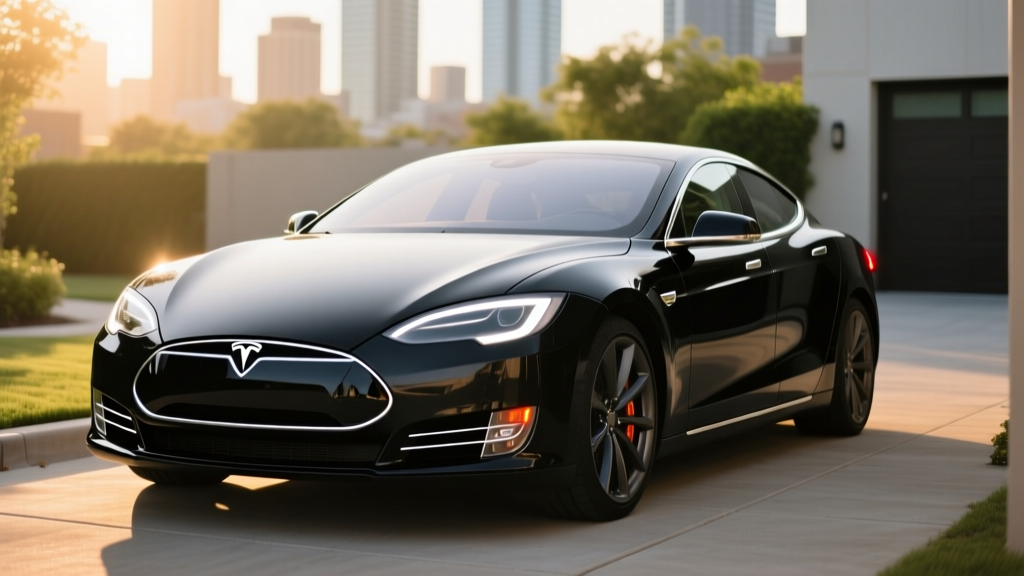
A decade after it launched, the 2016 Tesla Model S remains one of the most compelling used electric sedans on the market — and one of the riskiest. With used prices now hovering between $18,000 and $38,000 depending on trim and mileage, it undercuts new EVs on sticker price while still delivering 200+ miles of real-world range, access to Tesla's Supercharger network, and over-the-air software updates that have kept the platform surprisingly current.
But the 2016 Model S is a 10-year-old luxury car with a high-voltage battery that has cycled thousands of times. Battery degradation, aging suspension components, and the absence of modern driver-assist hardware (no HW3/AI computer for current FSD) define the ownership experience far more than the spec sheet does. This review breaks down exactly what to expect.
Specs at a Glance: 2016 Tesla Model S Lineup
| Spec | 60 / 60D | 75 / 75D | 90D | P90D / P100D* |
|---|---|---|---|---|
| Usable Battery (kWh) | ~60 kWh (software-limited 75) | ~75 kWh | ~85 kWh usable (90 kWh pack) | ~85 / ~100 kWh |
| Battery Chemistry | NMC (NCA cathode) | NMC/NCA | NCA | NCA |
| EPA Range (original) | 210 mi (60) / 218 mi (60D) | 249 mi (75) / 259 mi (75D) | 294 mi (90D) | 268 mi (P90D) / 315 mi (P100D) |
| 0-60 mph | 5.5s (60) / 5.2s (60D) | 4.3s (75) / 4.2s (75D) | 4.2s | 2.8s (P90D Ludicrous) / 2.5s (P100D) |
| Horsepower | 315 hp / 328 hp | 315 hp / 328 hp | 417 hp | 532 hp / 670 hp |
| Drivetrain | RWD / Dual-Motor AWD | RWD / Dual-Motor AWD | Dual-Motor AWD | Dual-Motor AWD |
| Efficiency (MPGe) | 101 MPGe | 101 MPGe | 101 MPGe | 93-98 MPGe |
*The P100D was introduced late in the 2016 model year and is rare on the used market.
Real-World Range: What the EPA Sticker Doesn't Tell You
EPA Range (90D): 294 miles (original sticker)
Real-World Expectation in 2026: 210–245 miles with a healthy battery; 180–210 miles at sustained highway speeds (70+ mph); 150–185 miles in freezing temperatures with cabin heat.
The 2016 Model S was EPA-rated with a brand-new battery. After 8–10 years of charge cycles, expect 10–18% degradation on most surviving packs, depending on charging habits and climate. A 90D that originally delivered 294 EPA miles will typically show 240–260 miles at 100% state of charge on the dash today.
Tesla's trip planner and the in-dash range estimate are optimistic at highway speeds. On a 75°F day at 75 mph on flat interstate, plan for roughly 300–340 Wh/mile consumption in the 90D — that translates to about 250 miles from a full charge. Cold weather (below 32°F) adds 15–25% energy consumption due to battery heating resistance and cabin HVAC load.
According to fueleconomy.gov, the 2016 Model S 90D carries a combined 101 MPGe rating and consumes approximately 33 kWh per 100 miles. Real-world highway driving pushes that closer to 35–38 kWh/100mi.
Charging Speed: Supercharger Access Is the Killer Feature
| Charging Method | Power (kW) | Speed | Notes |
|---|---|---|---|
| Level 1 (120V household) | ~1.4 kW | ~3–4 miles/hour | Emergency/trickle only; 70+ hours for full charge |
| Level 2 (240V home, 48A) | ~11.5 kW | ~30–34 miles/hour | Full charge overnight (~8–10 hours for 90D) |
| Level 2 (240V, 40A) | ~9.6 kW | ~25–29 miles/hour | Common on older HPWC / Wall Connector setups |
| Tesla Supercharger V2 (DC) | Up to 120 kW peak | 10–80% in ~38–45 min | Sustained rate drops sharply above 65% SoC |
| Tesla Supercharger V3 (DC) | Capped at ~120 kW | 10–80% in ~38–45 min | 2016 Model S cannot utilize V3's 250 kW peak |
| CCS Fast Charger (w/ adapter) | Up to ~100 kW | Varies | Requires Tesla CCS adapter ($150–200) |
The 2016 Model S charges on the Tesla proprietary connector (pre-NACS standardization). It accesses all legacy Tesla Superchargers natively. With a Tesla CCS adapter, it can also use Electrify America, EVgo, and other CCS networks — though its older battery management system limits peak DC charge rates to roughly 100–120 kW regardless of the station's capability.
The charge curve on the 90D pack is notably aggressive in its taper: you'll see 100+ kW from 10–50% SoC, but the rate drops to ~60 kW by 65% and crawls below 30 kW past 85%. Plan your road-trip stops around 10–80% windows for the best time efficiency. Charging from 80–100% can add another 30–40 minutes — not worth the wait at a Supercharger.
Performance, Ride, and Interior Space
Even a base 2016 Model S 60 with 315 hp and a 5.5-second 0-60 time outperforms most gas sedans in its class. The 90D's 4.2-second run is genuinely quick, and the P90D/P100D in Ludicrous mode remains one of the fastest production sedans ever built.
The dual-motor all-wheel-drive system provides confident traction in rain and light snow, though the Model S's 4,600–4,900 lb curb weight means winter tire investment is essential for cold-climate buyers.
Cargo and Passenger Dimensions
| Measurement | Dimension |
|---|---|
| Rear Legroom | 35.4 inches |
| Front Headroom | 38.8 inches |
| Trunk (rear cargo) | 26.3 cu ft |
| Frunk (front trunk) | 5.3 cu ft |
| Total Cargo (seats folded) | 58.1 cu ft |
| Seating Capacity | 5 adults (optional 3rd-row jump seats for 7 — child-only) |
The rear seat is comfortable for adults on shorter trips but lacks the thigh support and recline of a BMW 5 Series or Mercedes E-Class. The optional rear-facing third-row jump seats were rated only for children under 77 lbs and are rarely equipped. The combined 31.6 cu ft of trunk + frunk space is practical for airport runs and weekly groceries but falls short of the Model X or Model Y for family hauling.
Tech, Autopilot, and the Hardware Limitation
The 2016 Model S straddles a critical hardware transition. Cars built before October 2016 have Autopilot Hardware 1 (HW1) — Mobileye-based, limited to basic Autosteer and Traffic-Aware Cruise Control. Cars built from late October 2016 onward received Hardware 2 (HW2) with more cameras and sensors, though Tesla's neural-net processing on HW2 is substantially slower than modern HW3/HW4 computers.
SAE Level 2 — Not Self-Driving: Tesla Autopilot and FSD on the 2016 Model S are SAE Level 2 driver-assistance systems. The driver must remain fully engaged, hands on or near the wheel, and eyes on the road at all times. These systems do not make the vehicle autonomous. HW1 vehicles will never receive current FSD features.
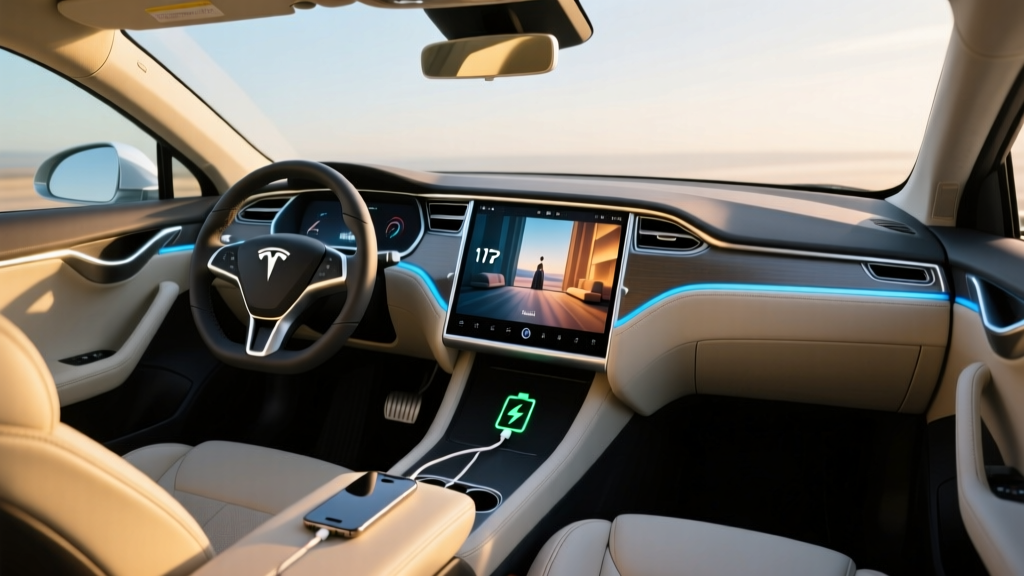
The 17-inch center touchscreen remains impressive in 2026, and Tesla's continued OTA updates mean the infotainment, navigation, and app ecosystem are still functional. However, the MCU1 (Media Control Unit) in early 2016 cars is known for eMMC memory failure — a $1,500–$2,000 repair if it hasn't already been addressed. Tesla issued a recall and extended warranty for this; verify the repair history before buying.
Notable tech features still relevant in 2026: over-the-air updates, Tesla app remote preconditioning and climate control, Sentry Mode (HW2+), and Dog Mode. Notable absences: no Apple CarPlay/Android Auto, no 360° camera view, no HEPA air filtration on all trims.
Used Pricing, Tax Credits, and Total Cost
| Trim | Used Price Range (2026) | Federal Tax Credit Eligibility |
|---|---|---|
| 60 / 60D | $15,000 – $22,000 | Potentially eligible: Used Clean Vehicle Credit (§25E) up to $4,000 |
| 75 / 75D | $18,000 – $26,000 | Potentially eligible: §25E up to $4,000 |
| 90D | $22,000 – $32,000 | Potentially eligible: §25E up to $4,000 |
| P90D / P100D | $30,000 – $42,000 | Potentially eligible: §25E up to $4,000 |
The 2016 Model S does NOT qualify for the new-vehicle §30D $7,500 credit — that applies only to new purchases. However, it may qualify for the Used Clean Vehicle Credit (IRS §25E), which provides up to $4,000 (30% of the sale price, capped at $4,000) for used EVs purchased from a licensed dealer for $25,000 or less.
Per IRS guidelines, §25E eligibility requires: buyer income below $75,000 (single) / $150,000 (joint), purchase from a licensed dealer, vehicle MSRP when new under $80,000, and the vehicle must be at least two model years old. Many 2016 Model S vehicles originally exceeded the $80,000 MSRP cap, which disqualifies them — verify the original window sticker or VIN build sheet.
5-Year Ownership Cost Estimate (90D, 12k miles/year)
| Category | Estimated 5-Year Cost |
|---|---|
| Purchase Price (90D, avg) | $27,000 |
| Electricity (home charging, $0.14/kWh avg) | $3,200 |
| Insurance | $9,500 – $12,000 |
| Maintenance (tires, cabin filter, coolant, brake fluid) | $3,500 – $5,000 |
| Potential Major Repair (suspension, MCU, drive unit) | $2,000 – $6,000 |
| Depreciation (est. resale after 5 yr) | – $10,000 to – $14,000 |
Insurance premiums for a used Model S remain elevated — Tesla's repair costs and parts pricing keep rates 20–40% above comparable gas sedans. Budget accordingly.
Battery Health, Warranty, and Replacement Reality
The 2016 Model S battery warranty was 8 years / unlimited miles (60 kWh) or 8 years / 150,000 miles (75, 90, 100 kWh packs). As of 2026, most 2016 vehicles have aged out of the 8-year window — meaning battery replacement is now an out-of-pocket expense unless you purchased a CPO vehicle with an extended warranty.
Battery degradation data from Tesla fleet telemetry and owner reports shows:
- 60/75 kWh packs: 8–14% capacity loss at 100k miles; some early 60 kWh packs experienced more aggressive degradation due to software-unlocking of a limited 75 kWh pack.
- 90 kWh packs: 12–18% capacity loss at 100k miles; the 90 kWh pack is widely regarded as Tesla's least durable pack chemistry/configuration from this era.
- 100 kWh packs (P100D): 8–12% capacity loss; improved cell chemistry.
A full battery replacement from Tesla currently costs $14,000–$22,000 depending on the pack, including labor. Third-party EV shops offer refurbished pack swaps for $8,000–$14,000. Before purchasing any 2016 Model S, request a battery health scan showing current usable kWh vs. original capacity — a healthy 90D should still show 70+ kWh usable.
Pros, Cons, and Who Should Buy
Pros
- Supercharger network access — the best DC fast-charging infrastructure for road trips
- Still-competitive range (200–250 real-world miles) for daily commuting
- Strong performance even in base trims; P90D/P100D remain supercar-quick
- OTA updates keep software current; app integration is best-in-class
- Low center of gravity, spacious interior, practical frunk + trunk
- Used pricing makes it one of the most affordable long-range EVs available
Cons
- Most vehicles are out of battery/powertrain warranty — replacement is $14k–$22k
- HW1 Autopilot is obsolete; FSD not available on pre-Oct 2016 builds
- 90 kWh pack has above-average degradation rates
- MCU1 eMMC failure risk on early builds ($1,500+ repair)
- Insurance costs remain high for a 10-year-old vehicle
- No Apple CarPlay/Android Auto; aging interior materials vs. 2026 competitors
- DC fast charging capped at ~120 kW — slower than modern EVs on V3/V4 Superchargers
Who the 2016 Model S Suits Best
Choose the 2016 Model S if: You want a long-range electric sedan under $30,000 with Supercharger access for road trips, you can charge at home, you're comfortable with out-of-warranty risk, and you prioritize driving dynamics and tech over a modern interior.
Look elsewhere if: You need the latest driver-assist hardware, you want a warranty-backed battery, you drive in extreme cold regularly (range drops significantly), or you need SUV cargo space (consider a used Model Y or Model X instead).
Frequently Asked Questions
What is the real-world range of the 2016 Tesla Model S?
With a healthy battery in moderate temperatures, expect 210–250 miles in mixed driving (90D). Highway-only at 75+ mph drops this to roughly 200–220 miles. In sub-freezing weather, plan for 150–190 miles. The 75D delivers about 180–210 real-world miles.
How fast does the 2016 Model S charge?
At home on a 240V/48A Level 2 charger, it adds roughly 30–34 miles of range per hour — a full overnight charge. On a Tesla Supercharger (V2 or V3), it peaks around 100–120 kW and charges from 10–80% in approximately 38–45 minutes. It cannot use V3 Superchargers at the full 250 kW rate.
Does the 2016 Model S qualify for a federal tax credit?
Not the new-vehicle §30D $7,500 credit. It may qualify for the Used Clean Vehicle Credit (§25E) — up to $4,000 — if purchased from a dealer for $25,000 or less, and the buyer meets income caps ($75k single / $150k joint). However, many 2016 Model S trims originally exceeded the $80,000 MSRP limit, which disqualifies them. Always verify original MSRP and consult a tax professional.
Is the 2016 Model S worth buying vs. competitors?
Against a used 2017–2018 Chevy Bolt (238 EPA miles, ~$14,000–$18,000), the Model S offers more space, performance, and Supercharger access but at higher insurance and repair risk. Against a used 2018–2019 Model 3 Long Range (310 EPA miles, ~$22,000–$28,000), the Model 3 charges faster, has HW3 Autopilot, and generally has better battery longevity. The 2016 Model S makes the most sense for buyers who specifically want a large sedan with Supercharger road-trip capability on a tight budget.
What should I check before buying a used 2016 Model S?
Request a battery health report (usable kWh vs. new), verify whether the MCU1 eMMC recall was performed, check suspension component condition (control arms and air springs are wear items at this age), confirm the Autopilot hardware version (HW1 vs. HW2 — check the build date and AP menu), and review service records for drive unit or battery replacements. A pre-purchase inspection at a Tesla Service Center or qualified EV shop is strongly recommended.
Can I still use Tesla Superchargers with a 2016 Model S?
Yes. The 2016 Model S uses Tesla's proprietary connector and has full access to all Tesla Supercharger stations. It can also use CCS charging networks (Electrify America, EVgo, etc.) with a Tesla CCS Combo 1 adapter purchased from Tesla's shop.