Quick Answer: Is There an Electric Express 500?
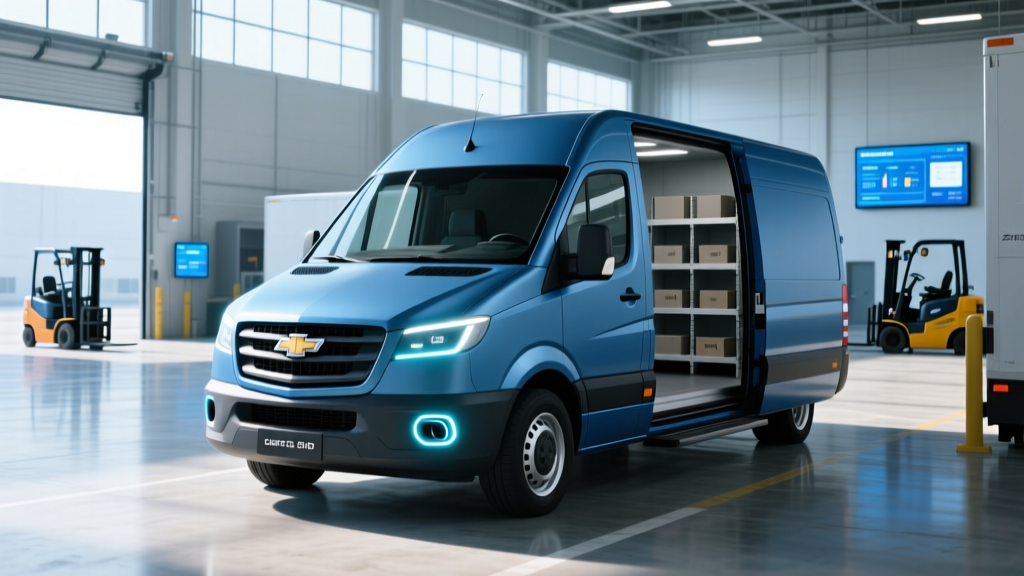
As of early 2026, Chevrolet does not offer a factory-electric Express 500. The Express 500 remains a gas-powered, body-on-frame commercial van. However, several upfitters and specialty shops have been converting Express chassis to electric drivetrains, and GM has signaled that a next-generation electric commercial van could eventually replace the aging Express platform. For fleet buyers weighing electrification today, the practical path is either an aftermarket electric conversion of the Express 500 or switching to a purpose-built electric commercial van like the Ford E-Transit, Rivian EDV, or BrightDrop Zevo.
The Chevrolet Express 500 has been a workhorse for commercial fleets, shuttle services, and tradespeople for over two decades. With GM's broader pivot toward electric vehicles and increasing pressure from zero-emission fleet mandates in states like California, New York, and Washington, the question of an electric Express 500 is one we hear constantly from fleet managers. Here's a data-driven look at what exists, what's coming, and how to make the right call for your operation.
The Current State of the Chevrolet Express 500 in 2026
The 2026 Chevrolet Express 500 is still built on the same GMT610 platform that debuted in 1996. It comes equipped with a 6.6L V8 gasoline engine producing 401 horsepower and 464 lb-ft of torque, mated to an 8-speed automatic transmission. The cutaway variant carries a gross vehicle weight rating (GVWR) of up to 12,500 lbs, making it a Class 3 vehicle popular for box trucks, shuttle buses, and specialty upfits.
Fuel economy for the gas Express 500 is predictably poor: expect 10-12 MPG combined in real-world fleet use, depending on load and route profile. At $3.50/gallon for regular unleaded, that translates to roughly $0.29-$0.35 per mile in fuel cost alone.
GM has not announced a production date or specifications for a factory-electric Express replacement. The Chevrolet commercial van lineup currently points fleet buyers toward the BrightDrop Zevo 600 (formerly BrightDrop Zevo) for last-mile delivery, but that vehicle serves a different use case — it's a unibody, step-in delivery van, not a body-on-frame cutaway like the Express 500.
Aftermarket Electric Conversions: What's Available
Several companies have developed electric drivetrain conversion kits for the Chevrolet Express platform. These are not factory GM products, but they represent the only path to an electric Express 500 today.
| Provider | Battery Capacity | Estimated Range | Peak Power | Approx. Conversion Cost | Lead Time |
|---|---|---|---|---|---|
| Lightning eMotors (upfit) | 110 kWh (LFP) | ~130 miles | 170 kW | $85,000–$110,000 | 12–16 weeks |
| SEA Electric (upfit) | 85 kWh (NMC) | ~100 miles | 150 kW | $75,000–$95,000 | 10–14 weeks |
| Custom/Independent Shops | 60–120 kWh | 70–150 miles | 100–200 kW | $50,000–$130,000 | Variable |
Key considerations for conversions: warranty coverage is limited to the conversion company (not GM), payload capacity drops by 500–1,200 lbs due to battery weight, and you'll need to verify that the conversion meets FMVSS and any applicable state emissions or safety inspections. Fleet buyers should request SAE J2464 battery abuse test documentation and UL certification for the high-voltage system.
Purpose-Built Electric Alternatives to Consider
If your fleet's use case allows it, a purpose-built electric commercial van often delivers better economics and reliability than a converted Express 500. Here's how the leading alternatives stack up:
| Vehicle | Battery (kWh) | EPA Range | Max Payload | DC Fast Charge (peak kW) | Base MSRP |
|---|---|---|---|---|---|
| Ford E-Transit (Extended) | 89 kWh (NMC) | 159 mi | 3,330 lbs | 115 kW (10–80% in ~45 min) | $58,500 |
| BrightDrop Zevo 600 | 165 kWh (NMC) | ~250 mi | 2,200 lbs | 120 kW (10–80% in ~60 min) | $85,000 |
| Rivian EDV (Large) | 149 kWh (NMC) | ~161 mi | 2,500 lbs | 190 kW (10–80% in ~35 min) | ~$80,000 (fleet pricing) |
| Mercedes eSprinter (2500) | 113 kWh (NMC) | ~203 mi | 2,624 lbs | 115 kW (10–80% in ~42 min) | $74,990 |
Data sourced from fueleconomy.gov and manufacturer spec sheets. Real-world range for these commercial vans typically runs 15–25% below EPA estimates when fully loaded, and cold climates (below 32°F) can reduce range by an additional 20–30% without preconditioning.
Operating Cost Breakdown: Electric vs. Gas Express 500
This is where the electric argument gains real traction — if your route profile fits. We modeled a fleet vehicle driving 120 miles/day, 260 days/year (31,200 miles annually), comparing the gas Express 500 against a comparable electric commercial van.
| Cost Category | Gas Express 500 (6.6L V8) | Electric Van (E-Transit class) |
|---|---|---|
| Purchase Price (base) | $48,000 | $58,500 |
| Federal Tax Credit (§30D / 45W commercial) | $0 | Up to $7,500 (§30D) or qualified commercial credit |
| Fuel/Energy (5 years) | $45,240 (at $3.50/gal, 11 MPG) | $13,104 (at $0.14/kWh, 2.5 kWh/mi) |
| Maintenance (5 years) | $12,500 (oil, trans, brakes, filters) | $4,200 (tires, cabin filter, brake fluid) |
| Insurance (5 years, fleet avg) | $18,000 | $20,500 (+14% EV premium) |
| Total 5-Year Cost | $123,740 | $88,804 |
The electric van saves approximately $34,900 over five years despite the higher purchase price and insurance premium. The payback period on the price premium is roughly 2.3 years based on fuel and maintenance savings alone. These numbers assume depot-level Level 2 charging at commercial electricity rates. Public DC fast charging at $0.35–$0.48/kWh would erode roughly 40–60% of the fuel savings, which is why home/depot charging is essentially mandatory for viable EV fleet economics.
Note on the federal commercial clean vehicle credit (IRS §45W): qualified commercial vehicles can receive up to $7,500 for vehicles under 14,000 lbs GVWR or up to $40,000 for heavier vehicles. This is a separate credit from the consumer §30D credit and has its own sourcing and domestic-content requirements. Consult a tax professional for fleet-specific eligibility.
Real-World Ownership: What Fleet Buyers Must Plan For
Charging Infrastructure
A Level 2 depot charger (19.2 kW, 240V/80A) will fully replenish an 89 kWh battery in roughly 5 hours — ideal for overnight turnaround. Budget $3,000–$7,000 per charger installed for commercial-grade Level 2 equipment (ChargePoint CT4000, Enel X JuiceBox Pro, or similar), plus potential panel upgrades if your facility's electrical service is below 400A. For a 10-vehicle fleet, plan on $30,000–$70,000 in charging infrastructure before the first van arrives.
Route Profile Fit
Electric commercial vans work best when daily routes stay under 75% of rated range. For a 159-mile EPA-rated E-Transit, that means targeting routes under 120 miles/day to account for payload, HVAC use, and cold-weather degradation. If your Express 500 regularly drives 200+ miles/day with highway segments, an electric alternative is not yet practical without mid-day DC fast charging — and most commercial vans charge at 115–120 kW peak, meaning a 10–80% session takes 40–45 minutes, not the 15 minutes you'd get from refueling.
Climate Considerations
Fleets operating in northern climates (Minnesota, Michigan, New England) should budget for 25–35% range loss in winter months. LFP battery chemistry, used by some converters, handles cold slightly better than NMC but offers lower energy density. Heat pumps, which recover waste heat for cabin warming, are standard on the E-Transit and BrightDrop Zevo but should be verified on any conversion.
Common Misconceptions About Electric Commercial Vans
| Myth | Fact |
|---|---|
| "Electric vans can't handle heavy payloads" | The Ford E-Transit carries 3,330 lbs — comparable to many gas cargo vans. However, the added battery weight does reduce available payload vs. a stripped gas Express 500 cutaway rated at 4,000+ lbs. |
| "You'll save money immediately" | Higher purchase price and charging infrastructure investment mean payback takes 2–4 years. Short-lease fleets may not capture the full savings. |
| "Electric vans need no maintenance" | Tires wear 15–20% faster due to instant torque and heavier curb weight. Suspension components, cabin filters, brake fluid, and 12V auxiliary batteries still require scheduled service. |
| "Any electrician can install a fleet charger" | Commercial Level 2 and DC fast charger installations often require utility coordination, load studies, and permits. Use a licensed electrician experienced with EVSE. |
| "The battery will need replacing in 5 years" | Modern NMC and LFP packs are warrantied for 8 years/100,000 miles at 70% capacity retention (NHTSA-monitored). Real-world fleet data from Transit and Amazon delivery vans shows 10–15% degradation at 100k miles. |
Decision Framework: Should You Go Electric?
If / Then Guide for Fleet Electrification
- If your daily routes are under 120 miles and return to a depot overnight → Then a purpose-built electric van (E-Transit, eSprinter) is likely a strong fit today.
- If you need the Express 500's cutaway chassis for a box truck, flatbed, or specialty upfit → Then investigate aftermarket electric conversions (Lightning eMotors, SEA Electric), but budget 2–3x the cost of a gas Express 500.
- If your fleet operates in rural areas without reliable public DC fast charging and routes exceed 150 miles → Then stick with gas or consider a PHEV upfit when available; full EV is not practical yet.
- If your state or municipality has a zero-emission fleet mandate approaching (CA, NY, NJ, WA, OR, MA) → Then begin depot charging infrastructure planning now — permitting and utility upgrades can take 6–12 months.
- If total cost of ownership over 5+ years is your primary metric and you have depot charging → Then electric saves $30,000–$40,000 per vehicle, even with higher insurance and upfront cost.
What's Next: Will GM Build an Electric Express 500?
GM has not committed to a direct electric successor to the Express 500. The company's commercial EV strategy currently centers on BrightDrop (now integrated into GM's commercial business) for last-mile delivery. Industry analysts expect GM to eventually offer an electric body-on-frame commercial van to compete with the Ford E-Transit cutaway and Ram ProMaster EV, but no timeline has been announced. If your fleet can wait 2–3 years, a factory electric option may materialize. If you need vehicles now, the alternatives above are proven and available.
FAQ: Electric Express 500 Questions
Can I buy a factory-electric Chevrolet Express 500 in 2026?
No. Chevrolet does not currently produce an electric Express 500. The model remains gas-only with a 6.6L V8. Aftermarket electric conversions exist but are not GM factory products.
How much does an electric conversion of an Express 500 cost?
Professional conversions from companies like Lightning eMotors or SEA Electric typically cost $75,000–$110,000 on top of the base vehicle price, bringing total vehicle cost to $125,000–$160,000. Independent shop conversions can be cheaper but carry greater risk regarding warranty and safety certification.
What electric commercial van is the closest alternative to the Express 500?
For cargo/passenger use, the Ford E-Transit ($58,500) and Mercedes eSprinter ($74,990) are the closest analogs. For cutaway/chassis-cab applications, no mass-market electric equivalent exists yet — aftermarket conversion or waiting for a future GM product are the only paths.
Do electric commercial vans qualify for federal tax credits?
Yes. Under IRS §45W, qualified commercial clean vehicles under 14,000 lbs GVWR can receive up to $7,500. The credit has battery-sourcing and domestic-content requirements that change annually. Fleets should verify eligibility with a tax professional before purchase.
How long do electric van batteries last in fleet service?
Manufacturer warranties cover 8 years/100,000 miles at 70% minimum capacity retention. Real-world data from Amazon's Rivian EDV fleet and USPS NGDV deployments shows 10–15% capacity loss at 100,000 miles. With proper thermal management and avoiding routine 100% charges, most packs should deliver 150,000–200,000 miles before dropping below 80% state of health.
Is depot charging required for electric fleet viability?
Effectively, yes. Public DC fast charging at $0.35–$0.48/kWh makes the per-mile energy cost comparable to a fuel-efficient gas van, eliminating the primary economic advantage. Level 2 depot charging at $0.10–$0.16/kWh is what makes the TCO math work.