Quick Verdict: Still the Benchmark for Electric Sedan Performance
The Tesla Model S remains one of the fastest-accelerating production sedans on the planet, and in 2026 it continues to set the bar for what a luxury electric vehicle can deliver. With a blistering 1.99-second 0–60 mph time in Plaid trim and a Long Range variant that stretches past 400 miles on a single charge, the Model S asks buyers to choose between two extremes: endurance or adrenaline. But beyond the headline numbers, how does this flagship sedan perform in daily driving, on road trips, and at the charger? This review breaks down every spec that matters.
| Spec | Long Range | Plaid |
|---|---|---|
| EPA Range | 402 mi | 359 mi |
| Battery (usable) | ~100 kWh (NMC) | ~100 kWh (NMC) |
| 0–60 mph | 3.1 sec | 1.99 sec |
| Horsepower | 670 hp | 1,020 hp |
| Drivetrain | Dual-Motor AWD | Tri-Motor AWD |
| Top Speed | 155 mph | 200 mph |
| Peak DC Charge Rate | 250 kW | 250 kW |
| 10–80% DC Charge | ~30 min | ~30 min |
| Level 2 Home Rate | 11.5 kW (~44 mi/hr) | 11.5 kW (~44 mi/hr) |
| MPGe (combined) | 120 MPGe | 116 MPGe |
| Cargo Volume | 28 cu ft (rear + frunk) | 28 cu ft (rear + frunk) |
| Base MSRP | $79,990 | $94,990 |
| Battery Warranty | 8 yr / 150,000 mi | 8 yr / 150,000 mi |
Tesla Model S 0 to 60: The Numbers Behind the Launch
The phrase "Tesla Model S 0 to 60" is practically synonymous with electric performance, and the 2026 lineup delivers on that reputation across both trims. The Long Range model uses a dual-motor all-wheel-drive setup producing 670 horsepower, reaching 60 mph in 3.1 seconds — already supercar territory from just a few years ago. Step up to the Plaid and its tri-motor configuration (one front, two rear) unleashes 1,020 horsepower, dropping the 0–60 time to a verified 1.99 seconds when using the drag-strip launch mode on a prepped surface.
In real-world driving, you will rarely access the Plaid's full potential. Normal street launches from a stoplight still feel violently quick — expect roughly 2.5–3.0 seconds to 60 mph without engaging the specialized launch sequence, which preconditions the powertrain and optimizes torque distribution. The Plaid's carbon-sleeved rotors in its permanent-magnet rear motors allow them to spin to 20,000+ RPM without disintegrating, a genuine engineering achievement that sustains peak power well past 200 mph.
For context, the Model S Plaid out-accelerates a Bugatti Chiron to 60 mph while costing a fraction of the price. The closest EV rival in this performance bracket is the Lucid Air Sapphire (1.89 sec, 1,234 hp, $249,000), which costs nearly three times as much.
Real-World Range vs. EPA Estimates
EPA Estimate: 402 miles (Long Range) / 359 miles (Plaid)
Real-World Expectation: Plan for 320–360 miles on highway road trips in the Long Range, and 280–320 miles in the Plaid. In freezing temperatures (below 32°F), expect an additional 15–25% reduction, bringing the Long Range down to roughly 260–300 miles on a cold highway run.
The Model S Long Range's 402-mile EPA figure is among the highest of any EV sold in the U.S., and it is achievable — under the right conditions. City driving with frequent regenerative braking opportunities, moderate temperatures (60–75°F), and speeds under 55 mph will get you close to or even slightly above the sticker number.
Highway driving tells a different story. At sustained 75–80 mph speeds, aerodynamic drag dominates energy consumption. In EPA testing data available on fueleconomy.gov, the Long Range posts 120 MPGe combined, which translates to roughly 28 kWh per 100 miles. At highway speeds, consumption climbs to 32–35 kWh/100mi, which with the ~100 kWh usable battery yields the 320–360 mile real-world figure.
The Plaid sacrifices range for performance. Its tri-motor setup adds weight and mechanical complexity, and its stickier tires increase rolling resistance. The 359-mile EPA rating drops to approximately 280–320 miles in mixed highway driving. If you frequently drive the Plaid hard — and it is difficult not to — expect even less.
Cold weather compounds range loss across both trims. Tesla's heat pump (standard since the 2021 refresh) significantly reduces cabin-heating energy draw compared to resistive heaters, but battery chemistry itself becomes less efficient in the cold. Preconditioning the battery while plugged in mitigates some of this loss and is essential for maintaining fast-charging speeds in winter.
Charging Speed: DC Fast Charging and Home Level 2
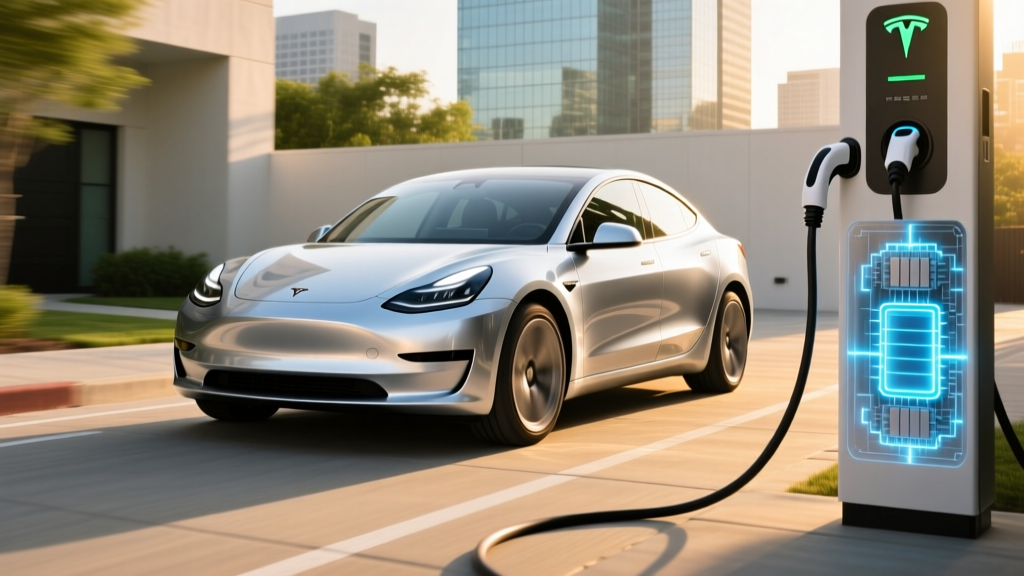
Charging speed is where the Model S benefits from Tesla's mature Supercharger network — now open to other brands via the NACS standard, but still offering the most seamless plug-and-charge experience for Tesla owners.
| Charging Level | Max Power | Speed (mi/hr added) | Notes |
|---|---|---|---|
| Level 1 (120V) | ~1.4 kW | ~3–5 mi/hr | Emergency/trickle only; not practical for daily use |
| Level 2 (240V, 48A) | 11.5 kW | ~44 mi/hr | Full charge in ~9–10 hours; ideal overnight home charging |
| DC Fast (V3 Supercharger) | 250 kW peak | Up to ~200 mi in 15 min | Peak rate sustained only below ~50% SoC; tapers significantly above 80% |
| DC Fast (V4 Supercharger) | 250 kW peak | Similar to V3 | V4 cabinet supports higher rates for future vehicles; Model S currently limited to 250 kW |
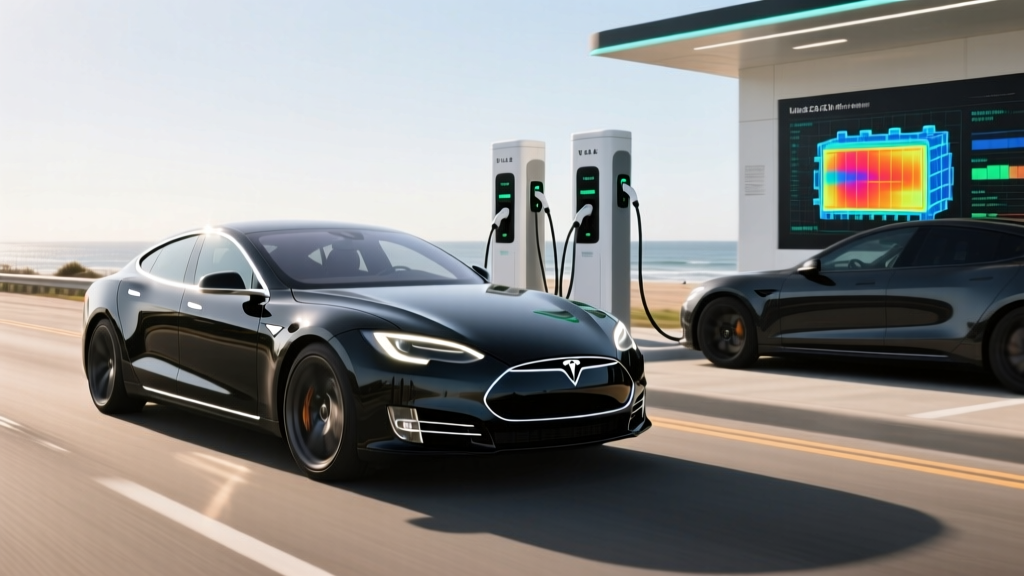
The 250 kW peak DC fast-charging rate means the Model S can add up to 200 miles of range in about 15 minutes at a V3 or V4 Supercharger — but only under ideal conditions. The charge curve is the critical detail here: peak 250 kW is available only at low states of charge (roughly 10–30% SoC) and with a preconditioned battery. As the battery fills, the rate tapers. By 50% SoC, you may see 150–180 kW; by 80%, it drops to roughly 50–70 kW. This is why the 10–80% charge time is approximately 30 minutes rather than the 18–20 minutes that a sustained 250 kW rate would theoretically allow.
At home on a Level 2 Wall Connector (48 amps, 240V), the onboard charger accepts up to 11.5 kW, adding roughly 44 miles of range per hour. A full 10–100% charge takes approximately 9–10 hours, making overnight charging straightforward for even the longest commutes. Most owners arrive home with 40–60% battery remaining and wake up fully charged.
One practical note: the Model S uses Tesla's NACS connector natively, which is now the North American standard adopted by most major automakers. This means access to the full Supercharger network without adapters — a significant convenience advantage over CCS-equipped vehicles that may need adapter dongles at Tesla stations.
Interior, Cargo, and Technology
The Model S interior is minimalist by design — some would say spartan for its price class. The 17-inch center touchscreen dominates the dashboard and handles nearly all vehicle controls, climate settings, media, and navigation. A 12.3-inch driver display sits behind the yoke-style steering wheel (a conventional round wheel is available at no extra cost since 2023).
Passenger space is generous for a sedan. Rear legroom measures 35.4 inches, adequate for adults on long trips, though the sloping roofline cuts into headroom for taller passengers. The rear seat accommodates three passengers, but the center position is best for short trips due to the raised floor tunnel housing battery components.
Cargo versatility is a genuine strength. The rear hatchback opens to reveal 26.1 cubic feet of space behind the rear seats, expanding to 58.1 cubic feet with the seats folded. The front trunk (frunk) adds 2.1 cubic feet — enough for a charging cable bag or a small carry-on. Total usable cargo space is approximately 28 cubic feet with all seats in use, which exceeds most luxury sedans and rivals some compact SUVs.
On the technology front, the Model S includes:
- Autopilot (standard): Adaptive cruise control, lane-keeping assist, automatic emergency braking, blind-spot monitoring. This is an SAE Level 2 driver-assistance system — you must keep your hands on the wheel and eyes on the road at all times.
- Full Self-Driving (Supervised) — $8,000 option: Adds automatic lane changes, navigate-on-autopilot for highway interchanges, traffic light and stop sign recognition, and a city-streets capability. Despite the name, this remains SAE Level 2 and requires continuous driver supervision. It is not autonomous driving.
- Infotainment: Netflix, YouTube, and arcade gaming on the center screen while parked; 22-speaker premium audio; Bluetooth and USB-C connectivity. No Apple CarPlay or Android Auto — Tesla's proprietary system is the only interface.
- Over-the-air updates: Tesla regularly pushes software updates that can add features, adjust performance parameters, and improve efficiency — a genuine advantage over legacy automakers.
ADAS Limitation Warning: Tesla Autopilot and FSD (Supervised) are SAE Level 2 systems. They do NOT make the vehicle self-driving. The driver is legally and practically responsible for all vehicle operation. NHTSA has investigated multiple incidents involving Autopilot — always maintain active supervision.
Pricing, Tax Credits, and Total Cost
| Trim | Base MSRP | Federal §30D Credit | Effective Price | Eligibility Notes |
|---|---|---|---|---|
| Long Range | $79,990 | $0 (exceeds MSRP cap) | $79,990 | IRS §30D caps sedan eligibility at $55,000 MSRP — Model S does not qualify |
| Plaid | $94,990 | $0 (exceeds MSRP cap) | $94,990 | Same MSRP cap applies; no federal credit available |
The 2026 Tesla Model S does not qualify for the IRS §30D federal EV tax credit. Under current rules, new electric sedans must have an MSRP at or below $55,000 to be eligible — and both Model S trims far exceed that threshold. (SUVs, vans, and trucks have a higher $80,000 cap, but the Model S is classified as a sedan by the IRS.) Additionally, buyer income caps apply: modified adjusted gross income cannot exceed $150,000 (single) or $300,000 (joint). Even if the MSRP cap were met, high-income buyers would be excluded. Always verify current rules on IRS.gov before making purchase decisions based on credits.
Without the federal credit, the Model S competes purely on performance, range, and technology. Here is what the total 5-year ownership picture looks like for the Long Range trim:
| Category | Estimated Cost |
|---|---|
| Purchase Price (incl. destination) | $81,990 |
| Electricity (home + Supercharger mix) | $4,200 |
| Insurance (avg. national) | $14,500 |
| Maintenance (tires, cabin filter, fluid top-offs) | $3,800 |
| Estimated Depreciation | $32,000 |
| Total 5-Year Cost | ~$136,490 |
Insurance is a significant cost factor for the Model S. Premiums average $2,800–$3,200 per year nationally, driven by the vehicle's high repair costs, performance profile, and Tesla's proprietary body-shop network. Always get a personalized insurance quote before committing to the purchase.
Model S vs. Key Competitors: Is It Worth Buying?
The luxury electric sedan segment has matured considerably. Here is how the Model S stacks up against its most direct rivals:
| Spec | Tesla Model S LR | Lucid Air Pure | BMW i5 M60 | Mercedes EQS 450+ |
|---|---|---|---|---|
| EPA Range | 402 mi | 419 mi | 295 mi | 390 mi |
| 0–60 mph | 3.1 sec | 5.2 sec | 3.7 sec | 5.9 sec |
| Horsepower | 670 hp | 430 hp | 593 hp | 355 hp |
| Peak DC Charge | 250 kW | 220 kW | 205 kW | 200 kW |
| Base MSRP | $79,990 | $69,900 | $84,100 | $104,400 |
| Cargo (total) | 28 cu ft | 32 cu ft | 17 cu ft | 22 cu ft |
Choose the Tesla Model S Long Range if: You want the best combination of range, performance, and charging infrastructure. The Supercharger network remains the most reliable road-trip charging experience, and 402 miles of EPA range means fewer stops on long drives.
Choose the Tesla Model S Plaid if: You want supercar-rivaling acceleration in a practical four-door sedan, and you are willing to sacrifice 43 miles of range for the privilege. No other production sedan at this price delivers sub-2-second 0–60 times.
Choose the Lucid Air Pure if: You prioritize interior luxury, rear-seat comfort, and the absolute longest EPA range (419 mi) over raw acceleration and Tesla's software ecosystem.
Choose the BMW i5 M60 if: You prefer traditional luxury build quality, dealer service infrastructure, and a more conventional driving experience with physical controls alongside a solid EV powertrain.
Pros and Cons
Pros
- Class-leading 402-mile EPA range (Long Range)
- Unmatched 1.99-second 0–60 mph (Plaid) at this price point
- Access to the Tesla Supercharger network — the most reliable DC fast-charging ecosystem
- Generous hatchback cargo space (28 cu ft) with flat-folding rear seats
- Continuous over-the-air updates add features post-purchase
- Strong 8-year/150,000-mile battery and drive-unit warranty
Cons
- No federal §30D tax credit eligibility (MSRP exceeds $55,000 sedan cap)
- High insurance premiums ($2,800–$3,200/year average)
- Minimalist interior lacks the material luxury of BMW, Mercedes, or Lucid at this price
- No Apple CarPlay or Android Auto — Tesla-only infotainment
- Yoke steering wheel remains polarizing and can be impractical for low-speed maneuvers
- DC charge rate capped at 250 kW — rivals like the Hyundai Ioniq 5 and Porsche Taycan match or exceed this
Warranty and Battery Longevity
Tesla covers the Model S battery pack and drive units for 8 years or 150,000 miles, whichever comes first, with a minimum 70% capacity retention guarantee during that period. The basic vehicle limited warranty is 4 years or 50,000 miles.
The Model S uses an NMC (nickel-manganese-cobalt) lithium-ion battery pack. NMC chemistry offers high energy density — critical for achieving 400+ miles of range — but is more sensitive to prolonged high states of charge than LFP chemistry. For optimal long-term battery health:
- Set daily charge limit to 80–90% for regular commuting
- Charge to 100% only before long road trips, and depart soon after reaching full
- Avoid leaving the vehicle at very low SoC (below 10%) for extended periods
- Use preconditioning in cold weather to reduce charging stress
Real-world data from high-mileage Tesla owners suggests the 100 kWh pack retains approximately 88–92% of original capacity at 100,000 miles, well within the warranty threshold. Battery replacement outside of warranty, if ever needed, currently costs approximately $15,000–$22,000 including labor at Tesla service centers.
Who Should Buy the 2026 Tesla Model S?
The Model S Long Range is ideal for: Tech-forward professionals and road-trip enthusiasts who need maximum range and reliable fast-charging infrastructure. If you regularly drive 200+ miles between charging stops and value the confidence of 402 miles of EPA range, the Long Range delivers. It also suits families who need hatchback cargo versatility without stepping up to a full-size SUV.
The Model S Plaid is ideal for: Performance enthusiasts who want exotic-car acceleration with daily-drivable practicality. If you track your car occasionally, enjoy canyon carving, or simply want the thrill of sub-2-second launches, the Plaid has no equal at its price. Just accept the 43-mile range trade-off and higher tire wear from the stickier compound.
The Model S is NOT ideal for: Buyers who prioritize traditional luxury materials and white-glove dealer service (look at the Lucid Air, BMW i5, or Mercedes EQS). It is also not ideal for budget-conscious shoppers who need the federal tax credit — the Model 3 or Model Y fall within the §30D MSRP caps.
Frequently Asked Questions
What is the real-world range of the 2026 Tesla Model S?
The EPA rates the Long Range at 402 miles and the Plaid at 359 miles. In real-world highway driving at 75–80 mph, expect 320–360 miles (Long Range) and 280–320 miles (Plaid). Cold weather below freezing can reduce these figures by an additional 15–25%.
How fast does the Tesla Model S charge?
On a V3 or V4 Supercharger, the Model S peaks at 250 kW and can add up to 200 miles in about 15 minutes. A 10–80% charge takes approximately 30 minutes due to the charge curve tapering at higher states of charge. At home on a Level 2 Wall Connector (11.5 kW), expect roughly 44 miles of range added per hour, or a full overnight charge in about 9–10 hours.
Does the 2026 Tesla Model S qualify for the federal EV tax credit?
No. The IRS §30D credit caps eligible sedans at $55,000 MSRP, and both Model S trims ($79,990 and $94,990) exceed this limit. Buyer income caps ($150,000 single / $300,000 joint) would also exclude many potential buyers. Check IRS.gov for the latest eligibility rules.
Is the Tesla Model S worth buying over the Lucid Air or BMW i5?
It depends on your priorities. The Model S wins on performance (Long Range: 670 hp, 3.1-sec 0–60), Supercharger network access, and hatchback versatility. The Lucid Air Pure offers more range (419 mi), a more luxurious interior, and a lower starting price ($69,900). The BMW i5 provides traditional luxury build quality and dealer service. If the Supercharger network and raw performance matter most, the Model S remains the strongest choice.
How long will the Model S battery last?
Tesla warranties the battery for 8 years or 150,000 miles with a 70% minimum capacity retention guarantee. Real-world data from high-mileage owners shows approximately 88–92% capacity retention at 100,000 miles. With proper charging habits (daily limit of 80–90%, avoiding prolonged low SoC), the pack should comfortably last 200,000+ miles before approaching the warranty threshold.
What is the Tesla Model S 0 to 60 time in normal driving?
The Plaid's official 1.99-second time requires the dedicated drag-strip launch mode. In normal driving without launch preparation, expect roughly 2.5–3.0 seconds to 60 mph — still faster than nearly every other sedan on the road. The Long Range achieves its 3.1-second time more consistently without special preparation.