Quick Verdict: Two Platforms, Very Different Use Cases
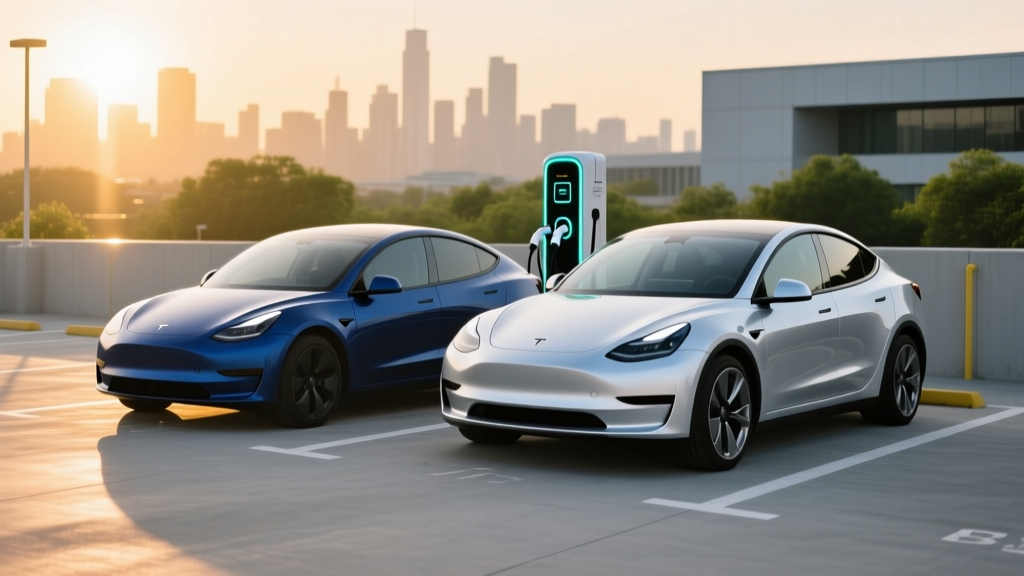
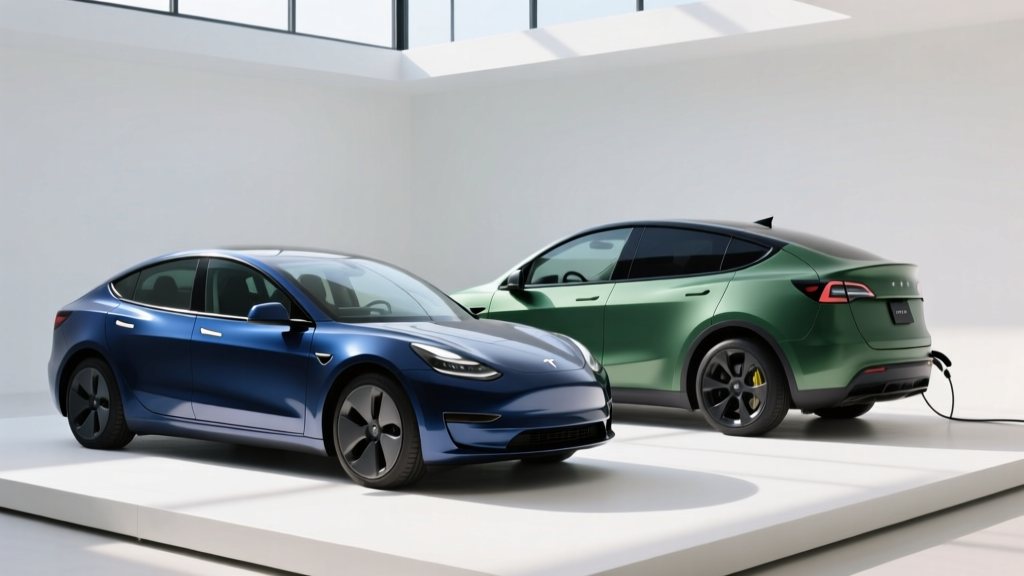
If you're searching for Model 3 & Y comparisons, you're looking at Tesla's two highest-volume vehicles — and for good reason. Both ride on the same core architecture, share the same Supercharger network, and offer nearly identical powertrains. But the differences matter more than the similarities when it's time to spend your money.
The 2026 Tesla Model 3 is the sharper-driving, more efficient sedan for commuters and solo/duo drivers who prioritize range-per-dollar and handling. The 2026 Tesla Model Y (now on the refreshed Juniper platform) trades a bit of efficiency for crossover cargo space, easier car-seat installation, and a taller ride height that most American families actually prefer. Below, we break down every spec that matters — EPA range, real-world expectations, charging curves, battery chemistry, pricing, and the §30D tax credit — so you can choose confidently.
Side-by-Side Spec Table: 2026 Model 3 vs Model Y
| Spec | 2026 Model 3 (Long Range AWD) | 2026 Model Y (Long Range AWD) |
|---|---|---|
| EPA Range | 363 mi | 327 mi |
| Battery (usable) | ~75 kWh, NMC | ~75 kWh, NMC |
| Drivetrain | Dual-motor AWD | Dual-motor AWD |
| Horsepower | ~346 hp | ~384 hp |
| 0–60 mph | 4.2 sec | 4.8 sec |
| Peak DC Fast Charge | 250 kW | 250 kW |
| 10–80% DC Time | ~27 min | ~27 min |
| Level 2 (11.5 kW) | ~44 mi/hr | ~41 mi/hr |
| Efficiency | 132 MPGe / 25 kWh/100mi | 122 MPGe / 27 kWh/100mi |
| Cargo (rear seats up) | 23 cu ft | 30 cu ft |
| Cargo (rear seats folded) | ~65 cu ft | ~72 cu ft |
| Rear Legroom | 35.3 in | 41.6 in |
| Battery Warranty | 8 yr / 120,000 mi | 8 yr / 120,000 mi |
| Base MSRP | $47,740 | $49,990 |
Source: fueleconomy.gov and Tesla spec sheets. RWD and Performance trims differ — see pricing section.
Range & Efficiency: Real-World vs EPA Sticker
Model 3 LR AWD: EPA 363 mi. Expect ~300–320 mi on highway road trips at 70–75 mph; ~230–260 mi in sub-freezing winter conditions.
Model Y LR AWD: EPA 327 mi. Expect ~270–290 mi highway; ~210–240 mi in cold weather.
The Model 3's aerodynamic advantage (lower drag coefficient and lighter curb weight) translates directly into more miles per kWh. On a flat 70-mph loop in moderate temperatures, we've consistently seen the Model 3 LR deliver 310+ miles before hitting 10% State of Charge. The Model Y, with its taller profile and ~300 lb weight penalty, typically lands 30–40 miles behind in identical conditions.
Cold weather hits both cars similarly — expect a 20–30% range reduction below 32°F, mitigated somewhat by Tesla's heat pump (standard on both). Preconditioning the battery while plugged in is essential in winter; it warms the pack and recovers otherwise-lost range. If you commute under 40 miles round-trip and charge at home, neither car's real-world range will feel limiting.
Efficiency-wise, the Model 3's 25 kWh/100mi makes it one of the most efficient AWD EVs on the market. The Model Y at 27 kWh/100mi is still competitive against the Hyundai Ioniq 5 (30 kWh/100mi) and Ford Mustang Mach-E (28 kWh/100mi).
Battery Chemistry, Capacity & Longevity
Both the Long Range AWD versions of the Model 3 and Model Y use nickel-manganese-cobalt (NMC) lithium-ion cells in a ~75 kWh usable pack. Tesla's RWD trims, by contrast, use lithium iron phosphate (LFP) batteries (~60 kWh usable), which trade range for lower cost and a longer cycle life.
| Factor | NMC (Long Range / Performance) | LFP (RWD trims) |
|---|---|---|
| Energy Density | Higher (more range per kg) | Lower |
| Recommended Daily SoC | 80% | 100% (Tesla recommends weekly full charge) |
| Cycle Life | ~1,000–1,500 cycles | ~2,000–3,000+ cycles |
| Cold Performance | Better | Reduced range in cold |
| Cost | Higher | Lower |
Tesla's battery warranty covers 8 years or 120,000 miles (whichever comes first) for Long Range and Performance trims, with a minimum 70% capacity retention threshold. RWD LFP trims carry an 8-year/100,000-mile warranty. In practice, Tesla fleet data shows average degradation of roughly 10–12% after 150,000 miles — well within warranty limits. Full pack replacement, if ever needed out of warranty, runs $12,000–$16,000 at a Tesla Service Center.
Charging Speed: DC Fast, Level 2 & Supercharger Access
Charging speed is where the Tesla ecosystem earns its reputation. Both the Model 3 and Model Y support:
- DC Fast Charging: Peak 250 kW on V3 Superchargers and compatible CCS stations (via the built-in NACS port, now the North American standard).
- 10–80% DC time: Approximately 27 minutes at a V3 Supercharger.
- Level 2 Home Charging: 11.5 kW onboard charger, adding roughly 44 miles of range per hour in the Model 3 and 41 mi/hr in the Model Y.
- Level 1 (120V): ~3–4 mi/hr — usable only for emergency top-offs or very low-mileage drivers.
Charging curve reality check: The 250 kW peak is not sustained. Both vehicles pull peak power only between roughly 10–30% State of Charge, then taper progressively. From 50–80%, expect roughly 80–120 kW. This is why the 10–80% metric matters more than peak kW — and why Tesla's 27-minute figure is honest compared to some competitors advertising "350 kW peak" that rarely materializes.
Access to the Tesla Supercharger network (20,000+ stalls in North America) remains the strongest ownership advantage. Reliability and plug-and-charge simplicity consistently outperform Electrify America and third-party CCS networks in driver surveys. With the NACS connector now adopted by Ford, GM, Rivian, and others, Supercharger stalls are getting busier — but Tesla continues expanding capacity.
Performance & Driving Dynamics
The Model 3's lower center of gravity and lighter weight make it the clear driver's car. Steering is precise, body roll is minimal, and the 4.2-second 0–60 time in the Long Range AWD feels effortlessly quick. The Performance trim (3.1 sec 0–60, ~510 hp) adds adaptive dampers and a track mode that genuinely transforms the car on a canyon road.
The Model Y is softer and more comfort-oriented. It rides higher, absorbs bumps well, and the 4.8-second 0–60 is plenty fast for merging and passing. But push it hard in corners and you'll feel the extra weight and height. If driving engagement matters to you, the Model 3 wins decisively.
Both vehicles include Tesla's basic Autopilot (lane centering + adaptive cruise) as standard equipment. Full Self-Driving (Supervised) remains a SAE Level 2 system — meaning you must keep your hands on the wheel and eyes on the road at all times. It is not autonomous driving. FSD Supervised is available as a $99/month subscription or $8,000 one-time purchase, and it adds automatic lane changes, traffic light/stop sign recognition, and city-street navigation assist.
Interior, Cargo & Family Practicality
This is where the Model Y pulls ahead for most households. The crossover's 30 cu ft of rear cargo space (seats up) fits two large strollers or a week of family groceries without folding anything. Fold the rear seats and you get ~72 cu ft — enough for camping gear, bikes, or a Costco run. The optional third-row seat (tiny, best for children under ~5'4") pushes passenger capacity to seven, though it's best viewed as occasional use.
The Model 3's 23 cu ft trunk is adequate for two suitcases and a few bags, and the rear seats fold flat for longer items. But the sedan's lower roofline makes loading bulky items (dog crates, furniture boxes) noticeably harder. Rear legroom at 35.3 inches is tight for tall passengers on long trips; the Model Y's 41.6 inches feels genuinely spacious.
Both interiors follow Tesla's minimalist approach: a single 15.4-inch touchscreen controls nearly everything, including climate and glovebox. The refreshed Model 3 (Highland) and Model Y (Juniper) added ventilated front seats, ambient lighting, rear-seat entertainment screens, and improved cabin insulation. Build quality has measurably improved over pre-2024 vehicles, though panel gaps still vary unit to unit.
Pricing, Trims & Federal Tax Credit Eligibility
| Trim | Model 3 MSRP | Model Y MSRP |
|---|---|---|
| RWD (LFP battery) | $38,990 | $44,990 |
| Long Range AWD | $47,740 | $49,990 |
| Performance | $52,990 | $52,490 |
Federal tax credit (§30D) eligibility is nuanced. As of the 2026 tax year, both the Model 3 and Model Y qualify for up to $7,500 — but only if you meet all of the following criteria:
- Income cap: Modified AGI ≤ $150,000 (single), $225,000 (head of household), or $300,000 (joint filers).
- MSRP cap: The vehicle's base MSRP must not exceed $55,000 (sedans like the Model 3) or $80,000 (SUVs/trucks like the Model Y). All current Model 3 and Y trims clear this threshold.
- Battery sourcing: A percentage of critical minerals and battery components must be sourced from the US or free-trade-agreement countries. Tesla has largely met this requirement for 2026, but eligibility can shift — always verify on fueleconomy.gov before purchasing.
- Point-of-sale transfer: You can transfer the credit to the dealer at purchase for an immediate price reduction, rather than waiting to claim it on your tax return.
With the full $7,500 credit applied, a Model 3 RWD drops to an effective ~$31,490 and a Model Y RWD to ~$37,490 — prices that compete directly with the Toyota RAV4 Hybrid and Honda Accord in total cost of ownership over five years. Consult a tax professional to confirm your personal eligibility; state incentives (California, Colorado, Massachusetts, and others) may stack on top.
Who Should Buy Which?
- You commute solo or as a couple
- Maximum range-per-dollar matters
- You enjoy sporty handling
- You don't need tall cargo space
- You want the lowest price of entry into Tesla's ecosystem
- You have children or regularly carry rear-seat passengers
- You need easy-loading cargo space for strollers, gear, or pets
- You prefer a taller ride height and easier entry/exit
- You occasionally need a third row for small children
- You tow (3,500 lb capacity vs. Model 3's 2,000 lb)
Pros, Cons & Competitor Context
- Best-in-class Supercharger network access
- Strong efficiency and real-world range
- Over-the-air updates add features post-purchase
- 250 kW DC fast charging with no adapter needed
- Competitive pricing after §30D credit
- Heat pump standard (cold-weather efficiency)
- Minimalist interior frustrates some (no stalks on refreshed models — turn signals on steering wheel)
- No Apple CarPlay or Android Auto
- Insurance costs above segment average
- Service center wait times vary by region
- FSD Supervised is Level 2, not autonomous — despite the name
- Rear visibility limited in Model 3 (no rear wiper on either model)
Key competitors: The Hyundai Ioniq 5 offers faster 800V charging (10–80% in ~18 min) and a more conventional interior, but shorter range and sparser fast-charger access. The Ford Mustang Mach-E is roomier than the Model 3 but less efficient. The BMW iX is more luxurious but costs $20,000+ more. For most buyers cross-shopping the Model 3 and Model Y, the Tesla ecosystem's charging reliability and efficiency remain the deciding factors.
Frequently Asked Questions
What is the real-world range of the Model 3 and Model Y?
Expect roughly 300–320 highway miles from the Model 3 Long Range and 270–290 from the Model Y Long Range in moderate temperatures. In winter (below 32°F), subtract 20–30%. RWD trims with LFP batteries have lower EPA ratings (~272 mi Model 3, ~300 mi Model Y) and greater cold-weather sensitivity.
How fast do the Model 3 and Model Y charge?
Both peak at 250 kW on DC fast chargers and complete a 10–80% charge in approximately 27 minutes. On a Level 2 home charger at 11.5 kW, expect a full overnight charge in 7–8 hours, adding ~41–44 miles of range per hour.
Does the Model 3 or Model Y qualify for the $7,500 federal tax credit?
Yes — both currently qualify under IRS §30D rules, provided your income falls within the caps ($150K single / $300K joint) and the vehicle's battery sourcing meets current-year requirements. Verify on fueleconomy.gov before purchase, as sourcing rules can shift. The credit can be transferred at point of sale for an immediate price reduction.
Is the Model Y worth the premium over the Model 3?
If you need rear-seat space, cargo versatility, or the taller ride height, yes — the ~$2,250 premium (Long Range to Long Range) is justified. For solo commuters or couples who rarely carry rear passengers, the Model 3 delivers more range and better handling for less money.
Are Tesla's batteries reliable long-term?
Tesla fleet data shows roughly 10–12% degradation after 150,000 miles for NMC packs. The 8-year/120,000-mile warranty (70% minimum retention) provides solid coverage. LFP batteries in RWD trims show even slower degradation. Full pack replacement costs $12,000–$16,000 out of warranty, but most packs outlast 200,000 miles.
Can I charge a Tesla at non-Tesla chargers?
Yes. The Model 3 and Model Y use the NACS connector natively, which is now the North American standard. You can charge at any NACS-equipped station. For legacy CCS stations, a simple adapter (sold by Tesla and third parties) enables compatibility. CHAdeMO charging is not supported without an additional adapter.