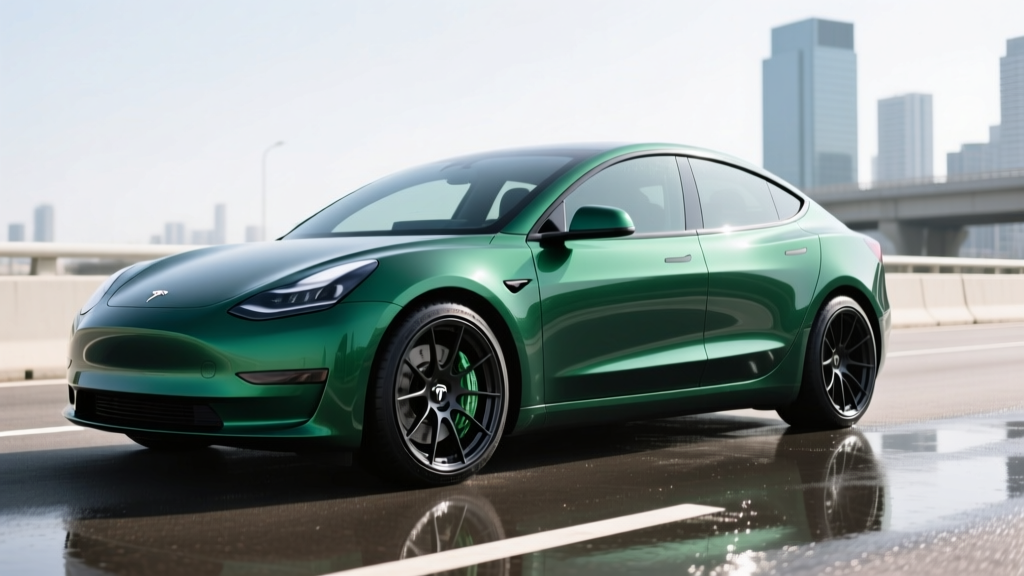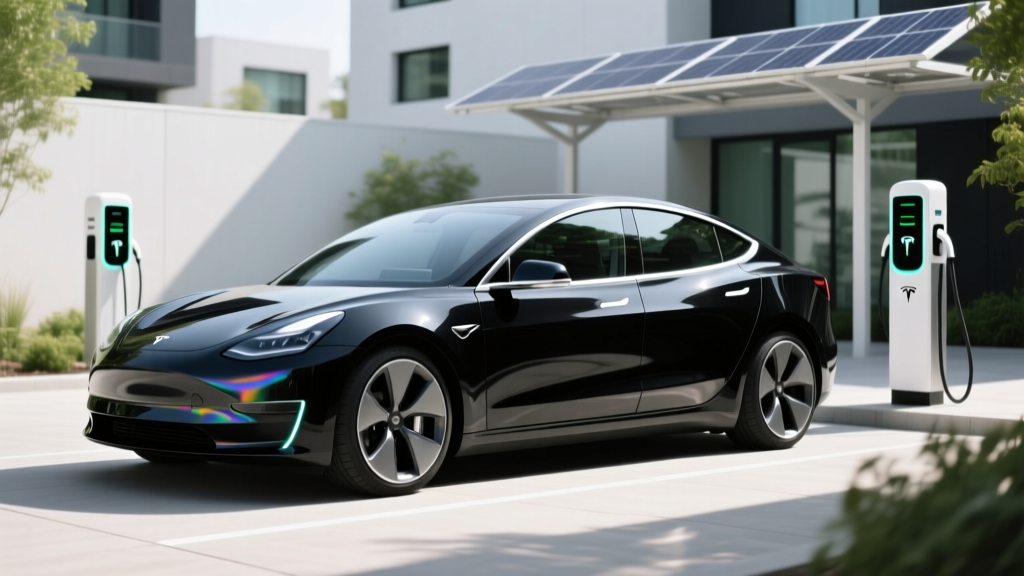
If you've been searching for a small Tesla car, the 2026 Model 3 remains the most accessible entry point into the Tesla ecosystem. While Tesla's lineup has expanded to include the larger Model Y crossover, the Cybertruck, and the refreshed Model S and X, the Model 3 is still the compact sedan that started it all — and it has only gotten sharper with the Highland refresh and subsequent 2025-2026 updates.
This review covers every number a real buyer needs: actual EPA range versus what you'll see on the highway, charging speeds at home and on the road, federal tax credit eligibility under current IRS §30D rules, and how the Model 3 stacks up against the Hyundai Ioniq 6, BMW i4, and Polestar 2 in 2026.
2026 Tesla Model 3: Quick Verdict
The Model 3 Long Range AWD delivers 363 miles of EPA-estimated range, peaks at 250 kW on a DC fast charger, and starts at $42,490 before incentives. It is the efficiency king of Tesla's lineup and one of the most compelling compact electric sedans on the market. The rear-wheel-drive (RWD) base model undercuts it on price while still offering 272 miles of range — enough for most commuters.
The catch? The minimalist interior isn't for everyone, rear visibility is compromised, and the Model 3's price advantage has narrowed as competitors like the Ioniq 6 undercut it on MSRP while matching much of its tech. If you want a small Tesla car specifically for the Supercharger network and software ecosystem, nothing else replicates it. If you just want a great compact EV, you have options worth cross-shopping.
Range, Battery, and Real-World Efficiency
Tesla offers two battery and powertrain configurations for the 2026 Model 3:
| Spec | Model 3 RWD | Model 3 Long Range AWD | Model 3 Performance |
|---|---|---|---|
| EPA Range | 272 mi | 363 mi | 315 mi |
| Battery (usable) | ~60 kWh (LFP) | ~79 kWh (NMC) | ~79 kWh (NMC) |
| Chemistry | Lithium Iron Phosphate | Nickel Manganese Cobalt | Nickel Manganese Cobalt |
| Efficiency (MPGe) | 132 MPGe combined | 132 MPGe combined | 119 MPGe combined |
| kWh/100 mi | 26 kWh | 26 kWh | 28 kWh |
The EPA's 363-mile estimate for the Long Range AWD assumes mixed driving at moderate temperatures. In our experience and consistent third-party testing, expect:
- Highway (75 mph, fair weather): ~290-310 miles
- City/suburban mixed: ~330-350 miles (regen braking helps)
- Cold weather (below 32°F): ~240-270 miles — a 25-35% reduction is normal for NMC packs
The LFP versus NMC chemistry distinction matters. LFP (Lithium Iron Phosphate) batteries are heavier and less energy-dense, which is why the RWD has less range, but they tolerate frequent 100% charging and have longer cycle life. NMC (Nickel Manganese Cobalt) packs deliver more energy density and better cold-weather performance but Tesla recommends daily charging to 80% to preserve long-term health. According to fueleconomy.gov, the Model 3's efficiency numbers place it among the most efficient EVs sold in the U.S.
Charging Speed: Home and DC Fast Charging
Charging speed is where the Model 3 continues to excel, particularly on the Tesla Supercharger network. Here's the full breakdown:
| Charging Method | Power (kW) | Speed (miles of range per hour) | Notes |
|---|---|---|---|
| Level 1 (120V standard outlet) | ~1.2 kW | ~3-5 mi/hr | Emergency/trickle only |
| Level 2 (240V home, 48A) | 11.5 kW | ~44 mi/hr | Full charge overnight (~8 hrs for LR) |
| Level 2 (240V home, 32A) | 7.7 kW | ~30 mi/hr | Common with Mobile Connector |
| DC Fast Charge (Supercharger V3/V4) | Peak 250 kW | Up to 175 mi in 15 min | 10-80% in ~25-30 min |
| DC Fast Charge (CCS adapter, 3rd party) | Up to 250 kW | Varies by station | CCS adapter included since 2024 |
A few practical notes on the charging curve: the Model 3 Long Range hits its 250 kW peak only between roughly 10-30% State of Charge. By 50%, power tapers to ~150 kW, and above 80% it drops sharply to ~40 kW and below. This is normal for NMC chemistry and thermal management, but it means the commonly cited "10-80% in 25 minutes" figure assumes optimal battery preconditioning. Always navigate to a Supercharger using the car's built-in routing — this triggers automatic battery preconditioning, warming the pack to ideal charging temperature.
For home charging, a Tesla Wall Connector on a 60A circuit delivers 48A continuous (11.5 kW). Most Long Range owners will wake up to a full battery every morning. Installation costs typically range from $500-$2,000 depending on panel proximity and whether your electrical panel needs an upgrade.
Performance and Driving Dynamics
| Spec | Model 3 RWD | Model 3 Long Range AWD | Model 3 Performance |
|---|---|---|---|
| 0-60 mph | 5.8 sec | 4.2 sec | 2.9 sec |
| Horsepower | 271 hp | 346 hp | 510 hp |
| Drivetrain | Rear-Wheel Drive | Dual-Motor AWD | Dual-Motor AWD |
| Top Speed | 125 mph | 125 mph | 163 mph |
Even the base RWD Model 3 feels quick off the line — 5.8 seconds to 60 mph outpaces most gas-powered compact sedans. The Long Range AWD's 4.2-second sprint is genuinely fast for daily driving, and the Performance model's 2.9 seconds puts it in sports-car territory.
The Highland refresh significantly improved ride quality. Tesla reworked the suspension with new damping, added acoustic glass all around, and improved isolation from road noise. The result is a noticeably more refined driving experience than pre-2024 Model 3s. The steering remains quick and direct, though some drivers find it overly weighted even in Comfort mode.
Interior, Cargo, and Technology
The Model 3's cabin is defined by radical minimalism. There is no instrument cluster — all information lives on the 15.4-inch center touchscreen. Climate controls, speed, navigation, and media are all accessed through this single display. A rear 8-inch screen was added in the Highland refresh for back-seat passengers.
Cargo and passenger dimensions:
- Front legroom: 42.3 inches
- Rear legroom: 35.3 inches
- Trunk (rear): 23 cu ft
- Frunk (front trunk): 3.1 cu ft
- Total cargo: 26.1 cu ft
Rear headroom is tight for passengers over 6 feet due to the sloping roofline. The trunk is deep and practical but the opening is narrower than a hatchback or crossover. If you regularly haul cargo, the Model Y (with its liftback design and 30+ cu ft behind the rear seats) is the more practical Tesla.
Standout tech features:
- Tesla's native navigation with real-time Supercharger routing and preconditioning
- Over-the-air (OTA) updates that add features over time
- Phone-as-key with automatic walk-up unlock
- Sentry Mode dashcam recording when parked
- HEPA-grade cabin air filtration (Bioweapon Defense Mode)
- Ventilated front seats, ambient lighting (post-Highland)
Notable drawbacks:
- No Apple CarPlay or Android Auto — Tesla's ecosystem only
- Turn signals are on a steering-wheel-mounted stalk (restored in 2025 after brief removal), but wiper controls remain screen-based
- Rear visibility is limited; the backup camera is essential
- No physical buttons for climate or volume (touchscreen or steering-wheel scroll wheels only)
Pricing, Trims, and Federal Tax Credit
| Trim | Base MSRP | Est. After Federal Credit | As-Tested (typical options) |
|---|---|---|---|
| Model 3 RWD | $38,990 | $31,490* | $40,500-$42,000 |
| Model 3 Long Range AWD | $42,490 | $34,990* | $45,000-$48,000 |
| Model 3 Performance | $52,990 | $45,490* | $55,000-$58,000 |
*After-credit prices assume full $7,500 §30D credit eligibility. Your actual credit depends on multiple factors — see below.
Under current IRS guidelines, the $7,500 credit is available as a point-of-sale rebate (transferred to the dealer) or claimed on your tax return. Eligibility requires:
- Buyer income caps: AGI ≤ $150,000 (single), $225,000 (head of household), $300,000 (joint)
- MSRP cap: Sedans ≤ $55,000 (all Model 3 trims qualify)
- Battery sourcing: Critical minerals and battery components must meet phased-in domestic-content thresholds. As of 2026, Tesla's U.S.-built Model 3 with the LFP RWD pack may receive a partial credit ($3,750) if critical-mineral sourcing thresholds aren't fully met — the Long Range NMC pack built in California has historically qualified for the full $7,500. Always verify current eligibility at fueleconomy.gov before purchasing.
All Model 3 trims fall under the $55,000 sedan MSRP cap, making them eligible in principle. The key variable in 2026 is battery-component and critical-mineral sourcing. Tesla manufactures the Model 3 at the Fremont, California factory, but LFP cells have historically been sourced from CATL in China, which can affect the critical-minerals half of the credit. Buyers should confirm the exact credit amount with their Tesla advisor at the point of sale.
Warranty and Long-Term Ownership
| Coverage | Term |
|---|---|
| Basic Vehicle Warranty | 4 years / 50,000 miles |
| Battery & Drive Unit (RWD) | 8 years / 100,000 miles |
| Battery & Drive Unit (LR/Perf) | 8 years / 120,000 miles |
| Battery capacity retention threshold | 70% minimum over warranty period |
Tesla's battery warranty guarantees that the pack will retain at least 70% of its original capacity during the warranty period. In practice, Tesla's own fleet data and third-party analyses (including long-term owner surveys) show that Model 3 packs typically degrade only 10-12% over 100,000 miles — well within the warranty threshold.
For buyers concerned about long-term battery replacement cost, out-of-warranty Model 3 battery replacements have been reported in the $12,000-$16,000 range, though prices have trended downward as cell costs fall. The LFP pack in the RWD model is expected to have an even longer usable lifespan given its superior cycle-life characteristics.
Tesla Autopilot and Driver Assistance
Every Model 3 comes standard with Tesla Autopilot, which includes Traffic-Aware Cruise Control and Autosteer (lane-centering). This is a SAE Level 2 driver-assistance system — it does not make the car self-driving. You must keep your hands on the wheel and eyes on the road at all times. Tesla monitors engagement via a steering-wheel torque sensor and cabin camera.
Neither Autopilot nor Full Self-Driving (Supervised) is autonomous. FSD (Supervised) — a $8,000 option or $99/month subscription — adds features like automatic lane changes, traffic-light recognition, and city-street navigation. However, it remains a Level 2 system requiring constant driver supervision. NHTSA continues to investigate FSD-related incidents. The driver is always legally responsible.
Competitors like GM's Super Cruise and Ford's BlueCruise offer hands-free driving on pre-mapped divided highways — something Tesla's system does not officially permit. However, Tesla's system works on more road types (including residential streets), which some drivers prefer despite the supervision requirement.
Model 3 vs. the Competition
- Class-leading efficiency (26 kWh/100 mi)
- Access to the Supercharger network — the most reliable DC fast-charging ecosystem in North America
- Best-in-class OTA software updates
- Strong real-world range, especially Long Range AWD
- Low center of gravity, engaging handling
- LFP option for worry-free daily 100% charging
- No Apple CarPlay / Android Auto
- Rear visibility and headroom are limited
- Minimalist controls frustrate some drivers
- Insurance costs tend to be higher than segment average
- Build quality, while improved, still trails legacy automakers in panel consistency
- Service center wait times can be long in some metro areas
The Hyundai Ioniq 6 undercuts the Model 3 on price (~$37,500 base), offers a comparable 361-mile EPA range (SE Long Range), and includes 800V architecture for 10-80% charging in ~18 minutes at 350 kW stations. However, its CCS charging network access doesn't yet match Tesla's Supercharger reliability.
The BMW i4 eDrive40 (~$52,200) offers a more traditional luxury interior, Apple CarPlay, and 307 miles of range, but it costs significantly more and lacks the Tesla software ecosystem.
The Polestar 2 (~$49,900) has a distinctive Scandinavian design, Google built-in, and 276 miles of range, but it's pricier and less efficient than the Model 3.
- Choose the Model 3 if: You want Supercharger access, best-in-class efficiency, Tesla's software ecosystem, and you're comfortable with a minimalist cabin and touchscreen-only controls.
- Choose the Ioniq 6 if: You want faster peak charging (350 kW capable), a more traditional interior with physical buttons, and lower MSRP — and you have reliable home charging so public network differences matter less.
- Choose the BMW i4 if: You prioritize luxury build quality, want Apple CarPlay, and don't mind paying a premium for a more conventional driving experience.
- Consider the Model Y instead if: You need more cargo space, rear headroom, or the higher seating position of a crossover. The Model Y Long Range offers ~330 miles of range starting at ~$44,990.
Frequently Asked Questions
What is the real-world range of the Tesla Model 3?
The EPA rates the Long Range AWD at 363 miles and the RWD at 272 miles. In real-world highway driving at 75 mph, expect 290-310 miles from the Long Range and 220-240 from the RWD. In freezing temperatures, reduce those figures by 25-35%. City driving with regenerative braking gets you closer to the EPA sticker.
How fast does the Model 3 charge at home and on the road?
At home on a 240V/48A Level 2 charger, the Model 3 adds roughly 44 miles of range per hour — a full overnight charge. On a Tesla V3/V4 Supercharger, it peaks at 250 kW and charges from 10-80% in approximately 25-30 minutes, with the charge curve tapering significantly above 80%.
Does the Tesla Model 3 qualify for the $7,500 federal tax credit?
All Model 3 trims fall under the $55,000 MSRP cap for sedans. Buyer income must not exceed $150,000 (single) / $300,000 (joint). The Long Range AWD has historically qualified for the full $7,500. The RWD with its LFP battery may qualify for a partial $3,750 credit depending on critical-mineral sourcing requirements in effect at the time of purchase. Verify at fueleconomy.gov and with your tax advisor.
Is the Model 3 worth buying over the Hyundai Ioniq 6 or BMW i4?
If Supercharger network access, OTA updates, and efficiency are your priorities, yes. The Model 3's Supercharger advantage is significant for road-trippers who rely on public DC fast charging. If you charge primarily at home and prefer a more conventional interior, the Ioniq 6 offers faster peak charging and a lower price, while the BMW i4 delivers luxury refinement at a premium.
What are the biggest ownership costs beyond the purchase price?
Insurance is the main cost surprise — Model 3 premiums average 15-30% higher than comparable gas sedans, according to industry data, due to repair costs and Tesla's direct-body-shop network. Home electricity for charging costs roughly $0.12-$0.18/kWh nationally, making fuel costs about $0.04-$0.05 per mile versus $0.12-$0.15/mile for a 30-MPG gas car. Maintenance is minimal — no oil changes, fewer brake replacements thanks to regen — but tire replacement comes sooner due to the car's weight and instant torque.
How long will the Model 3 battery last?
Tesla's fleet data suggests Model 3 batteries lose approximately 10-12% capacity over 100,000 miles. The warranty guarantees 70% retention over 8 years / 100,000-120,000 miles (depending on trim). Many high-mileage owners report 85-90% State of Health at 150,000 miles. LFP packs in the RWD model are expected to last even longer under equivalent conditions.