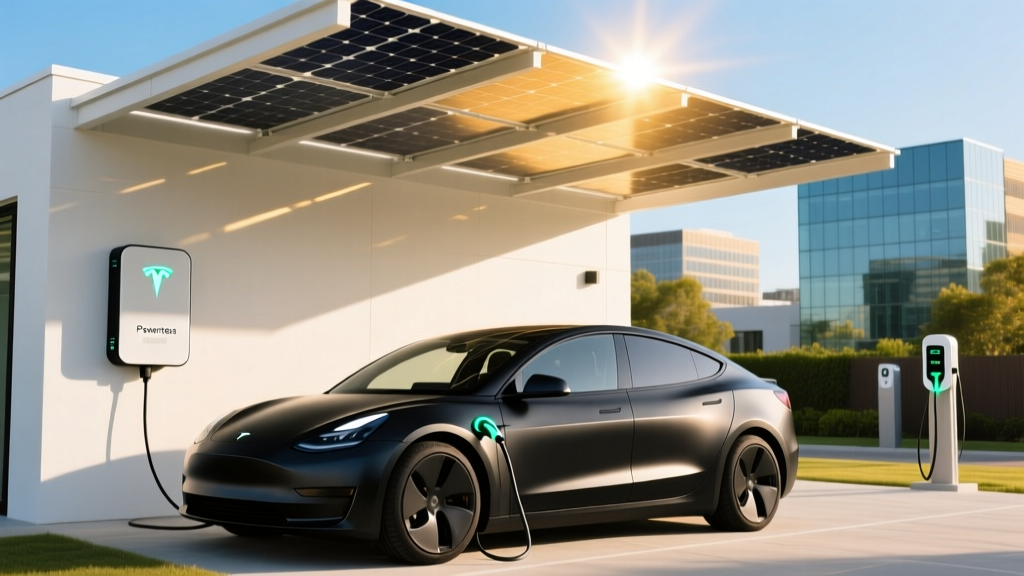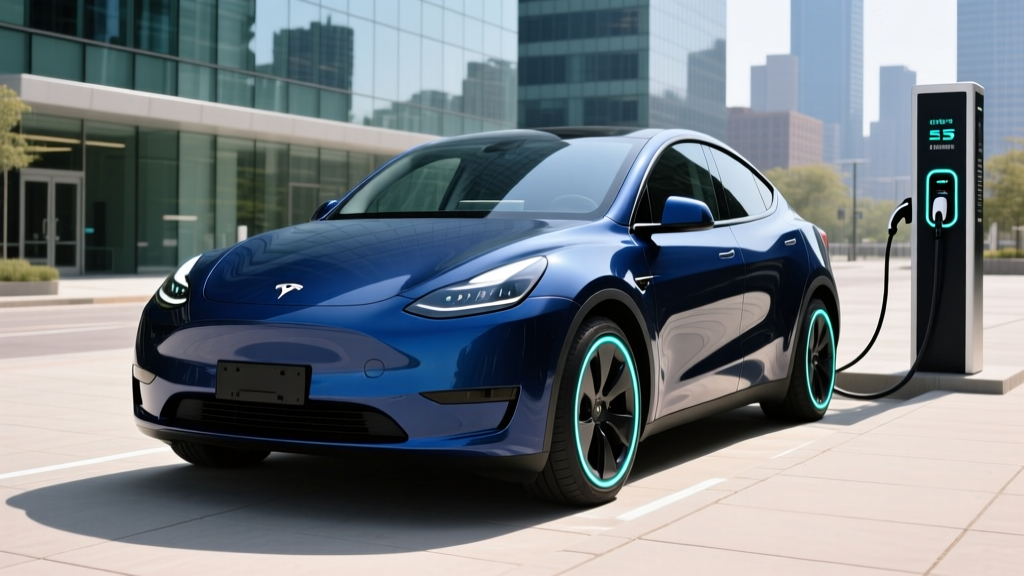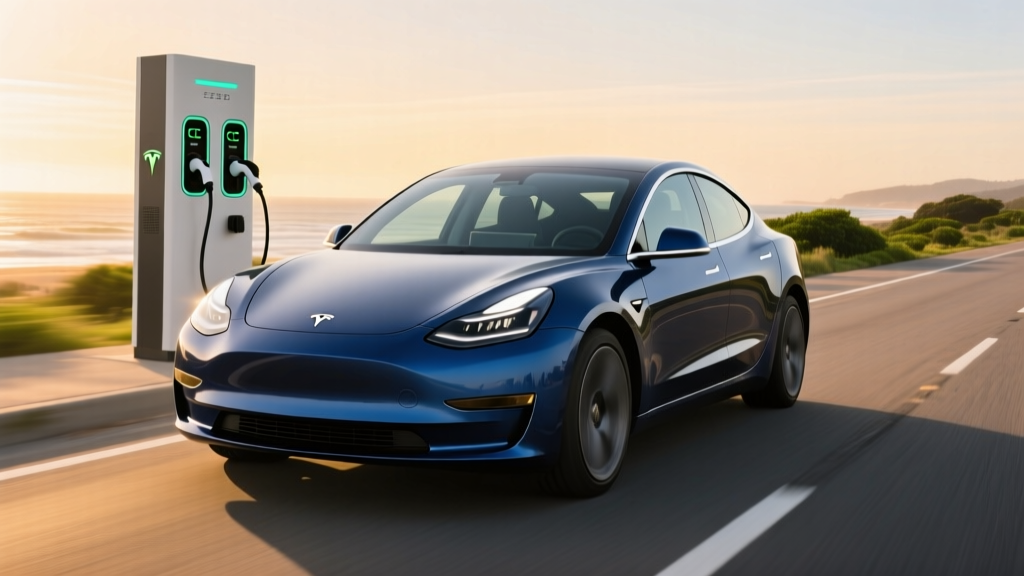
Range is the single most searched metric for any electric vehicle, and the Tesla Model 3 remains the benchmark compact EV sedan that buyers cross-shop against the Hyundai Ioniq 6, BMW i4, and Polestar 2. If you've typed "how many miles can the Tesla go" into a search bar, you deserve a precise answer — not a marketing sticker. The honest reply depends on the trim you pick, how you drive, and what the thermometer reads.
For the 2026 model year, Tesla sells the Model 3 in three core configurations: the Standard Range RWD, the Long Range AWD, and the performance-oriented Model 3 Performance. Each carries a different battery pack, motor count, and EPA rating. Below, we unpack the official numbers, reconcile them with real-world driving data, and walk through the charging, pricing, and ownership math that actually determines whether this EV fits your life.
2026 Tesla Model 3: Full Spec Snapshot
| Spec | Standard Range RWD | Long Range AWD | Performance |
|---|---|---|---|
| EPA Range | 272 mi | 341 mi | 315 mi |
| Battery (usable) | ~57.5 kWh (LFP) | ~75 kWh (NMC) | ~75 kWh (NMC) |
| Drivetrain | Rear-Wheel Drive | Dual-Motor AWD | Dual-Motor AWD |
| Horsepower | 271 hp | 346 hp | 510 hp |
| 0–60 mph | 5.8 sec | 4.2 sec | 2.9 sec |
| MPGe (combined) | 132 MPGe | 131 MPGe | 118 MPGe |
| Efficiency | 25 kWh/100mi | 25 kWh/100mi | 28 kWh/100mi |
| Peak DC Fast Charge | 170 kW | 250 kW | 250 kW |
| 10–80% DC Time | ~25 min | ~25 min | ~25 min |
| Level 2 (11.5 kW AC) | ~30 mi/hr | ~44 mi/hr | ~44 mi/hr |
| Base MSRP | $38,990 | $45,990 | $52,990 |
| Battery Warranty | 8 yr / 100,000 mi | 8 yr / 120,000 mi | 8 yr / 120,000 mi |
Real-World Range: What the EPA Number Doesn't Tell You
The Long Range AWD's 341-mile EPA estimate is among the highest of any EV under $50,000. But the EPA test cycle mixes low-speed city driving with mild highway loops. In sustained 75-mph highway testing, expect roughly 285–305 miles before the buffer runs out. In freezing weather (below 32°F), cabin heating and battery conditioning can knock range down another 15–25%, putting realistic winter highway range closer to 240–260 miles on the Long Range.
The Standard Range RWD's 272-mile EPA figure translates to about 225–240 highway miles in temperate conditions, and 190–210 in winter. For a daily commuter charging at home, that's still ample — but road-trippers will want the Long Range.
Tesla's thermal management system is among the best in the industry. The integrated heat pump (standard across all trims) recovers waste heat from the motors and battery to warm the cabin, which softens cold-weather losses compared to older EVs using resistive heaters. Preconditioning the battery while still plugged in — a feature triggered automatically when you navigate to a Supercharger — further preserves range and unlocks peak charging speed on arrival.
Charging Speed: Supercharger Network Advantage
| Charging Level | Power | Miles Added per Hour | Typical Use |
|---|---|---|---|
| Level 1 (120V household) | ~1.4 kW | ~4–5 mi/hr | Emergency / overnight trickle |
| Level 2 (240V home Wall Connector) | 11.5 kW | ~30–44 mi/hr | Daily home charging |
| DC Fast (V3 Supercharger) | Up to 250 kW | ~175 mi in 15 min | Road trips |
| DC Fast (V4 Supercharger) | Up to 250–350 kW* | Peak ~200 mi in 15 min | Newest corridor stations |
*V4 cabinet output varies by site; the Model 3's onboard architecture peaks around 250 kW on current trims.
The Model 3's charge curve is aggressive at low states of charge but tapers meaningfully past 60%. On a V3 Supercharger, the Long Range pulls its full 250 kW only between roughly 5% and 30% SoC, then steps down through the 150 kW and 100 kW tiers. That's why the 10–80% time of ~25 minutes is the honest metric to plan around — not the peak kW headline. Charging from 80% to 100% on DC can take nearly as long as the 10–80% session, so road-trippers should plan to hop between chargers at 80% rather than top off.
At home on a Tesla Wall Connector (up to 11.5 kW on a 60-amp circuit), a full overnight session adds roughly 300+ miles — enough to refill any trim completely. Most owners charging from a typical 30% daily low to 80% will finish in about 4 hours.
Tax Credit, Pricing, and What You'll Actually Pay
| Trim | Base MSRP | Est. As-Tested | Federal Credit (potential) | Effective Price |
|---|---|---|---|---|
| Standard Range RWD | $38,990 | $40,490 (w/ paint) | Up to $7,500 | ~$32,990 |
| Long Range AWD | $45,990 | $48,490 (w/ wheels/paint) | Up to $7,500 | ~$40,990 |
| Performance | $52,990 | $54,990 | Up to $7,500 | ~$47,490 |
The Model 3 qualifies for the IRS §30D clean vehicle credit — up to $7,500 — but eligibility hinges on three moving targets that change frequently:
- MSRP cap: Sedans must be at or below $55,000. All three Model 3 trims clear this threshold at base MSRP, but loaded Performance builds with high-end paint and wheels can cross it.
- Buyer income cap: Modified AGI must not exceed $150,000 (single), $225,000 (head of household), or $300,000 (joint).
- Battery sourcing: The $7,500 credit splits into two $3,750 halves — one for critical-minerals sourcing and one for battery-component manufacturing. Because of evolving FEOC (Foreign Entity of Concern) rules tied to Chinese supply chains, some configurations may only qualify for $3,750 in a given model year. Always verify the current status on the IRS and fueleconomy.gov pages before signing.
Since 2024, the credit can be transferred to the dealer at point of sale, reducing the purchase price on day one rather than waiting until tax filing. Tesla's checkout flow surfaces eligibility in real time.
Interior, Tech, and Daily Livability
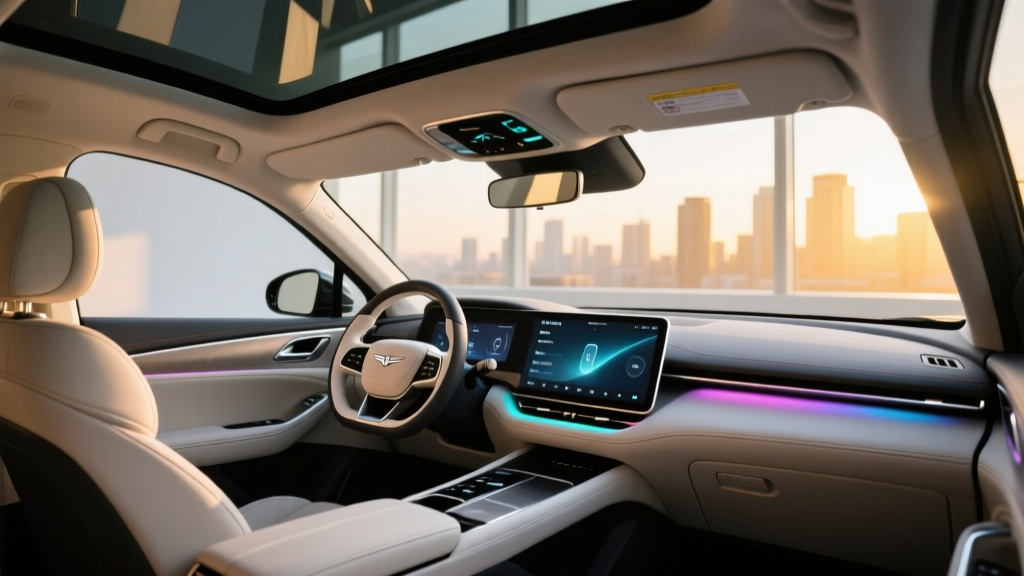
The Model 3 "Highland" refresh carries forward a minimalist cabin dominated by a 15.4-inch central touchscreen. Nearly every vehicle function — climate, mirrors, glovebox, wiper settings — lives in the UI, which some buyers adore and others find distracting. The 2026 model adds ventilated front seats, ambient lighting, power-folding mirrors, and acoustic glass across all trims, addressing the loudest complaints from the pre-refresh car.
Practical dimensions:
- Cargo: 23 cu ft trunk + ~3 cu ft frunk (total ~26 cu ft). That's generous for a compact sedan but trails the Model Y hatchback (76 cu ft max).
- Rear legroom: 35.2 inches — acceptable for adults under six feet, tight for long trips.
- Infotainment: Netflix, YouTube, and arcade-grade gaming while parked; no Apple CarPlay or Android Auto (a deal-breaker for some).
- Driver assist: Basic Autopilot is standard. Full Self-Driving (Supervised) is a $8,000 option or $99/month subscription — but it remains an SAE Level 2 system requiring constant driver attention, not autonomous driving.
Pros, Cons, and Who Should Buy the Model 3
Pros
- Best-in-class Supercharger network reliability (17,000+ U.S. stalls)
- Excellent efficiency — 25 kWh/100mi is among the lowest in the segment
- Over-the-air updates continuously add features
- Strong resale value vs. most EV competitors
- Heat pump standard for better winter range
Cons
- Touchscreen-only controls take adjustment
- No Apple CarPlay / Android Auto
- Rear visibility is compromised by the sloped roofline
- Ride can be firm on broken pavement (especially Performance trim)
- Insurance premiums run 15–25% above segment average
Best for: Solo drivers or couples with a daily commute under 80 miles and access to home charging; tech-forward buyers who want OTA updates and Supercharger access; road-trippers willing to plan around 25-minute charging stops.
Consider alternatives if: You regularly carry three adults in back (the Model Y or Ioniq 5 are roomier), you need CarPlay, or you live in an apartment without charging access and depend entirely on public infrastructure.
How It Stacks Up Against the Competition
Against the Hyundai Ioniq 6 (EPA 361 mi on the Long Range SE trim, MSRP ~$42,000), the Model 3 Long Range gives up a small range edge but wins on charging infrastructure, software polish, and historical reliability data. The BMW i4 eDrive40 (EPA 307 mi, ~$57,000) is more refined inside but far pricier. The Polestar 2 Long Range Single Motor (EPA 320 mi, ~$50,000) is a strong driver's car with CarPlay, but its 155-kW peak DC charging lags the Tesla meaningfully on road trips.
On total cost of ownership, the Model 3 Standard Range — after the $7,500 credit — undercuts nearly every rival on effective purchase price and remains the default answer in the under-$35,000 (after credit) EV sedan segment.
Frequently Asked Questions
How many miles can the Tesla Model 3 go on a full charge in the real world?
The 2026 Long Range AWD is EPA-rated at 341 miles. Expect 285–305 miles at sustained highway speeds in mild weather, and 240–260 miles in freezing conditions. The Standard Range RWD delivers roughly 225–240 real-world highway miles.
How fast does the Model 3 charge at home and on the road?
On a 240V Level 2 Wall Connector at 11.5 kW, it adds roughly 30–44 miles of range per hour — a full overnight charge covers any daily need. On a V3 Supercharger at up to 250 kW, the 10–80% session takes about 25 minutes, adding up to 175 miles in 15 minutes.
Does the 2026 Tesla Model 3 qualify for the $7,500 federal tax credit?
It can — but only if your income is under the §30D caps, the specific build stays under the $55,000 sedan MSRP ceiling, and the battery meets that year's critical-mineral and component-sourcing rules. Check IRS.gov and fueleconomy.gov before ordering, as the eligible amount can be $3,750 or $7,500 depending on current FEOC rules.
Is the Model 3 worth buying over the Model Y?
If cargo space and rear headroom matter, the Model Y wins (76 cu ft vs. ~26 cu ft). If you prioritize driving dynamics, efficiency, and a lower purchase price, the Model 3 is the sharper choice. Range and charging are comparable between Long Range versions of each.
How long will the Tesla Model 3 battery last?
Tesla warranties the Long Range and Performance batteries for 8 years or 120,000 miles (whichever comes first) with at least 70% capacity retention. The Standard Range LFP pack is warranted for 8 years / 100,000 miles. Real-world fleet data shows NMC packs typically retain 85–90% capacity at 100,000 miles when owners avoid frequent 100% charges. LFP chemistry, by contrast, tolerates regular 100% charges and tends to show less long-term degradation — a meaningful advantage for high-mileage commuters.
Is Tesla's Full Self-Driving actually self-driving?
No. FSD (Supervised) is an SAE Level 2 driver-assist system. You must keep your hands on the wheel and eyes on the road at all times. True driverless operation (Level 4) is currently offered only by robotaxi services like Waymo in geofenced cities — not in any consumer Tesla.
Bottom line: the question "how many miles can the Tesla go" has a real answer between 190 and 341 miles depending on trim, weather, and speed. For most buyers, the Long Range AWD at ~$41,000 after the federal credit is the sweet spot — offering enough real-world buffer for road trips while staying well under the luxury competition on price.