Quick Verdict: Should You Lease the Tesla Model 3 in 2026?
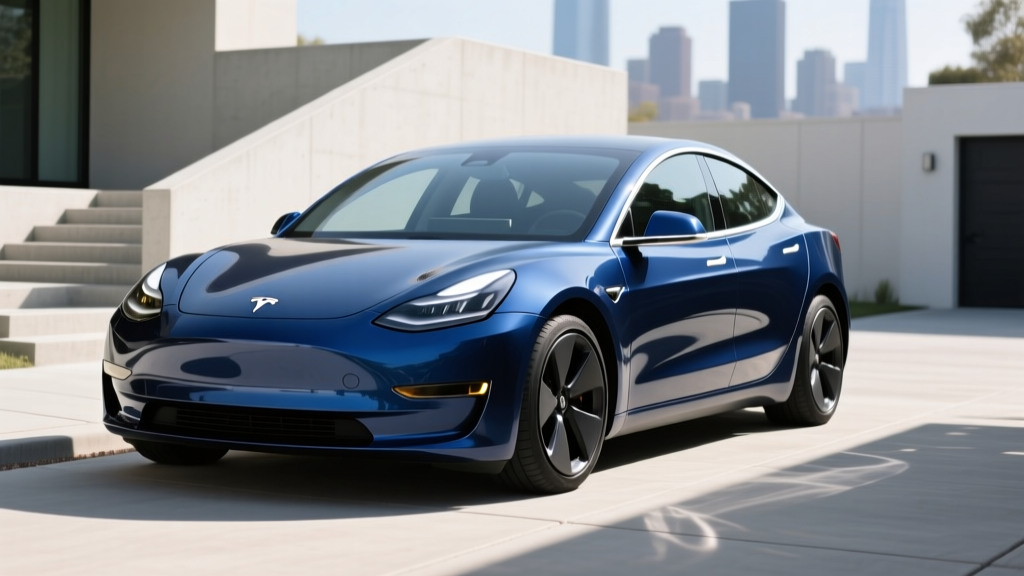
The refreshed Tesla Model 3 (codenamed "Highland") remains one of the most efficient electric sedans on the market, and leasing it in 2026 can be a smart way to access Tesla's Supercharger network, over-the-air updates, and strong resale-value protection without committing to long-term battery ownership risk. But the math depends heavily on your mileage, local incentives, and whether you qualify for the $7,500 federal EV tax credit under IRS §30D — which applies to purchases but has specific rules for leases under §45W (commercial credit passed through by the lessor).
This review breaks down every number you need: EPA range, real-world highway expectations, DC fast-charging curves, home Level 2 speeds, battery chemistry, warranty terms, and the buy-versus-lease decision framework. If you're searching for "Model 3 leasing" deals, this is the data-driven guide to evaluate offers against.
Tesla Model 3 Spec Table: 2026 Trims at a Glance
| Spec | Model 3 RWD | Model 3 Long Range AWD | Model 3 Performance |
|---|---|---|---|
| EPA Range | 272 mi | 341 mi | 315 mi |
| Battery (usable) | ~57.5 kWh (LFP) | ~75 kWh (NMC) | ~75 kWh (NMC) |
| Drivetrain | Rear-Wheel Drive | Dual-Motor AWD | Dual-Motor AWD |
| Horsepower | 271 hp | 346 hp | 510 hp |
| 0-60 mph | 5.8 sec | 4.2 sec | 2.9 sec |
| MPGe (combined) | 132 MPGe | 125 MPGe | 115 MPGe |
| Efficiency (kWh/100mi) | 25 kWh | 27 kWh | 29 kWh |
| Peak DC Charge | 170 kW | 250 kW | 250 kW |
| 10-80% DCFC Time | ~25 min | ~26 min | ~26 min |
| Level 2 Home Rate | 11.5 kW (~44 mi/hr) | 11.5 kW (~44 mi/hr) | 11.5 kW (~44 mi/hr) |
| Base MSRP | $38,990 | $47,740 | $52,990 |
| Cargo Volume | 23 cu ft (trunk + frunk combined) | ||
| Battery Warranty | 8 yr / 100,000 mi | 8 yr / 120,000 mi | |
Sources: EPA fueleconomy.gov, Tesla spec sheets. Prices exclude destination fee. Specs reflect current model year; confirm with dealer.
Range Reality: EPA Sticker vs. What You'll Actually Get
EPA Estimate: 341 miles
Real-World Highway (70 mph, 72°F): ~280–300 miles
Cold-Weather Highway (30°F, cabin heat): ~220–250 miles
City/Commuter (stop-and-go, regen-heavy): ~310–330 miles
The Model 3 Long Range's 341-mile EPA figure is legitimate for mixed driving, but highway speeds above 70 mph and cold temperatures are the two biggest range killers in any EV. The LFP battery in the RWD trim is more sensitive to cold (expect 20–30% range loss below freezing), while the NMC packs in Long Range and Performance trims handle temperature swings somewhat better thanks to Tesla's active thermal management and heat pump (standard on all trims).
For context, on a 250-mile road trip at 75 mph in 40°F weather, a Long Range Model 3 will arrive with roughly 15–20% State of Charge remaining — enough buffer for most drivers, but plan a 10-minute Supercharger stop if you're pushing 300+ miles.
Charging Speeds: DC Fast Charging and Home Level 2
| Charging Level | Power / Rate | Miles Added per Hour | Notes |
|---|---|---|---|
| Level 1 (120V outlet) | ~1.4 kW | ~5 mi/hr | Emergency/trickle only |
| Level 2 (240V, 48A) | 11.5 kW | ~44 mi/hr | Full overnight charge (~7–8 hrs for LR) |
| DC Fast Charge (RWD) | Peak 170 kW | ~750 mi/hr (peak) | 10-80% in ~25 min |
| DC Fast Charge (LR/Perf) | Peak 250 kW | ~1,000 mi/hr (peak) | 10-80% in ~26 min; tapers sharply above 80% |
| Tesla Supercharger V4 | Up to 250 kW | Varies | NACS connector native; no adapter needed |
Key insight for lease shoppers: The peak 250 kW figure applies only between roughly 10–30% State of Charge. The charging curve tapers progressively: expect ~150 kW by 50% SoC and ~75 kW by 70% SoC. This is normal for NMC lithium-ion chemistry and is managed by the vehicle's battery management system. The 10-80% time of ~26 minutes is realistic at a V3 or V4 Supercharger with battery preconditioning enabled (navigate to the charger in the Tesla app/car, and the car warms the battery en route).
At home on a Level 2 Wall Connector (48 amps, hardwired on a 60A circuit), you'll add roughly 44 miles of range per hour. A full overnight session from 20% to 90% takes about 7 hours — perfect for daily commuting. Note: Always have a licensed electrician assess your panel capacity; a 200-amp service panel is typically required for a 60A dedicated circuit.
Model 3 Leasing: Pricing, Tax Credits, and the Buy-vs-Lease Math
| Item | RWD | Long Range AWD | Performance |
|---|---|---|---|
| Base MSRP (excl. destination) | $38,990 | $47,740 | $52,990 |
| Destination Fee | $1,390 | $1,390 | $1,390 |
| As-Tested (w/ common options) | ~$41,500 | ~$49,800 | ~$55,000 |
| Federal §30D Credit (Purchase) | $7,500 (if eligible) | $7,500 (if eligible) | $7,500 (if eligible) |
| Effective Price After Credit | ~$34,000 | ~$42,300 | ~$47,500 |
Federal Tax Credit Rules (IRS §30D) — Key Caveats
- MSRP Cap: Sedans must be ≤$55,000 MSRP. All Model 3 trims qualify.
- Income Cap: Modified AGI ≤$150,000 (single), ≤$225,000 (head of household), ≤$300,000 (joint). Exceed these and you're ineligible for purchase credit.
- Battery Sourcing: Critical minerals and battery components must meet phased-in domestic/free-trade-partner thresholds per the Inflation Reduction Act. Tesla's US-built batteries currently satisfy these requirements, but always verify on the IRS eligible vehicles list before signing.
- Point-of-Sale Transfer: As of 2024+, you can transfer the credit to the dealer at purchase for an immediate price reduction (rather than waiting for tax filing).
Leasing vs. Buying: The §45W Loophole
When you lease a Model 3, the federal purchase credit (§30D) does not apply to you directly — the leasing company (lessor) technically owns the vehicle. However, under §45W (Commercial Clean Vehicle Credit), the lessor can claim the $7,500 credit and pass it through as a "lease cash" incentive, reducing your monthly payment or capitalized cost. Most major EV lease programs in 2026 do this, but always confirm the lease quote explicitly includes the pass-through credit — it's not automatic.
Sample Lease Math (Model 3 Long Range, 36 months, 10,000 mi/yr, 2026 estimate):
- Capitalized Cost (negotiated): ~$47,000
- Lease Cash / §45W Pass-Through: −$7,500
- Adjusted Cap Cost: ~$39,500
- Residual (est. 55%): ~$25,850
- Money Factor (est. 0.0025 / ~6% APR equivalent)
- Estimated Monthly Payment: ~$550–$620/mo (before state/local incentives, taxes, or fees)
Compare this to buying at ~$650–$750/mo on a 72-month loan at 6.5% APR (after the $7,500 credit). Leasing wins on monthly cash flow and eliminates battery-degradation risk; buying wins on total cost if you keep the car 5+ years and stay under the mileage limits.
Interior, Tech, and Daily Livability
The refreshed Model 3 interior is a significant step up from pre-2024 models. Tesla added ventilated front seats, ambient lighting, acoustic glass (noticeably quieter cabin at highway speed), rear-seat touchscreen for climate/media, and improved material quality. The minimalist aesthetic remains — no physical instrument cluster, everything routes through the 15.4-inch center touchscreen.
Space and Cargo
- Front Legroom: 42.7 inches
- Rear Legroom: 35.2 inches (adequate for adults under 6'0", but tighter than a Hyundai Ioniq 6)
- Trunk: 21 cu ft (rear cargo)
- Frunk: 2 cu ft (small — fits a charging cable bag or laptop)
- Total Cargo: 23 cu ft (with rear seats up)
Tech and Driver Assistance
Every Model 3 includes Tesla's basic Autopilot (SAE Level 2 — lane centering + adaptive cruise, driver must remain engaged and hands on wheel). Full Self-Driving (Supervised) is an optional $8,000 add-on or $99/month subscription. FSD handles city streets, stop signs, and highway lane changes, but remains a Level 2 system requiring constant supervision — it is not autonomous driving.
The 15.4-inch touchscreen runs Tesla's proprietary OS with native navigation, Spotify/Apple Music integration, Netflix/YouTube (while parked), and over-the-air updates that regularly add features. No Apple CarPlay or Android Auto — this is a dealbreaker for some lease shoppers who prefer phone-mirroring interfaces.
Pros, Cons, and Who the Model 3 Suits Best
- Best-in-class efficiency (25–29 kWh/100mi)
- Access to Tesla Supercharger network (18,000+ US stalls)
- Strong OTA update cadence — car improves over time
- Excellent safety ratings (NHTSA 5-Star, IIHS Top Safety Pick+)
- LFP battery (RWD) can be charged to 100% daily without degradation concern
- Low maintenance costs (no oil, minimal brake wear from regen)
- No Apple CarPlay / Android Auto
- Rear visibility is compromised (small rear window, no rear wiper)
- Rear seat legroom is tight vs. midsize competitors
- Turn-signal stalks removed (buttons on steering wheel — polarizing)
- Insurance premiums run 15–30% higher than comparable gas sedans
- Service center wait times can stretch weeks in some metros
Who Should Lease the Model 3?
- Daily commuters driving 30–80 miles round-trip with home charging access — the efficiency and Supercharger network are unbeatable for this use case.
- Tech-forward drivers who want OTA improvements and don't mind the screen-centric interface.
- Lease shoppers who want to avoid battery risk — leasing shields you from long-term degradation uncertainty and lets you upgrade in 3 years.
Who Should Look Elsewhere?
- Families needing rear-seat space — the Model Y or Hyundai Ioniq 5 offer more rear headroom and cargo flexibility.
- CarPlay loyalists — if phone mirroring is non-negotiable, consider the BMW i4 or Hyundai Ioniq 6.
- High-mileage drivers (20,000+ mi/yr) — lease mileage penalties add up fast; buying may be cheaper.
Competitor Check: Model 3 vs. Key Alternatives
| Spec | Tesla Model 3 LR | Hyundai Ioniq 6 SEL | BMW i4 eDrive40 |
|---|---|---|---|
| EPA Range | 341 mi | 305 mi | 301 mi |
| MSRP | $47,740 | $42,500 | $57,000 |
| Peak DCFC | 250 kW | 240 kW | 205 kW |
| 10-80% DCFC | ~26 min | ~18 min | ~31 min |
| CarPlay | No | Yes (wireless) | Yes (wireless) |
| Rear Legroom | 35.2 in | 35.7 in | 34.4 in |
| §30D Credit | $7,500 | $7,500 | $7,500 |
The Ioniq 6 charges faster (18-min 10-80% thanks to its 800V architecture) and costs less, but sacrifices range and Supercharger access. The BMW i4 is a premium driving experience but priced into Model 3 Performance territory. For pure efficiency-per-dollar and charging infrastructure, the Model 3 Long Range still leads the segment.
Frequently Asked Questions: Model 3 Leasing
What is the real-world range of the Tesla Model 3?
The Long Range AWD achieves an EPA-estimated 341 miles, but expect ~280–300 miles at sustained highway speeds (70+ mph) in moderate temperatures, and ~220–250 miles in cold weather (below 35°F) due to battery resistance and cabin heating demand. The RWD trim (272 mi EPA) realistically delivers ~220–240 miles highway.
How fast does the Model 3 charge at home and on road trips?
At home on Level 2 (240V, 48A), the Model 3 charges at 11.5 kW, adding ~44 miles of range per hour — a full charge overnight. On DC fast chargers, the Long Range and Performance trims peak at 250 kW, achieving 10-80% in ~26 minutes at a Tesla Supercharger V3/V4 with preconditioning. The RWD peaks at 170 kW (~25 min, 10-80%).
Does the Model 3 qualify for the $7,500 federal EV tax credit?
Yes — all Model 3 trims are assembled in the US with battery components that currently meet IRS §30D sourcing requirements. However, eligibility depends on your income (≤$150K single / ≤$300K joint), and the MSRP must be ≤$55,000 for sedans (all trims qualify). For leases, the lessor claims the §45W commercial credit and may pass savings to you — confirm this in your lease agreement.
Is leasing the Model 3 better than buying in 2026?
Leasing makes sense if you drive under 12,000–15,000 miles/year, want lower monthly payments, and prefer to upgrade every 3 years without worrying about battery degradation or resale value. Buying makes more sense if you drive high mileage, plan to keep the car 5+ years, and qualify for the §30D credit at purchase. Run the numbers: leasing typically saves $100–$200/month but costs more over a 6-year horizon.
What's the biggest risk of leasing an EV like the Model 3?
Lease-end disposition fees and excess mileage charges (typically $0.20–$0.25/mile over the limit) are the main risks. Also, EV resale values have been volatile — if market values drop below the lease residual, you walk away unscathed (the lessor absorbs the loss), which is actually a leasing advantage in uncertain markets. However, you cannot claim the §30D purchase credit directly, and you don't build equity.
What battery warranty does Tesla offer on the Model 3?
The RWD (LFP battery) carries an 8-year/100,000-mile battery and drive unit warranty. Long Range and Performance (NMC batteries) are covered for 8 years/120,000 miles. Tesla warrants that the battery will retain at least 70% of its original capacity during the warranty period. If you lease for 36 months, you'll be well within this coverage window.