Quick Answer: Are There Land Rover Electric Cars?
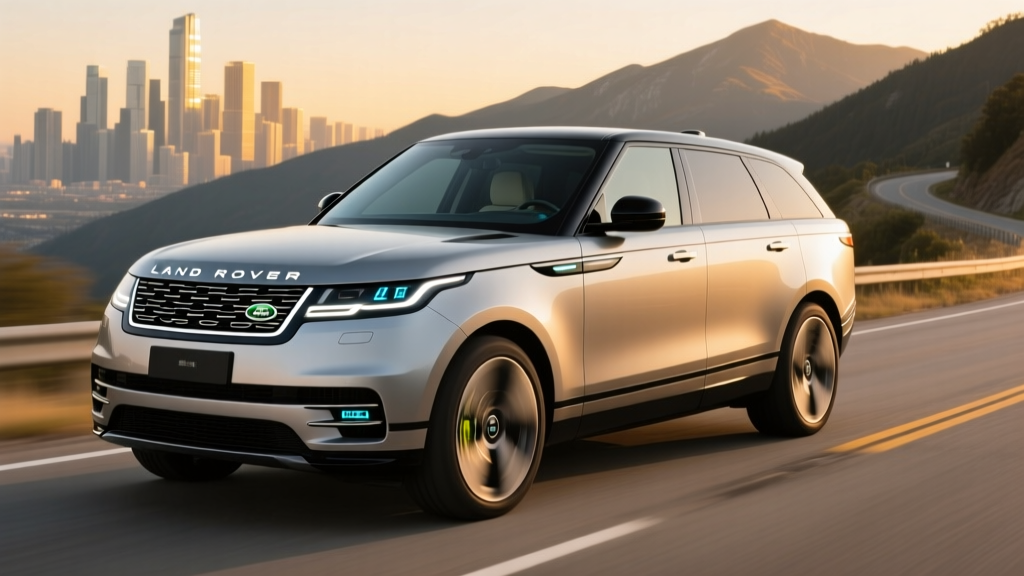
As of early 2026, Land Rover has one announced battery-electric model: the Range Rover Electric, built on JLR's new Modular Longitudinal Architecture (MLA). It is expected to feature an 800-volt architecture, an estimated EPA range near 300 miles, and DC fast charging up to approximately 250 kW. Pricing is anticipated to start above $120,000. Other Land Rover models (Defender, Discovery, Range Rover Sport) currently offer mild-hybrid (MHEV) or plug-in hybrid (PHEV) powertrains but are not yet available as full battery-electric vehicles (BEVs).
For decades, Land Rover has been synonymous with luxurious off-road SUVs powered by large-displacement engines. That identity is shifting. JLR (formerly Jaguar Land Rover) has committed to an electrified future under its "Reimagine" strategy, with the Range Rover Electric serving as the brand's first fully battery-electric vehicle. But for buyers researching Land Rover electric cars, the landscape in 2026 is a mix of announced models, available hybrids, and important ownership realities that go well beyond the brochure.
This guide covers what's actually available, what's coming, the real costs of ownership, and how Land Rover's electrified lineup stacks up against gas-only alternatives and competitors like the BMW iX, Mercedes-Benz EQS SUV, and Tesla Model X.
The Range Rover Electric: What We Know for 2026
The Range Rover Electric is the headline act for Land Rover's EV ambitions. Built on the MLA platform — which also underpins the current-generation Range Rover and Range Rover Sport — it promises to deliver the brand's signature luxury, wading depth, and off-road capability without a combustion engine.
| Specification | Estimated / Confirmed |
|---|---|
| Platform | MLA (Modular Longitudinal Architecture) |
| Architecture | 800-volt |
| Battery Capacity | ~110–120 kWh usable (estimated) |
| Battery Chemistry | NMC (Nickel Manganese Cobalt) — expected |
| EPA Range | ~300 miles (estimated; final EPA not published) |
| Peak DC Fast Charging | ~250 kW |
| 10–80% Charge Time | ~25–30 minutes (estimated) |
| Level 2 AC Charging | ~11–22 kW onboard |
| Drivetrain | Dual-motor AWD |
| 0–60 mph | ~4.5 seconds (estimated) |
| Towing Capacity | Up to ~7,500 lbs (target) |
| Starting MSRP | ~$120,000+ (estimated) |
| Availability | Announced; deliveries expected late 2025/2026 |
Real-World Range Reality: The estimated 300-mile EPA target is a best-case laboratory figure. Expect approximately 240–270 miles in mixed highway driving at 70+ mph, and potentially 200–230 miles in cold weather (below freezing) due to battery chemistry limitations and cabin heating loads. Towing will significantly reduce range — expect a 30–50% reduction depending on trailer weight and terrain.
The 800-volt architecture is a meaningful specification. Vehicles using 800V systems (like the Hyundai Ioniq 5, Kia EV6, and Porsche Taycan) can accept higher charge rates with less heat buildup, translating to faster 10–80% charging sessions. However, peak charge rates of 250 kW are typically sustained only up to approximately 40–50% State of Charge (SoC), after which the charge curve tapers to protect battery health. A realistic average charging rate over a 10–80% session is closer to 170–190 kW.
Land Rover's Current Electrified Lineup: PHEVs and MHEVs
If you need a new Land Rover today with some level of electrification, plug-in hybrid and mild-hybrid models are your options. These are not full EVs, but they bridge the gap for buyers who want electric-only commuting without range anxiety on longer trips.
| Model | Powertrain | Electric-Only Range (PHEV) | Combined MPGe/MPG | Starting MSRP |
|---|---|---|---|---|
| Range Rover P550e | PHEV (I6 + electric motor) | ~48 miles EPA | ~21 MPG (gas-only) | ~$115,000 |
| Range Rover Sport PHEV | PHEV (I6 + electric motor) | ~44 miles EPA | ~20 MPG (gas-only) | ~$90,000 |
| Defender P400 | MHEV (I6 + 48V system) | N/A (no EV mode) | ~19 MPG combined | ~$60,000 |
| Discovery P360 | MHEV (I6 + 48V system) | N/A | ~20 MPG combined | ~$65,000 |
The PHEV models use a ~23 kWh battery pack (usable capacity is smaller due to buffer) and a 105 kW electric motor integrated into the transmission. The 48-mile electric-only range on the Range Rover P550e is legitimate for daily commuting — most Americans drive fewer than 40 miles per day according to FHWA data. Once the battery depletes, the inline-six gasoline engine takes over, and efficiency drops to roughly 21 MPG combined, which is comparable to the non-hybrid Range Rover.
The MHEV (mild hybrid) models use a 48-volt system that recovers energy during braking and assists the engine during acceleration. There is no electric-only driving mode. The efficiency gains are modest — typically 1–2 MPG over a non-hybrid equivalent — but the system is seamless and requires no behavioral change from the driver.
Cost of Ownership: Range Rover Electric vs. Gas Range Rover
The sticker price of a Land Rover is only the beginning. Total cost of ownership (TCO) over five years reveals where electrification can — and can't — save money in the luxury SUV segment.
| Cost Category | Range Rover Electric (est.) | Range Rover P550e (PHEV) | Range Rover P400 (Gas MHEV) |
|---|---|---|---|
| Purchase Price (base) | $120,000 | $115,000 | $107,000 |
| Federal Tax Credit (§30D) | Up to $7,500* | Up to $7,500* | $0 |
| Fuel/Energy (5 yrs, 15k mi/yr) | ~$5,200 | ~$7,800 (mixed EV/gas) | ~$14,500 |
| Maintenance (5 yrs) | ~$2,800 | ~$5,500 | ~$6,200 |
| Insurance (5 yrs avg) | ~$18,000 | ~$16,500 | ~$15,500 |
| Estimated Depreciation | ~$54,000 | ~$52,000 | ~$50,000 |
| 5-Year Total (est.) | ~$92,000 | ~$94,800 | ~$93,200 |
*Federal tax credit eligibility under IRS §30D depends on MSRP caps ($80,000 for SUVs), buyer income limits ($300K joint / $150K single), battery critical-mineral sourcing, and North American final assembly. The Range Rover Electric's MSRP may exceed the SUV cap, potentially disqualifying it. The PHEV models may qualify if pricing falls within limits. Consult a tax professional before relying on credit eligibility.
Key takeaways from the cost analysis:
- Energy savings are real. Charging the Range Rover Electric at home (national average ~$0.16/kWh) costs roughly $0.045 per mile versus $0.19 per mile for premium gasoline in the MHEV model. Over 75,000 miles, that's approximately $9,300 in fuel savings.
- Maintenance favors the EV. No oil changes, no spark plugs, no transmission fluid, and regenerative braking reduces brake pad wear. However, Land Rover's luxury-tier service pricing means savings are smaller in absolute terms than with mainstream EVs.
- Insurance is higher for the EV. Luxury EVs carry higher repair costs (specialized high-voltage training, aluminum body panels, sensor calibration), and insurers price this in. Expect 10–20% higher premiums over the gas equivalent.
- Depreciation is the wildcard. Luxury SUVs depreciate heavily regardless of powertrain. The Range Rover Electric may hold value better if demand outstrips supply, or worse if early reliability concerns emerge or if competing EVs undercut it on price.
Home Charging and Infrastructure: What Buyers Need
Owning any electric vehicle — especially a luxury model with a large battery — is fundamentally different from owning a gas car when it comes to "refueling." Here's what prospective Land Rover EV buyers must evaluate:
Level 2 Home Charging Is Essential
With an estimated 110–120 kWh battery, charging the Range Rover Electric on a standard 120V household outlet (Level 1, ~1.4 kW) would take over 80 hours from empty. That's impractical. A Level 2 home charger (240V, 48-amp circuit delivering ~11.5 kW) is the minimum viable setup, requiring roughly 10–11 hours for a full charge — suitable for overnight replenishment.
If the vehicle supports 22 kW AC charging (three-phase, available in some markets), a full charge drops to approximately 5–6 hours, but this requires a commercial-grade electrical installation uncommon in US residences.
| Item | Cost Range |
|---|---|
| Level 2 Charger Unit (48A, hardwired) | $500–$800 |
| Electrician Labor (standard install, 50-ft run) | $800–$2,000 |
| Electrical Permit | $50–$200 |
| Panel Upgrade (if needed: 100A → 200A) | $1,500–$4,000 |
| Total (no panel upgrade) | $1,350–$3,000 |
| Total (with panel upgrade) | $2,850–$7,000 |
Always hire a licensed electrician for the final specification. Homes built before 2000 with 100-amp service panels may need an upgrade to accommodate a 48-amp EV circuit alongside existing loads like HVAC and electric ovens.
Public DC Fast Charging on Road Trips
At 250 kW peak, the Range Rover Electric can add roughly 150–180 miles of range in 15 minutes at a compatible DC fast charger. However, the US public charging network remains inconsistent. Networks like Electrify America, EVgo, and Tesla Supercharger (now open to NACS-equipped non-Tesla vehicles) vary in uptime and actual delivered power. In rural areas and parts of the Mountain West, DC fast charging remains sparse — a real consideration for Land Rover buyers who use their SUVs for adventure travel.
How Land Rover EVs Compare to Competitors
The luxury electric SUV segment is competitive. Here's how the Range Rover Electric stacks up against key rivals on paper:
| Spec | Range Rover Electric (est.) | BMW iX xDrive50 | Mercedes EQS 580 SUV | Tesla Model X Plaid |
|---|---|---|---|---|
| EPA Range | ~300 mi | 324 mi | 305 mi | 326 mi |
| Battery (usable) | ~115 kWh | 105.2 kWh | 108.4 kWh | 100 kWh |
| Peak DC Charge | ~250 kW | 200 kW | 200 kW | 250 kW |
| 10–80% Charge | ~28 min | ~35 min | ~31 min | ~25 min |
| 0–60 mph | ~4.5 sec | 4.4 sec | 4.4 sec | 2.5 sec |
| Starting MSRP | ~$120,000 | ~$87,250 | ~$110,550 | ~$94,990 |
| Off-Road Capability | Excellent (Terrain Response) | Limited | Limited | Limited |
| Towing | ~7,500 lbs | 3,500 lbs | 3,500 lbs | 5,000 lbs |
The Range Rover Electric's differentiators are clear: genuine off-road capability (Land Rover's Terrain Response system, air suspension with significant ground clearance, and the brand's legendary wading depth) and towing capacity that dwarfs its competitors. If you need an electric SUV that can handle a horse trailer to a trailhead or ford a stream, there is currently no substitute.
The trade-off is price. The BMW iX delivers comparable luxury, more EPA range, and faster real-world charging at roughly $30,000 less. The Tesla Model X offers unmatched performance and Supercharger network access at a significant discount, though its interior quality and build consistency lag behind Land Rover's standards.
Common Misconceptions About Land Rover Electric Cars
| Myth | Fact |
|---|---|
| "Land Rover doesn't make electric cars." | The Range Rover Electric is announced and entering production. PHEV models are available now across the lineup. |
| "EVs can't handle off-road driving." | Electric motors deliver instant torque at zero RPM — ideal for low-speed rock crawling. The Range Rover Electric targets the same off-road credentials as its gas sibling. |
| "I'll get the full $7,500 tax credit." | §30D eligibility depends on MSRP caps, income limits, battery sourcing, and final assembly location. The Range Rover Electric's price may exceed the $80,000 SUV cap. Always verify with a tax professional and the IRS clean vehicle credits page. |
| "The battery will need replacing in a few years." | JLR's battery warranty is expected to cover 8 years/100,000 miles with a capacity retention threshold (typically 70%). Modern NMC batteries degrade approximately 2–3% per year under normal use, meaning 80–85% capacity after 5 years is typical. |
| "Charging takes too long for road trips." | At 250 kW, 10–80% takes roughly 28 minutes — comparable to a rest stop. However, charging speed tapers above 80%, and charger availability varies by region. |
Decision Framework: Should You Buy a Land Rover Electric Car?
Choose the Range Rover Electric (or wait for it) if:
- You need a genuine luxury electric SUV with serious off-road and towing capability
- You have reliable Level 2 home charging (garage or dedicated outdoor circuit)
- Your daily driving is under 250 miles and road trips are occasional
- Budget allows $120K+ and you value brand prestige and interior craftsmanship over spec-sheet value
- You live in a region with reasonable DC fast charging infrastructure
Choose a Range Rover PHEV (P550e or Sport PHEV) if:
- You want electric-only commuting (~40–48 miles) but need gas-engine flexibility for long trips or towing
- You don't have reliable home charging access and need the flexibility of gas stations
- You want the Range Rover experience now rather than waiting for EV availability
- You frequently drive in remote areas where public charging is sparse
Choose a competitor (BMW iX, Tesla Model X, Rivian R1S) if:
- Budget is a primary concern — the BMW iX offers similar luxury at $30K+ less
- You need proven, long-term EV reliability data (Land Rover's EV track record is new)
- You want access to the Tesla Supercharger network without adapters (Model X)
- You need three-row seating (Rivian R1S) or maximum cargo space
What First-Time EV Buyers Should Know
Before ordering any Land Rover EV or PHEV, evaluate these five items:
- Home charging access: Do you own or control a parking spot with access to a 240V circuit? If you live in an apartment or condo without charging, EV ownership becomes significantly harder.
- Electrical panel capacity: A 48-amp Level 2 charger draws ~57 amps continuously (125% NEC rule = 60A breaker). If your panel is near capacity, a $2,000–$4,000 upgrade may be needed.
- Climate impact on range: If you live in a region with sustained sub-freezing winters, budget 20–30% range loss. Preconditioning the battery while plugged in mitigates this but requires planning.
- Tax credit reality: Don't anchor your purchase decision on a $7,500 credit you may not receive. Verify eligibility against current IRS §30D requirements including income caps, MSRP limits, and battery sourcing rules.
- Insurance quotes: Get actual quotes before purchasing. Luxury EV insurance can be 15–25% higher than equivalent gas models.
Frequently Asked Questions
When will the Range Rover Electric be available to buy?
JLR has confirmed the Range Rover Electric is in production, with initial deliveries beginning in select markets. US availability and final EPA certification figures are expected through 2026. Exact timing depends on market allocation and homologation.
Will there be an electric Land Rover Defender?
JLR has signaled that the Defender will eventually receive a battery-electric variant, likely later in the decade. For now, the Defender is available with mild-hybrid (MHEV) inline-six powertrains. No official timeline or specs have been published for a Defender EV as of early 2026.
How much does it cost to charge a Range Rover Electric at home?
With an estimated 115 kWh battery and the US national average electricity rate of ~$0.16/kWh, a full charge costs approximately $18.40. That translates to roughly $0.061 per mile at 300 miles of range — compared to $0.19–$0.22 per mile for a gas Range Rover requiring premium fuel at $4.20/gallon and 19 MPG.
Does the Range Rover Electric qualify for the federal EV tax credit?
Likely not. The IRS §30D clean vehicle credit caps eligible SUVs at $80,000 MSRP, and the Range Rover Electric is expected to start well above $120,000. Additionally, buyer income limits ($300K joint, $150K single), battery critical-mineral sourcing requirements, and North American final assembly rules all apply. Always consult a tax professional for your specific situation.
Can the Range Rover Electric tow as much as the gas version?
JLR targets a towing capacity of approximately 7,500 pounds for the Range Rover Electric, matching or approaching the gas Range Rover's rating. However, towing significantly reduces EV range — expect a 30–50% reduction depending on trailer weight, speed, and terrain. A 300-mile range SUV towing a 5,000-lb trailer may deliver only 170–200 miles between charges.
Is the Range Rover PHEV a better choice than the full EV?
It depends on your use case. The PHEV offers ~48 miles of electric-only range for daily commuting with a gas engine for long trips and towing — no range anxiety. The full EV has lower per-mile energy costs, less maintenance, and a quieter driving experience, but requires reliable charging access and trip planning for longer journeys. If you regularly drive 200+ miles in a day or tow frequently, the PHEV is the more practical choice today.
What is Land Rover's battery warranty?
JLR's PHEV battery warranty currently covers 8 years or 100,000 miles (whichever comes first) with a capacity retention guarantee. The Range Rover Electric's battery warranty is expected to follow a similar structure, typically guaranteeing 70% or greater capacity retention over the warranty period. Final terms will be confirmed at launch.
Sources: JLR Official, IRS Clean Vehicle Credits, EPA Fuel Economy. Specifications for the Range Rover Electric are estimates based on manufacturer announcements and industry analysis; final EPA-certified figures may differ. Verify all pricing, availability, and tax credit eligibility before purchasing.