Verdict: Is a Tesla Model 3 Lease the Smartest Way Into a Premium EV?
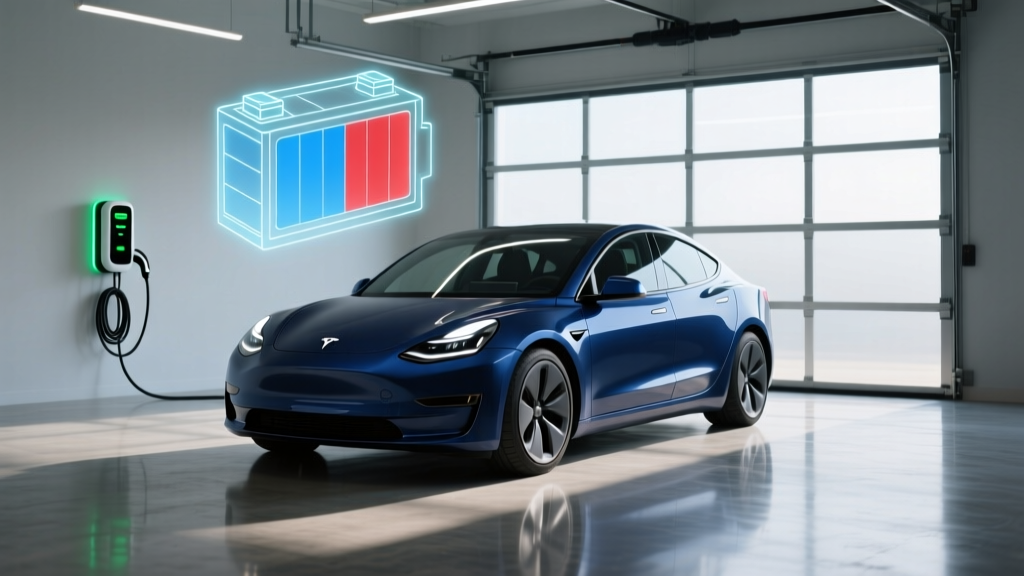
The Tesla Model 3 remains the benchmark compact electric sedan in 2026, offering class-leading efficiency, access to the Supercharger network, and continuous over-the-air improvements. For buyers weighing Tesla Model 3 lease specials against an outright purchase, the math hinges on three variables: the $7,500 federal tax credit (which Tesla typically captures and passes through as a lease discount), rapid EV depreciation curves, and your annual mileage. A lease shields you from residual-value risk in a market where competing sedans like the Hyundai Ioniq 6 and BMW i4 are aggressively undercutting Tesla on price. But if you drive under 12,000 miles annually and plan to keep the car beyond four years, purchasing with the point-of-sale §30D credit often nets a lower total cost.
2026 Tesla Model 3 Specifications at a Glance
| Spec | Model 3 RWD | Model 3 Long Range AWD | Model 3 Performance |
|---|---|---|---|
| Base MSRP | $38,990 | $45,490 | $52,990 |
| EPA Range | 272 mi | 341 mi | 315 mi |
| Battery (usable) | ~57.5 kWh (LFP) | ~79 kWh (NMC) | ~79 kWh (NMC) |
| Drivetrain | RWD, single motor | AWD, dual motor | AWD, dual motor |
| Horsepower | 271 hp | 346 hp | 510 hp |
| 0–60 mph | 5.8 s | 4.2 s | 2.9 s |
| MPGe (combined) | 132 MPGe | 125 MPGe | 118 MPGe |
| Efficiency | 25 kWh/100 mi | 27 kWh/100 mi | 29 kWh/100 mi |
| Max DC Charge | 170 kW | 250 kW | 250 kW |
| 10–80% DC Time | ~25 min | ~25 min | ~25 min |
| Battery Warranty | 8 yr / 100,000 mi | 8 yr / 120,000 mi | 8 yr / 120,000 mi |
Source: fueleconomy.gov and Tesla specifications. Prices exclude $1,390 destination fee.
Real-World Range: What the EPA Sticker Doesn't Tell You
EPA Estimate: 272 mi (RWD) / 341 mi (Long Range) / 315 mi (Performance)
Real-World Expectation: Plan on ~240–250 mi highway in the RWD and ~300–310 mi in the Long Range at 70 mph in moderate temperatures. In freezing weather (below 32°F), expect a 20–30% reduction — the Long Range drops to roughly 220–240 mi on a full charge. City driving with regenerative braking recovers range, often exceeding EPA figures in stop-and-go traffic.
The Model 3 Long Range's 341-mile EPA rating is among the highest of any mainstream EV sedan, but highway efficiency at 75+ mph is where physics catches up. The heat pump standard on all 2026 trims mitigates cold-weather losses better than the outgoing resistance heater, though preconditioning the battery while plugged in remains essential to preserve range in sub-freezing climates. LFP-equipped RWD models also tolerate routine 100% charging better than NMC variants, effectively giving you the full 272 miles daily — whereas Long Range and Performance trims benefit from an 80% daily charge limit for battery longevity, yielding ~270 usable miles.
Charging Speed and Infrastructure
| Charging Level | Power / Voltage | Miles of Range Added |
|---|---|---|
| Level 1 (120V household) | ~1.4 kW | ~3–5 mi / hour |
| Level 2 (240V home / public) | 11.5 kW (48A) | ~35–44 mi / hour |
| DC Fast (V3 Supercharger) | Up to 250 kW | ~175 mi in 15 min (Long Range) |
| DC Fast (V4 Supercharger) | Up to 350 kW (vehicle-limited to 250 kW) | Same as V3 for Model 3 |
Tesla's Supercharger network is the strongest ownership advantage in 2026, with over 6,500 U.S. stations and near-universal uptime. The Model 3 uses the NACS connector natively, so no adapter is needed at Tesla stalls. While CCS-equipped competitors can now access Superchargers via a Magic Dock or OEM adapter, Tesla owners still enjoy the most seamless plug-and-charge experience. Home charging on a Wall Connector at 48 amps adds roughly 44 miles of range per hour — an overnight session fully replenishes any daily commute. Note: the Model 3's 250 kW peak only sustains briefly up to ~40% SoC, then tapers to ~120 kW by 60% and ~60 kW above 80%. The 10–80% time of ~25 minutes is realistic, but 80–100% adds another 20+ minutes.
Tesla Model 3 Lease Specials vs. Buying: The 2026 Math
Tesla does not advertise traditional "lease specials" the way legacy automakers do through dealer networks. Instead, Tesla periodically offers lease loyalty incentives, below-market money factors, or residual adjustments that effectively reduce monthly payments. As of early 2026, typical lease structures look like this:
| Scenario | Model 3 RWD | Model 3 Long Range |
|---|---|---|
| Base MSRP | $38,990 | $45,490 |
| Federal §30D Credit (if purchased) | −$7,500 | −$7,500 |
| Effective Purchase Price | $31,490 | $37,990 |
| Typical 36-mo Lease (10k mi/yr, $0 down) | ~$449/mo | ~$529/mo |
| Lease with $3,999 Down | ~$329/mo | ~$399/mo |
Why lease? Tesla's captive leasing arm often applies the $7,500 federal credit as a capitalized-cost reduction, effectively giving you the incentive even though the leasing company technically claims it. This can make leasing competitive with buying — especially since EV residual values have been volatile. A 2024–2025 price war compressed used Model 3 values, meaning lessees are insulated if residuals fall further.
Why buy? If you qualify for the full §30D credit (see eligibility below), the point-of-sale transfer at purchase brings a Long Range Model 3 down to ~$37,990 — hard to beat for a 341-mile AWD sedan. You also avoid lease mileage penalties (typically $0.20–$0.25/mile over the limit) and can claim state rebates directly.
Federal Tax Credit Eligibility (§30D Rules for 2026)
- MSRP Cap: Sedans must be under $55,000 — all Model 3 trims qualify.
- Buyer Income Cap (MAGI): $150,000 single / $225,000 head of household / $300,000 joint filers.
- Battery Sourcing: Both critical-minerals and battery-component thresholds must be met for the full $7,500. Tesla's U.S. and allied-source supply chain currently qualifies all Model 3 trims, but always verify at the point of sale via the IRS clean vehicle report.
- Point-of-Sale Transfer: You can transfer the credit to Tesla at purchase for an immediate price reduction, or claim it on your tax return.
- Lease Loophole: Under §45W (commercial clean vehicle credit), the leasing entity claims the credit and can pass savings via a lower money factor or cap-cost reduction. Confirm the discount is reflected in your lease terms.
Source: IRS.gov §30D. Rules subject to change — consult a tax professional.
Interior, Cargo, and Technology
The refreshed "Highland" interior carries into 2026 with ventilated front seats, ambient lighting, acoustic glass, and rear-seat ventilation. Cargo space measures 23 cu ft total (trunk + front trunk/frunk), with the frunk offering ~3.1 cu ft for charging cables or a small bag. Rear legroom is 35.2 inches — adequate for adults on shorter trips but tighter than a Hyundai Ioniq 6 (37.0 in) or BMW i4 (36.5 in).
The 15.4-inch center touchscreen runs all vehicle controls — no physical stalks or buttons for turn signals (they're on the steering wheel) or gear selection (swipe-based with a backup overhead panel). This minimalism polarizes buyers. Tech highlights include:
- Autopilot (standard): SAE Level 2 adaptive cruise + lane-keeping. Driver must remain engaged.
- FSD Supervised (optional, $8,000 or $99/mo): SAE Level 2 with automatic lane changes, traffic-light recognition, and Navigate on Autopilot. Still requires active supervision — not self-driving.
- Infotainment: Netflix, YouTube, Spotify, and gaming while parked; no Apple CarPlay or Android Auto.
- Sentry Mode / Dashcam: Continuous 360° recording when parked or driving.
Pros and Cons
Pros
- Class-leading efficiency (25 kWh/100 mi RWD)
- Supercharger network access with native NACS
- Strong real-world range, especially Long Range AWD
- Over-the-air updates add features post-purchase
- Lowest total cost of ownership in the segment (per Consumer Reports)
- IIHS Top Safety Pick+ and 5-star NHTSA ratings
Cons
- No Apple CarPlay / Android Auto
- Touchscreen-only controls (no physical buttons or stalks)
- Tight rear legroom vs. rivals
- FSD remains SAE Level 2 despite the name
- Insurance costs ~20–30% higher than segment average
- Build-quality variability still reported at some factories
Who Should Lease (or Buy) the Model 3 in 2026?
Choose the Model 3 if: You prioritize efficiency, range, and Supercharger access; commute 30–80 miles daily with home Level 2 charging; and want a tech-forward sedan with strong safety ratings.
Look at competitors if: You need more rear-seat space (Ioniq 6, BMW i4), prefer traditional controls and Apple CarPlay (Hyundai, Kia), want a luxury badge (BMW i4, Mercedes EQB), or need to tow (Model Y, Ioniq 5).
For lessees specifically, the Model 3 makes the most sense when Tesla offers below-market money factors or loyalty incentives — typically advertised on Tesla's website rather than third-party lease aggregators. Check Tesla.com/leases and compare the effective monthly cost against the purchase price minus the §30D credit. If the lease-equivalent APR exceeds 5–6%, buying with the point-of-sale credit usually wins.
Frequently Asked Questions
Does the Tesla Model 3 qualify for the full $7,500 federal tax credit in 2026?
Yes, all Model 3 trims currently qualify for the full $7,500 under IRS §30D, provided the buyer meets income caps ($150k single / $300k joint) and the vehicle's battery sourcing continues to meet critical-mineral and component thresholds. Verify at point of sale — rules can shift with supply-chain changes.
What is the real-world range of the Model 3 Long Range on a road trip?
Expect ~300–310 miles at 70 mph in 60–80°F weather. At 80 mph or in freezing temperatures, plan for 220–250 miles between Supercharger stops. Preconditioning while navigating to a Supercharger optimizes the charge curve.
How fast does the Model 3 charge at home vs. on the road?
At home on a 48A / 11.5 kW Level 2 Wall Connector, the Long Range adds ~44 miles per hour (a full charge in ~8 hours). On a V3 Supercharger at 250 kW, it gains ~175 miles in 15 minutes, with a 10–80% session taking ~25 minutes.
Is leasing a Tesla Model 3 better than buying in 2026?
It depends. If Tesla's lease applies the $7,500 credit as a cap-cost reduction and offers a money factor equivalent to ~3–4% APR, leasing protects you from depreciation risk. If you qualify for the §30D point-of-sale credit on a purchase, buying is typically cheaper over 4+ years, especially if you drive over 12,000 miles annually.
How does the Model 3 compare to the Hyundai Ioniq 6 and BMW i4?
The Ioniq 6 SE Long Range offers 361 miles of EPA range at a lower MSRP (~$42,490) and supports Apple CarPlay, but lacks Supercharger access. The BMW i4 eDrive40 starts at ~$52,200 with 307 miles and a more traditional interior. The Model 3 wins on charging infrastructure, efficiency, and software; rivals win on rear-seat space, control ergonomics, and build consistency.
What is the battery warranty on a 2026 Model 3?
Tesla covers the battery and drive unit for 8 years / 100,000 miles on the RWD and 8 years / 120,000 miles on Long Range and Performance trims, retaining at least 70% of original capacity. Out-of-warranty battery replacement ranges from $12,000–$16,000 depending on pack chemistry and labor.