The Quick Verdict: Tesla Model 3 in 2026
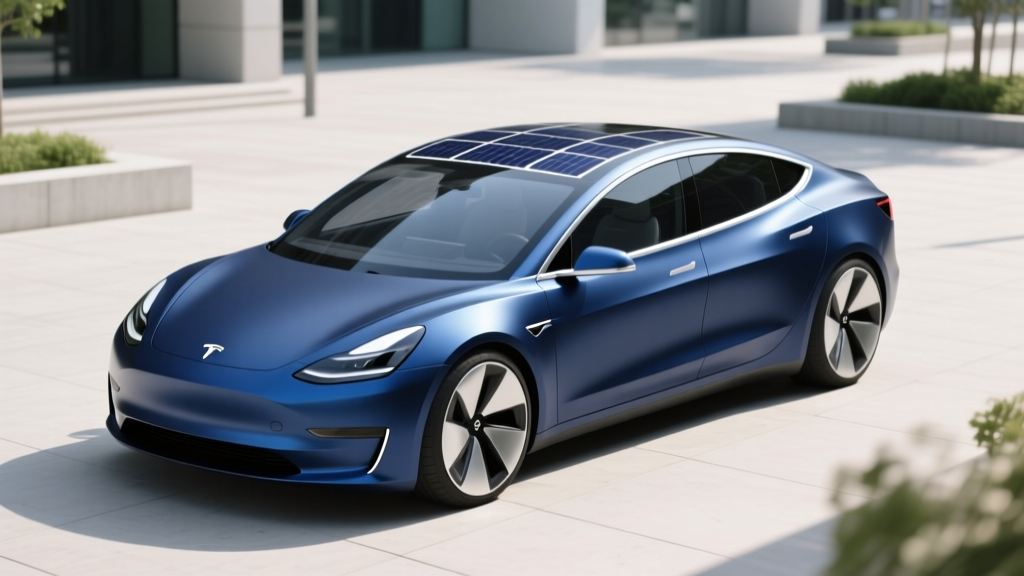
The refreshed Tesla Model 3 (internally dubbed "Highland" and carried forward into the 2026 model year) remains the benchmark compact electric sedan. Starting at $38,990 for the base Rear-Wheel Drive and climbing to $52,990 for the Performance trim, it undercuts most rivals on price-per-mile of range while retaining access to the most reliable DC fast-charging network in North America. But for buyers integrating their EV into a smart home, one frequently overlooked line item is the Tesla HomeLink cost — a $300 accessory that bridges your Model 3 to your garage door opener. This review covers everything from real-world range to whether that HomeLink module is worth adding at delivery.
| Spec | RWD (Base) | Long Range AWD | Performance |
|---|---|---|---|
| Base MSRP | $38,990 | $45,990 | $52,990 |
| EPA Range | 272 mi | 341 mi | 315 mi |
| Battery (usable) | ~57.5 kWh (LFP) | ~75 kWh (NMC) | ~75 kWh (NMC) |
| Drivetrain | RWD, single motor | AWD, dual motor | AWD, dual motor |
| Horsepower | 271 hp | 346 hp | 510 hp |
| 0–60 mph | 5.8 sec | 4.2 sec | 2.9 sec |
| Max DC Fast Charge | 170 kW | 250 kW | 250 kW |
| 10–80% DCFC Time | ~25 min | ~22 min | ~22 min |
| Level 2 Home Rate | 11.5 kW (~44 mi/hr) | 11.5 kW (~44 mi/hr) | 11.5 kW (~44 mi/hr) |
| MPGe (combined) | 132 MPGe | 125 MPGe | 118 MPGe |
| kWh/100 mi | 25 | 27 | 29 |
| Battery Warranty | 8 yr / 100,000 mi | 8 yr / 120,000 mi | 8 yr / 120,000 mi |
Real-World Range vs. EPA Estimates
Real-World Highway (70 mph, 65°F): ~230 mi (RWD) / ~290 mi (Long Range) / ~265 mi (Performance)
Cold-Weather (32°F, mixed driving): Expect 20–30% range reduction across all trims due to battery resistance and cabin heating demands.
The Model 3's efficiency is genuinely class-leading. The RWD trim's 25 kWh/100 mi figure means you're squeezing more miles per kilowatt-hour than nearly any other sedan on the market. But the EPA's combined cycle blends city regen-heavy driving with moderate highway speeds. On sustained 75-mph interstate runs, expect to lose roughly 15% from the sticker number.
The LFP (lithium iron phosphate) battery in the RWD model has a practical quirk: Tesla recommends charging it to 100% regularly, unlike the NMC packs in Long Range and Performance trims where an 80% daily limit preserves longevity. That means the RWD's 272-mile EPA figure is more "usable" day-to-day than it appears on paper — you're not babying the state of charge.
For cold-climate owners, the heat pump (standard on all 2026 Model 3 trims) reduces the winter range penalty compared to resistive heating, but physics still applies. Plan for 190–210 real-world miles from the RWD in sub-freezing commutes.
Charging Speed: DC Fast, Level 2, and the Home Charging Reality
Charging speed is where Tesla's vertical integration still pays dividends. The Supercharger network remains the most reliable public DC fast-charging ecosystem in the U.S., and the Model 3 is optimized for it.
| Charging Level | Power | Miles Added per Hour | Notes |
|---|---|---|---|
| Level 1 (120V household) | ~1.4 kW | ~5 mi/hr | Emergency/trickle only |
| Level 2 (240V, 48A Wall Connector) | 11.5 kW | ~44 mi/hr | Full overnight charge in 6–8 hr |
| Level 2 (240V, 32A Mobile Connector) | 7.7 kW | ~30 mi/hr | Included with vehicle (NEMA 14-50) |
| DC Fast (Supercharger V3/V4) | 170–250 kW peak | ~175 mi in 15 min (LR) | Tapers significantly above 80% SoC |
A critical detail many spec sheets gloss over: the charge curve taper. The Long Range and Performance trims hit 250 kW peak only between roughly 10–30% state of charge. From 50–80%, you'll see rates drop to 80–120 kW. The 10–80% time of ~22 minutes reflects this average, not a sustained peak. The RWD's LFP chemistry charges at a lower 170 kW peak but maintains a flatter curve, making its ~25-minute 10–80% time surprisingly competitive.
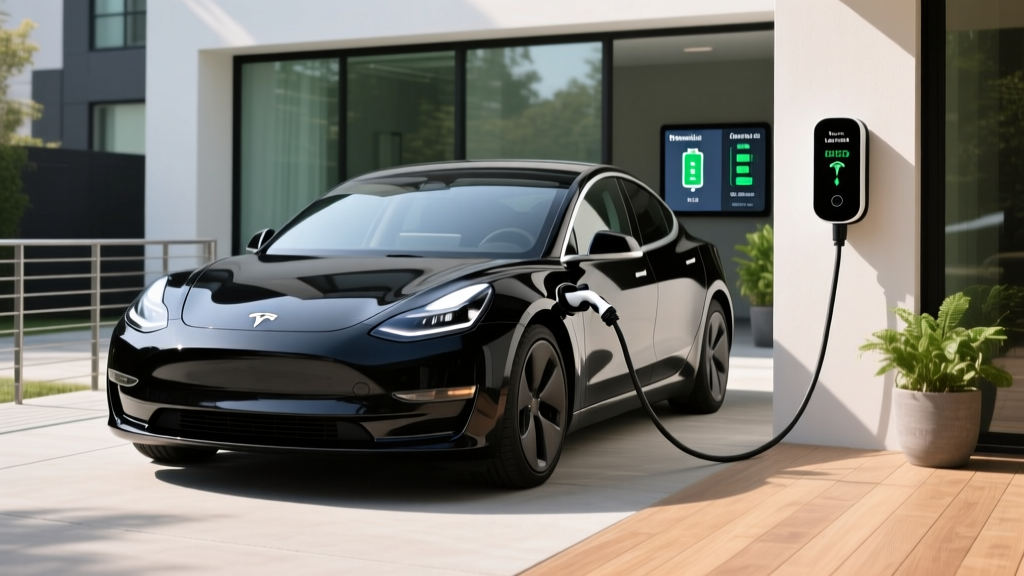
For home charging, Tesla's Wall Connector ($420 for the unit) on a 60-amp circuit delivers the full 11.5 kW / 48 amps. Most owners report 30–44 miles of range added per hour of Level 2 charging, which easily covers daily driving needs overnight. Installation costs for a 240V/60A circuit typically range from $600–$1,800 depending on panel proximity and whether a service upgrade is needed — factor this into your total budget.
The Tesla HomeLink Cost: What You Get for $300
Here's where the keyword of this review comes into focus. Unlike many luxury vehicles that include HomeLink (the universal garage door and gate opener system by Gentex) as standard, Tesla does not build HomeLink into the Model 3's hardware by default. Instead, it's offered as a $300 add-on — either at the time of purchase through Tesla's configurator or retrofitted through a Tesla Service Center.
What HomeLink does: It uses a module mounted behind the front bumper (integrated with the vehicle's front electronics bay) to communicate with RF-based garage door openers, motorized gates, and some smart-home devices. Once programmed, the Model 3's touchscreen displays a HomeLink button that can auto-activate based on GPS proximity — your garage door opens as you approach home and closes as you leave.
Is the Tesla HomeLink cost justified? It depends on your setup:
- Worth it if: You have a primary garage, use a gate community, or want the location-based auto-open/close convenience. The GPS-triggered automation is genuinely seamless once configured.
- Skip it if: You park on the street, use a manual garage, or rely on your opener's native smart-home app (e.g., myQ). A $30 myQ smart hub can open your garage from your phone, though it lacks the car's automatic proximity trigger.
Some owners have noted frustration that a vehicle in the $39K–$53K range doesn't include this as standard, especially when competitors like the Hyundai Ioniq 6 and BMW i4 bundle HomeLink at no extra cost on mid-and-above trims. It's a small but real ownership friction point.
Performance, Interior, and Daily Livability
The 2026 Model 3 carries forward the Highland refresh's improvements: ventilated front seats, ambient lighting, a rear touchscreen for passengers, acoustic glass all around, and a substantially quieter cabin at highway speeds compared to pre-2024 models.
Performance trims at a glance:
- RWD: 271 hp, 5.8-second 0–60. Adequate for commuting, not thrilling.
- Long Range AWD: 346 hp, 4.2-second 0–60. The sweet spot for all-weather buyers.
- Performance: 510 hp, 2.9-second 0–60. Supercar acceleration, firm ride.
Cargo and passenger space:
- Trunk: 21.0 cu ft (rear hatch design makes loading easy)
- Frunk (front trunk): 3.1 cu ft (fits a charging cable bag or small backpack)
- Rear legroom: 35.3 inches (adequate for adults, tight for tall passengers on long trips)
- Front headroom: 40.3 inches
The minimalist interior remains polarizing. There are no physical stalks — turn signals are buttons on the steering wheel, and gear selection is via the touchscreen or the overhead console. Most owners adapt within a week, but test-drive before committing if you're coming from a traditional layout.
Driver assistance: Basic Autopilot (lane centering + adaptive cruise) is standard. Full Self-Driving (Supervised) remains a $8,000 option or $99/month subscription. Per NHTSA's SAE framework, FSD is a Level 2 system — you must remain fully engaged, hands on or near the wheel, eyes on the road. It is not autonomous driving.
Pricing, Tax Credits, and Total Cost
| Trim | Base MSRP | Destination | As-Tested (typical) | §30D Credit Eligibility |
|---|---|---|---|---|
| RWD | $38,990 | $1,390 | $40,380 | Eligible for up to $7,500* |
| Long Range AWD | $45,990 | $1,390 | $47,380 | Eligible for up to $7,500* |
| Performance | $52,990 | $1,390 | $54,380 | Eligible for up to $7,500* |
*Per IRS §30D rules: Subject to buyer AGI limits ($150K single / $300K joint), vehicle MSRP cap ($55K for sedans — Performance trim exceeds this), critical mineral and battery component sourcing requirements, and point-of-sale transfer availability. Confirm eligibility at purchase; rules are subject to change.
The MSRP cap is the key gotcha: the Performance trim at $52,990 + $1,390 destination = $54,380 squeaks under the $55,000 sedan cap, but adding FSD, special paint, or 19-inch wheels can push the total above the threshold and disqualify you. The RWD and Long Range trims are safely under the cap in most configurations.
As of 2026, Tesla's U.S.-built Model 3 satisfies the battery sourcing requirements for the full $7,500 credit when purchased by eligible buyers. The point-of-sale transfer option allows you to apply the credit as a down-payment reduction at delivery rather than waiting for a tax refund.
Adding the HomeLink module ($300) and a Wall Connector ($420) brings your realistic "garage-ready" entry cost to roughly $41,100 for the RWD before incentives, or approximately $33,600 after the $7,500 credit — a compelling entry point for a 272-mile EV with best-in-class efficiency.
Pros and Cons: The Honest Scorecard
Pros
- Class-leading efficiency (25 kWh/100 mi on RWD)
- Supercharger network reliability — still the gold standard for road trips
- LFP battery on RWD allows 100% daily charging without degradation concern
- OTA updates continuously add features post-purchase
- Strong resale value relative to EV segment average
- Heat pump standard — better cold-weather range retention
- Highland refresh fixed the biggest NVH and ride-quality complaints
Cons
- HomeLink is a $300 add-on, not standard (unlike most competitors)
- No physical turn-signal stalks — steep learning curve for some drivers
- Rear seat space is tighter than Hyundai Ioniq 6 and BMW i4
- FSD ($8,000) remains Level 2 — expensive for what it delivers
- Service center wait times can be long in high-volume metro areas
- RWD's 170 kW peak DCFC is slower than rivals at 350 kW-capable chargers
- No Apple CarPlay or Android Auto — Tesla-only ecosystem
Who Should Buy the 2026 Tesla Model 3?
Choose the RWD ($38,990) if: You commute under 60 miles daily, have reliable home Level 2 charging, live in a mild climate, and want the lowest cost of entry with maximum efficiency. The LFP battery's 100% charge tolerance makes it worry-free for daily use.
Choose the Long Range AWD ($45,990) if: You regularly drive 200+ miles between charges, live in a cold or rainy climate where AWD traction matters, or take frequent road trips. The 341-mile EPA range and 250 kW DCFC peak make this the most versatile trim.
Choose the Performance ($52,990) if: Acceleration thrills matter, you want track-capable handling, and you accept the firmer ride and reduced range. Watch the MSRP cap carefully if you want the tax credit.
Look elsewhere if: You need generous rear-seat room (check the Ioniq 6), want Apple CarPlay (BMW i4), or prefer a traditional dealership service experience.
Frequently Asked Questions
What is the real-world range of the Tesla Model 3?
On the highway at 70 mph in moderate temperatures, expect roughly 230 miles from the RWD, 290 miles from the Long Range, and 265 miles from the Performance. In freezing weather, subtract 20–30%. The RWD's LFP battery lets you charge to 100% daily, making its usable range closer to the EPA sticker than NMC-equipped trims where 80% daily limits apply.
How fast does the Model 3 charge at home and on the road?
At home on a 240V/48A Tesla Wall Connector, all trims charge at 11.5 kW, adding roughly 44 miles of range per hour — a full charge takes 6–8 hours overnight. On DC fast chargers, the Long Range and Performance peak at 250 kW (10–80% in ~22 minutes), while the RWD peaks at 170 kW (~25 minutes). Supercharger V4 stalls are increasingly available and support these rates.
How much does the Tesla Model 3 cost after federal tax credits?
If you meet the IRS §30D income requirements (AGI under $150K single / $300K joint) and the vehicle meets battery sourcing rules, the RWD drops from ~$40,380 to ~$32,880, and the Long Range from ~$47,380 to ~$39,880. The Performance trim qualifies only if its as-configured MSRP stays under $55,000. Always verify eligibility at point of sale using the IRS clean vehicle credit tool.
What is the Tesla HomeLink cost and is it worth it?
The HomeLink module costs $300 from Tesla, either configured at purchase or retrofitted at a Service Center. It enables automatic garage door and gate operation triggered by GPS proximity. If you have a primary garage or gated community, the seamless auto-open/close experience justifies the cost. If you park on the street or use a smart opener app, you can skip it.
Is the Model 3 worth buying vs. the Hyundai Ioniq 6 or BMW i4?
The Model 3 wins on efficiency (25 kWh/100 mi vs. the Ioniq 6's ~27), Supercharger network access, and over-the-air updates. The Ioniq 6 offers more rear legroom (38.2 in vs. 35.3 in) and 800V architecture for faster 350 kW charging. The BMW i4 provides a more traditional interior with Apple CarPlay and standard HomeLink. If charging network reliability and efficiency top your priorities, the Model 3 holds its edge.
Does the 2026 Model 3 battery last? What's the warranty?
Tesla warranties the RWD's LFP battery for 8 years / 100,000 miles and the Long Range/Performance NMC batteries for 8 years / 120,000 miles, guaranteeing a minimum 70% capacity retention over that period. Real-world data from high-mileage Model 3 owners shows NMC packs retaining 85–90% capacity at 100,000 miles with proper charging habits (daily 80% limit, occasional 100% for trips). LFP packs show even slower degradation curves. Out-of-warranty replacement costs remain high ($12,000–$16,000), but most owners will never need one.
Can I install HomeLink myself on a Model 3?
Tesla does not sell the HomeLink module as a standalone DIY part. It must be purchased and installed through Tesla directly. Third-party universal HomeLink modules exist (~$50–$80 on Amazon) but require wiring into the vehicle's 12V system and won't integrate with the touchscreen or GPS-based auto-trigger. For the native experience, the $300 Tesla module is the only path.