Tesla Model 3: More Than Just Party Tricks
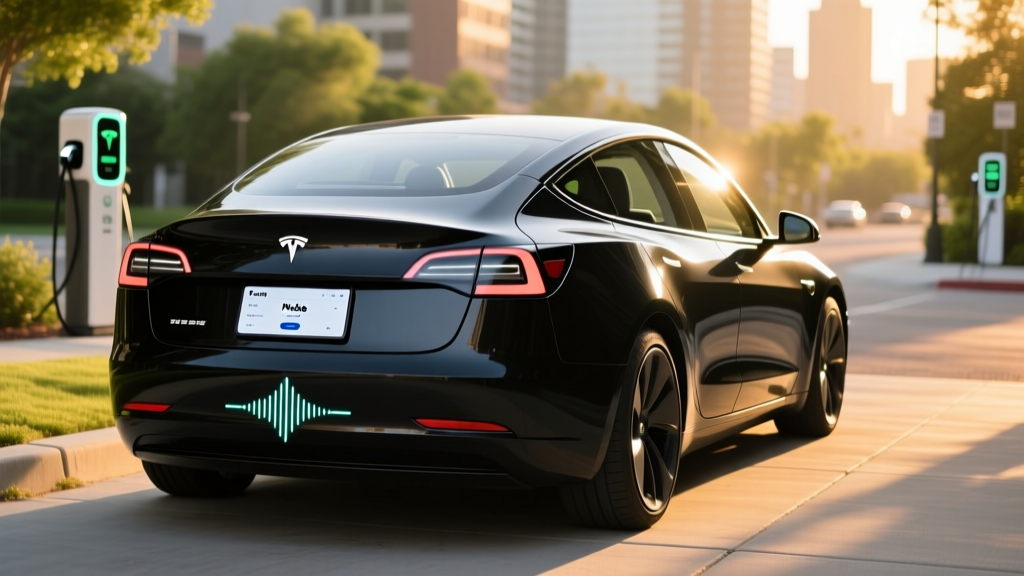
Search "how to make Tesla fart" and you'll land on one of the most popular Easter eggs in the EV world. Fart Mode uses the Model 3's exterior pedestrian warning speaker to emit comical sounds — triggered from the Toybox menu or via a phone app command. It's amusing, shareable, and a gateway into Tesla's software-first approach to car ownership. But beyond the novelty, the 2026 Tesla Model 3 Highland refresh is a serious, segment-defining electric sedan with updated range, faster charging, and a revised interior that addresses years of cabin-quality complaints.
This review covers every spec a buyer needs: EPA and real-world range, battery chemistry, DC fast-charge curves, home charging rates, 0-60 performance, federal tax credit eligibility under current IRS §30D rules, and a direct look at whether the Model 3 still outclasses the Hyundai Ioniq 6, BMW i4, and Polestar 2 in 2026.
Full 2026 Tesla Model 3 Spec Sheet
| Spec | Long Range RWD | Long Range AWD | Performance AWD |
|---|---|---|---|
| EPA Range | 363 mi | 346 mi | 315 mi |
| Battery (usable) | ~79 kWh | ~79 kWh | ~79 kWh |
| Chemistry | NMC (nickel manganese cobalt) | NMC | NMC |
| Peak DC Fast Charge | 170 kW | 170 kW | 250 kW |
| 10–80% DCFC Time | ~28 min | ~28 min | ~25 min |
| Level 2 Home Charge | 11.5 kW (~44 mi/hr) | 11.5 kW (~44 mi/hr) | 11.5 kW (~44 mi/hr) |
| 0–60 mph | 5.8 sec | 4.2 sec | 2.9 sec |
| Horsepower | 271 hp | 346 hp | 510 hp |
| Drivetrain | Rear-Wheel Drive | Dual-Motor AWD | Dual-Motor AWD |
| MPGe (combined) | 132 MPGe | 125 MPGe | 115 MPGe |
| Efficiency | 25 kWh/100 mi | 27 kWh/100 mi | 29 kWh/100 mi |
| Base MSRP | $42,490 | $47,490 | $54,990 |
Source: fueleconomy.gov and Tesla's official specifications page. Pricing reflects 2026 model-year MSRPs before destination fees and applicable incentives.
Real-World Range: What the EPA Sticker Doesn't Tell You
EPA Estimate: 363 mi (Long Range RWD)
Real-World Highway (70–80 mph): ~290–310 mi
Real-World City/Mixed: ~330–350 mi
Cold Weather (below 32°F): ~240–280 mi (20–30% reduction)
EVs lose range at sustained highway speeds due to aerodynamic drag and in cold temperatures because battery chemistry slows and cabin heating draws energy. The Model 3's heat pump mitigates some cold-weather loss, but physics still applies.
The Long Range RWD's 132 MPGe combined rating makes it one of the most efficient EVs in its class — per EPA data. The NMC battery pack holds roughly 79 kWh of usable energy. Tesla's thermal management system, which includes a heat pump standard on all trims, is among the best in the industry for preserving range in temperature extremes. On a 300-mile highway drive at 75 mph in 70°F weather, expect to arrive with roughly 10–15% state of charge remaining. In winter conditions, plan for a charging stop on that same route.
For the Standard Range RWD trim (LFP chemistry, ~60 kWh battery, 272-mile EPA range), cold-weather losses can be more pronounced because LFP chemistry is less tolerant of low temperatures during both discharge and charging. Preconditioning the battery before departure is essential.
Charging Speed: DC Fast, Level 2, and the Charge Curve Reality
| Charging Level | Power | Miles Added per Hour | Typical Use Case |
|---|---|---|---|
| Level 1 (120V outlet) | ~1.4 kW | ~5 mi/hr | Overnight trickle; emergency top-up |
| Level 2 (240V, 48A) | 11.5 kW | ~44 mi/hr | Home daily charging; full overnight fill |
| DC Fast (Long Range) | Peak 170 kW | ~650 mi/hr (peak) | Road trips; 10–80% in ~28 min |
| DC Fast (Performance) | Peak 250 kW | ~950 mi/hr (peak) | Road trips; 10–80% in ~25 min |
Here's what peak charge rates don't tell you: the charge curve. The Long Range trims peak at 170 kW only between roughly 10–30% state of charge, then taper progressively. By 60% SoC, you're likely at ~100 kW; above 80%, charging slows dramatically to protect battery longevity. This is normal for NMC chemistry and why 10–80% time is the industry-standard measurement.
The Performance trim's 250 kW peak is genuinely useful on Tesla Supercharger V3/V4 stalls, but you'll only see that rate briefly and under ideal thermal conditions. Preconditioning — which the Model 3 initiates automatically when you navigate to a Supercharger — warms the battery to optimize charge acceptance. Skipping preconditioning (for example, by driving to a non-Tesla DCFC without manually triggering it) can add 5–10 minutes to your stop.
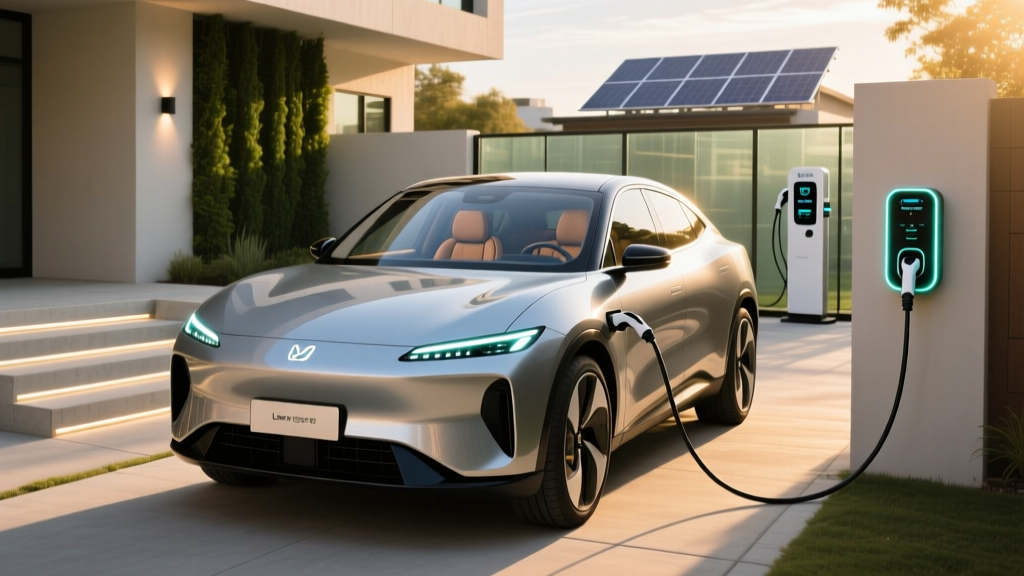
For home charging, a 48-amp Level 2 wall connector on a 60-amp circuit delivers the full 11.5 kW. That's roughly 44 miles of range per hour of charging, or a full 0–100% fill in about 7–8 hours. Most owners charging overnight from 20–80% will need only 4–5 hours. Installation of a dedicated 240V circuit typically costs $800–$2,000 depending on panel proximity and local permitting, on top of the ~$475 Tesla Wall Connector hardware cost.
Performance and Driving Dynamics
The Model 3 lineup spans a wide performance envelope. The Long Range RWD's 5.8-second 0–60 mph time is brisk for daily driving, while the Performance trim's 2.9-second sprint puts it in supercar territory. All trims use Tesla's permanent-magnet synchronous motor on the rear axle; AWD trims add an induction motor up front for torque-vectoring all-wheel drive.
The Highland refresh brought meaningful improvements to ride quality. Revised suspension tuning, new isolation bushings, and acoustic glass reduce road noise substantially compared to pre-2024 Model 3s. The steering remains quick and direct, though some drivers find it overly weighted even in Comfort mode. Regenerative braking is strong and essentially enables one-pedal driving in Hold mode, though Tesla removed the user-selectable regen level — it's one-pedal or nothing, which frustrates some new EV adopters.
Pricing, Trims, and Federal Tax Credit Eligibility
| Trim | Base MSRP | Destination | Est. Total | §30D Credit Eligible? | After Max Credit |
|---|---|---|---|---|---|
| Standard Range RWD | $38,990 | $1,390 | $40,380 | Yes (up to $7,500) | ~$32,880 |
| Long Range RWD | $42,490 | $1,390 | $43,880 | Yes (up to $7,500) | ~$36,380 |
| Long Range AWD | $47,490 | $1,390 | $48,880 | Yes (up to $7,500) | ~$41,380 |
| Performance AWD | $54,990 | $1,390 | $56,380 | Yes (up to $7,500) | ~$48,880 |
- MSRP Cap: Sedans must be ≤$55,000 — the Performance trim at $54,990 barely qualifies; adding options may push it over.
- Buyer Income Cap: Modified AGI ≤$150,000 (single), ≤$225,000 (head of household), ≤$300,000 (joint).
- Battery Sourcing: Critical minerals and battery components must meet phased-in percentage thresholds from FTA countries. Tesla's US-built packs have generally met requirements, but rules tighten annually — verify on IRS.gov before purchasing.
- Point-of-Sale Transfer: As of 2024, you can transfer the credit to the dealer for an immediate price reduction at purchase rather than waiting to claim it on your tax return.
- Not refundable: If your tax liability is less than the credit amount, you cannot claim the excess.
Interior, Cargo, and Technology
The Highland interior is a clear step up from earlier Model 3s. Ventilated front seats, ambient lighting, a rear 8-inch touchscreen for passengers, and improved materials (vegan leather, soft-touch surfaces) close the gap with legacy luxury competitors. The minimalist approach remains polarizing: there are no physical stalks for turn signals or wipers (they're on the steering wheel and screen, respectively), and the absence of a traditional instrument cluster still requires an adjustment period.
Cargo and passenger dimensions:
- Rear cargo volume: 23 cu ft (trunk) + rear frunk (3.1 cu ft) = 26.1 cu ft total
- Front legroom: 42.7 in
- Rear legroom: 35.2 in
- Seating: 5 passengers
The rear seat remains tighter than the Hyundai Ioniq 6 or BMW i4, making the Model 3 better suited for couples and small families than for regularly hauling adults in back. The trunk is generous and the 60/40 split-folding rear seat enables longer cargo, but there's no hatchback opening like the Ioniq 6 or Polestar 2 offer.
Standout technology:
- 15.4-inch center touchscreen with Tesla's responsive, app-rich OS
- Over-the-air updates that add features post-purchase
- Autopilot (SAE Level 2) standard; FSD Supervised available as a $8,000 option or $99/month subscription
- Sentry Mode dashcam recording, Dog Mode climate control
- Toybox: Fart Mode, Light Show, Camp Mode, and other Easter eggs
Tesla Autopilot and Full Self-Driving (Supervised) are SAE Level 2 driver-assistance systems. The driver must remain fully engaged, hands on the wheel (or providing torque input), and eyes on the road at all times. These systems do NOT make the car self-driving. Only Level 4 services like Waymo operate without a human driver, and only in geofenced areas.
How to Make Tesla Fart Mode Work (Yes, Really)
Since this is the question that brought you here: Fart Mode is a real feature buried in the Tesla Toybox. Here's how to activate it:
- Tap the car icon on the bottom-left of the touchscreen.
- Scroll to Toybox in the menu.
- Select Fart Mode.
- Choose a sound variant (there are several, with increasingly creative names).
- Select a trigger: Left Turn Signal, Right Turn Signal, or Both.
- When you activate the selected turn signal while parked or at low speed, the exterior pedestrian warning speaker plays the chosen sound.
You can also trigger Fart Mode remotely using the Tesla mobile app — useful for surprising passengers. The feature uses the same Acoustic Vehicle Alerting System (AVAS) speaker that emits the low-speed hum required by NHTSA regulations. It's harmless, reversible, and a conversation starter at charging stations.
Pros, Cons, and Who Should Buy the Model 3
- Class-leading efficiency (132 MPGe combined)
- Extensive Supercharger network (NACS connector, no adapter needed)
- Strong OTA update track record adds value over time
- Excellent thermal management and battery preconditioning
- Competitive pricing after $7,500 federal credit
- High resale value relative to EV segment average
- No turn-signal stalks — touch buttons on the wheel
- Rear seat is tight for adults on long trips
- No physical buttons for climate, mirrors, or glovebox
- FSD Supervised costs $8,000 extra and remains Level 2
- 170 kW peak DC charge rate trails Hyundai/Kia's 800V architecture
- Single regen mode (no adjustable level)
- Daily commuters: Excellent efficiency, comfortable ride, strong Autopilot for highway slogs.
- Tech-forward buyers: OTA updates, Toybox Easter eggs (including Fart Mode), and the best EV software interface available.
- Road-trippers: Supercharger network access is still the most reliable DC fast-charging ecosystem in the US.
- Not ideal for: Families needing spacious rear seats, buyers who prefer physical controls, or those who prioritize maximum DC charge speed over network reliability.
Warranty and Battery Longevity
Tesla covers the Model 3 with:
- Basic Vehicle: 4 years / 50,000 miles
- Battery & Drive Unit: 8 years / 120,000 miles (Long Range & Performance); 8 years / 100,000 miles (Standard Range)
- Capacity retention threshold: 70% minimum over the warranty period
The NMC packs in Long Range and Performance trims have demonstrated strong longevity in fleet data, with typical degradation of 8–12% over 100,000 miles. LFP packs in the Standard Range trim tolerate regular 100% charging (unlike NMC, which Tesla recommends charging to 80% daily), making them practical for high-mileage commuters despite lower total range. Battery replacement outside warranty, should it be needed, runs approximately $12,000–$16,000 including labor based on current Tesla service pricing.
Frequently Asked Questions
What is the real-world range of the 2026 Tesla Model 3?
The Long Range RWD's EPA rating is 363 miles. In real-world mixed driving at moderate temperatures, expect 330–350 miles. Sustained highway driving at 75+ mph drops that to roughly 290–310 miles. In sub-freezing temperatures, plan for 240–280 miles depending on cabin heating demand and whether you precondition.
How fast does the Model 3 charge at home and on the road?
At home on a 48-amp Level 2 charger (240V), the Model 3 charges at 11.5 kW, adding about 44 miles of range per hour — a full overnight fill. On DC fast chargers, Long Range trims peak at 170 kW (10–80% in ~28 minutes) while the Performance peaks at 250 kW (10–80% in ~25 minutes). Actual times vary with battery temperature and state of charge.
How much does the Model 3 cost after the federal tax credit?
If you qualify for the full $7,500 §30D credit (meeting income caps, MSRP limits, and battery-sourcing requirements), the Long Range RWD drops from ~$43,880 to ~$36,380. The Standard Range RWD can reach ~$32,880. The credit can now be transferred at the point of sale for an immediate price reduction. Verify eligibility at IRS.gov before purchasing.
Is the Model 3 worth buying vs. the Ioniq 6, BMW i4, or Polestar 2?
The Model 3 wins on efficiency, Supercharger network access, software, and value after tax credits. The Hyundai Ioniq 6 charges faster (800V architecture, ~18 minutes 10–80%) and has a more spacious rear seat. The BMW i4 offers a more traditional luxury interior and physical controls but at a higher price with less range. The Polestar 2 provides a hatchback design and Google-based infotainment but trails on range and charging speed. Choose the Model 3 if Supercharger reliability and software are top priorities.
Does the 2026 Model 3 qualify for the $7,500 federal EV tax credit?
Yes, all Model 3 trims currently qualify — provided the buyer meets income caps ($150K single / $300K joint), the vehicle MSRP stays under $55,000 for sedans, and battery-sourcing requirements are met. Tesla manufactures the Model 3 in Fremont, CA, and its battery sourcing has generally complied with §30D rules. However, critical-mineral thresholds tighten each year. Always confirm current eligibility on the IRS website and with a tax professional.
How do I make my Tesla fart?
Open your Model 3's touchscreen, go to Controls → Toybox → Fart Mode. Pick a sound, assign it to a turn signal, and activate that signal to trigger the exterior speaker. You can also trigger it remotely via the Tesla app. The sound plays through the AVAS (pedestrian warning) speaker — it's a factory feature, not a hack.