The Bottom Line on Buying an Electric SUV
If you're researching an electric SUV from the 2024 model year onward, expect EPA ranges between 250–330 miles, base prices from roughly $38,000–$55,000, and home-charging costs around $0.04–$0.05 per mile (versus $0.12–$0.15 for gas). The best choice depends on your daily mileage, home-charging access, and climate. Buyers with Level 2 home charging and commutes under 100 miles/day save the most; apartment dwellers reliant on public DC fast charging may find a PHEV or hybrid more practical. Federal tax credits under IRS §30D can reduce the effective price by up to $7,500, but eligibility depends on MSRP caps, buyer income, and battery-sourcing rules that shift yearly.
What Defines the 2024–2026 Electric SUV Market
The electric SUV segment matured rapidly between 2024 and 2026. Legacy automakers like Hyundai, Kia, Ford, and Chevrolet joined Tesla in offering sub-$50,000 electric SUVs with 800-volt architectures, NACS charging compatibility, and usable battery packs in the 70–85 kWh range. The NACS (North American Charging Standard) connector has effectively replaced CCS1 for new models, granting non-Tesla EVs access to the Supercharger network — a significant shift for buyers who previously worried about public charging reliability.
Here's where the major 2024–2026 electric SUVs stack up on paper and in practice:
| Model (Year/Trim) | EPA Range | Battery (kWh, Chemistry) | Peak DC Charge (kW) | 10–80% Time | 0–60 mph | Base MSRP |
|---|---|---|---|---|---|---|
| Tesla Model Y Long Range (2025) | 320 mi | 75 kWh, NMC | 250 kW | ~22 min | 4.8s | $44,990 |
| Hyundai Ioniq 5 SE (2025) | 303 mi | 77.4 kWh, NMC | 240 kW | ~18 min | 5.0s | $42,600 |
| Kia EV6 Wind AWD (2025) | 289 mi | 77.4 kWh, NMC | 240 kW | ~18 min | 4.5s | $48,200 |
| Chevrolet Equinox EV 3RS (2024) | 319 mi | 85 kWh, NMC | 150 kW | ~30 min | 7.5s | $41,900 |
| Ford Mustang Mach-E Premium (2025) | 290 mi | 75.7 kWh, NMC | 150 kW | ~32 min | 5.1s | $45,995 |
| Rivian R1S Dual-Motor (2025) | 321 mi | 106 kWh, NMC | 220 kW | ~27 min | 4.5s | $74,900 |
Real-world caveat: EPA range is measured under ideal mixed-driving conditions. On sustained highway driving at 70+ mph, expect a 10–15% reduction. In sub-freezing temperatures, range can drop 20–30% due to battery-heating energy draw and cabin climate demands. A Tesla Model Y rated at 320 miles EPA may deliver 240–260 miles on a cold-weather highway trip. Plan accordingly.
Electric SUV vs. Gas SUV: Real Cost Data
The sticker price of an electric SUV is typically $5,000–$12,000 higher than a comparable gas SUV before incentives. The question is whether operational savings close that gap within your ownership window. Here's a five-year cost comparison using a mid-size electric SUV (e.g., Hyundai Ioniq 5) versus a similarly sized gas SUV (e.g., Toyota RAV4 AWD):
| Category | Electric SUV (Ioniq 5) | Gas SUV (RAV4 AWD) |
|---|---|---|
| Purchase Price (avg) | $45,000 | $35,000 |
| Federal Tax Credit (§30D) | –$3,750 to –$7,500* | $0 |
| Fuel/Energy (5 yrs, 60k mi) | $2,700 (home L2) / $5,400 (public DCFC) | $7,200 (28 MPG, $3.40/gal) |
| Maintenance (5 yrs) | $1,200 | $3,500 |
| Insurance (5 yrs, avg) | $9,500 | $7,500 |
| Estimated Depreciation | $18,000 | $12,000 |
| 5-Year Net Cost | $28,700–$34,700 | $36,200 |
*Tax credit eligibility under IRS §30D depends on battery-component and critical-mineral sourcing requirements, buyer AGI caps ($150k single / $300k joint), and MSRP caps ($80k for SUVs). These rules tighten annually; verify current-year eligibility before purchase. As of 2026, many Korean-built EVs receive a partial credit ($3,750) due to battery-sourcing phase-in.
Key insight: The electric SUV wins on total cost primarily when you charge at home (electricity at ~$0.13/kWh yields roughly $0.04/mile). If you rely entirely on public DC fast charging at $0.35–$0.50/kWh, your per-mile cost approaches or exceeds gasoline. Home charging access is the single biggest financial variable.
Real-World Ownership: What First-Time EV Buyers Must Know
Home Charging Is Non-Negotiable for Maximum Savings
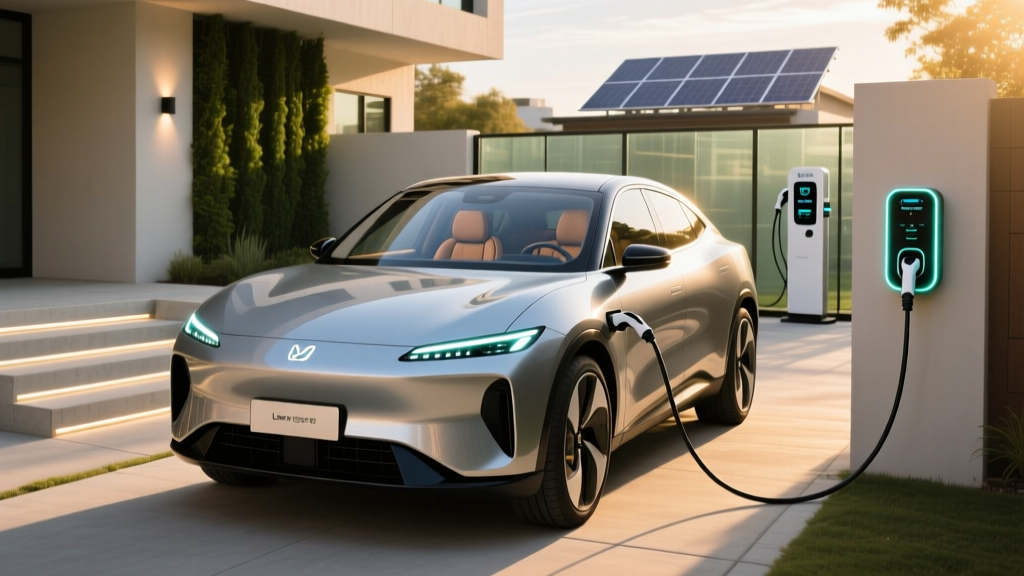
A Level 2 home charger (240V, 32–48 amps, 7.7–11.5 kW) adds roughly 25–37 miles of range per hour of charging. For most owners, plugging in overnight restores a full battery every morning. Installation costs range from $500–$1,500 if your electrical panel has spare capacity, or $2,000–$4,500 if you need a panel upgrade (200-amp service is typical for modern homes with EV charging).
If you live in an apartment or condo without dedicated parking and charging, your practical options narrow. Public Level 2 chargers cost $0.20–$0.30/kWh, and DC fast chargers run $0.35–$0.50/kWh. Some buyers in this situation are better served by a PHEV like the Toyota RAV4 Prime (42 miles electric-only, then hybrid operation) — you get electric commuting without range or charging-access anxiety.
Cold Climate Reduces Range — Plan for It
Lithium-ion batteries lose efficiency in cold weather. Testing by fueleconomy.gov and independent labs shows a 20–30% range reduction at 20°F compared to 75°F ambient. Models equipped with a heat pump (standard on the Ioniq 5, EV6, and recent Model Y) mitigate this somewhat — heat pumps are 2–3× more efficient than resistive heaters for cabin warmth. If you live in the northern tier of the US, buy 20–30% more EPA range than your longest typical trip demands.
Charging Speed Matters More Than Peak Numbers Suggest
Automakers advertise peak charge rates (e.g., "240 kW"), but that peak is sustained only briefly between roughly 10–40% state of charge. Above 80%, charging slows dramatically to protect battery health — a phenomenon called the charge-curve taper. A "18-minute 10–80%" claim means the full 10–100% session may take 45+ minutes. For road trips, plan stops around 10–80% sessions and never rely on charging to 100% at a DC fast charger unless you have hours to spare.
Real-World Range Reality Check
EPA Sticker: 303 miles (Hyundai Ioniq 5, 2025)
Highway at 70 mph, 75°F: ~260–275 miles
Highway at 70 mph, 20°F: ~210–230 miles
City with regen braking, 60°F: ~290–310 miles
Always size your battery for your worst-case trip, not your average commute.
Tax Credits and Incentives: What You Actually Qualify For
The federal §30D clean vehicle credit remains the most impactful EV incentive, but qualifying in 2026 requires navigating several moving targets:
- MSRP cap: $80,000 for SUVs, vans, and pickups; $55,000 for sedans
- Buyer income cap: Modified AGI ≤ $150,000 (single) / $225,000 (head of household) / $300,000 (married filing jointly)
- Battery sourcing: Increasingly strict critical-mineral and battery-component requirements tied to US or FTA-partner countries — this determines whether you get $3,750, $7,500, or $0
- Point-of-sale transfer: Since 2024, you can transfer the credit to the dealer at purchase, reducing your out-of-pocket cost immediately rather than waiting for tax filing
- Assembly: Final assembly must occur in North America — verify via the DOE's qualifying vehicle list
Many 2024–2026 electric SUVs assembled in the US (Tesla Model Y, GM Equinox EV, Ford Mach-E) qualify for at least partial credits. Korean-assembled models (Ioniq 5, EV6) have faced reduced credits but Hyundai's new Georgia plant changes eligibility for some 2025+ builds. Always confirm the VIN-specific credit on IRS.gov before signing paperwork.
Common Misconceptions — Myth vs. Fact
| Myth | Fact |
|---|---|
| "EV batteries need replacing every 5 years" | Modern NMC and LFP batteries degrade ~1–2% per year. At that rate, a 300-mile battery retains ~255–270 miles after 10 years. Federal law mandates an 8-year/100,000-mile battery warranty covering defects and excessive degradation (typically below 70% capacity). |
| "Public charging is unreliable everywhere" | Tesla Superchargers maintain ~99% uptime. Electrify America and EVgo have improved significantly, though non-Tesla networks still experience 10–15% failure rates at some stations. NACS adoption is improving interoperability. |
| "EVs are worse for the environment due to battery mining" | Lifecycle analyses by Argonne National Lab and ICCT show EVs produce 50–70% fewer lifetime emissions than gas vehicles in the US grid mix, even accounting for battery manufacturing. The grid is decarbonizing further each year. |
| "Electric SUVs can't tow" | The Rivian R1S tows 7,700 lbs; the Ford Mach-E tows 2,200–3,500 lbs depending on configuration. Towing does cut range by 30–50%, however — plan charging stops accordingly. |
| "I'll save money no matter how I charge" | DC fast charging at $0.40+/kWh can cost more per mile than gasoline. Savings depend heavily on home Level 2 charging at residential electricity rates. |
Decision Framework: Which Electric SUV (or Alternative) Is Right for You?
If / Then Buying Guide
IF you have home Level 2 charging, drive <100 miles/day, and want the lowest operating cost → THEN choose a high-efficiency EV like the Hyundai Ioniq 5 or Tesla Model Y. Expect $500–$700/year in electricity.
IF you lack home charging and rely on public infrastructure → THEN consider a PHEV (Toyota RAV4 Prime, Hyundai Tucson PHEV) for daily electric commuting with gas flexibility, or prioritize an EV with NACS access and 300+ mile range to minimize DCFC frequency.
IF you live in a cold climate and regularly drive 200+ miles in winter → THEN buy an EV with a heat pump and at least 320 miles EPA range. Look at the Tesla Model Y, Rivian R1S, or Chevy Equinox EV 3RS.
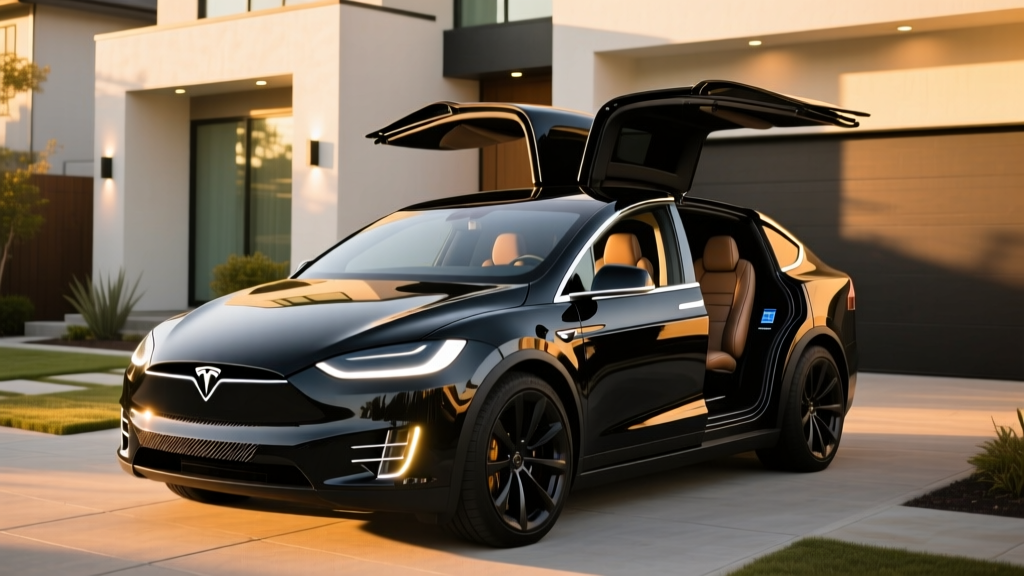
IF you need three rows of seating → THEN the Rivian R1S and Kia EV9 (300 mi EPA, from $54,900) are currently the primary electric three-row SUV options. The Tesla Model X qualifies but starts above $80,000.
IF your budget is under $35,000 → THEN the current new-EV market offers limited options. Consider a used 2024 Chevy Equinox EV or a certified pre-owned Tesla Model Y. The §25E used EV credit offers up to $4,000 on qualifying pre-owned models under $25,000.
Battery Longevity, Warranties, and Resale Considerations
Every major automaker provides a minimum 8-year/100,000-mile battery and powertrain warranty, with some (Hyundai, Kia) extending to 10 years/100,000 miles. These warranties cover defects and capacity loss below a defined threshold — typically 70% of original capacity. In practice, degradation data from Tesla's fleet reports and IIHS-tracked owner surveys show most modern EV batteries retain 85–90% capacity after 100,000 miles.
Battery replacement outside warranty is expensive: $12,000–$22,000 depending on pack size. However, outright failures before 150,000 miles remain rare. For most buyers planning a 5–8 year ownership cycle, battery replacement is a statistical edge case, not a budget line item.
Resale values for electric SUVs have been volatile. Tesla's price cuts in 2023–2024 depressed used EV values broadly. As of 2026, depreciation is stabilizing but still generally steeper than comparable gas SUVs over the first three years. Lease deals on electric SUVs often make more financial sense than purchasing, particularly when residual values are uncertain.
Frequently Asked Questions
Is a 2024 electric SUV still worth buying in 2026?
Yes, if priced competitively. Many 2024 models (Chevy Equinox EV, Hyundai Ioniq 5) remain in production with minimal changes through 2026. A leftover 2024 model year vehicle may carry dealer discounts of $3,000–$6,000, making it a strong value. Verify that the battery warranty starts from the original in-service date, not the model year.
How much does it cost to install a home Level 2 charger?
Expect $500–$1,500 for a straightforward installation (charger unit + electrician labor + permit) if your panel has capacity. Add $1,500–$3,000 if you need a 200-amp panel upgrade. The charger itself costs $300–$700 for a quality 32–48 amp unit (ChargePoint Home Flex, Emporia Vue, Tesla Wall Connector).
Do electric SUVs cost more to insure?
Typically 15–25% more than equivalent gas SUVs, due to higher repair costs and parts pricing. Average annual premiums for a Tesla Model Y run $2,200–$2,800 depending on state and driving record. Shop quotes from multiple insurers — some (Geico, Progressive, USAA) offer specific EV discounts.
Can I road-trip an electric SUV cross-country?
Yes. The Tesla Supercharger network and expanding NACS-compatible infrastructure cover all major US interstate corridors. Plan 20–25 minute charging stops every 200–250 miles. Apps like A Better Routeplanner and PlugShare help map reliable routes. The real limitation is rural areas in the Mountain West and parts of the South — check coverage before committing to an EV-only road trip in those regions.
Should I get an electric SUV or a hybrid SUV?
Choose electric if you have home charging, drive under 250 miles/day, and want the lowest per-mile operating cost. Choose a hybrid (Toyota RAV4 Hybrid, ~39 MPG combined) if you lack reliable charging access, regularly drive 400+ miles without stopping, or want a lower purchase price with no range compromises. A PHEV splits the difference — electric commuting, gas flexibility.