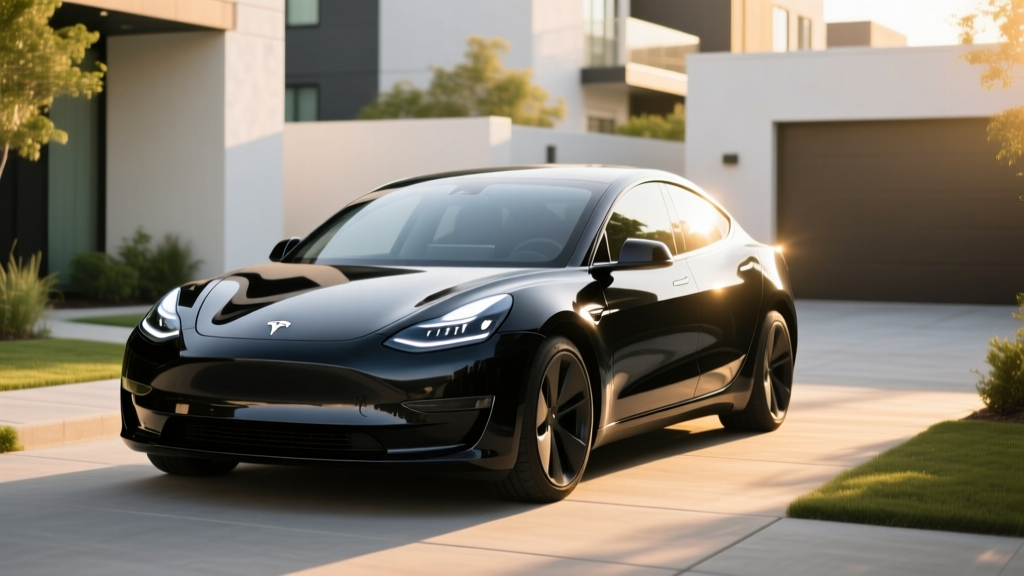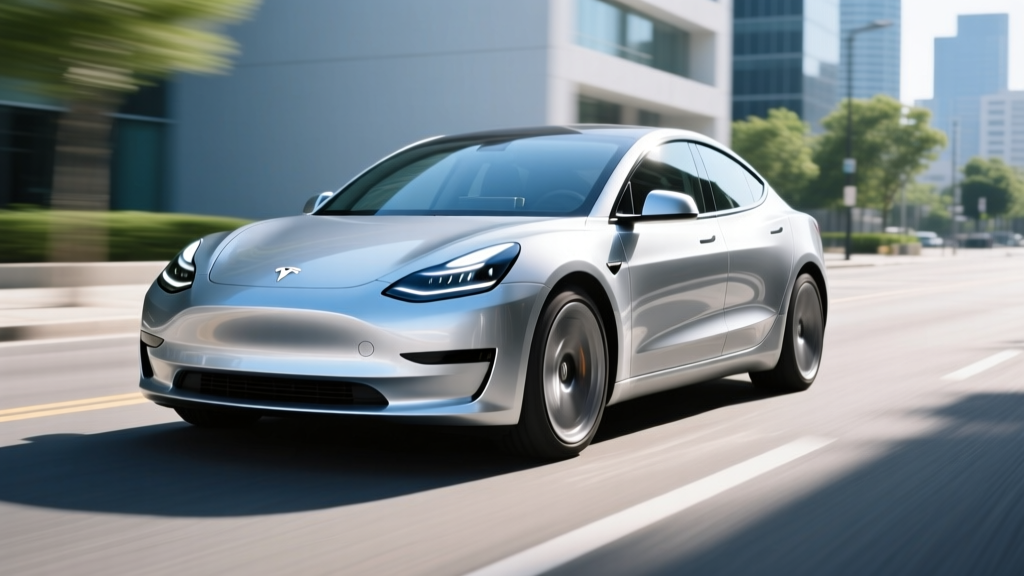
The refreshed Tesla Model 3 Dual Motor (also badged Long Range AWD) remains one of the most compelling all-around electric sedans on the market. With a 4.2-second 0-60 mph sprint, 341 miles of EPA range, and access to the industry's most reliable DC fast-charging network, it balances performance and daily usability in a package starting under $48,000. But the "Highland" refresh that debuted for 2024 has matured into the 2026 model year with updated pricing, new paint options, and continued eligibility for the federal EV tax credit — making it a serious contender against the Hyundai Ioniq 6, BMW i4, and Polestar 2.
This review breaks down every spec that matters to real buyers: real-world range versus the EPA sticker, sustained DC fast-charging speeds (not just peak kW), home charging practicality, and the exact §30D tax-credit rules that determine whether you'll pay $47,490 or closer to $39,990. Let's get into the numbers.
Quick Specs: Tesla Model 3 Dual Motor at a Glance
| Spec | Value |
|---|---|
| EPA Range | 341 miles |
| Battery (usable) | ~75 kWh, NMC chemistry |
| Drivetrain | Dual Motor AWD |
| Horsepower | ~346 hp (combined) |
| 0-60 mph | 4.2 seconds |
| Top Speed | 125 mph |
| Max DC Fast Charge | 250 kW (peak) |
| 10-80% DC Charge | ~27 minutes |
| Level 2 Home Charge | 11.5 kW (~44 mi/hr) |
| Efficiency | 134 MPGe combined / 25 kWh/100mi |
| Cargo Volume | 23 cu ft (trunk + frunk) |
| Base MSRP | $47,490 (before incentives) |
| Battery Warranty | 8 years / 120,000 miles |
Performance: The Dual Motor 0-60 Story
The headline number — 4.2 seconds from 0-60 mph — places the Model 3 Dual Motor firmly in sports-sedan territory. For context, that's quicker than a BMW 330i xDrive (5.6 sec) and nearly matches the Audi S4 (4.4 sec), but with zero tailpipe emissions and a fraction of the fuel cost. Tesla achieves this with a dual-motor all-wheel-drive setup: a permanent-magnet motor on the rear axle for efficiency and an induction motor up front that can freewheel to reduce drag during highway cruising.
The combined output of approximately 346 horsepower and 389 lb-ft of torque delivers linear, instant thrust — no turbo lag, no downshifts. In real-world driving, the Model 3 Dual Motor feels quicker than its 4.2-second rating suggests, particularly in the 0-30 mph range where electric torque delivery is immediate. The low center of gravity (battery pack mounted under the floor) and well-tuned adaptive damping (introduced with the Highland refresh) make it genuinely engaging on canyon roads, a notable improvement over the pre-2024 Model 3's floatier ride.
For buyers specifically researching the Tesla Model 3 Dual Motor 0-60 time, it's worth noting that the Performance variant drops that to 2.9 seconds — but at the cost of roughly 30 miles of EPA range and a $5,000 price premium. The standard Dual Motor strikes the better balance for most drivers.
Range & Efficiency: EPA vs. Real-World Expectations
The Model 3 Long Range AWD uses a ~75 kWh usable battery pack with NMC (nickel-manganese-cobalt) chemistry, chosen for its higher energy density compared to LFP. This gives Tesla the packaging flexibility to deliver 341 EPA miles without excessive weight. Efficiency is rated at 134 MPGe combined (25 kWh per 100 miles) according to fueleconomy.gov, making it one of the most efficient all-wheel-drive EVs in its class.
For context, the Hyundai Ioniq 6 SEL AWD achieves 111 MPGe combined with a 316-mile range, and the BMW i4 xDrive40 rates at 98 MPGe with 276 miles. The Model 3's efficiency advantage comes from its heat pump (standard on all trims), aerodynamic drag coefficient of 0.219 Cd, and the front induction motor's ability to disconnect during steady-state cruising.
Cold-weather owners should note: Tesla's battery preconditioning feature — activated automatically when you navigate to a Supercharger — warms the pack for optimal charging and temporarily mitigates range loss. However, if you're cold-soaking overnight without a garage, plan for 20-25% range reduction in sub-freezing temperatures.
Charging Speed: DC Fast, Level 2, and the Supercharger Advantage
| Charging Level | Power | Speed (miles added) | Notes |
|---|---|---|---|
| Level 1 (120V household) | ~1.4 kW | ~5 mi/hr | Emergency/trickle only |
| Level 2 (240V home/public) | 11.5 kW (max) | ~44 mi/hr | Full charge in ~7-8 hours |
| DC Fast (Tesla Supercharger V3/V4) | 250 kW (peak) | ~170 mi in 15 min | 10-80% in ~27 min |
| DC Fast (CCS adapter, non-Tesla) | ~150-200 kW (typical) | Varies by station | Adapter sold separately or included depending on build date |
The Model 3 Dual Motor peaks at 250 kW on Tesla's V3 and V4 Superchargers. In practice, the charging curve holds above 200 kW from roughly 10-30% state of charge, then tapers progressively. A 10-80% session takes approximately 27 minutes at a V3 Supercharger — competitive with the Hyundai Ioniq 5's 18-minute 10-80% time on 350 kW chargers, though the Model 3 doesn't support 800V architecture for ultra-rapid charging.
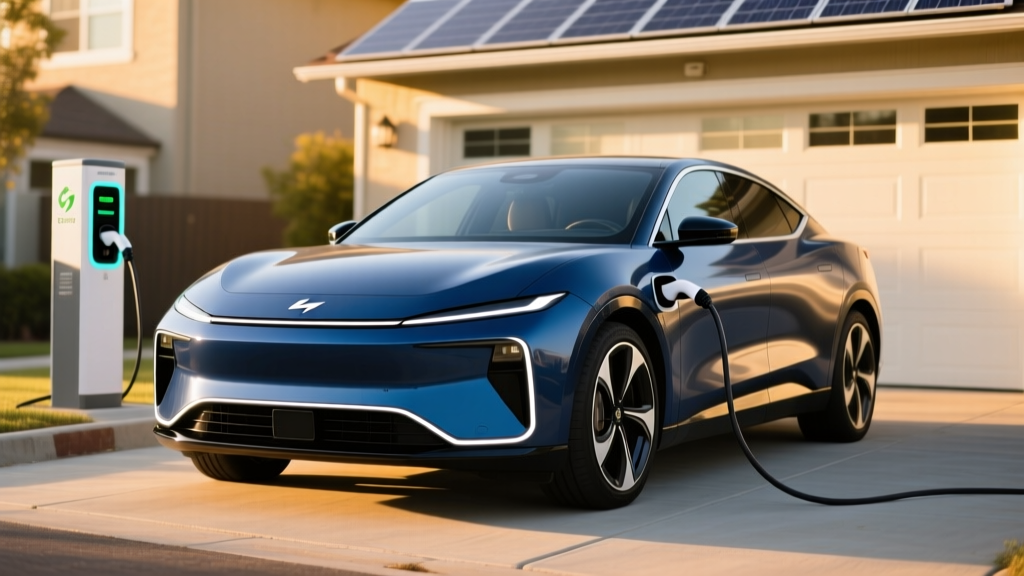
At home on a Level 2 wall connector (48-amp circuit, 60-amp breaker), the onboard charger accepts up to 11.5 kW, adding about 44 miles of range per hour. A full overnight charge from 10-90% takes roughly 6-7 hours. Tesla's Wall Connector costs approximately $475, and professional installation typically runs $500-$1,500 depending on your electrical panel's capacity and the run length from panel to garage. Homes with 100-amp service may need a panel upgrade ($1,500-$3,000) before adding a dedicated 60-amp EV circuit.
Non-Tesla charging: The Model 3 uses the NACS (North American Charging Standard) connector natively. With Tesla now opening its Supercharger network to other brands, the Model 3 benefits from the most extensive and reliable DC fast-charging infrastructure in North America — over 6,500 V3/V4 Supercharger stalls in the U.S. alone. For CCS-based networks (Electrify America, EVgo), a NACS-to-CCS adapter is available.
Pricing, Tax Credits, and Total Cost
| Item | Amount |
|---|---|
| Base MSRP (Long Range AWD) | $47,490 |
| Destination Fee | $1,390 |
| FSD (Supervised) Option | +$8,000 (or $99/mo) |
| As-Tested Price (w/ premium paint + FSD) | ~$58,880 |
| §30D Federal Tax Credit (if eligible) | Up to $7,500 |
| Effective Price After Max Credit | ~$39,990 |
The 2026 Model 3 Long Range AWD starts at $47,490 before destination. With the $1,390 delivery fee, you're looking at $48,880 out the door before any incentives. Add premium metallic paint ($1,500-$2,500 depending on color) and Full Self-Driving (Supervised) at $8,000, and an as-tested example can push past $58,000.
Federal tax credit eligibility (§30D): The Model 3 Long Range AWD qualifies for up to $7,500 in federal tax credits, but eligibility depends on several factors per IRS guidelines:
- MSRP cap: Sedans must be under $55,000 MSRP. The base Model 3 Long Range qualifies; adding FSD pushes it over the cap.
- Buyer income limits: Modified AGI must not exceed $150,000 (single), $225,000 (head of household), or $300,000 (joint).
- Battery sourcing: Critical minerals and battery component requirements phase in annually. Verify current-year compliance on the IRS clean vehicle credit page before purchasing.
- Point-of-sale transfer: As of 2024, buyers can transfer the credit to the dealer at purchase, reducing the upfront price rather than waiting for a tax refund.
Because these rules change and have specific sourcing requirements that Tesla periodically updates, always confirm eligibility with your tax professional and check the IRS clean vehicle credit page before signing a purchase agreement.
Interior, Cargo, and Daily Livability
The post-Highland Model 3 interior is a marked improvement over the pre-2024 cabin. Materials are softer, ambient lighting is standard, and the rear seats now include a small touchscreen for climate and media control. Front legroom measures 42.3 inches; rear legroom is 34.9 inches — adequate for adults on shorter trips but tighter than a Hyundai Ioniq 6 (37.2 in rear) for long highway rides.
Cargo volume totals 23 cubic feet (trunk plus front trunk/frunk). The trunk opening is a conventional sedan lid rather than a hatchback, which limits practicality for bulky items. The frunk holds approximately 3.1 cu ft — enough for a charging cable bag and a small duffel. For comparison, the Hyundai Ioniq 6 offers 12.3 cu ft of trunk space (no frunk), while the Tesla Model Y hatchback provides 76 cu ft with seats folded.
The 15.4-inch central touchscreen handles all infotainment, climate, and vehicle settings. There is no physical instrument cluster — speed and navigation appear on the center display. This minimalist approach continues to polarize: some buyers love the clean aesthetic; others find the lack of physical buttons for climate and mirrors frustrating during daily use. Wireless phone charging, ventilated front seats, and a 17-speaker audio system are standard on the Long Range trim.
Driver Assistance and Technology
Standard Autopilot includes Traffic-Aware Cruise Control and Autosteer (lane-centering on highways). The optional FSD (Supervised) package ($8,000 one-time or $99/month) adds automatic lane changes, traffic-light and stop-sign recognition, and Navigate on Autopilot for highway on/off-ramp routing. In our experience, FSD performs well on well-marked divided highways but requires constant vigilance in construction zones, unmapped areas, and complex urban intersections.
The Model 3 earned a Top Safety Pick+ rating from the IIHS and a 5-star overall rating from NHTSA, with strong scores across frontal, side, and rollover crash tests. Standard active-safety features include automatic emergency braking, blind-spot monitoring, lane-departure warning, and rear cross-traffic alert.
Unique Tesla tech features include Sentry Mode (360° camera recording when parked), Dog Mode (climate control for pets), Dashcam, over-the-air software updates that regularly add features, and the Tesla app's remote preconditioning and charging management.
Warranty and Long-Term Ownership
Tesla covers the Model 3 with a 4-year/50,000-mile basic vehicle warranty and an 8-year/120,000-mile battery and drive unit warranty. The battery warranty guarantees at least 70% capacity retention over the coverage period — meaning Tesla will repair or replace the pack if it degrades below 70% of its original capacity within 8 years or 120,000 miles.
NMC battery packs in the Model 3 have demonstrated approximately 10-12% degradation over the first 100,000 miles based on fleet data, with the steepest drop occurring in the first 20,000 miles before leveling off. To maximize longevity, Tesla recommends daily charging to 80-90% for NMC packs (unlike LFP packs, which tolerate 100% daily charges) and reserving 100% charges for road trips.
Insurance costs tend to run higher than comparable gas sedans. Expect annual premiums in the $1,800-$2,800 range depending on your state, driving record, and coverage level — roughly 20-30% more than a Toyota Camry. Tesla Insurance is available in select states and may offer competitive rates for drivers with clean records.
Pros and Cons: Honest Assessment
Pros
- 4.2-sec 0-60 mph — genuine sports-sedan acceleration
- 341-mi EPA range with class-leading 134 MPGe efficiency
- Access to Tesla Supercharger network (most reliable DC fast-charging in the U.S.)
- Low center of gravity, sharp handling post-Highland refresh
- Over-the-air updates continuously add features
- Top Safety Pick+ (IIHS) and 5-star NHTSA rating
- Eligible for up to $7,500 federal tax credit (with caveats)
Cons
- Trunk lid (not hatchback) limits cargo versatility
- Rear legroom (34.9 in) is tighter than Ioniq 6 and Polestar 2
- All controls on touchscreen — no physical buttons or stalks
- FSD ($8,000) pushes MSRP over the $55K §30D tax-credit cap
- 250 kW peak DC charge — slower than 800V rivals (Ioniq 5 at 350 kW)
- Insurance premiums run 20-30% above comparable gas sedans
- Turn signals on steering wheel (no stalk) take adaptation
Who Should Buy the Model 3 Dual Motor?
Consider alternatives if: You need hatchback cargo space (look at the Model Y or Ioniq 5), you want 800V ultra-fast charging (Ioniq 5/6), you prefer physical buttons and a traditional instrument cluster (BMW i4), or you regularly carry tall rear-seat passengers (Polestar 2 offers more rear headroom).
Frequently Asked Questions
What is the real-world range of the Tesla Model 3 Dual Motor?
The EPA rates it at 341 miles. In real-world highway driving at 70-75 mph, expect 280-300 miles. Cold weather (below 30°F) can reduce that to 230-260 miles. City driving with regenerative braking often matches or slightly exceeds the EPA estimate.
How fast does the Model 3 Dual Motor charge?
On a Tesla V3 Supercharger, it peaks at 250 kW and charges from 10-80% in approximately 27 minutes, adding about 170 miles in 15 minutes. At home on a Level 2 Wall Connector (11.5 kW), it adds roughly 44 miles per hour, fully charging overnight in 6-7 hours.
Does the 2026 Model 3 Dual Motor qualify for the federal EV tax credit?
Yes, potentially up to $7,500 under IRS §30D — but only if the base MSRP stays under the $55,000 sedan cap (adding FSD pushes it over), your income is below the AGI limits ($150K single / $300K joint), and current-year battery-sourcing requirements are met. Always verify on the IRS clean vehicle credit page before purchasing.
Is the Model 3 Dual Motor worth buying over the Ioniq 6 or BMW i4?
The Model 3 wins on range (341 vs. 316 for Ioniq 6 AWD), efficiency (134 vs. 111 MPGe), and Supercharger network access. The Ioniq 6 offers 800V ultra-fast charging and a hatchback-like liftback design. The BMW i4 provides a more traditional luxury interior with physical controls but sacrifices range (276 mi) and efficiency. Choose based on your priorities: the Model 3 is the best all-rounder; the Ioniq 6 is the charging-speed leader; the i4 is the traditionalist's pick.
How long will the Model 3 battery last?
Tesla warranties the NMC battery pack for 8 years / 120,000 miles with a 70% capacity-retention guarantee. Fleet data suggests 10-12% degradation over 100,000 miles, with many packs lasting well beyond 200,000 miles before needing replacement. Charging to 80-90% daily (not 100%) and avoiding frequent DC fast-charging extends longevity.
Is Tesla Autopilot or FSD self-driving?
No. Both Autopilot and FSD (Supervised) are SAE Level 2 driver-assistance systems. You must keep your hands on the wheel, remain attentive, and be prepared to take over instantly. Only Level 4 services like Waymo operate without a human driver behind the wheel.