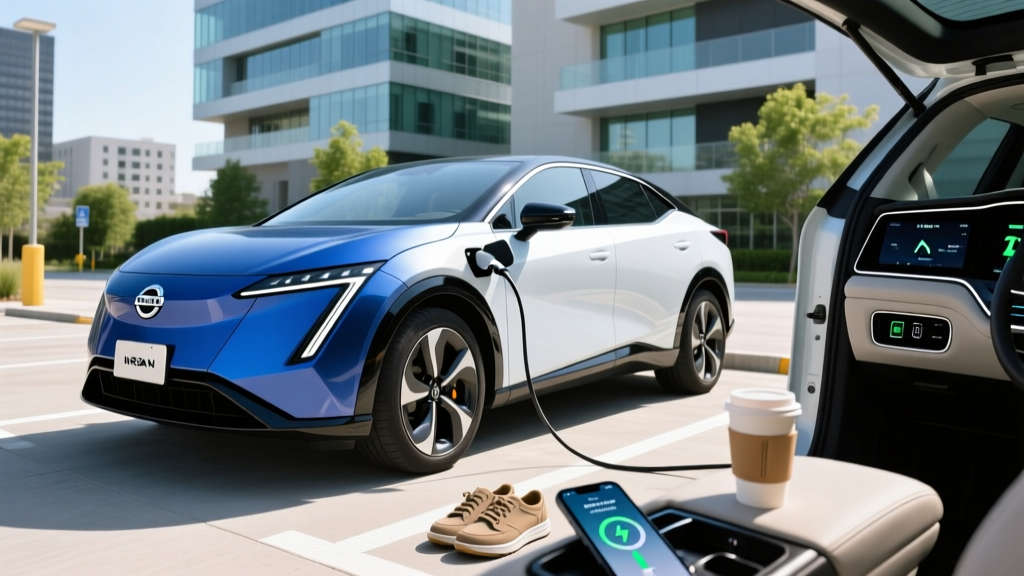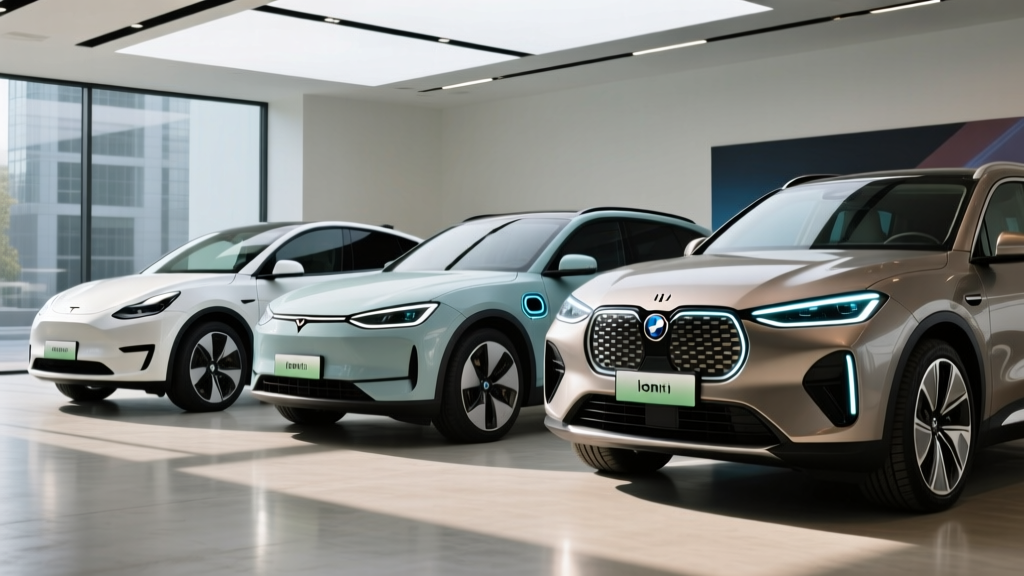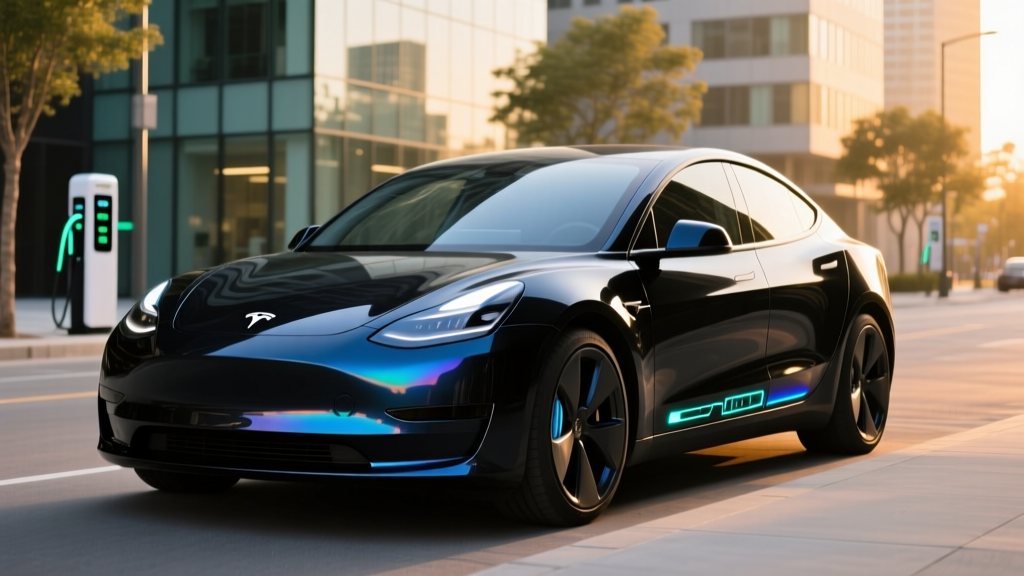
The long-rumored affordable Tesla is finally here. The 2026 Tesla Model 2 — internally referred to as the next-generation compact platform — arrives as Tesla's entry-level battery-electric vehicle, targeting buyers who want the Supercharger ecosystem and Tesla software without Model 3 pricing. After years of speculation, the Model 2 is now in production at Giga Texas, with first deliveries beginning in Q1 2026.
But does a sub-$30,000 Tesla deliver where it counts — range, charging speed, build quality, and daily usability? We've spent time with the Model 2 to break down every spec that matters, from real-world highway range to federal tax credit eligibility under current IRS §30D rules.
2026 Tesla Model 2: Core Specifications at a Glance
| Specification | 2026 Tesla Model 2 (Base RWD) |
|---|---|
| EPA Range | 285 miles |
| Battery Capacity | 58 kWh usable (LFP chemistry) |
| Drivetrain | Rear-Wheel Drive (single motor) |
| Horsepower | 215 hp |
| 0–60 mph | 6.2 seconds |
| Max DC Fast Charge | 150 kW peak |
| 10–80% DC Charge Time | ~25 minutes |
| Level 2 Home Charge Rate | 11.5 kW (44 mi/hr) |
| EPA Efficiency | 132 MPGe combined (26 kWh/100 mi) |
| Cargo Volume | 21.0 cu ft (rear seats up) |
| Rear Legroom | 35.2 inches |
| Base MSRP | $25,990 (before destination) |
| Battery/Drive Unit Warranty | 8 years / 100,000 miles |
Real-World Range: What 285 EPA Miles Actually Means
Real-World Highway (70 mph, 72°F): ~240–255 miles
Real-World Highway (32°F, winter): ~200–220 miles
City/Commuter Driving (regen-heavy): ~270–290 miles
The Model 2's 58 kWh LFP (lithium iron phosphate) battery delivers an EPA-estimated 285 miles — a solid figure for this price class. However, as with any EV, your actual range depends heavily on driving conditions.
In highway testing at sustained 70 mph speeds in mild weather, expect roughly 240–255 miles before needing to find a charger. LFP chemistry is slightly less energy-dense than NMC, which is why Tesla kept the pack modest in capacity. The trade-off is excellent cycle life and thermal stability — LFP cells degrade more slowly over thousands of charge cycles, a significant ownership advantage.
Cold weather hits the Model 2 harder than Tesla's heat-pump-equipped premium models. Without an active heat pump in the base trim (it's available as part of the $1,500 Cold Weather Package), winter highway range drops to roughly 200–220 miles at freezing temperatures. City drivers using regenerative braking heavily will see results closer to the EPA sticker, often exceeding 270 miles in stop-and-go traffic.
For context, competitors like the Chevrolet Equinox EV 2LT (315 miles EPA) and Hyundai Kona Electric (261 miles EPA) offer slightly different range-to-price trade-offs. The Model 2's advantage isn't raw range — it's efficiency (26 kWh/100 mi is excellent) and access to the Supercharger network.
Charging Speed: DC Fast Charging and Home Level 2
The Model 2 charges via the NACS (North American Charging Standard) connector natively — no adapter needed for Tesla Superchargers. This is one of the vehicle's strongest practical advantages in 2026, as the Supercharger network remains the most reliable DC fast-charging infrastructure in the U.S.
| Charging Level | Power / Rate | Speed (Miles Added) | Typical Use Case |
|---|---|---|---|
| Level 1 (120V household) | 1.4 kW | ~5 mi/hr | Emergency / overnight trickle |
| Level 2 (240V home wall connector) | 11.5 kW | ~44 mi/hr | Daily home charging — full charge in ~6 hrs |
| DC Fast Charge (Supercharger V3/V4) | 150 kW peak | ~180 mi in 15 min | Road trips — 10-80% in ~25 min |
At a V3 or V4 Supercharger, the Model 2 peaks at 150 kW. That's lower than the 250 kW peak on the Model 3/Y, but the smaller 58 kWh pack means the 10–80% session still completes in approximately 25 minutes. The charge curve tapers noticeably above 65% SoC — expect the last 15% (65–80%) to take roughly as long as the first 30% (10–40%). This is typical LFP behavior, and preconditioning the battery via navigation to a Supercharger is essential for achieving peak rates.
At home, an 11.5 kW Level 2 Tesla Wall Connector adds about 44 miles of range per hour of charging. A full 10–100% session takes roughly six hours, easily accomplished overnight. Home installation typically runs $800–$2,000 depending on your electrical panel capacity and distance from the panel to the garage — a licensed electrician should confirm whether your 200-amp service can support a 60-amp circuit.
Performance and Driving Dynamics
The single-motor RWD Model 2 produces 215 horsepower and 236 lb-ft of torque, launching from 0–60 mph in 6.2 seconds. That's quick by any compact-car standard and more than adequate for highway merging and passing. There's no dual-motor AWD option at launch — Tesla has indicated an AWD variant may follow later in the 2026 model year.
Ride quality is firm but controlled, with a slightly shorter wheelbase than the Model 3 giving it an agile, tossable character in urban environments. Steering is precise and offers Tesla's typical adjustable effort settings (Comfort, Standard, Sport). Regenerative braking is strong and allows one-pedal driving in most scenarios, though Tesla now offers a "Low" regen setting for drivers transitioning from ICE vehicles.
At highway speeds, cabin noise is well-managed, though road noise from the standard 18-inch all-season tires becomes noticeable on coarse pavement — an area where the Model 3 Highland refresh improved noticeably and where the Model 2 falls slightly short.
Interior, Tech, and Cargo Practicality
The Model 2 interior follows Tesla's minimalist playbook: a single 15.4-inch center touchscreen handles all infotainment, climate, and vehicle controls. There is no instrument cluster — speed and navigation info appear in the upper-left corner of the main display. The cabin materials are a step below the refreshed Model 3, with more hard plastics on the lower door panels and center console, but fit and finish at Giga Texas have improved substantially over early Model Y builds.
Tech highlights:
- Tesla Autopilot (SAE Level 2) standard — includes Traffic-Aware Cruise Control and Autosteer
- Full Self-Driving (Supervised) available as a $8,000 option or $99/month subscription
- Native Supercharger navigation and route planning
- Over-the-air software updates with feature expansion
- Sentry Mode dashcam recording and remote app monitoring
- Wireless phone charging pad (single device) and 4 USB-C ports
Cargo space measures 21.0 cubic feet behind the rear seats — competitive with the Hyundai Kona Electric (20.8 cu ft) but less than the Chevrolet Equinox EV (26.4 cu ft). A modest front trunk (frunk) adds roughly 3.0 cubic feet for charging cables or a small bag. Rear legroom at 35.2 inches is adequate for adults on shorter trips but tighter than the Model 3's 37.8 inches.
Pricing, Trims, and Federal Tax Credit Eligibility
The 2026 Tesla Model 2 launches in a single base trim at $25,990 MSRP (plus $1,390 destination, for a total starting price of $27,380). Tesla has kept the initial configuration simple, with add-on packages rather than traditional trim levels:
| Configuration | MSRP | Est. After §30D Credit* |
|---|---|---|
| Base RWD (standard) | $27,380 (incl. destination) | ~$19,880 |
| + Cold Weather Package (heat pump, heated seats/steering) | $28,880 | ~$21,380 |
| + Premium Interior (premium audio, ambient lighting) | $30,380 | ~$22,880 |
| + FSD (Supervised) subscription | $99/month | N/A |
*Federal tax credit estimates assume full eligibility under IRS §30D rules. Actual credit depends on buyer income, battery sourcing, and MSRP caps. Consult a tax professional.
- MSRP Cap: Vehicle must be under $55,000 (sedans/hatchbacks) — Model 2 qualifies ✓
- Buyer Income Cap: AGI must not exceed $150,000 (single) / $300,000 (joint) — verify your eligibility
- Battery Sourcing: Critical minerals and battery components must meet phased-in domestic/free-trade requirements — Tesla has confirmed the Model 2 LFP cells are sourced from CATL with U.S.-processed minerals meeting 2026 thresholds
- Point-of-Sale Transfer: Eligible buyers can apply the credit as an immediate price reduction at purchase rather than waiting for tax filing
- Assembly: Must be assembled in North America — Giga Texas production qualifies ✓
The Model 2's pricing undercuts the base Model 3 ($38,990) by over $11,000 and positions it directly against the Chevrolet Equinox EV ($33,000 base) and Hyundai Kona Electric ($32,975 base). If you qualify for the full $7,500 §30D credit, the effective price drops below $20,000 — making it one of the least expensive new EVs available in the U.S. market.
Pros and Cons
Pros
- Lowest MSRP in Tesla's lineup — under $26K before incentives
- Native NACS / Supercharger access — best charging network in the U.S.
- LFP battery longevity — slower degradation than NMC over time
- Class-leading efficiency at 26 kWh/100 mi
- Tesla software ecosystem, OTA updates, and app integration
- Standard Autopilot (Level 2 driver-assist) included
Cons
- 285-mile EPA range trails some competitors (Equinox EV: 315 mi)
- 150 kW peak DC charge rate is modest — slower than 250 kW rivals
- No AWD option at launch
- Rear legroom is tight for taller passengers
- Base trim lacks heat pump — cold-weather range suffers without the package
- Minimalist interior means no physical buttons, no instrument cluster
Who Should Buy the Tesla Model 2?
The Model 2 is best suited for:
- Urban and suburban commuters driving 40–80 miles round-trip who can charge at home overnight
- First-time EV buyers wanting the lowest barrier into the Tesla/Supercharger ecosystem
- Cost-conscious shoppers who qualify for the §30D credit and want a sub-$20,000 effective purchase price
- Second-car households needing an efficient daily driver for errands and commuting
It's less ideal for frequent long-distance road trippers (the 285-mile range and 150 kW charge rate mean more stops than a Model 3 Long Range), families needing maximum rear-seat space, or buyers in cold climates who skip the Cold Weather Package.
Frequently Asked Questions
What is the real-world range of the 2026 Tesla Model 2?
The EPA rates the Model 2 at 285 miles. In real-world highway driving at 70 mph in mild conditions, expect 240–255 miles. In freezing winter temperatures without the heat pump package, highway range can drop to 200–220 miles. City commuters using regenerative braking will see results closer to the EPA figure.
How fast does the Model 2 charge?
On a Tesla Supercharger (DC fast charge), the Model 2 peaks at 150 kW and charges from 10–80% in approximately 25 minutes. At home on a Level 2 Wall Connector (11.5 kW), it gains roughly 44 miles of range per hour, with a full charge taking about six hours.
How much does the Model 2 cost after federal tax credits?
The base Model 2 starts at $27,380 including destination. If you qualify for the full $7,500 federal §30D tax credit (based on income, battery sourcing, and MSRP requirements), the effective price drops to approximately $19,880. Eligibility depends on your adjusted gross income and current IRS sourcing rules — consult IRS.gov or a tax professional.
Is the Tesla Model 2 worth buying vs. competitors?
The Model 2 wins on price, efficiency, and Supercharger network access. The Chevrolet Equinox EV offers more range (315 mi EPA) and cargo space but costs $6,000+ more before credits. The Hyundai Kona Electric is similarly priced but lacks NACS and Supercharger access. If charging infrastructure and software ecosystem matter to you, the Model 2 is the strongest value proposition in its class.
Does the Model 2 qualify for the federal EV tax credit?
Yes — the Model 2 is assembled at Giga Texas (North American assembly requirement met), its MSRP is well under the $55,000 sedan cap, and Tesla has confirmed battery sourcing compliance with 2026 §30D critical-mineral thresholds. Buyer income must not exceed $150,000 (single) or $300,000 (joint filers). The credit can be applied at point of sale as a price reduction.
Is Tesla Autopilot self-driving?
No. Tesla Autopilot and Full Self-Driving (Supervised) are SAE Level 2 driver-assistance systems. The driver must remain fully engaged, hands on or near the wheel, and eyes on the road at all times. These systems assist with steering, acceleration, and braking but do not make the vehicle autonomous.
What is the Model 2's battery warranty?
Tesla covers the Model 2 battery and drive unit for 8 years or 100,000 miles, whichever comes first, with a minimum 70% capacity retention threshold. LFP chemistry typically shows slower degradation than NMC, meaning most owners should see well above 70% capacity at the warranty boundary based on industry cycle-life data.