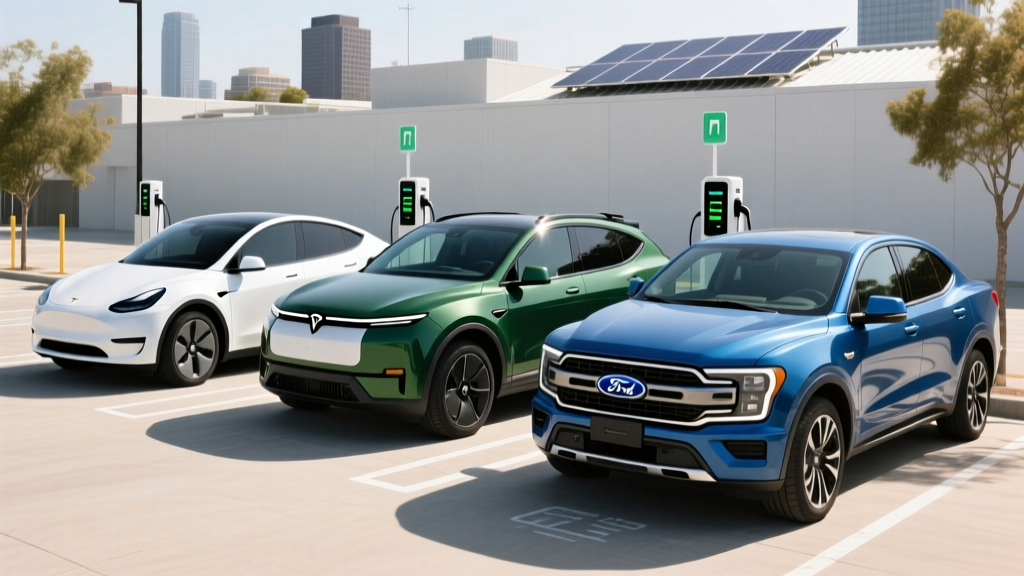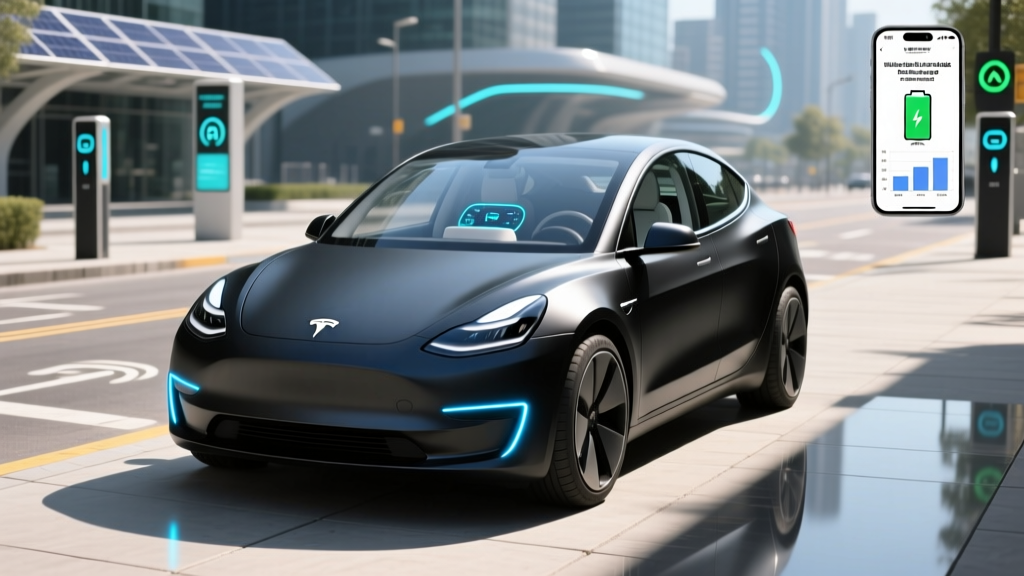
If you've been searching for a Tesla mini car, you're not alone. The idea of a compact, sub-$30,000 Tesla has circulated in EV forums and automotive press for years — often referred to as the "Model 2" or "Redwood." But as of early 2026, Tesla does not sell a dedicated mini or subcompact EV. What the company does offer is the most affordable entry point in its lineup: the Tesla Model 3 Rear-Wheel Drive, which serves as the closest thing to a budget-friendly, compact Tesla sedan you can actually order today.
This guide separates the persistent Tesla mini car rumors from the buyable reality, gives you the full spec breakdown on the most affordable Tesla available, and benchmarks it against legitimate compact EV competitors you can cross-shop right now.
The Tesla "Mini Car" Rumor: What We Know About the Model 2
Since roughly 2020, industry analysts and Elon Musk himself have referenced a next-generation, smaller Tesla platform — often dubbed the Model 2 or "Redwood" internally — targeting a ~$25,000 price point. The premise: a compact hatchback or crossover built on a smaller, cheaper unboxed platform with a next-gen LFP battery, aimed at mass-market buyers globally.
As of 2026, however, Tesla has not officially announced, priced, or opened reservations for a Model 2 or any subcompact "mini" Tesla. Reports from Reuters, Bloomberg, and Tesla's own earnings calls have alternately suggested the project was delayed, re-scoped toward a robotaxi-first vehicle, or folded into the next-generation Model 3 refresh. Until Tesla publishes specs and opens a configurator, any "Tesla mini car" remains speculative.
The Closest Thing: 2026 Tesla Model 3 RWD Full Review
For buyers who want a Tesla today at the lowest possible price, the 2026 Tesla Model 3 Rear-Wheel Drive (RWD) is the de facto "entry-level Tesla." It's a compact executive sedan — not a mini car in the Fiat 500e sense — but it's the smallest, most affordable vehicle in Tesla's current lineup and competes directly with compact EVs from Hyundai, BMW, and Volvo.
| Spec | Value |
|---|---|
| EPA Range | 272 miles |
| Battery (Usable) | ~57.5 kWh, LFP (Lithium Iron Phosphate) |
| Drivetrain | Rear-Wheel Drive (single motor) |
| Horsepower | 271 hp |
| 0–60 mph | 5.8 seconds |
| Peak DC Fast Charge | 170 kW (NACS connector) |
| 10–80% DCFC Time | ~25 minutes |
| Level 2 Home Charging | 11.5 kW (~44 mi/hr) |
| Efficiency | 132 MPGe combined / 25 kWh/100mi |
| Cargo Volume | 23 cu ft (trunk + frunk) |
| Rear Legroom | 35.3 inches |
| Base MSRP | $38,990 (before incentives) |
| Battery/Drive Unit Warranty | 8 years / 100,000 miles |
Source: EPA fueleconomy.gov, Tesla.com configurator (2026 model year).
Real-World Range: What to Actually Expect
EPA Sticker: 272 miles
Real-World Highway (70 mph, mild weather): ~235–250 miles
Real-World City/Commuter (regen-heavy): ~260–275 miles
Cold Weather (below 32°F, highway): ~185–210 miles (25–30% loss typical for LFP)
The Model 3 RWD's LFP battery is durable and cost-effective, but it suffers more cold-weather range loss than NMC (nickel manganese cobalt) chemistries found in the Long Range variant. In our experience and consistent with testing by IIHS and independent EV reviewers, expect to lose roughly a quarter of your range on sub-freezing highway trips. Preconditioning the battery via the Tesla app before departure mitigates this somewhat, but LFP's thermal characteristics mean winter commuters in northern states should plan conservatively.
City drivers who use regenerative braking heavily will see numbers closer to — or even slightly above — the EPA estimate, since stop-and-go driving recaptures energy that highway driving at sustained speeds does not.
Charging Speed: DC Fast Charge and Home Setup
Charging speed is where the Model 3 RWD's LFP battery reveals a trade-off. LFP cells accept charge at a lower peak rate than NMC, which means the RWD charges slower at DC fast chargers than the Long Range or Performance variants.
| Level | Power (kW) | Speed | Notes |
|---|---|---|---|
| Level 1 (120V) | ~1.4 kW | ~5 mi/hr | Emergency only; full charge ~40+ hours |
| Level 2 (240V, 48A) | 11.5 kW | ~44 mi/hr | Full charge overnight (~6 hrs from 10%) |
| DC Fast Charge | Peak 170 kW | 10–80% in ~25 min | Tapers significantly above 80%; precondition via nav |
A critical detail many first-time EV buyers miss: peak kW is not sustained kW. The Model 3 RWD may hit 170 kW briefly in the 10–30% state-of-charge window, but the charge curve tapers progressively — especially above 60%. Your actual average rate over a 10–80% session at a Tesla Supercharger V3 or Electrify America station will be closer to 90–110 kW. Always navigate to a charger using the car's built-in routing to trigger battery preconditioning, which warms the pack for faster acceptance.
At home, a Level 2 wall connector on a 60-amp circuit (48 amps continuous) delivers the full 11.5 kW, adding roughly 44 miles of range per hour. Most owners who plug in nightly never need public charging for daily driving. Budget $500–$1,500 for a licensed electrician to install a 240V NEMA 14-50 outlet or hardwired Wall Connector, depending on your panel capacity and run distance. A panel upgrade (to 200A) can add $1,500–$3,000 if needed.
Tax Credit Eligibility: What You'll Actually Pay
The 2026 Tesla Model 3 RWD's sticker price is $38,990 (plus destination). However, the effective price depends heavily on your eligibility for the federal §30D EV tax credit, which can be applied as a point-of-sale rebate since 2024.
| Item | Amount |
|---|---|
| Base MSRP | $38,990 |
| Destination Fee | $1,390 |
| As-Tested (with FSD, no paint upgrade) | ~$47,380 |
| Federal §30D Credit (if eligible) | Up to $7,500 |
| Effective Price (after max credit) | ~$32,880 |
- MSRP Cap: Vehicle must be under $55,000 (sedans) — Model 3 RWD qualifies ✅
- Buyer Income Cap: Modified AGI ≤ $150,000 (single) / $300,000 (joint) — verify with your tax professional
- Battery Sourcing: Critical minerals and battery components must meet phased-in domestic/free-trade sourcing thresholds — Tesla's LFP cells have historically used CATL-sourced materials; confirm current-year compliance on IRS.gov before purchase
- Point-of-Sale Transfer: You can transfer the credit to the dealer at purchase to reduce your out-of-pocket cost immediately
- Final Assembly: Must be in North America — Model 3 is assembled in Fremont, CA ✅
Note: Battery sourcing requirements tighten annually. The Model 3 RWD's eligibility for the full $7,500 vs. a partial $3,750 credit depends on the specific battery batch. Always check the DOE/IRS qualified vehicle list before signing.
Tech, Interior, and Driver Assistance
The refreshed Model 3 (codenamed "Highland") brought meaningful improvements over the pre-2024 version: ventilated front seats, ambient lighting, a rear touchscreen for passengers, improved sound insulation, and a slightly softer ride. The minimalist interior still centers on a single 15.4-inch touchscreen — no instrument cluster, no physical stalks (turn signals are on the steering wheel rim, which takes adjustment).
Driver Assistance — SAE Level 2, Not Self-Driving:
Tesla's Basic Autopilot (included) and optional Full Self-Driving (Supervised) are SAE Level 2 systems. The driver must remain fully engaged, hands on or near the wheel, eyes on the road, and ready to take over at any moment. FSD (Supervised) can handle highway lane changes, on-ramps, and some city streets, but it is not autonomous. Only Level 4 services like Waymo operate without a human driver in defined geofenced areas.
The Model 3 earns strong safety marks: it holds a 5-star NHTSA overall rating and IIHS Top Safety Pick+ status when equipped with acceptable headlights. Standard features include automatic emergency braking, blind-spot monitoring, lane departure prevention, and dashcam/sentry mode recording.
Competitor Comparison: Is the Model 3 RWD the Best Compact EV?
If you're cross-shopping for an affordable, compact-ish EV, here's how the Model 3 RWD stacks up against key 2026 rivals:
| Spec | Tesla Model 3 RWD | Hyundai Ioniq 6 SE | BMW i4 eDrive35 | Volvo EX30 (Single Motor) |
|---|---|---|---|---|
| EPA Range | 272 mi | 361 mi | 301 mi | 275 mi |
| Battery | ~57.5 kWh LFP | 77.4 kWh NMC | 70.2 kWh NMC | 69 kWh NMC |
| Peak DCFC | 170 kW | 350 kW | 205 kW | 153 kW |
| 10–80% Time | ~25 min | ~18 min | ~31 min | ~26 min |
| 0–60 mph | 5.8s | 7.1s | 5.8s | 5.6s |
| Base MSRP | $38,990 | $42,600 | $52,200 | $36,250 |
| Supercharger Access | Native (NACS) | Via adapter (NACS) | Via adapter (NACS) | Via adapter (NACS) |
Source: fueleconomy.gov, manufacturer press sites. Prices and specs reflect 2026 model year as of publication.
The Model 3 RWD wins on base price (second only to the EX30), Supercharger network access (native NACS, no adapter needed), and software/OTA ecosystem. The Ioniq 6 SE dominates on range and charging speed thanks to its 800V architecture. The Volvo EX30 is the closest thing to a true "mini" premium EV but offers less rear-seat and cargo space. The BMW i4 is a step up in refinement but also in price, and likely falls outside the §30D MSRP cap for sedans.
✅ Choose the Tesla Model 3 RWD if…
- You want the lowest entry price into the Tesla/Supercharger ecosystem
- You primarily commute ≤40 miles round-trip and charge at home nightly
- You value OTA updates, Sentry Mode, and the Tesla app experience
- You want a sedan with strong safety ratings and good cargo space
⚠️ Look at competitors if…
- You need 300+ miles of real-world range (Ioniq 6 SE)
- You take frequent long road trips and want faster DC charging (Ioniq 6's 800V system)
- You want a true subcompact hatchback (Volvo EX30, Mini Cooper SE)
- You prefer physical buttons, a heads-up display, or a traditional instrument cluster
Pros, Cons, and Verdict
👍 Pros
- Lowest MSRP in Tesla's lineup; eligible for up to $7,500 federal credit
- Native NACS connector — full Supercharger network access without adapters
- Class-leading software, OTA updates, and mobile app integration
- LFP battery chemistry: longer cycle life, less degradation anxiety, can charge to 100% daily
- Strong safety ratings (NHTSA 5-star, IIHS TSP+)
- 23 cu ft cargo (trunk + frunk) is practical for a compact sedan
👎 Cons
- DC fast charging tops out at 170 kW — slower than Ioniq 6 and many rivals
- LFP battery loses more range in cold weather vs. NMC alternatives
- No physical controls — everything through the touchscreen (turn signals, mirrors, glovebox)
- Rear legroom (35.3") is tighter than Hyundai Ioniq 6 or older Model 3 expectations
- FSD (Supervised) costs $8,000 extra and remains Level 2 — not autonomous
- No dedicated "mini" or hatchback variant exists in Tesla's 2026 lineup
Who Is This EV For?
The 2026 Model 3 RWD is best suited for:
- Daily commuters with home charging and round trips under 80 miles — you'll rarely need public charging and can charge to 100% daily without LFP degradation concerns.
- Tech-forward buyers who prioritize software experience, OTA feature additions, and app-based vehicle management over traditional luxury materials.
- Budget-conscious EV shoppers who want Tesla's Supercharger reliability and brand cachet at the lowest possible price point.
It is not ideal for:
- Frequent road-trippers covering 300+ miles per day in cold climates — the 170 kW charge peak and LFP cold-weather losses add meaningful stops.
- Families needing rear-seat space — the Model Y or Ioniq 5 offer substantially more room.
- Buyers set on a true "mini car" — if you want something genuinely subcompact, the Volvo EX30, Mini Cooper SE, or Fiat 500e are smaller, though with less range.
Frequently Asked Questions
Does a Tesla mini car exist in 2026?
No. Tesla does not currently sell a subcompact or "mini" EV. The rumored Model 2 (a ~$25,000 compact vehicle) has been discussed in media and by Tesla leadership but has not been officially announced with specs, pricing, or a release date. The most affordable and compact Tesla you can buy today is the Model 3 RWD at $38,990.
What is the real-world range of the Tesla Model 3 RWD?
The EPA rates it at 272 miles. In real-world driving, expect roughly 235–250 miles on the highway in mild weather, 260–275 miles in city commuting with regen, and as low as 185–210 miles in sub-freezing highway conditions due to LFP chemistry characteristics.
How fast does the Model 3 RWD charge?
At a DC fast charger, it peaks at 170 kW and charges from 10–80% in approximately 25 minutes (with battery preconditioning). At home on a Level 2 (240V) Wall Connector, it charges at 11.5 kW, adding about 44 miles of range per hour — enough for a full overnight charge.
Does the Model 3 RWD qualify for the $7,500 federal tax credit?
It can, but eligibility depends on your income (≤$150K single / $300K joint AGI), the vehicle's MSRP (under $55K for sedans — it qualifies), and battery sourcing compliance with §30D critical-mineral and component rules. Because Tesla's LFP batteries have used CATL-sourced materials, the credit amount (full $7,500 vs. partial $3,750) may vary. Check the DOE qualified vehicle list and consult a tax professional before purchasing.
Is the Model 3 RWD worth buying vs. the Hyundai Ioniq 6 or Volvo EX30?
If your priority is the lowest price, native Supercharger access, and Tesla's software ecosystem, the Model 3 RWD is compelling — especially after the tax credit. If you need more real-world range and faster road-trip charging, the Ioniq 6 SE is the stronger pick. If you want a genuinely compact crossover, the EX30 is smaller and cheaper but has less cargo space. Test-drive all three before deciding.
What is the LFP battery, and why does it matter?
LFP (Lithium Iron Phosphate) is a battery chemistry that offers longer cycle life and less degradation over time compared to NMC, but with lower energy density and more cold-weather range loss. Tesla recommends charging LFP batteries to 100% at least weekly to maintain cell balancing — an advantage for daily commuters who want full range available every morning.