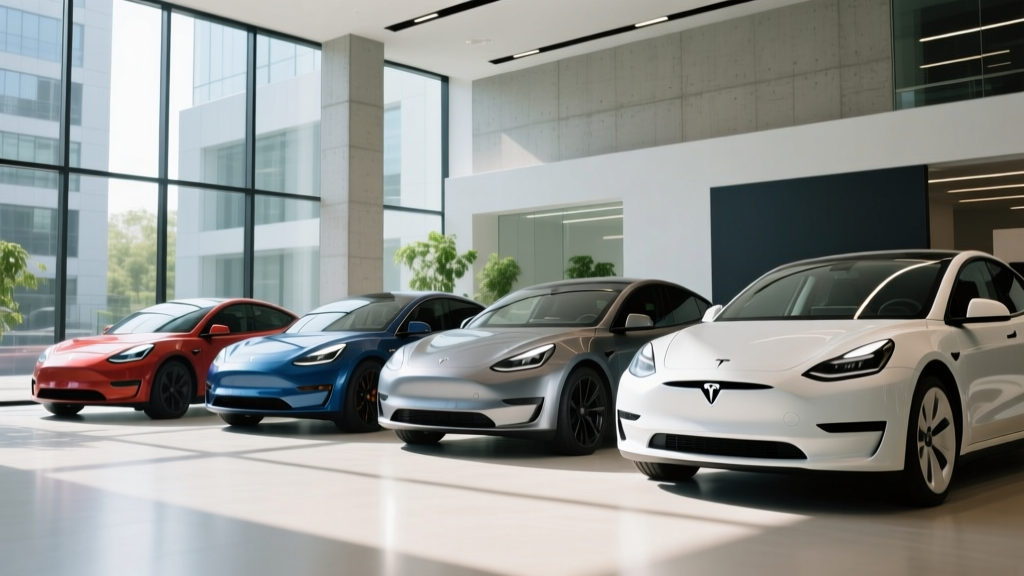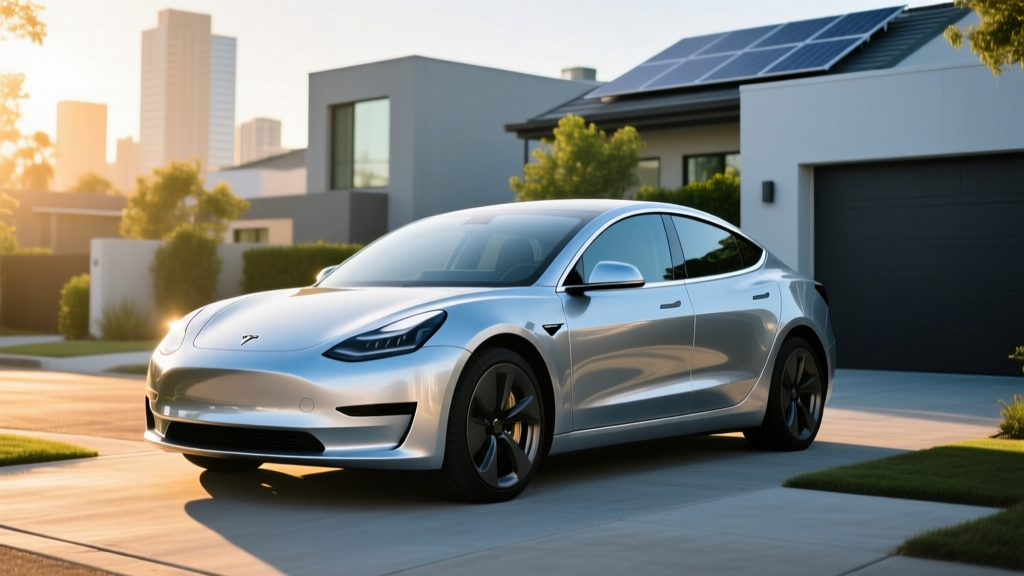
If you have searched for Tesla mileage expecting a single number, you already know the frustration: Tesla publishes one EPA range figure, owners report another on road trips, and winter commuters see something else entirely. The truth about Tesla mileage depends on which model you drive, which battery chemistry sits under the floor, and how you actually use the car.
This guide cuts through the noise with exact 2026 EPA figures, real-world range expectations, charging speeds, and efficiency data for every Tesla currently on sale — Model 3, Model Y, Model S, and Model X. No marketing fluff, just the numbers that matter when you are budgeting your commute or planning a 400-mile road trip.
Tesla Mileage at a Glance: 2026 EPA Range and Efficiency
Before we get into real-world adjustments, here are the official EPA-estimated range and efficiency figures for the current Tesla lineup. Note that Tesla periodically updates trims mid-year, so always verify on the configurator before ordering.
| Model / Trim | Battery (usable kWh) | Chemistry | EPA Range (mi) | MPGe (combined) | kWh/100 mi |
|---|---|---|---|---|---|
| Model 3 RWD | ~57.5 | LFP | 272 | 132 | 25 |
| Model 3 Long Range AWD | ~75 | NMC | 363 | 134 | 25 |
| Model 3 Performance | ~75 | NMC | 315 | 113 | 30 |
| Model Y RWD | ~57.5 | LFP | 270 | 123 | 27 |
| Model Y Long Range AWD | ~75 | NMC | 330 | 122 | 28 |
| Model Y Performance | ~75 | NMC | 300 | 111 | 30 |
| Model S LR | ~95 | NMC | 402 | 124 | 27 |
| Model S Plaid | ~95 | NMC | 359 | 116 | 29 |
| Model X LR | ~95 | NMC | 348 | 109 | 31 |
| Model X Plaid | ~95 | NMC | 320 | 100 | 33 |
Why Your Actual Tesla Mileage Differs from the Sticker
Three physics-driven factors explain the gap between EPA range and what you will see on your dashboard:
1. Highway Speed and Aerodynamic Drag
EVs are most efficient at low-to-moderate speeds because there is no idling and regenerative braking recovers energy in stop-and-go traffic. At 80 mph, aerodynamic drag consumes roughly 2.5× the energy it does at 55 mph. The Model S and Model X, despite their larger batteries, are especially affected — their taller, wider frontal area means highway efficiency drops faster than the sleeker Model 3.
2. Cold Weather and Battery Chemistry
Lithium-ion batteries lose available capacity in cold temperatures, and the vehicle must spend energy heating the cabin and the battery pack itself. LFP (lithium iron phosphate) cells, found in the RWD trims, are slightly more cold-sensitive than NMC cells. Tesla's heat pump (standard on all current models) mitigates this significantly compared to older resistive heating, but expect a real 20–35% range reduction in sustained sub-freezing driving. Preconditioning the battery while plugged in before departure recovers much of this loss.
3. LFP vs. NMC: Usable Capacity Differences
Tesla's LFP-equipped RWD models can — and should — be charged to 100% regularly. NMC models are best kept at 80% for daily use to preserve long-term battery health, meaning your daily usable range on a Long Range AWD is roughly 80% of the EPA number (about 290 mi for the Model 3 LR). The RWD LFP models give you their full 272 mi every day, narrowing the practical gap considerably for commuters.
Charging Speed: DC Fast Charging and Home Level 2
Range only matters if you can replenish it efficiently. Tesla's Supercharger network remains a key ownership advantage, but peak kW ratings do not tell the whole story — sustained charge rate and the charge curve taper above 80% determine your actual stop time.
| Model / Trim | Max DC Fast Charge (kW) | 10–80% Time | Level 2 Home Rate (kW) | Mi/Hr at Home (48A) |
|---|---|---|---|---|
| Model 3 RWD (LFP) | 170 | ~30 min | 11.5 | ~37 |
| Model 3 LR / Perf | 250 | ~25 min | 11.5 | ~44 |
| Model Y RWD (LFP) | 170 | ~32 min | 11.5 | ~35 |
| Model Y LR / Perf | 250 | ~27 min | 11.5 | ~42 |
| Model S / X LR | 250 | ~30 min | 11.5 | ~38 |
| Model S / X Plaid | 250 | ~32 min | 11.5 | ~34 |
Charge curve reality check: The 250 kW peak on NMC models is sustained roughly from 10–40% state of charge, then tapers progressively. From 80–100%, charging slows to under 30 kW — which is why road-trip strategy is to charge to 80% and go, adding multiple short stops rather than waiting for a full battery. LFP models peak lower (170 kW) but their curve is flatter, making the 10–80% time closer to the NMC models than the peak kW suggests.
All 2026 Teslas use the NACS (North American Charging Standard) connector natively and access the Supercharger network directly. Non-Tesla DC networks (Electrify America, EVgo) also support NACS on most new stations, though CCS-to-NACS adapters are no longer needed for Tesla vehicles.
Performance, Drivetrain, and Practicality
Tesla mileage is not just about range — it is about how efficiently the car delivers performance. Here is the full spec breakdown:
| Model / Trim | 0–60 mph (sec) | Horsepower | Drivetrain | Cargo (cu ft) | Rear Legroom (in) |
|---|---|---|---|---|---|
| Model 3 RWD | 5.8 | 271 | RWD | 23 (trunk+frunk) | 35.2 |
| Model 3 LR AWD | 4.2 | 346 | Dual-motor AWD | 23 | 35.2 |
| Model 3 Performance | 2.9 | 510 | Dual-motor AWD | 23 | 35.2 |
| Model Y RWD | 5.8 | 295 | RWD | 76 (seats up) | 41.6 |
| Model Y LR AWD | 4.8 | 384 | Dual-motor AWD | 76 | 41.6 |
| Model Y Performance | 3.5 | 510 | Dual-motor AWD | 76 | 41.6 |
| Model S LR | 3.1 | 670 | Dual-motor AWD | 28 (trunk+frunk) | 35.4 |
| Model S Plaid | 1.99 | 1,020 | Tri-motor AWD | 28 | 35.4 |
| Model X LR | 3.8 | 670 | Dual-motor AWD | 88 (5-seat) | 34.9 |
| Model X Plaid | 2.5 | 1,020 | Tri-motor AWD | 88 | 34.9 |
Standout Technology
Every 2026 Tesla includes the 15.4-inch center touchscreen (17-inch tilt screen on Model S/X), Tesla's native infotainment with Netflix/YouTube/theater mode while parked, over-the-air updates, and the Tesla mobile app with preconditioning, Sentry Mode cameras, and remote climate control. Autopilot (SAE Level 2) is standard; Full Self-Driving (Supervised) remains an optional $8,000 add-on and requires full driver attention at all times — it is not autonomous driving.
Notable Drawbacks
The minimalist interior is polarizing: no physical turn-signal stalk on the refreshed Model 3/Y (steering-wheel buttons instead), no instrument cluster behind the wheel, and rear-seat climate controls are a small secondary screen. Road noise on the Model 3, while improved with acoustic glass, still trails luxury competitors at highway speed. The Model Y's ride quality is firm — acceptable for handling, noticeable on rough pavement.
Pricing, Trims, and Federal Tax Credit Eligibility
Tesla adjusts pricing frequently. The figures below reflect early 2026 MSRPs before destination charges. Federal tax credit eligibility under IRS §30D depends on MSRP caps, buyer income limits, and battery component/critical mineral sourcing requirements that shift annually.
| Model / Trim | Base MSRP | As-Tested (typical) | Est. §30D Credit | Effective Price (w/ credit) |
|---|---|---|---|---|
| Model 3 RWD | $38,990 | $39,990 | Up to $7,500 | ~$32,490 |
| Model 3 LR AWD | $45,240 | $47,740 | Up to $7,500 | ~$40,240 |
| Model 3 Performance | $52,990 | $54,990 | Up to $7,500 | ~$47,490 |
| Model Y RWD | $39,990 | $41,490 | Up to $7,500 | ~$33,990 |
| Model Y LR AWD | $46,630 | $49,130 | Up to $7,500 | ~$41,630 |
| Model Y Performance | $51,490 | $53,990 | Up to $7,500 | ~$46,490 |
| Model S LR | $79,990 | $84,990 | $0 (over MSRP cap) | $84,990 |
| Model S Plaid | $89,990 | $94,990 | $0 | $94,990 |
| Model X LR | $79,990 | $86,990 | $0 (over MSRP cap) | $86,990 |
| Model X Plaid | $94,990 | $99,990 | $0 | $99,990 |
- MSRP cap: Sedans (Model 3/S) must be ≤$55,000. SUVs/trucks/vans (Model Y/X) must be ≤$80,000.
- Income cap: AGI ≤$150,000 (single), ≤$225,000 (head of household), ≤$300,000 (joint).
- Battery sourcing: Increasingly strict critical-mineral and battery-component requirements apply each year. Verify current eligibility on the fueleconomy.gov credit lookup before purchasing.
- Point-of-sale transfer: Eligible buyers can apply the credit as a down-payment reduction at the dealer rather than waiting for a tax refund.
Model S and Model X exceed the MSRP cap and do not qualify for the federal credit. State incentives (e.g., California, Colorado, New York) may still apply — consult your state energy office or a tax professional.
Who Should Buy Which Tesla?
- Choose Model 3 RWD if: You commute under 60 miles daily, charge at home, want the lowest entry price (~$32,500 after credit), and do not need AWD. The LFP battery tolerates daily 100% charges — ideal for consistent range.
- Choose Model 3 Long Range if: You take regular road trips, live in a cold climate, or need AWD. The 363-mi EPA range (290+ real-world highway) is the sweet spot for most buyers.
- Choose Model Y Long Range if: You need cargo space (76 cu ft), rear-seat room for car seats, or the crossover ride height. It is Tesla's best-selling model for a reason.
- Choose Model S LR if: You want maximum range (402 mi EPA), a luxury sedan experience, and the credit ineligibility does not matter at this price point.
- Choose Model X if: You need three rows, falcon-wing doors for tight parking, and 5,000-lb towing. Accept the efficiency penalty of a large, heavy SUV.
Warranty and Battery Longevity
Tesla's warranty structure has remained consistent:
- Basic vehicle: 4 years / 50,000 miles
- Battery and drive unit (Model 3 RWD LFP): 8 years / 100,000 miles, 70% minimum capacity retention
- Battery and drive unit (LR / Performance / Model S / X): 8 years / 120,000 miles (120k for S/X, 120k for 3/Y LR), 70% minimum retention
Real-world degradation data from fleet aggregators shows Tesla NMC packs typically retain 90–93% capacity at 100,000 miles with mixed charging habits. LFP packs show slightly faster initial degradation (dropping 3–5% in the first year) before stabilizing, with strong long-term cycle life. Battery replacement out of warranty runs $12,000–$16,000 for Model 3/Y and $18,000–$22,000 for Model S/X — rare but worth budgeting for if you plan to own beyond the warranty period.
Pros and Cons
- Class-leading efficiency (25–28 kWh/100 mi for Model 3/Y)
- Supercharger network — most reliable DC fast-charging ecosystem
- OTA updates add features post-purchase
- LFP option allows daily 100% charging without degradation worry
- Strong resale value relative to most EV competitors
- Point-of-sale tax credit transfer reduces upfront cost
- No instrument cluster; all info on center screen
- Turn-signal buttons on steering wheel (no stalk) — polarizing
- Model S/X priced out of federal tax credit
- FSD (Supervised) is $8,000 and still Level 2 — not autonomous
- Service center wait times can stretch weeks in some regions
- Road noise and ride firmness trail luxury-brand competitors
Frequently Asked Questions
What is the real-world range of a Tesla?
For the best-selling Model 3 Long Range AWD, expect 290–310 miles on a highway road trip at 70–75 mph in moderate temperatures, and 240–260 miles in sub-freezing cold. City driving with regenerative braking can match or slightly exceed the 363-mi EPA number. The LFP Model 3 RWD delivers roughly 230–245 real-world highway miles.
How fast does a Tesla charge at home and on the road?
At home on a 48-amp Level 2 charger (11.5 kW), a Model 3 Long Range adds about 44 miles per hour of charging — a full overnight charge from 20% replenishes the battery in roughly 7 hours. On a V3/V4 Supercharger, NMC models peak at 250 kW (10–80% in ~25 minutes); LFP models peak at 170 kW (~30 minutes).
Does the Tesla Model Y qualify for the $7,500 federal tax credit?
The Model Y qualifies under the $80,000 SUV MSRP cap, and most trims fall under the limit. However, eligibility also depends on your income (AGI ≤$300,000 joint), and the battery must meet 2026 critical-mineral and component sourcing thresholds. Check the fueleconomy.gov credit lookup tool for the specific VIN before purchasing.
Is Tesla mileage better than competitors?
Yes, in efficiency terms. The Model 3 Long Range at 25 kWh/100 mi is among the most efficient EVs on sale. The Hyundai Ioniq 6 SE achieves similar efficiency (24–26 kWh/100 mi) with 361 mi EPA range, and the BMW i4 eDrive40 returns about 27 kWh/100 mi. Where Tesla still leads is the combination of efficiency + Supercharger access + usable performance. Competitors often match one or two of those, rarely all three.
Does cold weather really hurt Tesla range that much?
Yes. Independent testing and fleet data consistently show 20–35% range loss in sustained sub-freezing temperatures, primarily from cabin heating and battery thermal management. The heat pump on current Teslas is significantly better than the resistive heaters on pre-2021 models. Preconditioning while plugged in, using seat heaters instead of cabin air, and keeping the battery above 20% SoC all help minimize the loss.
Is Full Self-Driving worth the $8,000 cost?
FSD (Supervised) is an SAE Level 2 driver-assistance system — you must keep your hands on the wheel and eyes on the road at all times. It handles highway lane changes, on-ramps, and some city streets impressively, but it is not autonomous and requires constant vigilance. For most buyers, the included Autopilot (lane centering + adaptive cruise) is sufficient. Consider FSD only if you drive long highway miles regularly and value the reduced workload — understanding that you remain fully responsible for the vehicle.