Why Tesla Lease Promotions Are Dominating EV Headlines in 2026
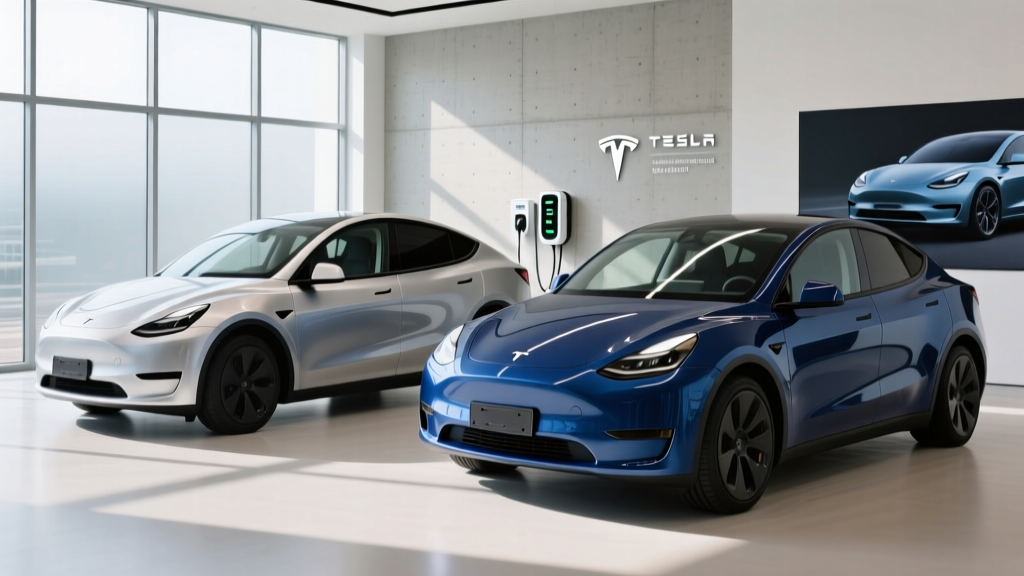
Tesla doesn't advertise the way legacy automakers do — there are no Super Bowl spots or banner weekends. But the company's rolling lease promotions on the Model 3 and Model Y have quietly become some of the most competitive electrified-vehicle deals on the market. In early 2026, Tesla is offering lease rates that, when paired with federal incentives and lower money factors, bring monthly payments on its best-selling vehicles into territory that rivals internal-combustion compact SUVs.
This review breaks down the current lease landscape, the underlying vehicle specifications you're actually leasing, and the math behind whether a Tesla lease makes financial sense versus purchasing outright or choosing a competitor.
| Spec | Model 3 Long Range AWD | Model Y Long Range AWD |
|---|---|---|
| EPA Range | 341 miles | 320 miles |
| Battery (usable) | ~79 kWh (NMC) | ~78 kWh (NMC) |
| Peak DC Fast Charge | 250 kW | 250 kW |
| 10–80% DC Time | ~27 min | ~27 min |
| Level 2 Charge Rate | 11.5 kW (~44 mi/hr) | 11.5 kW (~41 mi/hr) |
| 0–60 mph | 4.2 sec | 4.8 sec |
| Horsepower | 384 hp (dual-motor) | 384 hp (dual-motor) |
| Drivetrain | AWD (dual-motor) | AWD (dual-motor) |
| MPGe (combined) | 132 MPGe | 122 MPGe |
| kWh/100 mi | 25 kWh | 28 kWh |
| Cargo Volume | 23 cu ft (rear + frunk) | 72 cu ft (rear seats folded + frunk) |
| Rear Legroom | 35.2 in | 40.5 in |
| Battery Warranty | 8 yr / 120,000 mi | 8 yr / 120,000 mi |
| Base MSRP (2026) | $42,630 | $44,630 |
Source: fueleconomy.gov (EPA) and Tesla.com official specifications, accessed 2026.
Current Tesla Lease Promotions: What's Actually on the Table
Tesla's lease offers rotate monthly and are structured through Tesla Financial Services. As of Q1 2026, the most commonly promoted configurations are:
- Model 3 Long Range AWD: 36-month lease, 10,000 miles/year, approximately $419/month with $3,500 due at signing (before any applicable incentives).
- Model Y Long Range AWD: 36-month lease, 10,000 miles/year, approximately $459/month with $3,500 due at signing.
- Model 3 Performance: 36-month lease, 10,000 miles/year, approximately $549/month with $4,500 due at signing.
These figures are illustrative of recent promotional tiers and fluctuate based on Tesla's money factor adjustments, residual value projections, and any regional incentives. Tesla does not publish a traditional "lease cash" incentive the way Hyundai or Ford might — instead, the company adjusts the money factor (the lease equivalent of an interest rate) and residual percentages to achieve its target monthly payment.
| Configuration | Base Lease $/mo | With $7,500 Lease Credit | Effective Savings |
|---|---|---|---|
| Model 3 LR AWD (36 mo, 10K/yr) | ~$419 | ~$211 | ~$208/mo ($7,488 total) |
| Model Y LR AWD (36 mo, 10K/yr) | ~$459 | ~$251 | ~$208/mo ($7,488 total) |
| Model 3 Performance (36 mo, 10K/yr) | ~$549 | ~$341 | ~$208/mo ($7,488 total) |
Critical caveat: The $7,500 federal tax credit under IRS §30D can be applied as a lease credit (technically a commercial clean vehicle credit passed through by the lessor — Tesla Financial Services). This is distinct from a purchase credit. Eligibility depends on battery component sourcing, critical mineral requirements, buyer income caps ($150K single / $300K joint AGI), and MSRP caps ($55,000 for sedans, $80,000 for SUVs/vans). Both the Model 3 and Model Y fall under the MSRP cap. Verify current sourcing compliance on Tesla's website or with your tax professional, as battery supply chains shift throughout the year.
Real-World Range: What the EPA Sticker Doesn't Tell You
EPA Estimated Range: Model 3 LR — 341 miles | Model Y LR — 320 miles
Real-World Expectation: Expect approximately 270–300 miles on mixed highway driving at 70–75 mph. In cold weather (below 32°F / 0°C), plan for a 20–30% reduction, yielding roughly 225–260 miles for the Model 3 and 210–240 miles for the Model Y. City driving with regenerative braking recovers more range — some drivers report matching or slightly exceeding EPA estimates in stop-and-go conditions with a heat pump equipped model.
Tesla's 2026 Long Range models continue to use nickel-manganese-cobalt (NMC) lithium-ion cells, which offer high energy density but are more temperature-sensitive than lithium iron phosphate (LFP) chemistry found in the Standard Range (RWD) trims. If you live in a cold climate and lease a Long Range model, preconditioning the battery before departure — something Tesla's app and scheduled departure feature handle automatically — is essential for preserving range and enabling optimal DC fast charging speeds.
For context, the EPA test cycle includes moderate-speed driving with climate control off. Real highway consumption at sustained 75 mph with HVAC running typically yields 25–28 kWh/100mi for the Model 3 LR and 28–32 kWh/100mi for the Model Y LR, compared to the EPA-rated 25 and 28 kWh/100mi respectively.
Charging Speed and Infrastructure: The Tesla Advantage
| Charging Level | Power / Rate | Miles Added per Hour | Notes |
|---|---|---|---|
| Level 1 (120V household) | ~1.4 kW | ~5 mi/hr | Emergency/trickle only |
| Level 2 (240V, 48A Wall Connector) | 11.5 kW | ~41–44 mi/hr | Full charge overnight (~8 hrs) |
| Level 2 (240V, 32A Mobile Connector) | 7.7 kW | ~28–30 mi/hr | Standard NEMA 14-50 outlet |
| DC Fast Charge (V3 Supercharger) | 250 kW peak | ~170 mi in 15 min | 10–80% in ~27 min |
| DC Fast Charge (V4 Supercharger) | Up to 350 kW* | Varies | *Current Model 3/Y architecture caps at ~250 kW |
The kW vs kWh distinction matters here: kW (kilowatts) measures the rate of charging power, while kWh (kilowatt-hours) measures the total energy stored in the battery. A 250 kW charger delivers energy fast, but the battery only holds ~79 kWh total.
Tesla's Supercharger network remains the most reliable public DC fast-charging ecosystem in North America, with over 6,500 V3 and V4 stalls across the U.S. as of early 2026. The charging curve on the Model 3/Y Long Range peaks at approximately 250 kW between 5–15% state of charge (SoC), then tapers progressively — dropping to ~120 kW by 50% SoC and ~60 kW by 70% SoC. This means the advertised "10–80% in 27 minutes" is an average, and the final 10% (80–90%) can add another 12–15 minutes. For road trips, charging to 80% and moving on is almost always faster than waiting for a full charge.
One leasing consideration: Tesla includes access to the Supercharger network (pay-per-use at roughly $0.25–$0.35/kWh depending on location). Some promotional leases have included limited free Supercharging credits (e.g., 1,000 kWh), but this is not standard and varies by promotion period.
Performance, Tech, and Daily Livability
Both the Model 3 and Model Y Long Range AWD use Tesla's dual-motor setup — a permanent-magnet rear motor paired with an induction front motor. The result is 384 combined horsepower and all-wheel-drive traction that handles rain and light snow confidently. The Model 3 LR hits 0–60 mph in 4.2 seconds; the heavier Model Y LR does it in 4.8 seconds. These are sports-sedan numbers in a practical package.
The 15.4-inch center touchscreen (updated for the 2024+ "Highland" Model 3 refresh and "Juniper" Model Y refresh) runs Tesla's proprietary infotainment system. Notable features include:
- Navigation with real-time Supercharger routing — the car automatically preconditioning the battery when a Supercharger is your destination.
- Over-the-air (OTA) updates — firmware improvements that have historically added range, new features, and UI refinements without dealer visits.
- Tesla Vision ADAS — standard Autopilot includes adaptive cruise control and lane-keeping. Full Self-Driving (Supervised) is an optional add-on ($8,000 purchase or $99/month subscription as of 2026).
- Sentry Mode, Dashcam, and Dog Mode — all standard, leveraging the vehicle's camera array.
SAE Automation Level: Tesla Autopilot and FSD (Supervised) are Level 2 driver-assistance systems per SAE International standards. This means the driver must remain fully engaged, hands on or near the wheel, and eyes on the road at all times. These systems are NOT self-driving. Only Level 4 robotaxi services (e.g., Waymo in approved geofenced areas) operate without a human driver.
Drawbacks to acknowledge: The minimalist interior — no physical instrument cluster, limited physical buttons — polarizes buyers. The Model 3 rear seat is tight for taller adults (35.2 inches of legroom), and the absence of traditional stalks (turn signals are now on the steering wheel in the refreshed Model 3) takes acclimation. Build quality has improved substantially since 2023, but panel-gap variability still appears in some delivery units.
Lease vs. Buy: The Ownership Economics
Leasing an EV carries unique advantages and risks compared to purchasing:
Advantages of leasing a Tesla:
- The $7,500 federal credit is accessible via the commercial clean vehicle credit (§45W) pass-through in a lease, even for buyers who exceed the §30D income caps on a purchase. This is a significant arbitrage opportunity for higher-income lessees.
- No long-term battery degradation risk — you return the car at 36 months, well within the 8-year/120,000-mile battery warranty.
- OTA updates keep the vehicle feeling current; technology risk is lower over a 3-year horizon.
- Lower monthly payment compared to financing at current interest rates (roughly 6.5–7.5% APR for EV loans in 2026).
Risks of leasing:
- No equity at lease end — you don't own an appreciating (or at least residual-holding) asset.
- Mileage penalties: Tesla leases typically allow 10,000 or 12,000 miles/year. Excess mileage charges run $0.20–$0.25/mile.
- Wear-and-tear charges at return can be subjective, though Tesla's inspection standards are published.
- You cannot modify the vehicle (wraps, wheels, aftermarket accessories) without risking return penalties.
Pros
- Class-leading Supercharger network access
- Competitive real-world range (270–300 mi highway)
- $7,500 lease credit accessible even above §30D income caps
- Over-the-air updates continuously improve the car
- Strong 0–60 performance (4.2–4.8 sec) with AWD
- Industry-leading infotainment and route planning
- Low maintenance (no oil changes, minimal brake wear with regen)
Cons
- Model 3 rear seat legroom is tight (35.2 in)
- No physical instrument cluster or turn-signal stalk (refreshed Model 3)
- Insurance premiums run 15–25% higher than comparable ICE vehicles
- Cold-weather range loss of 20–30% (NMC chemistry)
- FSD (Supervised) is Level 2 only — not autonomous
- Lease mileage limits may not suit high-mileage commuters
- No Apple CarPlay / Android Auto — Tesla's ecosystem only
Competitor Comparison: How Tesla Lease Deals Stack Up
At the ~$400–$500/month lease tier (after credit), Tesla's closest competitors include:
- Hyundai Ioniq 5 (SEL AWD): ~$379/month (36 mo, 10K/yr, after incentives). Offers comparable range (303 mi EPA), 800V architecture for faster peak charging (~350 kW capable), and physical buttons. Lacks Supercharger network access but uses CCS (increasingly compatible with NACS adapters).
- Ford Mustang Mach-E (Premium AWD): ~$429/month. Roomier rear seat, BlueCruise hands-free highway driving (Level 2), but lower EPA range (290 mi) and less mature charging network integration.
- BMW i4 eDrive40: ~$549/month. More premium interior, RWD, 307 mi EPA, but significantly more expensive and no NACS port (CCS).
The Tesla lease value proposition is strongest when you factor in the Supercharger network reliability, software ecosystem, and the lease-credit tax advantage. If you prioritize rear-seat comfort or physical controls, the Ioniq 5 or Mach-E may be better fits at a similar price.
Who Should Lease a Tesla in 2026?
Choose a Tesla lease if: You have home Level 2 charging access, drive under 12,000 miles/year, want access to the most reliable DC fast-charging network, value OTA software updates, and want to access the $7,500 federal credit via the lease loophole regardless of income.
Choose a competitor if: You need maximum rear-seat space (look at the Ioniq 5 or Mach-E), prefer Apple CarPlay/Android Auto, want physical buttons and a traditional instrument cluster, or plan to exceed 15,000 miles/year (purchase or high-mileage lease is better).
Buy instead of leasing if: You drive 15,000+ miles/year, want to build equity, plan to keep the vehicle 5+ years, qualify for the §30D purchase credit (income under $150K single / $300K joint), and want to avoid lease-return wear-and-tear risk.
Frequently Asked Questions
Does the Tesla Model 3 or Model Y qualify for the federal EV tax credit?
Both the Model 3 and Model Y currently qualify for the $7,500 federal clean vehicle credit, subject to IRS §30D rules. For purchases, buyer AGI must not exceed $150,000 (single) or $300,000 (joint), and MSRP must be under $55,000 (sedans) or $80,000 (SUVs). For leases, the credit flows through Tesla Financial Services under §45W (commercial vehicle credit), which has no income cap — making leasing a strategic option for higher-income buyers. Battery sourcing requirements apply and can change; verify at irs.gov before signing.
What is the real-world range of the 2026 Tesla Model Y Long Range?
The EPA rates the Model Y LR AWD at 320 miles. In real-world highway driving at 70–75 mph with climate control, expect 270–290 miles. In cold weather (below freezing), plan for 210–240 miles. City driving with regenerative braking can approach or match the EPA figure.
How fast does a Tesla Model 3 charge at home and on the road?
At home on a 240V / 48A Tesla Wall Connector (Level 2), the Model 3 LR charges at 11.5 kW, adding approximately 44 miles of range per hour — a full charge takes about 8 hours. On a V3 Supercharger (DC fast charge), it peaks at 250 kW and charges from 10–80% in approximately 27 minutes, though the charge curve tapers significantly above 50% SoC.
Is it better to lease or buy a Tesla in 2026?
Leasing is advantageous if you want lower monthly payments, access the $7,500 credit without income restrictions (via the lease pass-through), want to avoid long-term battery risk, and drive under 12,000 miles/year. Buying is better if you drive high mileage, want equity, plan to keep the vehicle long-term, and qualify for the purchase credit under §30D income caps.
What happens if I exceed the mileage limit on a Tesla lease?
Tesla leases typically include 10,000 or 12,000 miles per year. Excess mileage is charged at approximately $0.20–$0.25 per mile at lease return. You can sometimes pre-purchase additional miles at signing at a slightly lower per-mile rate.
Does Tesla lease include free Supercharging?
Not as a standard feature. Some promotional periods have included limited Supercharging credits (e.g., 1,000 kWh), but most leases charge standard pay-per-use Supercharger rates of approximately $0.25–$0.35/kWh depending on location and time of day.
Can I negotiate a Tesla lease?
Tesla operates on a fixed-price model — there is no negotiation on vehicle price, money factor, or residual value. What you see on Tesla.com is what you get. However, you can choose your mileage tier (10K or 12K/year) and down payment to adjust the monthly payment.
Always verify current lease terms, tax credit eligibility, and vehicle specifications directly on Tesla.com and irs.gov before making a purchase or lease decision. Promotions, pricing, and credit rules are subject to change.