Verdict: Are New Tesla Lease Deals Worth It in 2026?
If you are scanning the market for new Tesla lease deals, the value proposition in 2026 remains anchored by two factors: the Supercharger network's reliability and the segment-leading efficiency of the Model 3 and Model Y. While competitors like the Hyundai Ioniq 5 and Ford Mustang Mach-E have closed the gap in interior quality and charging speed, Tesla's leasing structure often provides a lower monthly barrier to entry for buyers who want to avoid long-term battery degradation risks.
However, a lease is only as good as its fine print. Most Tesla lease offers in 2026 require excellent credit (Tier 1, typically 720+) and do not always include the $7,500 federal tax credit benefit in the capitalized cost reduction unless structured as a 'sign-and-drive' promotional event. Below, we dissect the specs, real-world range, and ownership economics of the current lineup to help you decide if a lease is the right financial move.
2026 Tesla Model 3: The Efficiency King
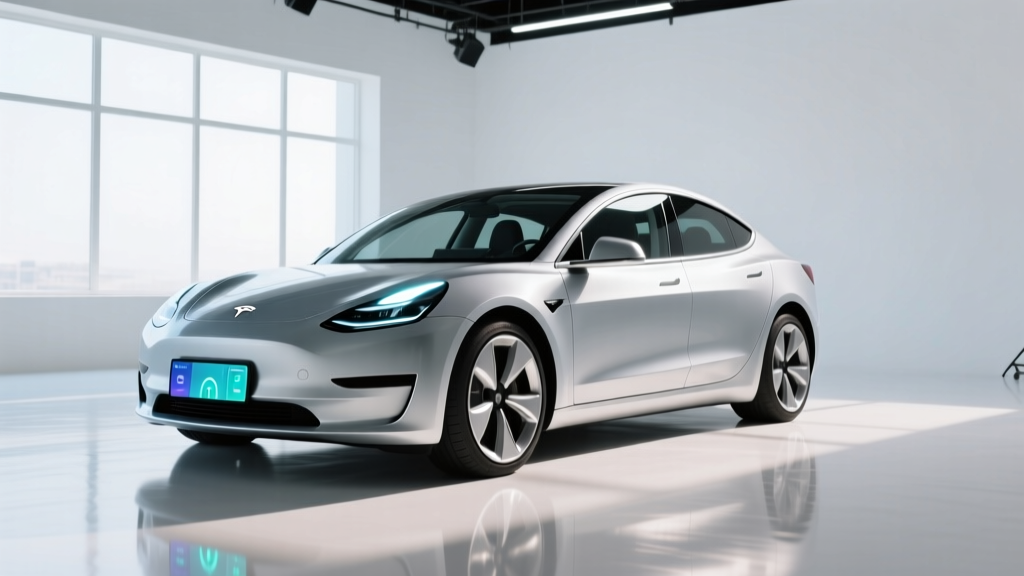
The refreshed Model 3 (Highland and subsequent updates) continues to be the benchmark for electric sedan efficiency. For lease shoppers, the Rear-Wheel Drive (Standard Range) and Long Range AWD trims are the most common volume movers.
| Spec | Model 3 RWD | Model 3 Long Range AWD |
|---|---|---|
| EPA Range | 272 miles | 341 miles |
| Battery (Usable) | ~57.5 kWh (LFP) | ~75 kWh (NMC) |
| 0-60 mph | 5.8 sec | 4.2 sec |
| Efficiency | 132 MPGe (25 kWh/100mi) | 134 MPGe (25 kWh/100mi) |
| Base MSRP (approx) | $38,990 | $47,740 |
Real-World Range Reality
EPA vs. Reality: While the Long Range AWD is rated for 341 miles, expect 260–280 miles on a 75-mph highway road trip. If you live in the Midwest or Northeast, winter temperatures (below 32°F) can reduce range by an additional 20–30%, dropping effective range to ~220 miles unless preconditioned and plugged in.
Charging Speed and Infrastructure
The Model 3's charging architecture is mature. On a V3 or V4 Supercharger, the Long Range peaks around 170–200 kW, adding up to 175 miles in 15 minutes. The LFP RWD model peaks lower, around 110–125 kW, meaning a 10–80% session takes roughly 35–40 minutes compared to the Long Range's ~25 minutes.
- Home Level 2: 11.5 kW (44 miles of range per hour).
- Public DC: NACS connector native; no adapter required for Superchargers.
2026 Tesla Model Y: The Lease Volume Leader
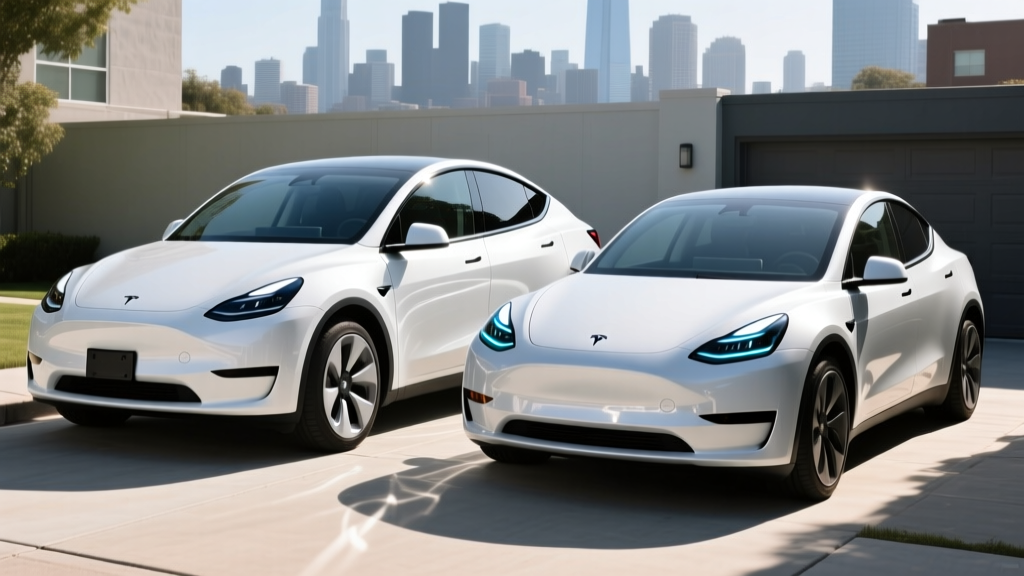
The Model Y remains the best-selling EV in the U.S., and it is the vehicle most frequently featured in Tesla's promotional lease offers. The 2026 model year benefits from the 'Juniper' refresh, offering a quieter cabin, ventilated seats, and a rear touchscreen.
| Spec | Model Y Long Range AWD | Model Y Performance |
|---|---|---|
| EPA Range | 320 miles | 277 miles |
| Battery (Usable) | ~75 kWh (NMC) | ~75 kWh (NMC) |
| 0-60 mph | 4.8 sec | 3.5 sec |
| Cargo Volume | 72 cu ft (max) | 72 cu ft (max) |
| Towing Capacity | 3,500 lbs | 3,500 lbs |
Who is the Model Y Lease For?
The Model Y is the default choice for families needing 30+ cubic feet of cargo space behind the second row and the option of a third-row seat (though the third row is best for children only). If your commute is under 40 miles and you have home charging, the Model Y's efficiency (approx. 28 kWh/100mi) makes it cheaper to fuel than any gas SUV in its class.
Federal Tax Credits and Lease Economics
Under IRS §30D, the federal tax credit is up to $7,500, but it is subject to strict rules. When you lease a vehicle, the credit technically goes to the lessor (Tesla Finance), though it is often passed to the lessee as a 'lease cash' incentive or capitalized cost reduction.
2026 §30D Eligibility Checklist
- MSRP Caps: Vans/SUVs/Pickups (Model Y, Cybertruck) must be under $80,000; Sedans (Model 3) under $55,000.
- Income Caps: AGI must not exceed $150k (single), $225k (head of household), or $300k (joint).
- Battery Sourcing: Must meet critical mineral and battery component requirements (subject to annual tightening).
- Transferability: Point-of-sale transfer is allowed for purchases; leases handle this via the lessor.
Source: IRS.gov Clean Vehicle Credits
Tesla vs. The Competition: Lease Comparison
How do Tesla's lease values stack up against the Hyundai Ioniq 5 or the BMW i4? Tesla's advantage is the software ecosystem and the Supercharger network. However, competitors often offer longer standard warranties and more luxurious interiors for similar monthly payments.
Pros of Leasing a Tesla
- Access to the NACS Supercharger network (most reliable in U.S.).
- Over-the-air updates keep the car current through the lease term.
- Lower maintenance risk (no oil changes, fewer moving parts).
- High residual values often keep lease payments competitive.
Cons of Leasing a Tesla
- Strict wear-and-tear guidelines at lease-end.
- Insurance premiums are often 20–30% higher than average.
- Build quality (panel gaps) can be inconsistent.
- No physical buttons; all controls via touchscreen.
Warranty and Long-Term Reliability
When you lease, you are typically under the factory warranty for the entire term. Tesla's coverage is competitive but not class-leading:
- Basic Vehicle: 4 years or 50,000 miles.
- Battery & Drive Unit: 8 years or 100,000 miles (Long Range/Performance); 8 years or 120,000 miles (some RWD models).
For a 36-month lease, you will never touch the out-of-warranty period, which is a major financial safeguard against battery replacement costs.
Frequently Asked Questions
What is the typical money factor on a Tesla lease?
Tesla does not publish 'money factors' like traditional dealers, but their lease APR equivalents typically range from 2.5% to 5.5% depending on your credit tier and the current promotional environment.
Can I buy the car at the end of the lease?
As of 2026, Tesla generally does not offer a purchase option at the end of a Model 3 or Model Y lease. You must return the vehicle, which makes leasing a pure 'use-and-return' arrangement.
Does the Model 3 qualify for the $7,500 tax credit?
Yes, if the MSRP is under $55,000 and you meet the income and battery-sourcing requirements. However, if you lease, the credit is applied to the leasing company, which may lower your monthly payment or down payment requirement.
Is it cheaper to lease or buy a Tesla in 2026?
Leasing is often cheaper month-to-month and avoids the risk of depreciation. Buying is better if you drive over 15,000 miles a year (lease penalties apply) or if you want to keep the car for 8+ years to maximize the value of the battery.