What Is the Tesla Hero Discount — and Does It Still Exist in 2026?
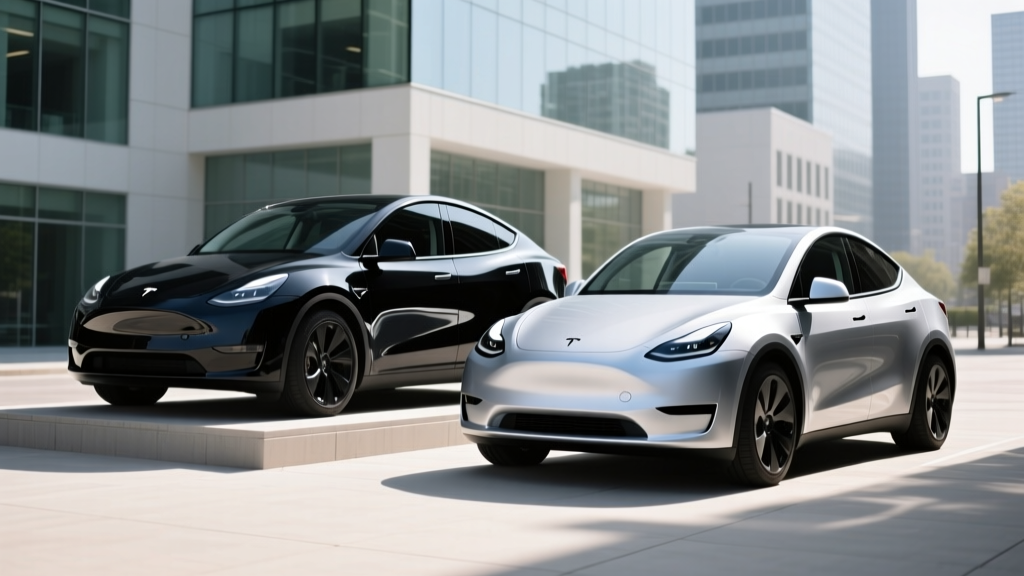
Search forums, Reddit threads, or Tesla referral groups and you'll eventually encounter the phrase "Tesla hero discount." It's not an official Tesla program name, but it has become shorthand among buyers for the stacking of multiple savings mechanisms — military/first-responder appreciation, referral credits, inventory discounts on existing stock, and federal tax incentives — that can collectively shave thousands off a new Tesla purchase.
As of 2026, Tesla does not publish a single "hero discount" landing page the way some legacy automakers do for military or first-responder rebates. Instead, savvy buyers achieve what the community calls a hero discount by layering every available price reduction. This guide explains exactly how that works on the two highest-volume models — the Model Y and Model 3 — with real 2026 pricing, EPA data, and tax-credit rules.
2026 Tesla Model Y: Range, Charging, and Real-World Efficiency
| Spec | Value |
|---|---|
| EPA Range | 320 miles |
| Battery (usable) | ~78 kWh, NMC chemistry |
| MPGe (combined) | 122 MPGe |
| kWh / 100 mi | 28 kWh |
| Peak DC Fast Charge | 250 kW |
| 10–80% DCFC Time | ~25 minutes |
| Level 2 Home Charge | 11.5 kW (~44 mi/hr) |
| 0–60 mph | 4.8 seconds |
| Horsepower | 384 hp (dual motor) |
| Drivetrain | AWD (dual motor) |
| Cargo (rear seats up) | 34.3 cu ft |
| Cargo (rear seats folded) | 72.1 cu ft |
| Rear Legroom | 37.0 in |
| Battery Warranty | 8 yr / 120,000 mi |
| Base MSRP | $44,990 |
The Model Y's 250 kW peak DC charge rate on V3 Superchargers is respectable but not class-leading. The charge curve tapers noticeably past 60% state of charge, which is why the 10–80% time lands around 25 minutes rather than the 15 minutes some competitors achieve on 350 kW chargers. For road-trippers, preconditioning the battery (automatic when a Supercharger is set as your destination in navigation) is essential to hitting peak rates.
2026 Tesla Model 3: The Value Play Gets a Refresh
| Spec | Value |
|---|---|
| EPA Range | 363 miles |
| Battery (usable) | ~75 kWh, LFP (RWD) / NMC (Long Range) |
| MPGe (combined) | 132 MPGe |
| kWh / 100 mi | 25 kWh |
| Peak DC Fast Charge | 250 kW (Long Range) / 175 kW (RWD LFP) |
| 10–80% DCFC Time | ~25 min (LR) / ~30 min (RWD) |
| Level 2 Home Charge | 11.5 kW (~44 mi/hr LR) / 7.6 kW (~30 mi/hr RWD) |
| 0–60 mph | 5.8 sec (LR RWD) / 7.9 sec (RWD) |
| Horsepower | 271 hp (LR) / 255 hp (RWD) |
| Drivetrain | RWD (both trims available) |
| Cargo (trunk + frunk) | 23.0 cu ft total |
| Rear Legroom | 35.3 in |
| Battery Warranty | 8 yr / 100,000 mi (RWD) / 120,000 mi (LR) |
| Base MSRP (RWD) | $38,990 |
| Long Range MSRP | $42,490 |
The Model 3 RWD uses an LFP (lithium iron phosphate) battery, which trades some energy density for exceptional cycle life and the ability to charge routinely to 100% without degradation concerns. If you commute daily and charge at home every night, LFP is arguably the better long-term chemistry. The Long Range variant uses NMC (nickel manganese cobalt) for higher energy density and that 363-mile EPA figure — but Tesla recommends daily charging to 80% for NMC longevity.
Deconstructing the "Hero Discount": What Savings Actually Stack?
The term "hero discount" in Tesla-owner communities typically refers to combining these savings layers:
| Savings Mechanism | Typical Amount | Eligibility Notes |
|---|---|---|
| Federal §30D Tax Credit | Up to $7,500 | Income caps, MSRP caps, battery sourcing rules apply |
| Point-of-Sale Transfer | Up to $7,500 off purchase price | Same eligibility as §30D; applied at delivery |
| Tesla Referral Credit | $500–$1,000 | Varies by quarter; check current referral program |
| Existing Inventory Discount | $1,000–$3,000 | Applies to in-stock vehicles; varies by region |
| State/Utility Rebates | $500–$5,000 | Varies by jurisdiction; check AFDC |
| Military/First Responder | Not a formal Tesla program | Some third-party organizations offer separate rebates |
Critical caveat on the federal credit: Under IRS §30D rules, the $7,500 credit splits into two halves — $3,750 for critical-minerals sourcing and $3,750 for battery-component manufacturing. Both halves have evolving thresholds that tighten annually. Buyer modified adjusted gross income must not exceed $150,000 (single) or $300,000 (joint). The vehicle MSRP must not exceed $55,000 for sedans (Model 3) or $80,000 for SUVs/trucks (Model Y). Since both models fall well under these caps, the primary variable is battery sourcing and buyer income. Always confirm eligibility on the IRS website or with a tax professional before counting on the full amount.
What Does a "Hero Discount" Price Actually Look Like?
| Line Item | Amount |
|---|---|
| Base MSRP | $44,990 |
| Destination Fee | +$1,390 |
| Existing Inventory Discount (est.) | −$2,000 |
| Referral Credit (est.) | −$500 |
| Federal §30D Credit (point-of-sale, if eligible) | −$7,500 |
| Estimated Delivery Price (before state incentives) | ~$36,380 |
That's roughly an $8,600+ reduction from sticker — the kind of stacking that earns the community "hero discount" label. The Model 3 RWD, starting at $38,990, can drop below $31,000 with similar stacking, making it one of the most affordable new EVs with over 300 miles of range on the market.
Tech, Driver Assistance, and What's Missing
Both the Model Y and Model 3 run Tesla's current infotainment stack on a 15.4-inch center touchscreen with no physical instrument cluster. Over-the-air updates continue to add features post-purchase. Standard Autopilot includes adaptive cruise control and lane-centering — this is an SAE Level 2 driver-assist system, meaning the driver must remain fully engaged with hands on the wheel and eyes on the road at all times.
Standout tech: The Tesla Supercharger network remains the most reliable DC fast-charging ecosystem in North America, with over 25,000 V3/V4 stalls. Sentry Mode, Dog Mode, and the Tesla app's remote preconditioning are genuinely useful daily features that many competitors still don't match.
Notable drawbacks: No Apple CarPlay or Android Auto. No physical buttons for climate or volume. Rear-seat comfort in the Model 3 is tight for adults on long trips. The Model Y's ride quality has improved with the 2025 refresh but remains firmer than some rivals like the Hyundai Ioniq 5. Turn-signal stalks were removed in favor of steering-wheel buttons, which draws consistent owner complaints.
How Do These Teslas Compare to Key Competitors?
| Spec | Tesla Model Y LR | Hyundai Ioniq 5 LR AWD | Tesla Model 3 LR | BMW i4 eDrive40 |
|---|---|---|---|---|
| EPA Range | 320 mi | 290 mi | 363 mi | 307 mi |
| Battery | 78 kWh NMC | 84 kWh NMC | 75 kWh NMC | 81.5 kWh NMC |
| Peak DC Charge | 250 kW | 350 kW | 250 kW | 205 kW |
| 10–80% Time | ~25 min | ~18 min | ~25 min | ~31 min |
| 0–60 mph | 4.8 sec | 5.1 sec | 5.8 sec | 5.5 sec |
| Base MSRP | $44,990 | $48,350 | $42,490 | $57,900 |
| Federal Credit Eligible | Yes (if sourcing met) | Partial (check sourcing) | Yes (if sourcing met) | No (MSRP sourcing) |
The Ioniq 5 charges faster thanks to its 800V architecture (350 kW peak vs Tesla's 250 kW), but Tesla's Supercharger network reliability and route-planning integration remain a significant road-trip advantage. The Model 3 Long Range leads its segment in EPA range per dollar. The BMW i4 is more refined but costs substantially more and may not qualify for the full federal credit.
Who Should Buy — and Who Should Look Elsewhere?
- You need cargo space for a family (72 cu ft with seats folded)
- Supercharger access is critical for your road-trip routes
- You want AWD and under-5-second 0–60 in an electric SUV under $45K
- You can stack referral + inventory + tax credit savings
- You need Apple CarPlay or physical controls
- Rear-seat comfort for tall adults is a priority (try the Ioniq 5)
- Fastest possible DC charging matters (Ioniq 5 at 350 kW wins)
- You cannot qualify for the federal credit due to income limits
- You want the longest EPA range per dollar in a sedan (363 mi)
- Daily commuting under 60 miles with home charging is your norm
- LFP chemistry (RWD trim) appeals for worry-free 100% daily charging
- You want a sub-$32K effective price after incentives
- You regularly carry rear-seat passengers (legroom is tight at 35.3 in)
- You need hatchback cargo versatility (get the Model Y or Ioniq 5)
- You prefer a traditional instrument cluster and button layout
Frequently Asked Questions
What is the real-world range of the Tesla Model Y?
The EPA rates the 2026 Model Y Long Range AWD at 320 miles. Expect approximately 250–270 miles in real-world highway driving and 200–230 miles in freezing cold-weather highway conditions. City driving with regenerative braking can approach the EPA figure.
How fast does a Tesla charge at home and on the road?
On a Level 2 home charger at 11.5 kW, the Model Y gains about 44 miles of range per hour — a full overnight charge covers most daily needs. On a V3 Supercharger (250 kW DC), the 10–80% charge takes approximately 25 minutes with battery preconditioning. Charging above 80% slows dramatically due to the charge curve taper, adding 10–15 minutes for the final 20%.
How much does a Tesla cost after the hero discount and tax credits?
With stacked savings — federal §30D point-of-sale credit ($7,500 if eligible), inventory discount (~$2,000), and referral credit (~$500) — a 2026 Model Y Long Range can land near $36,000 and a Model 3 RWD near $31,000. Actual savings depend on current Tesla promotions, your income, and battery-sourcing compliance.
Does the Tesla Model Y or Model 3 qualify for the federal EV tax credit?
Both models are under the MSRP cap ($80,000 for SUVs, $55,000 for sedans). Qualification for the full $7,500 depends on battery critical-minerals and component sourcing requirements, which tighten annually. Buyer income must not exceed $150,000 (single) or $300,000 (joint). Check the latest rules at IRS.gov and verify the specific VIN's eligibility before ordering.
Is a Tesla worth buying vs. competitors in 2026?
The Model 3 remains the range-per-dollar leader in sedans, and the Model Y is the best-selling EV in the U.S. for good reason: Supercharger access, strong efficiency, and aggressive pricing after incentives. However, the Hyundai Ioniq 5 charges faster, offers CarPlay, and has a more comfortable rear seat. The Chevrolet Equinox EV undercuts on price. Your priority list — charging speed, network, cargo, tech preferences — should drive the decision.
What are the biggest pros and cons of the 2026 Tesla Model Y?
Pros: Supercharger network, 320-mile EPA range, 72 cu ft cargo, strong efficiency (28 kWh/100mi), OTA updates, competitive pricing after incentives.
Cons: No CarPlay, firm ride, no physical controls, 250 kW peak charge rate trails 800V competitors, turn-signal buttons on steering wheel draw complaints.