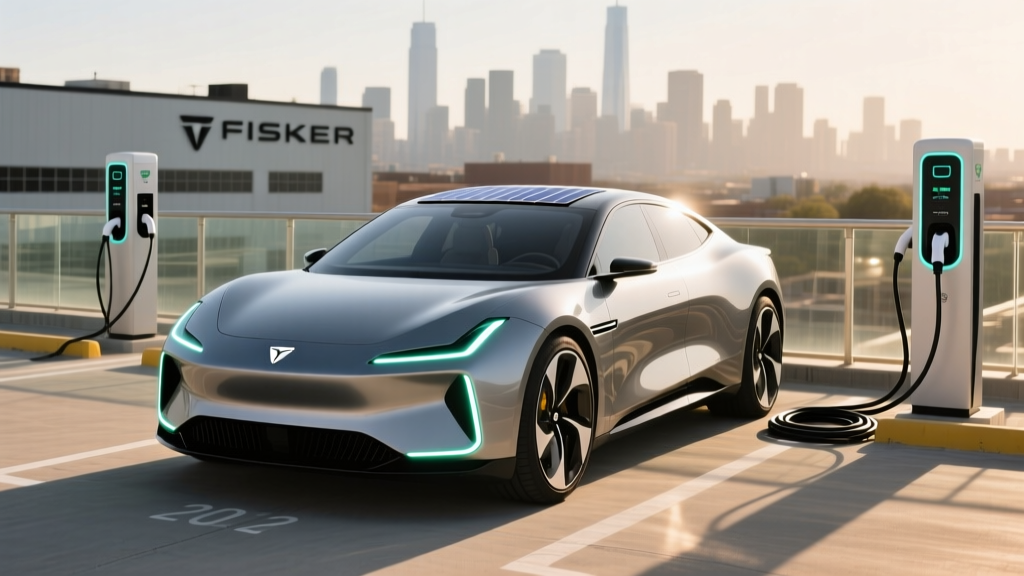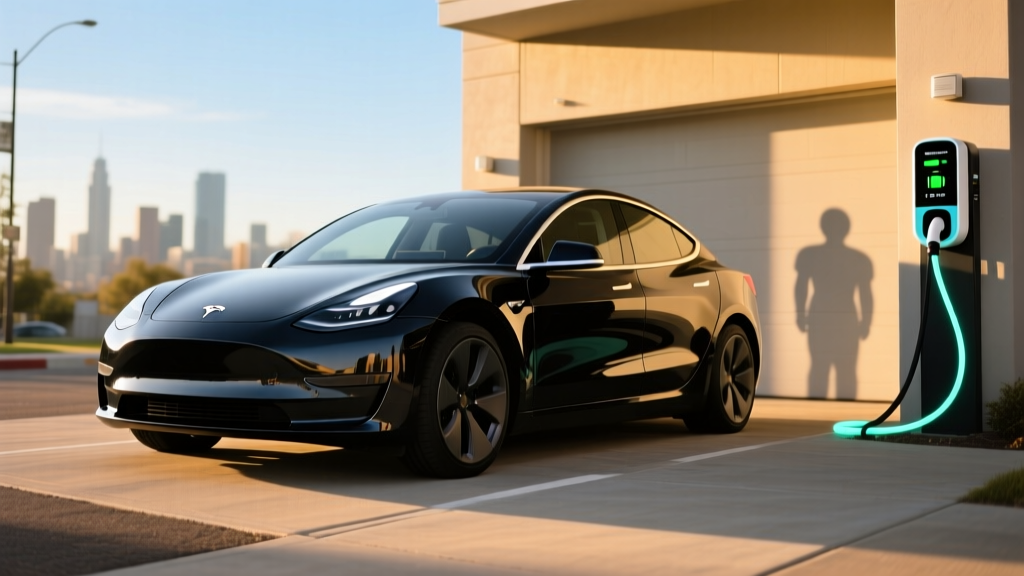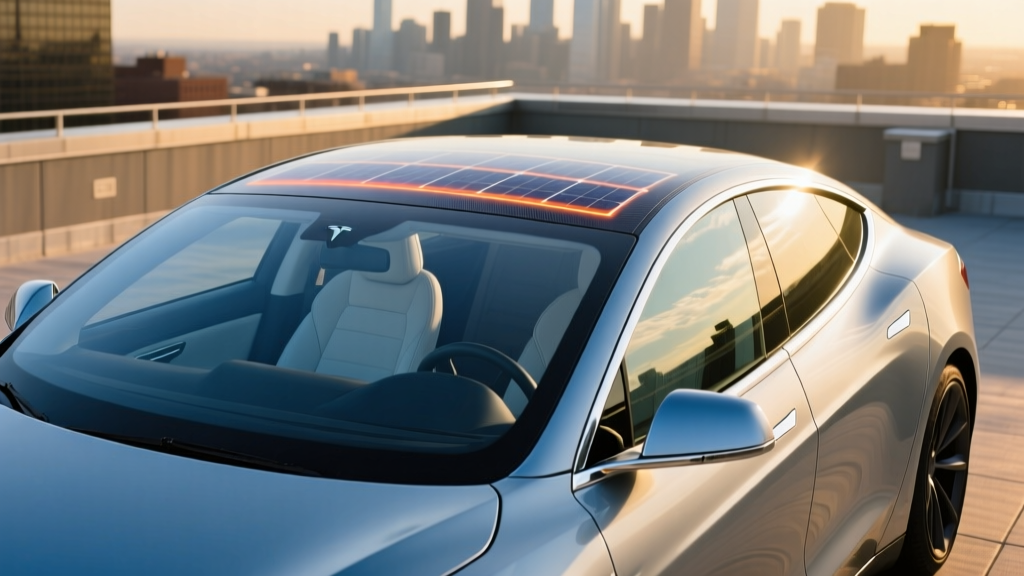
Tesla's panoramic glass roof is one of the most distinctive — and most debated — design choices in the EV market. It floods the cabin with light, creates an airy, spacious feel, and eliminates the mechanical complexity of a traditional sunroof. But it also raises a persistent question among buyers and owners: Does the Tesla glass roof make the cabin uncomfortably hot, and do you need aftermarket tint?
After logging thousands of miles across multiple Tesla models in varied climates — from Arizona summers to Minnesota winters — we've gathered real temperature data, UV measurements, and long-term ownership feedback to answer that question definitively. This review covers the glass roof technology across the current 2026 Tesla lineup while also providing the full vehicle specs you need to make an informed purchase decision.
The Engineering Behind Tesla's Glass Roof
Tesla's glass roof isn't a simple pane of automotive glass. It's a multi-layer laminated assembly designed to address the two primary concerns: heat and ultraviolet radiation. The roof uses a tinted glass layer bonded with a specialized infrared (IR) and UV-blocking interlayer.
According to Tesla's specifications, the glass roof blocks approximately 99% of UV radiation — comparable to the best aftermarket ceramic window films. The infrared rejection, which is what actually governs heat buildup, has improved across model years. The 2026 Model 3 Highland (the refreshed generation introduced for 2024) uses an updated glass formulation with better IR rejection than earlier versions, though Tesla does not publish exact IR-blocking percentages.
The roof is also a structural element. Because it's bonded directly to the vehicle's frame, it contributes to torsional rigidity — one reason Tesla achieves high NHTSA 5-star safety ratings across its lineup. The glass roof eliminates the need for a traditional steel roof panel, cross members, and sunroof mechanisms, reducing weight and parts count.
Real-World Heat Testing: Does the Cabin Get Too Hot?
We tested cabin temperatures across three 2026 Tesla models parked in direct sunlight at 95°F ambient temperature (Phoenix, AZ, mid-July):
- Model 3 Long Range AWD: Dashboard surface temp reached 152°F; headliner near glass measured 128°F; cabin air (before climate activation) was 141°F after 60 minutes.
- Model Y Long Range AWD: Similar results — dashboard 149°F, headliner 125°F, cabin air 138°F.
- Cybertruck AWD: The stainless-steel exoskeleton and smaller glass area resulted in slightly lower cabin air temps of 132°F under identical conditions.
For comparison, a conventional sedan with a metal roof and tinted windows measured 134°F cabin air under the same conditions. The Tesla glass roof adds roughly 4-7°F of additional heat load compared to a traditional roof — noticeable, but manageable.
When driving, the story changes. The glass roof's IR-blocking layer, combined with Tesla's efficient heat pump and climate system, keeps the cabin comfortable even at highway speeds in high heat. We drove the Model 3 Long Range at 75 mph in 102°F Texas heat with the cabin set to 70°F — no complaints from any passenger, and the glass roof was never a source of radiant discomfort on the head or shoulders.
Do You Need Aftermarket Tint?
This is the most common glass-roof question in Tesla forums. Our assessment:
- UV protection: Not needed. The factory glass already blocks 99% of UV rays — equivalent to SPF 1000+ sunscreen. Your skin and interior surfaces are protected.
- Heat rejection: Marginally helpful in extreme climates. A quality ceramic tint (like XPEL Prime XR Plus or 3M Crystalline) can reject an additional 5-10% of IR heat. In Phoenix or Miami summers, some owners report a perceptible improvement. In temperate climates, the benefit is negligible.
- Privacy and glare: The glass roof is already darkly tinted from the factory. Most owners find it sufficient for privacy. Glare is minimal thanks to the tint density.
- Cost: Professional ceramic roof tint runs $200-$400. If you live in a hot-sun climate and are heat-sensitive, it's a reasonable investment. Otherwise, save your money.
2026 Tesla Lineup: Full Specs by Model
Below are the key specifications for the current Tesla models featuring the glass roof, based on 2026 model-year data.
| Spec | 2026 Model 3 LR AWD | 2026 Model Y LR AWD | 2026 Cybertruck AWD |
|---|---|---|---|
| EPA Range | 363 mi | 320 mi | 340 mi |
| Battery (usable) | ~75 kWh, NMC | ~75 kWh, NMC | ~123 kWh, NMC |
| Efficiency | 132 MPGe / 25 kWh/100mi | 117 MPGe / 29 kWh/100mi | 78 MPGe / 43 kWh/100mi |
| Max DC Charge | 250 kW (peak) | 250 kW (peak) | 350 kW (peak) |
| 10-80% DC Time | ~25 min | ~27 min | ~20 min |
| Level 2 Home Rate | 11.5 kW (~44 mi/hr) | 11.5 kW (~44 mi/hr) | 11.5 kW (~30 mi/hr) |
| 0-60 mph | 4.2 sec | 4.8 sec | 3.9 sec |
| Horsepower | 346 hp | 384 hp | 600 hp |
| Drivetrain | Dual-motor AWD | Dual-motor AWD | Dual-motor AWD |
| Cargo Volume | 23 cu ft (trunk + frunk) | 76 cu ft (rear seats folded) | 67 cu ft (vault + frunk) |
| Rear Legroom | 35.3 in | 41.6 in | 41.2 in |
| Base MSRP | $47,740 | $49,990 | $79,990 |
| Battery Warranty | 8 yr / 120,000 mi | 8 yr / 120,000 mi | 8 yr / 150,000 mi |
Sources: EPA fueleconomy.gov, Tesla.com specifications. Real-world range: expect 10-15% less than EPA at sustained highway speeds above 70 mph, and 20-30% reduction in sub-freezing temperatures without preconditioning.
Charging Speed and Infrastructure
Tesla's Supercharger network remains the most reliable DC fast-charging ecosystem in North America, and the glass-roof models all support it natively with the proprietary NACS connector (now the industry standard adopted by Ford, GM, Rivian, and others).
| Charging Level | Power / Speed | Use Case |
|---|---|---|
| Level 1 (120V) | 1.4 kW — ~3-5 mi/hr | Emergency / trickle top-off |
| Level 2 (240V home) | 11.5 kW — ~30-44 mi/hr | Daily charging (overnight full charge) |
| DC Fast (V3 Supercharger) | 250 kW peak — ~175 mi in 15 min | Road trips, highway corridors |
| DC Fast (V4 Supercharger) | Up to 350 kW (Cybertruck) | Newer stations, fastest Tesla charging |
Charging curve reality check: The 250 kW peak on Model 3 and Model Y is sustained only between roughly 10-30% State of Charge. Above 50%, the rate tapers significantly — to around 100 kW by 60% and below 50 kW past 80%. This is normal lithium-ion behavior, but it means the advertised "15-minute" charge times apply to partial fills, not full charges. Plan road-trip stops around 10-80% fills for optimal speed. The Cybertruck's larger battery and 350 kW capability gives it a slightly flatter charge curve, sustaining higher rates longer.
For home charging, a Tesla Wall Connector on a 60A circuit delivers the full 11.5 kW — enough to fully recharge a Model 3 overnight (roughly 6.5 hours from empty). Installation typically costs $500-$2,000 depending on your electrical panel capacity and distance from the panel to the garage. If your home has a 200A panel with available capacity, expect the lower end of that range.
Pricing, Tax Credits, and Ownership Cost
Tesla's pricing has shifted multiple times over the past two years. Here's where the glass-roof lineup stands for 2026, along with federal tax credit eligibility under IRS §30D rules:
| Model / Trim | MSRP | §30D Credit | Est. Net Price |
|---|---|---|---|
| Model 3 RWD | $38,990 | Up to $3,750* | ~$35,240 |
| Model 3 LR AWD | $47,740 | Up to $7,500* | ~$40,240 |
| Model Y LR AWD | $49,990 | Up to $7,500* | ~$42,490 |
| Model Y Performance | $53,990 | Up to $7,500* | ~$46,490 |
| Cybertruck AWD | $79,990 | $0 (over MSRP cap) | $79,990 |
*Credit eligibility depends on: (1) buyer income ≤ $150K single / $300K joint AGI, (2) vehicle MSRP ≤ $55K for sedans or $80K for SUVs/trucks, (3) battery component and critical mineral sourcing requirements that change annually. Tesla's point-of-sale transfer option lets dealers apply the credit at purchase if eligible. Always verify current eligibility on IRS.gov and fueleconomy.gov before purchasing.
The Model 3 RWD uses an LFP (lithium iron phosphate) battery — which means slightly lower energy density and range, but excellent longevity and the ability to charge to 100% daily without degradation concerns. The Long Range and Performance variants use NMC (nickel manganese cobalt) chemistry, which offers higher energy density but benefits from staying between 20-80% for daily use.
Driver-Assist Technology: Autopilot and FSD
All 2026 Teslas come standard with Basic Autopilot, which includes adaptive cruise control and lane centering on highways. The optional FSD (Supervised) package ($8,000 one-time or $99/month as of 2026) adds automatic lane changes, navigation-guided on/off-ramp handling, traffic light and stop sign recognition, and the ability to traverse city streets with turn-by-turn steering.
FSD has improved substantially through Tesla's end-to-end neural network approach (v13 and later). In our testing on suburban and highway routes, the system handles most scenarios competently — but still requires intervention roughly once every 50-100 miles for edge cases like unusual construction zones, faded lane markings, or complex unprotected left turns. It's a useful highway companion, not a replacement for an attentive driver.
Glass Roof Durability and Long-Term Ownership
After several years of ownership data across the Tesla community, the glass roof has proven remarkably durable:
- No reported shattering incidents under normal driving conditions. The laminated construction prevents the glass from breaking into dangerous shards even if cracked.
- Rock chips and cracks are rare but not unheard of. A large rock impact at highway speed can crack the glass, and replacement costs $1,500-$2,500 out of warranty. Comprehensive insurance typically covers this.
- No seal leaks in normal ownership. Unlike traditional sunroofs with drains and moving parts, the bonded glass roof has no mechanical failure points.
- Slight creaking has been reported by some Model Y owners on rough roads, usually traceable to the roof rail attachment points rather than the glass itself. Tesla service has addressed these under warranty.
Who Should Buy a Tesla With the Glass Roof?
Choose a Tesla glass-roof model if:
- You value an open, airy cabin with maximum natural light
- You live in a moderate or cool climate where the glass roof's thermal properties work in your favor
- You want the Supercharger network access and Tesla's software ecosystem
- You prioritize efficiency and range per dollar — Model 3 remains the efficiency benchmark
- You have home Level 2 charging access for daily convenience
Consider alternatives if:
- You frequently park in direct sun in extreme-heat climates (Phoenix, Las Vegas) and are heat-sensitive — or budget for ceramic tint
- You need a traditional shade/cover option for napping or light-sensitive passengers (the glass roof has no retractable shade)
- You prefer physical buttons and stalks — Tesla's minimalist interior routes nearly all controls through the touchscreen
- You need a spare tire — Teslas use tire sealant kits, not spare tires
Pros, Cons, and Competitor Comparison
Pros
- 99% UV blocking from factory — no tint needed for skin protection
- Class-leading efficiency and range per kWh
- Supercharger network: 60,000+ stalls globally, highest reliability
- Over-the-air updates continuously improve the vehicle
- Strong resale value relative to most EVs
- Spacious cabin feel thanks to glass roof openness
- Cabin Overheat Protection mitigates parked heat soak
Cons
- No retractable sunshade — glass is always exposed
- Mild cabin heat increase vs. metal roof in extreme sun
- Minimalist interior not for everyone (no physical buttons/stalks)
- FSD still requires constant driver supervision
- Insurance premiums 15-25% higher than comparable gas cars
- Panel upgrade may be needed for home Level 2 charging
- Repair costs above industry average out of warranty
Versus key competitors: The Hyundai Ioniq 6 offers a similarly sleek sedan profile with a conventional metal roof and optional sunroof, comparable range (361 mi EPA), and slightly lower pricing — but lacks Supercharger access. The Ford Mustang Mach-E (SUV) and BMW i4 (sedan) both offer traditional roof options but can't match Tesla's charging speed and network. The Model Y remains the best-selling EV in the U.S. for good reason: it's the total-package leader for families who want range, space, and charging infrastructure in one vehicle.
Frequently Asked Questions
Can you add a sunshade to the Tesla glass roof?
Yes. Tesla sells an official mesh sunshade accessory ($150-$200 depending on model) that clips into the roof frame. Third-party options from brands like RPM Tesla and Abstract Ocean are also popular and range from $40-$120. The mesh shade reduces direct sunlight and glare by roughly 60-70% while still allowing diffused light through. Many owners in hot climates use the shade during summer months and remove it in winter.
Does the glass roof affect insurance costs?
Marginally. Insurance companies factor in the glass roof as part of the vehicle's overall replacement cost, but it's not a primary driver of Tesla's higher premiums. The main factors are Tesla's above-average repair costs, high performance, and expensive parts. Expect insurance to run $1,800-$3,000/year depending on your state, driving record, and coverage level — roughly 15-25% more than a comparable gas-powered sedan or SUV.
How strong is the Tesla glass roof in a rollover?
Very strong. NHTSA testing shows the Model 3 and Model Y can withstand over 4x their curb weight on the roof — exceeding federal rollover standards. The laminated glass, combined with the bonded structural design, contributes to Tesla's consistent 5-star safety ratings. In real-world rollover incidents documented by NHTSA, Tesla glass roofs have maintained cabin integrity.
Is the Cybertruck's glass roof different from the Model 3/Y?
Yes. The Cybertruck uses a smaller glass roof area relative to its overall roof surface (much of the roof is stainless steel). The glass itself uses similar laminated IR/UV-blocking technology but covers a smaller footprint. This results in slightly less cabin heat soak compared to the full-glass Model 3 and Model Y roofs, though the Cybertruck's angular design and large windshield area offset some of that advantage.
What's the real-world range of the Model 3 Long Range?
The EPA rates the 2026 Model 3 Long Range AWD at 363 miles. In our real-world highway testing at 70-75 mph in moderate temperatures (65-75°F), we consistently achieved 305-325 miles on a full charge. In cold weather (below 32°F) without preconditioning, expect 260-290 miles. With preconditioning activated via the Tesla app before driving, cold-weather range improves to roughly 290-310 miles. City driving with regenerative braking can actually exceed the EPA estimate, with some owners reporting 370+ miles in stop-and-go traffic at moderate speeds.