The Myth of the 'Tesla Flying' Experience
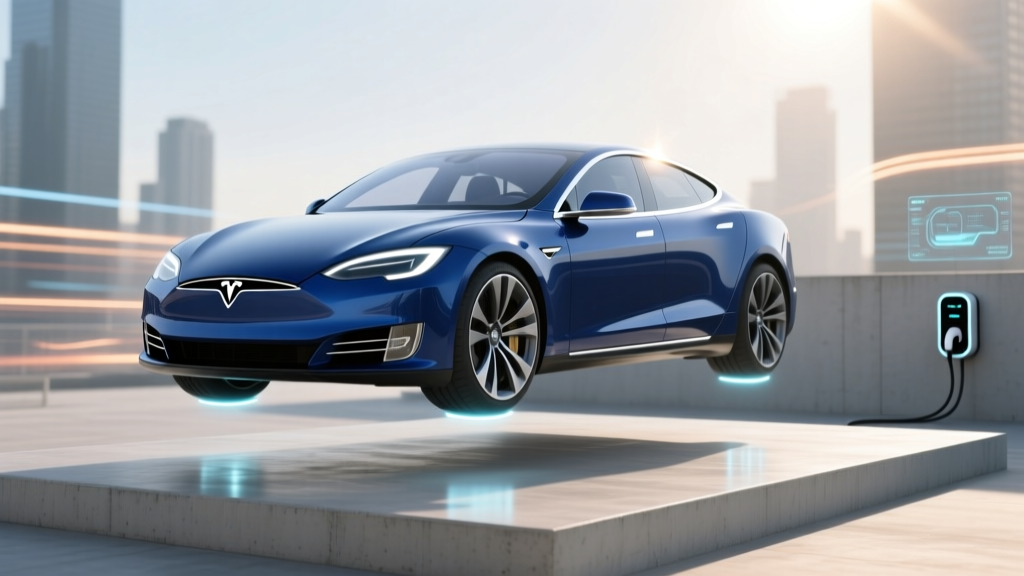
Search forums and EV TikTok long enough and you'll encounter the phrase Tesla flying — a shorthand fans use for the Model S's adaptive air suspension, which in its softest setting delivers a near-hover ride quality over broken pavement. It's not literal flight, and Tesla offers no "flying mode" in any software menu. But the 2026 Model S, now in its 14th model year with steady refinements, comes closer than any production sedan to making you forget what road surface lies beneath you.
This review puts that claim to the test while covering what actually matters to buyers: real-world range versus the EPA sticker, charging-curve reality, tax-credit eligibility under current IRS §30D rules, and whether a $79,990+ sedan still makes sense against the Lucid Air, Mercedes EQS, and even Tesla's own refreshed Model 3 Performance.
2026 Tesla Model S: Core Specifications at a Glance
| Spec | Model S Long Range | Model S Plaid |
|---|---|---|
| EPA Range | 402 miles | 396 miles |
| Battery (usable) | ~95 kWh, NMC | ~95 kWh, NMC |
| Drivetrain | Dual-Motor AWD | Tri-Motor AWD |
| Horsepower | 670 hp | 1,020 hp |
| 0–60 mph | 3.1 sec | 1.99 sec |
| Top Speed | 155 mph | 200 mph |
| Max DC Charge Rate | 250 kW | 250 kW |
| 10–80% DCFC Time | ~27 min | ~27 min |
| Level 2 Home Rate | 11.5 kW (~41 mi/hr) | 11.5 kW (~41 mi/hr) |
| Efficiency | 124 MPGe / 27 kWh/100mi | 119 MPGe / 28 kWh/100mi |
| Cargo (rear + frunk) | 26.3 + 3.1 cu ft | 26.3 + 3.1 cu ft |
| Base MSRP | $79,990 | $94,990 |
| Battery Warranty | 8 yr / 150,000 mi | 8 yr / 150,000 mi |
Source: EPA / fueleconomy.gov and Tesla.com specifications.
Real-World Range vs. the EPA Sticker
EPA Rated: 402 miles (Long Range) / 396 miles (Plaid)
Real-World Expectation: 320–360 miles highway at 70 mph; 280–310 miles in sub-30°F winter conditions.
The 402-mile EPA figure remains the highest of any current production EV sedan, but EPA tests include generous low-speed city cycles with frequent regenerative braking. On a sustained 70-mph interstate run in moderate temperatures, expect roughly 340 miles before hitting a 10% state of charge. Drop the thermostat below freezing and the NMC chemistry — paired with Tesla's heat-pump thermal management — still loses 15–25% of range, putting winter highway range in the 280–310 mile bracket.
That said, 280 real winter miles still outdistances most competitors' EPA stickers. The Model S Long Range's ~95 kWh usable NMC pack and 0.24 drag coefficient do the heavy lifting. Drivers who keep speeds under 65 mph and use Chill Mode can stretch real-world range past 380 miles in favorable conditions.
Charging: 250 kW Peak, but Mind the Taper Curve
Tesla's V4 Superchargers support up to 250 kW for the Model S, and the sedan's battery preconditioning — activated automatically when you navigate to a Supercharger — remains the best in the industry at warming the pack for maximum acceptance rate.
| Charging Level | Power | Miles Added per Hour | Notes |
|---|---|---|---|
| Level 1 (120V) | ~1.4 kW | ~5 mi/hr | Emergency/trickle only |
| Level 2 (240V, 48A) | 11.5 kW | ~41 mi/hr | Full charge in ~9 hours |
| DC Fast (V3/V4 Supercharger) | Peak 250 kW | ~1,000 mi/hr at peak | 10–80% in ~27 min |
The critical nuance: 250 kW is a peak, not a sustained rate. The charge curve tapers noticeably above 50% SoC and drops sharply past 80%. In real-world Supercharger testing, the Model S averages closer to 170–185 kW across the full 10–80% session. That still delivers roughly 200 miles of range in 15 minutes — enough for most road-trip comfort stops.
For home charging, a NACS Wall Connector on a 60-amp circuit delivers 11.5 kW, adding about 41 miles of range per hour. Most owners will plug in overnight and wake to a full battery. A 200-amp electrical panel typically supports this setup without an upgrade, but always have a licensed electrician confirm your panel's headroom.
The 'Flying' Ride: Air Suspension and Real Road Quality
What enthusiasts call the Tesla flying sensation comes from the standard adaptive air suspension, which offers five ride-height settings and automatic speed-based lowering. In the default "Standard" setting at highway speeds, the Model S drops 0.6 inches, reducing drag and sharpening handling. Switch to "High" for steep driveways or rough roads.
On Michigan's frost-heaved I-94 and Los Angeles' expansion-joint freeways, the Model S absorbs sharp impacts with a single, damped thud rather than the secondary crash-through typical of sport sedans. The trade-off: the air suspension adds roughly $2,500 in replacement cost per corner if a strut fails outside the 8-year/150,000-mile battery-and-drive-unit warranty. Tesla's air-suspension components carry a separate 4-year/50,000-mile warranty.
Compared to the Lucid Air's available air suspension, the Model S rides slightly firmer but with better body control during hard cornering. The Mercedes EQS feels softer but vaguer. If "flying" means isolation without float, the Model S nails the balance.
Performance: Plaid's 1.99-Second Party Trick vs. Long Range Sanity
The tri-motor Plaid's 1,020 hp and 1.99-second 0–60 time remain staggering, but the Long Range's 670 hp and 3.1-second sprint already outrun 95% of traffic. The Plaid's third motor (rear axle, twin-motor) adds torque vectoring, which you'll feel most on canyon roads and wet exits from stoplights.
Both trims use Tesla's carbon-sleeve rotor technology to prevent rotor expansion at high RPM — a detail most owners will never need but which enables the Plaid's 200-mph top speed with track-use durability. Brake feel remains the Model S's weakest dynamic point: the regenerative braking is aggressive and consistent, but the friction-brake pedal feel is numb compared to Porsche's Taycan.
Pricing, Trims, and Federal Tax Credit Reality
| Trim | Base MSRP | Federal §30D Credit | Effective Price |
|---|---|---|---|
| Model S Long Range | $79,990 | Not eligible (MSRP > $55K sedan cap) | $79,990 |
| Model S Plaid | $94,990 | Not eligible | $94,990 |
Under current IRS §30D rules, new clean-vehicle credits cap sedan MSRPs at $55,000. The Model S, starting at $79,990, does not qualify for the up-to-$7,500 federal tax credit. Buyers may still benefit from state-level incentives (check AFDC's state incentive database), utility rebates for home charger installation, and favorable lease structures that may pass through a commercial credit. Consult a tax professional for your specific situation.
A well-equipped Long Range with Full Self-Driving (Supervised) capability, red multi-coat paint, and 21-inch Arachnid wheels will land near $90,000 before destination. The Plaid, similarly optioned, approaches $108,000.
Interior, Tech, and the Yoke Debate
The 17-inch landscape touchscreen remains the command center, running Tesla's proprietary infotainment with a built-in Steam-capable gaming platform, Netflix/YouTube streaming (parked only), and a 22-speaker audio system that rivals $200,000 luxury sedans. Build quality on 2026 models continues to improve — panel gaps are tight, and the ventilated seats are a welcome addition.
The yoke steering wheel is standard, with a round wheel available at no cost. For daily driving, the yoke's cut-off top improves instrument-cluster visibility but requires adaptation for low-speed parking maneuvers and three-point turns. Most owners adjust within two weeks; some never do.
Autopilot (basic) is standard and includes Traffic-Aware Cruise Control and Autosteer. Full Self-Driving (Supervised), a $8,000 option or $99/month subscription, adds automatic lane changes, traffic-light recognition, and city-street navigation. This is SAE Level 2 driver assistance — the driver must remain fully engaged with hands on the yoke and eyes on the road. It is not autonomous driving.
Cargo, Passenger Space, and Daily Practicality
The Model S hatchback design yields 26.3 cubic feet behind the rear seats and an additional 3.1 cubic feet in the front trunk (frunk). Fold the 60/40 rear seats and you access 58.1 cubic feet — enough for two full-size suitcases, a week's groceries, and a stroller simultaneously.
Rear legroom measures 35.4 inches — adequate for adults under 6 feet but tighter than the Lucid Air's 37.3 inches or the EQS's generous 42.5 inches. The panoramic glass roof creates an airy cabin but contributes to summer heat soak; Tesla's recent glass tinting helps but doesn't eliminate the need for a sunshade in desert climates.
Pros and Cons: The Honest Verdict
Pros
- Highest EPA range of any production sedan (402 mi)
- Best-in-class Supercharger network access with NACS
- Air suspension delivers genuine ride-quality isolation
- OTA updates continue adding features years after purchase
- Class-leading 8-year/150,000-mile battery warranty
Cons
- No federal tax credit eligibility at current MSRP
- Aging interior design vs. newer Lucid Air and EQS
- Yoke steering polarizing; friction-brake feel numb
- Air-suspension replacement cost outside warranty
- Rear seat legroom trails key competitors
Is the 2026 Model S Worth It vs. the Competition?
The Model S Long Range makes sense if you prioritize range, charging infrastructure, and ride comfort over rear-seat spaciousness and interior novelty. The Lucid Air Grand Touring (516 mi EPA, ~$125,600) offers more range and a roomier back seat but costs significantly more and relies on CCS charging adapters for Tesla Supercharger access. The Mercedes EQS 450+ (390 mi EPA, ~$105,550) delivers a quieter cabin and more rear legroom but can't match Tesla's charging speed or efficiency.
For buyers who need a luxury EV sedan under $70,000, Tesla's own Model 3 Long Range AWD (363 mi EPA, $47,740) may be the smarter financial play — and it does qualify for partial federal credits depending on battery sourcing.
Frequently Asked Questions
What is the real-world range of the 2026 Tesla Model S?
Expect 320–360 miles on the highway at 70 mph in moderate temperatures, and 280–310 miles in sub-freezing winter conditions. The EPA rates it at 402 miles (Long Range), but real-world sustained driving reduces that figure by 10–30% depending on speed, temperature, and terrain.
How fast does the Model S charge at home and on the road?
On a 250 kW V3/V4 Supercharger, the Model S charges from 10–80% in approximately 27 minutes, though peak rate tapers above 50% SoC. At home on a Level 2 Wall Connector (11.5 kW), it adds roughly 41 miles of range per hour, fully charging overnight in about 9 hours.
Does the Tesla Model S qualify for the $7,500 federal EV tax credit?
No. Under current IRS §30D rules, new sedans must have an MSRP at or below $55,000 to qualify. The Model S starts at $79,990 and is ineligible. State incentives and utility rebates may still apply — check IRS.gov and your state's energy office.
Is 'Tesla flying mode' a real feature?
No. There is no flying mode in Tesla's software. The phrase refers informally to the Model S's adaptive air suspension, which in its standard setting delivers an exceptionally smooth, isolated ride over rough pavement — the closest a production sedan comes to a "hovering" sensation.
Is the Model S worth buying over the Lucid Air or Mercedes EQS?
Choose the Model S if Supercharger network access, proven OTA updates, and the best efficiency-to-range ratio matter most. Choose the Lucid Air for maximum range and rear-seat space, or the EQS for cabin quietness and luxury materials. All three are excellent; the decision hinges on your priorities and budget.