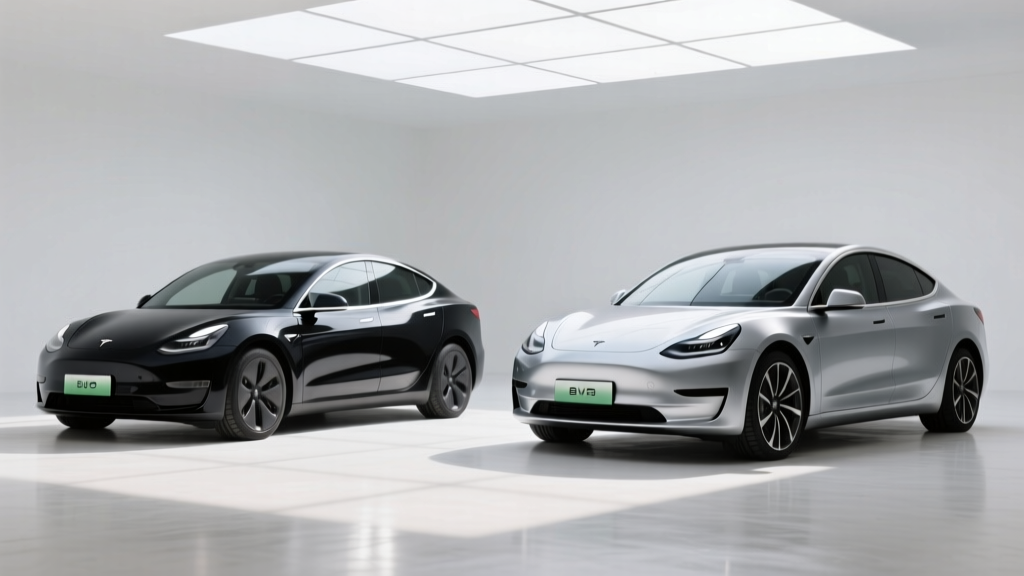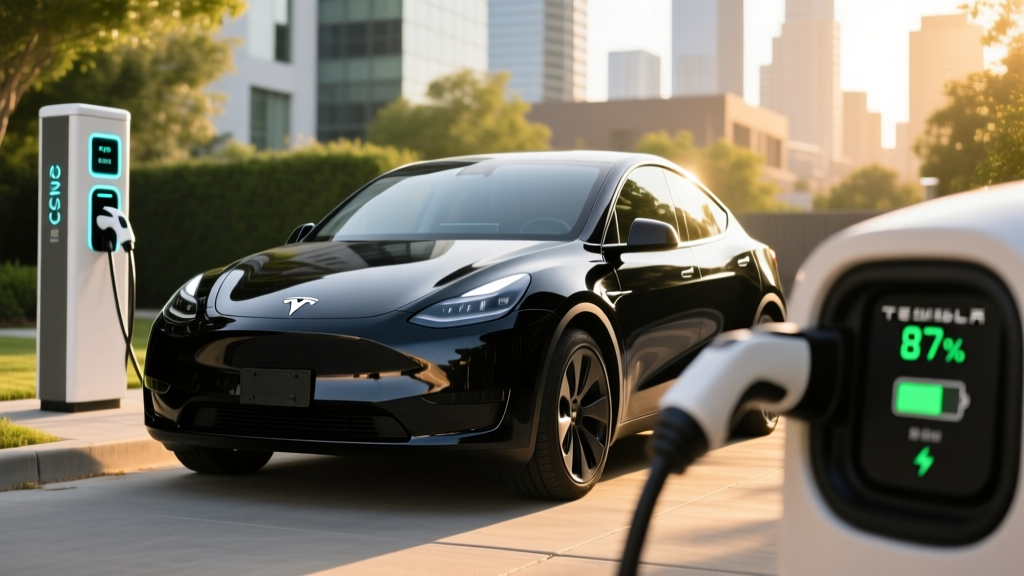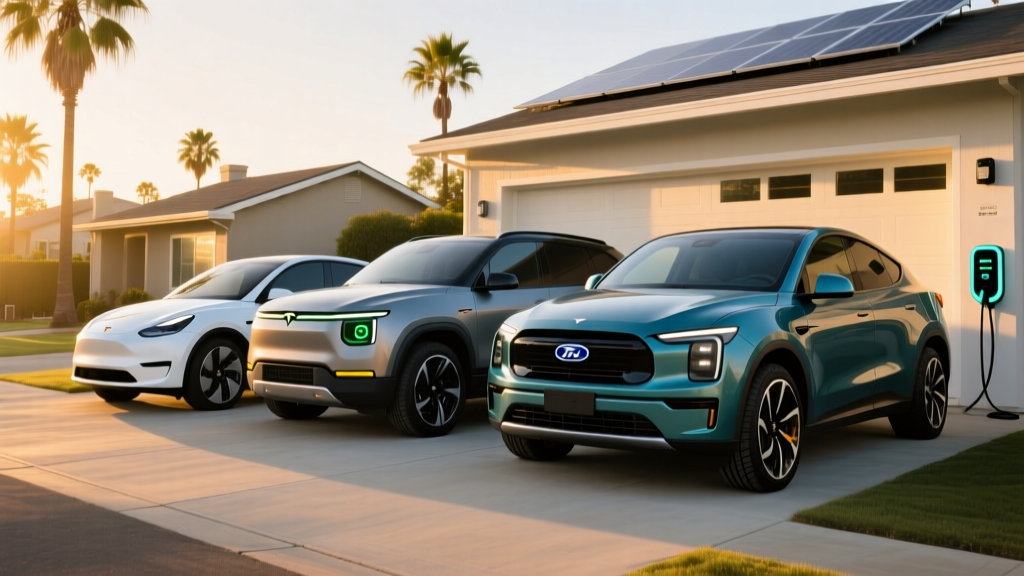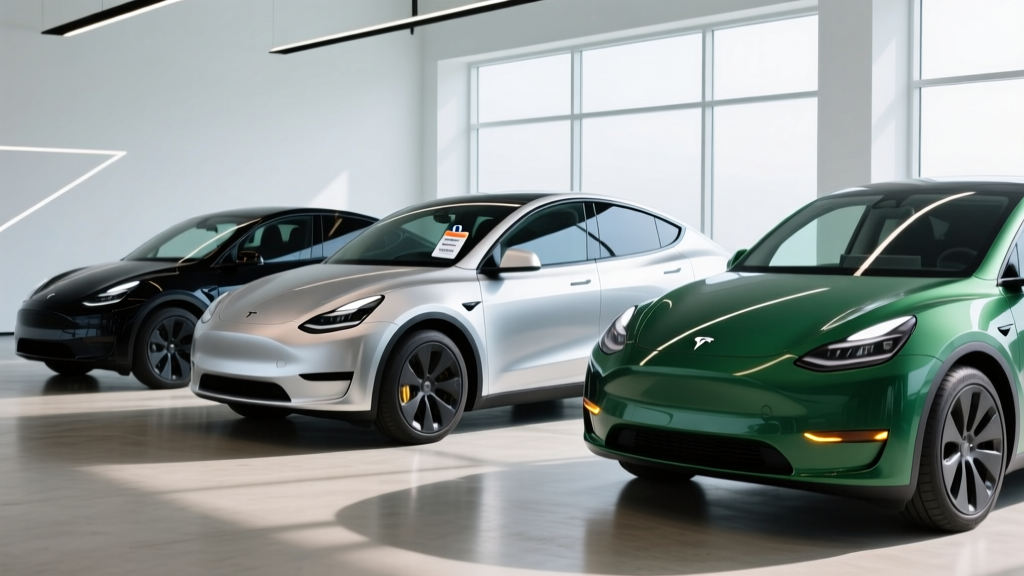
The Truth About the Tesla Employee Car Discount
Search forums, Reddit threads, or EV Facebook groups long enough and you'll encounter the phrase Tesla employee car discount — the persistent rumor that Tesla staff drive home in heavily discounted Model 3s and Model Ys. The reality in 2026 is more nuanced than a simple yes or no, and understanding Tesla's actual pricing structure matters whether you're an aspiring employee, a current team member, or a retail buyer trying to benchmark what a "deal" on a Tesla actually looks like.
Tesla has historically operated with a direct-to-consumer, fixed-price model. Unlike legacy automakers where dealer markups, holdbacks, and invoice pricing create negotiation room, Tesla's sticker price has been the price — for employees and the public alike. That said, Tesla has periodically offered referral-based incentives, demo vehicle access, and limited employee purchase programs tied to specific factory launches or end-of-quarter delivery pushes. None of these amount to the kind of 5–10% employee pricing you'd find at Ford or GM, and Tesla does not publish a standing employee discount schedule.
What follows is a comprehensive buyer's profile of Tesla's volume seller — the 2026 Model Y Long Range AWD — the vehicle most frequently referenced in employee discount discussions. We'll cover the exact specs, real-world range, charging performance, and total cost after federal tax credits so you can evaluate any "insider deal" against hard data.
2026 Tesla Model Y Long Range AWD: Core Specs at a Glance
| Specification | 2026 Model Y Long Range AWD |
|---|---|
| EPA Estimated Range | 320 miles |
| Battery Capacity (usable) | ~75 kWh (NMC chemistry) |
| Drivetrain | Dual-Motor All-Wheel Drive |
| Horsepower | 384 hp (combined) |
| 0–60 mph | 4.8 seconds |
| Max DC Fast Charge Rate | 250 kW peak |
| 10–80% DC Fast Charge Time | ~25 minutes |
| Level 2 Home Charge Rate | 11.5 kW (~44 mi/hr) |
| EPA Efficiency | 122 MPGe combined / 28 kWh/100mi |
| Cargo Volume (rear seats up) | 30.2 cu ft |
| Cargo Volume (rear seats folded) | 72.0 cu ft |
| Rear Legroom | 37.0 inches |
| Battery & Drive Unit Warranty | 8 years / 120,000 miles |
| Base MSRP | $47,990 |
Real-World Range: What the EPA Sticker Doesn't Tell You
Real-World Expectation: Plan for ~260–285 miles on sustained highway driving at 70–75 mph. In freezing temperatures (below 32°F), expect a 20–30% reduction, bringing usable range to roughly 220–255 miles without preconditioning. City driving with regenerative braking can match or slightly exceed the EPA estimate.
Tesla's efficiency engineering remains among the best in the industry. The Model Y Long Range AWD achieves 122 MPGe combined, which translates to roughly 28 kWh per 100 miles — a figure that beats most competing electric SUVs, including the Ford Mustang Mach-E Extended Range AWD (101 MPGe combined) and the Hyundai Ioniq 5 AWD (110 MPGe combined). According to fueleconomy.gov, this efficiency edge comes from Tesla's heat pump standard on all trims, low-drag aero, and the SiC inverter architecture on the rear motor.
For context on cold-weather impact: Tesla's battery preconditioning feature — activated when you navigate to a Supercharger or manually enable it — warms the pack to optimize charge acceptance and mitigate range loss. If you're a commuter in Minnesota or Maine, preconditioning while still plugged in at home is essential to preserving range and charge speed.
Charging Speed: Supercharger Network vs. Home Level 2
| Charging Method | Power (kW) | Miles Added per Hour | 10–80% Time |
|---|---|---|---|
| Level 1 (120V household) | ~1.4 kW | ~4–5 mi/hr | N/A (days) |
| Level 2 (240V, 48A home) | 11.5 kW | ~44 mi/hr | ~6.5 hours |
| DC Fast (Tesla Supercharger V3) | 250 kW peak | ~200+ mi in 15 min | ~25 minutes |
| DC Fast (350 kW CCS adapter) | ~250 kW peak* | Similar to V3 | ~25 minutes |
*The Model Y's onboard charge architecture caps at ~250 kW regardless of charger capability. A 350 kW Electrify America stall will not charge it faster than a V3 Supercharger.
Tesla's Supercharger network remains its strongest ownership advantage. As of 2026, Tesla operates over 6,500 Supercharger stalls in North America, and the network's reliability consistently outpaces third-party CCS networks in J.D. Power and PlugShare user satisfaction surveys. The 250 kW peak charge rate on the Model Y Long Range is strong but not class-leading — the Hyundai Ioniq 5 and Kia EV6, with their 800V architectures, can peak at 350 kW and achieve 10–80% in roughly 18 minutes under ideal conditions.
One often-overlooked charging detail: Tesla's charge curve tapers significantly above 80% State of Charge (SoC). Charging from 80–100% on DC fast charging can add another 20–25 minutes. For road trips, the practical strategy is to charge to 80% and hop to the next station 150 miles away rather than wait for a full top-off.
For home charging, a 48-amp Level 2 wall connector on a 60-amp circuit delivers 11.5 kW — enough to replenish a full day's driving overnight. Installation typically runs $800–$2,000 depending on panel proximity and local permitting, and Tesla's Wall Connector retails for roughly $475.
Tesla Employee Purchase Programs: What's Actually Available
Tesla does not advertise a permanent employee discount on its website, and internal pricing details are not publicly disclosed. Based on employee reports across Glassdoor, Blind, and EV community forums through early 2026, here's what's known:
- No blanket percentage discount: Tesla employees do not receive a standing 5% or 10% off MSRP as a universal benefit.
- Referral credits: Employees have periodically been able to generate referral codes that provide credits (typically $500–$1,000) to both the referrer and the buyer — functionally identical to what any Tesla owner can do.
- Demo and loaner vehicles: Service center and store employees may have access to demo vehicles at reduced pricing when those vehicles are retired from fleet duty. These are typically higher-mileage (5,000–15,000 miles) and sold as-is or with limited warranty extension.
- End-of-quarter delivery incentives: During delivery pushes (typically the last 2–3 weeks of March, June, September, December), Tesla has offered limited-time incentives like free Supercharging miles, discounted FSD transfers, or reduced delivery fees — available to the public, not just employees.
- Company vehicle programs: Certain field service, engineering, and executive roles include company-provided vehicles, but these are not purchase programs — they're tools of the job.
The bottom line: if someone claims to offer you a "Tesla employee discount" of several thousand dollars, treat it with skepticism. The most realistic path to below-MSRP Tesla pricing in 2026 is through the used EV market, federal and state tax credits, or timing your purchase around quarterly delivery targets.
Pricing, Tax Credits, and Total Cost
| Cost Factor | Amount |
|---|---|
| Base MSRP (Model Y Long Range AWD) | $47,990 |
| Destination Fee | $1,390 |
| Federal §30D Tax Credit (if eligible) | Up to $7,500 (point-of-sale) |
| Estimated Effective Price (with full credit) | ~$41,880 |
| Model Y Performance Trim MSRP | $52,990 |
The IRS §30D clean vehicle credit remains available for the Model Y in 2026, but eligibility is not automatic. Here are the binding constraints:
- MSRP cap: The vehicle's MSRP must not exceed $80,000 for SUVs (Model Y qualifies).
- Buyer income cap: Modified adjusted gross income must be ≤$300,000 (joint filers), ≤$225,000 (head of household), or ≤$150,000 (single).
- Battery sourcing requirements: A percentage of critical minerals and battery components must be sourced from the U.S. or free-trade-agreement partners. Tesla has progressively shifted supply chains to meet these requirements, but the qualifying credit amount ($3,750 vs. $7,500) can change based on annual sourcing updates. Always verify current eligibility on fueleconomy.gov before purchasing.
- Point-of-sale transfer: As of 2024, buyers can transfer the credit to the dealer (Tesla) at purchase, reducing the purchase price directly rather than waiting for a tax refund.
State incentives vary widely. California's CVRP program, Colorado's $5,000 credit, and various utility rebates can stack on top of the federal credit — but each has its own income and residency requirements. Consult your state's energy office or a tax professional for specifics.
Technology, Driver Assistance, and Interior
The Model Y's interior remains minimalist by design — a 15-inch center touchscreen handles all infotainment, climate, and vehicle controls. There is no instrument cluster, no head-up display, and no physical button for turn signals (a controversial design choice carried into the 2026 refresh). Key tech highlights:
- Autopilot (standard): Adaptive cruise control + lane centering on highways. This is an SAE Level 2 driver-assistance system — the driver must remain attentive with hands on the wheel at all times.
- Full Self-Driving Supervised ($8,000 option or $99/month): Adds automatic lane changes, traffic light/stop sign recognition, and city street navigation. Despite the name, FSD Supervised is still SAE Level 2 — not autonomous. The driver is legally and practically responsible for all vehicle operation.
- Over-the-air updates: Tesla's OTA pipeline continues to deliver feature additions, UI improvements, and efficiency tweaks post-purchase — a genuine differentiator over competitors with limited update capability.
- Sentry Mode & Dashcam: Uses the vehicle's camera suite for parking surveillance and incident recording — a feature competitors still don't match in integration.
Cargo space is a Model Y strong suit: 30.2 cubic feet behind the second row and 72.0 cubic feet with seats folded — enough for a week's camping gear or a Costco haul. The rear frunk adds roughly 4.1 cubic feet for charging cables and smaller items. Rear legroom at 37.0 inches is adequate for adults but trails the Hyundai Ioniq 5's 39.4 inches.
Pros, Cons, and the Verdict
Pros
- Class-leading efficiency (122 MPGe combined)
- Supercharger network reliability and coverage
- Strong real-world range (260–285 mi highway)
- Excellent cargo capacity (72 cu ft max)
- OTA updates add features over time
- Available §30D tax credit reduces effective price
- Heat pump standard — better cold-weather performance
Cons
- 250 kW DC peak charge rate trails 800V competitors
- Minimalist interior not for everyone (no instrument cluster)
- FSD is expensive and still Level 2 — not autonomous
- Rear legroom is tighter than some competitors
- No standing employee discount program despite rumors
- Insurance costs tend to be above segment average
- Ride quality can be firm on broken pavement
Who Should Buy the Model Y — and Who Should Look Elsewhere?
Choose the Model Y Long Range AWD if: You want the most energy-efficient electric SUV available, you road-trip frequently and value Supercharger network access, you need strong cargo versatility, and you want a proven platform with extensive real-world ownership data.
Look at competitors if: You prioritize the fastest DC charging speeds (Hyundai Ioniq 5 / Kia EV6 at 350 kW), you want a more traditional interior layout with physical controls, you need maximum rear-seat legroom for tall passengers, or you want Apple CarPlay/Android Auto integration (Tesla does not support either).
The Model Y's closest rivals in 2026 — the Ford Mustang Mach-E, Hyundai Ioniq 5, and Kia EV6 — each have distinct advantages. The Mach-E offers a sportier driving feel and more conventional interior. The Ioniq 5 and EV6 charge faster and offer vehicle-to-load (V2L) capability. But none match the Model Y's combination of efficiency, range, Supercharger access, and cargo practicality in a single package.
Frequently Asked Questions
Does Tesla offer an employee car discount in 2026?
Tesla does not publish a standing employee discount. Employees may occasionally access demo vehicle pricing or participate in referral programs, but there is no universal percentage-off program like those at legacy automakers. Any claim of a large insider discount should be verified skeptically.
What is the real-world highway range of the Model Y Long Range?
Expect 260–285 miles at sustained highway speeds (70–75 mph) in moderate temperatures. In freezing weather, plan for 220–255 miles. City driving with regenerative braking can match or exceed the EPA's 320-mile estimate.
How fast does the Model Y charge on DC fast charging?
The Model Y Long Range peaks at 250 kW on Tesla Superchargers and achieves a 10–80% charge in approximately 25 minutes. Charging from 80–100% adds another 20–25 minutes due to charge-curve taper.
Does the 2026 Model Y qualify for the $7,500 federal tax credit?
The Model Y is eligible for up to $7,500 under IRS §30D, provided the buyer meets income caps ($150K single / $300K joint), the vehicle MSRP stays under $80,000 (it does), and battery sourcing requirements are met for the specific production batch. Verify current eligibility at fueleconomy.gov before purchasing.
Is the Model Y worth buying over the Hyundai Ioniq 5 or Ford Mach-E?
The Model Y wins on efficiency, range, cargo space, and charging-network access. The Ioniq 5 and EV6 win on DC charge speed and V2L capability. The Mach-E wins on driving dynamics. Your priority list determines the best choice — there is no single "best" EV SUV.
What is the battery warranty on the Model Y?
Tesla covers the battery and drive unit for 8 years or 120,000 miles, whichever comes first, with a minimum 70% capacity retention threshold during the warranty period.