The Short Answer: Is Tesla Discontinuing the Model S?
Rumors that Tesla is discontinuing the Model S have circulated since at least 2023, and as of early 2026, the flagship sedan remains on sale — but in a dramatically reduced role. Tesla has not issued a formal discontinuation announcement, yet multiple signals point to the Model S (and Model X) entering a wind-down phase rather than receiving a next-generation redesign.
Production at the Fremont factory has been scaled back significantly. Order lead times are shorter than ever, trim configurations have been simplified to just two variants (Long Range and Plaid), and Tesla's own marketing emphasis has shifted almost entirely to the Model 3, Model Y, Cybertruck, and the anticipated next-generation platform. Elon Musk himself acknowledged in 2024 that the Model S and X were entering the "final chapter" of their lifecycle, though no hard end date was provided.
For buyers considering a 2026 Model S, this doesn't mean the car is a bad purchase — it means you're buying a mature, proven vehicle with known strengths and limitations. Here's exactly what you need to know.
2026 Tesla Model S: Full Specification Table
| Specification | Long Range | Plaid |
|---|---|---|
| EPA Range | 405 miles | 396 miles |
| Battery Capacity | ~100 kWh (usable), NMC | ~100 kWh (usable), NMC |
| Drivetrain | Dual-Motor AWD | Tri-Motor AWD |
| Horsepower | 670 hp | 1,020 hp |
| 0–60 mph | 3.1 seconds | 1.99 seconds |
| Top Speed | 155 mph | 200 mph |
| Max DC Fast Charge | 250 kW | 250 kW |
| 10–80% DC Charge | ~30 minutes | ~30 minutes |
| Level 2 Charge Rate | 11.5 kW (~44 mi/hr) | 11.5 kW (~44 mi/hr) |
| MPGe (Combined) | 120 MPGe | 116 MPGe |
| Energy Consumption | 28 kWh/100 mi | 29 kWh/100 mi |
| Cargo Volume | 28 cu ft (rear) + front trunk | 28 cu ft (rear) + front trunk |
| Rear Legroom | 35.4 inches | 35.4 inches |
| Base MSRP | $74,990 | $89,990 |
| Battery/Drive Warranty | 8 years / 150,000 miles | 8 years / 150,000 miles |
Sources: fueleconomy.gov, Tesla Model S Design Studio
Real-World Range: What the EPA Number Doesn't Tell You
The Model S Long Range carries an EPA-estimated 405 miles of range. In real-world highway driving at 70–80 mph, expect approximately 320–350 miles in mild temperatures (60–80°F). In cold weather (below 32°F), that figure drops to roughly 270–300 miles due to battery chemistry limitations and cabin heating demands. The Plaid's 396-mile EPA rating translates to about 310–340 highway miles in mild conditions and 260–290 in freezing temperatures.
The Model S uses a ~100 kWh usable NMC (nickel manganese cobalt) battery pack. Unlike Tesla's LFP-equipped Model 3 RWD, NMC chemistry offers higher energy density but is more sensitive to sustained 100% charging — Tesla recommends daily charging to 80–90% for battery longevity, reserving 100% for road trips. This is standard NMC practice and not a flaw, but buyers coming from LFP vehicles (which tolerate 100% daily charges) should be aware.
Efficiency is strong for the vehicle's size. The Long Range's 120 MPGe combined (28 kWh/100 mi) means that even at national average electricity prices of ~$0.16/kWh, you're paying roughly $4.48 per 100 miles — about one-third the cost of a comparable gasoline sedan getting 25 MPG at $3.50/gallon.
Charging Speed: Supercharger Network vs. Home Level 2
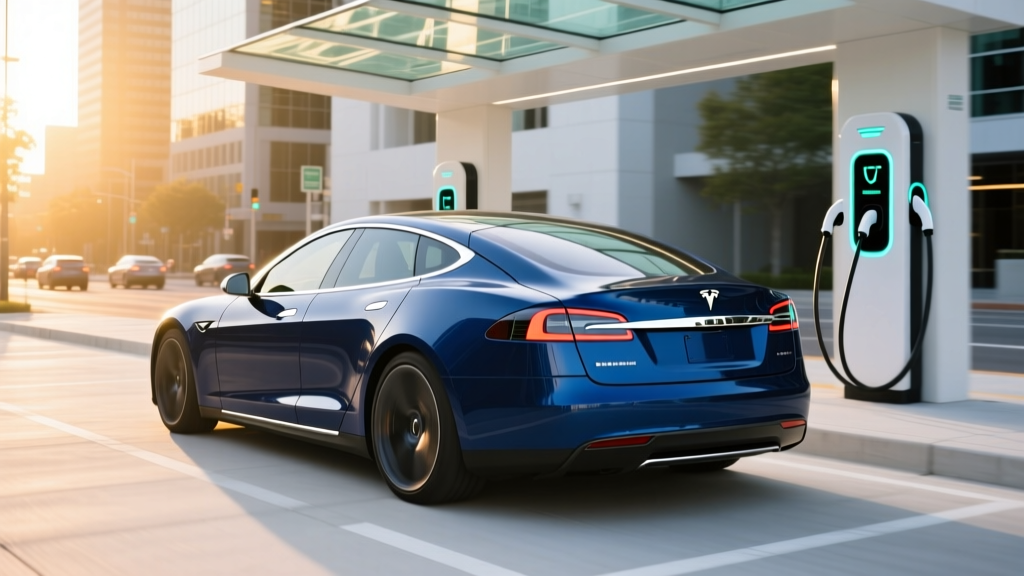
The Model S supports up to 250 kW peak DC fast charging on Tesla's V3 Superchargers. However, peak rate and sustained rate are very different things:
| Charging Level | Power | Speed / Notes |
|---|---|---|
| Level 1 (120V household) | ~1.4 kW | ~5 miles per hour — emergency/trickle only |
| Level 2 (240V home) | 11.5 kW (48A) | ~44 miles per hour — full charge in ~9 hours |
| DC Fast (V3 Supercharger) | Up to 250 kW peak | 10–80% in ~30 min; tapers significantly above 80% |
| DC Fast (V4 Supercharger) | Up to 250 kW (vehicle-limited) | Same vehicle-side limit; newer stall hardware |
The charging curve matters: the Model S pulls close to 250 kW only between roughly 10–30% state of charge, then steps down progressively. From 50–80%, you're typically seeing 80–120 kW. The 10–80% time of approximately 30 minutes is competitive but no longer class-leading — vehicles on 800V architectures (Hyundai Ioniq 5, Kia EV6, Porsche Taycan) can complete the same session in 18 minutes or less.
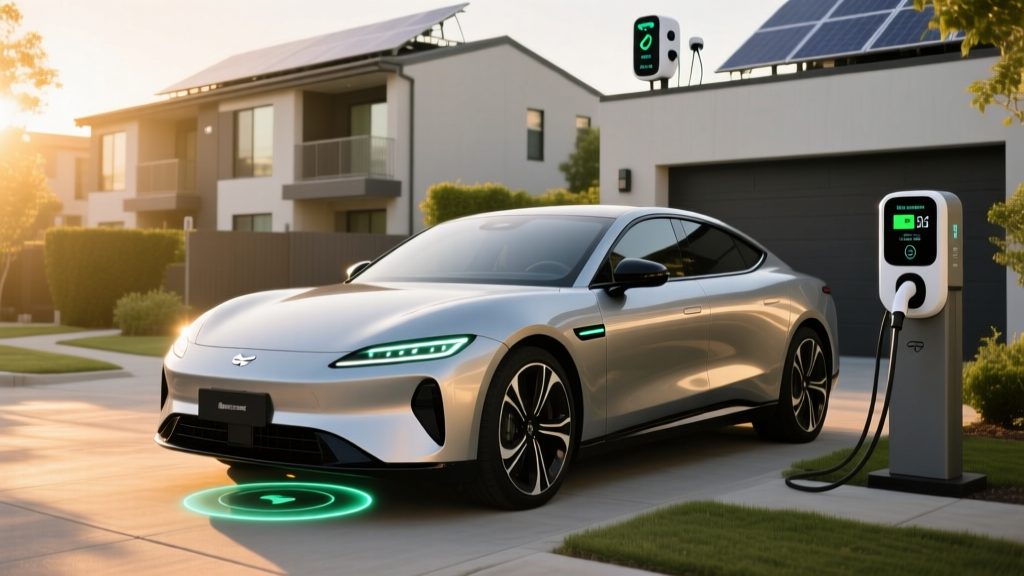
For home charging, a Tesla Wall Connector on a 60-amp circuit delivers the full 11.5 kW, adding about 44 miles of range per hour. Most owners charging overnight from 20–80% will wake up fully replenished. Installation costs vary widely: expect $500–$1,500 for the electrician if your panel has capacity, or $2,000–$4,000+ if a 200-amp panel upgrade is needed.
One notable limitation: the Model S uses the legacy Tesla connector (proprietary) for Level 2 AC charging, not the newer NACS standard that Tesla is rolling out to other manufacturers. Tesla has not announced a retrofit adapter program for existing Model S vehicles, though the Supercharger network remains fully accessible.
Performance, Tech, and the Ownership Experience
The Model S Long Range's 670 hp and 3.1-second 0–60 time remain seriously quick by any standard. The Plaid's 1,020 hp and 1.99-second sprint is exotic-supercar territory — a four-door sedan that outruns a Ferrari SF90 to 60 mph. Both variants feature adaptive air suspension, which provides a comfortable highway ride and adjustable ground clearance.
On the tech front, the 17-inch center touchscreen (now in a landscape orientation since the 2021 refresh) runs Tesla's latest software, which is responsive and feature-rich. The yoke steering wheel is standard (a conventional round wheel is available by request). The rear-seat entertainment screen and 22-speaker audio system are included on all trims.
Autopilot and FSD (Supervised): Basic Autopilot (traffic-aware cruise control + lane centering) is standard. Full Self-Driving (Supervised) is an $8,000 add-on. It's critical to understand that FSD is an SAE Level 2 driver-assistance system — it does not make the car self-driving. The driver must remain attentive, keep hands available, and supervise at all times. Only Level 4 services like Waymo operate without a human driver in geofenced areas.
Tesla Autopilot and FSD (Supervised) require continuous driver supervision. They do not handle all road conditions, construction zones, or adverse weather reliably. The driver is legally responsible for the vehicle at all times. NHTSA has issued standing orders requiring Tesla to report crashes involving Autopilot/FSD — review NHTSA's crash data before purchasing.
Pricing, Tax Credits, and Total Cost of Ownership
The 2026 Model S Long Range starts at $74,990 before destination fees, and the Plaid starts at $89,990. These prices place the Model S well above the IRS §30D federal tax credit MSRP cap for sedans, which is $55,000.
| Item | Long Range | Plaid |
|---|---|---|
| Base MSRP | $74,990 | $89,990 |
| Federal §30D Credit Eligible? | No — exceeds $55K sedan cap | No — exceeds $55K sedan cap |
| Estimated Out-the-Door (no trade) | ~$77,000–$79,000 | ~$92,000–$95,000 |
| As-Tested (w/ FSD + paint) | ~$87,000+ | ~$102,000+ |
The bottom line on tax credits: The Model S does not qualify for the $7,500 federal EV tax credit under current IRS §30D rules. The sedan MSRP cap is $55,000, and both trims far exceed this. Additionally, buyer income caps apply ($150,000 single / $300,000 joint modified AGI). Even if the MSRP cap were met, battery critical-mineral and component sourcing requirements must be satisfied. Always verify current rules at IRS.gov or consult a tax professional.
Some states offer additional incentives that may apply regardless of MSRP (California's CVRP rebate, for example, has its own income and price limits). Check your state's energy office for specifics.
Model S vs. the Competition: Is It Still Worth It?
The luxury EV sedan market has expanded considerably since the Model S launched. Here's how the key competitors stack up:
| Vehicle | EPA Range | 0–60 mph | Max DC kW | 10–80% Time | Starting MSRP |
|---|---|---|---|---|---|
| Tesla Model S LR | 405 mi | 3.1s | 250 kW | ~30 min | $74,990 |
| Lucid Air Pure | 419 mi | 3.4s | 200 kW | ~33 min | $69,900 |
| BMW i5 eDrive40 | 295 mi | 5.7s | 205 kW | ~30 min | $57,200 |
| Mercedes EQS 450+ | 390 mi | 5.9s | 200 kW | ~31 min | $104,400 |
| Porsche Taycan (base) | 318 mi | 4.5s | 270 kW | ~18 min | $92,000 |
The Model S still leads in Supercharger network access (the most reliable DC fast-charging network in North America), software maturity, and cargo versatility. However, the Lucid Air matches or beats it on range at a lower price, the Porsche Taycan charges significantly faster thanks to its 800V architecture, and the BMW i5 offers traditional luxury build quality at a price that can actually qualify for the federal tax credit.
Pros
- Class-leading EPA range (405 mi) among AWD sedans
- Supercharger network access — most reliable DC charging in the US
- Massive cargo space (28 cu ft + frunk) for a sedan
- OTA software updates continuously add features
- Plaid variant offers unmatched performance-per-dollar
- 8-yr/150,000-mi battery warranty
Cons
- No federal tax credit (exceeds $55K MSRP cap)
- 250 kW peak charge rate trails 800V competitors
- Interior build quality still inconsistent vs. BMW/Mercedes
- Yoke steering is polarizing; not all buyers adapt
- Model line likely being wound down — long-term parts/service uncertainty
- FSD is expensive ($8K) and remains Level 2 only
What Discontinuation Would Mean for Current and Future Owners
If Tesla does formally discontinue the Model S — whether in late 2026, 2027, or beyond — it doesn't mean your car becomes unsupported overnight. Federal law requires automakers to maintain parts availability for a period after discontinuation, and Tesla's OTA-capable fleet means software support typically continues for years. The Model S shares many components with the Model X, which extends the parts supply chain.
However, depreciation is a real concern. Vehicles from discontinued model lines typically lose value faster in the first 2–3 years after the announcement. If you plan to keep the car 8+ years, this matters less. If you trade every 3–4 years, expect steeper depreciation than a Model 3 or Model Y.
Service center availability should remain strong — Tesla's service infrastructure supports the entire fleet, and Model S/X volumes, while declining, still represent hundreds of thousands of vehicles on the road.
Who Should Buy the Model S in 2026?
Buy the Model S if:
- You need a large sedan with serious range (400+ mi) and frequent road-trip use on the Supercharger network
- You value cargo versatility (hatchback + frunk) over traditional sedan styling
- You want proven, mature EV tech with years of real-world ownership data
- Performance matters — even the Long Range is a 3.1-second car
- You want the fastest DC charging speeds (consider Porsche Taycan or Hyundai Ioniq 5)
- Federal tax credit eligibility is important to your budget (BMW i5, Tesla Model 3)
- Traditional luxury interior quality is a priority (Mercedes EQS, BMW i5)
- You're concerned about long-term depreciation from a potentially discontinued model
Frequently Asked Questions
Has Tesla officially announced the Model S discontinuation?
No. As of early 2026, Tesla has not issued a formal discontinuation announcement. However, production has been scaled back, configurations simplified, and Elon Musk has referenced the Model S/X entering their "final chapter." The vehicle remains orderable and in production.
What is the real-world range of the 2026 Model S?
The EPA rates the Long Range at 405 miles and the Plaid at 396 miles. Real-world highway range in mild weather is approximately 320–350 miles (Long Range) and 310–340 miles (Plaid). In freezing temperatures, subtract 15–25%, bringing realistic range to 270–300 miles for the Long Range.
How fast does the Model S charge at home and on the road?
At home on a 240V Level 2 charger (Tesla Wall Connector, 48A), the Model S charges at 11.5 kW, adding roughly 44 miles of range per hour — a full overnight session covers most needs. On a V3 Supercharger, it peaks at 250 kW and charges from 10–80% in approximately 30 minutes, though the rate tapers substantially above 80% SoC.
Does the Tesla Model S qualify for the federal EV tax credit?
No. Under current IRS §30D rules, the federal tax credit for sedans is capped at vehicles with an MSRP of $55,000 or less. The Model S starts at $74,990, well above this threshold. Buyer income limits ($150K single / $300K joint) and battery sourcing requirements add additional eligibility barriers. Verify current rules at IRS.gov.
Is the Model S still worth buying vs. the Lucid Air or Porsche Taycan?
It depends on priorities. The Model S wins on Supercharger network access, cargo space, and software. The Lucid Air offers more range at a lower price. The Porsche Taycan charges dramatically faster (800V architecture, 10–80% in ~18 min) and drives more like a traditional sports sedan. Test-drive all three before deciding.
What happens to service and parts if the Model S is discontinued?
Federal regulations require parts availability for a period after discontinuation, and Tesla's shared components between Model S and Model X extend supply chain viability. Software updates via OTA should continue for years. However, long-term resale value may suffer compared to actively produced models.
What is the battery warranty on the Model S?
Tesla covers the Model S battery and drive unit for 8 years or 150,000 miles, whichever comes first, with a minimum 70% capacity retention guarantee over that period. This is among the most generous warranties in the luxury EV segment.