The 'Tesla Discontinue' Question: What's Actually Happening?
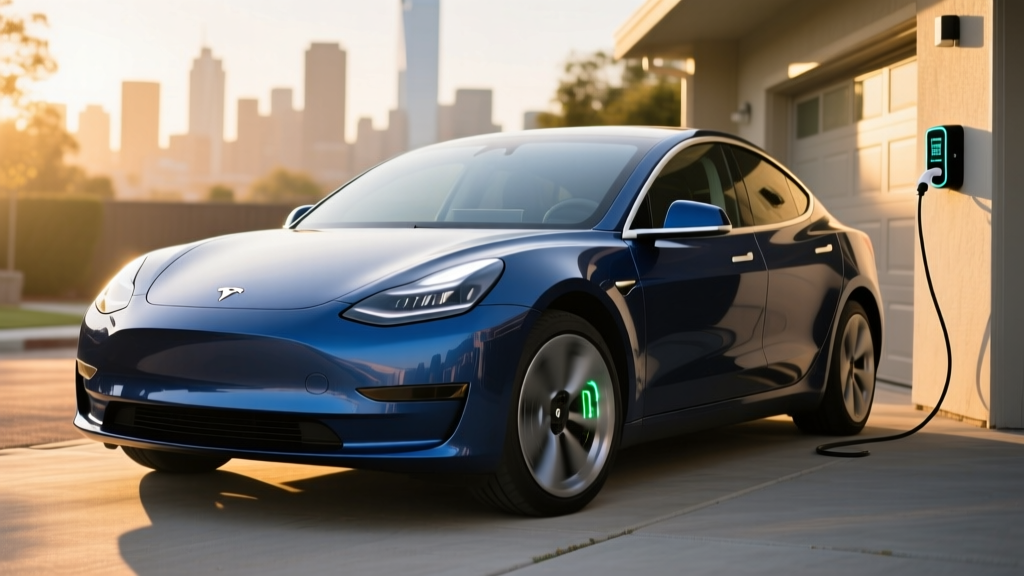
If you've been searching for information on whether Tesla will discontinue certain models, you're not alone. Search interest around "Tesla discontinue" spikes every time the company adjusts pricing, shifts production between Fremont, Austin, Shanghai, and Berlin, or quietly removes a trim from the configurator. As of early 2026, Tesla has not announced a full model discontinuation, but the lineup has been reshuffled significantly over the past 18 months.
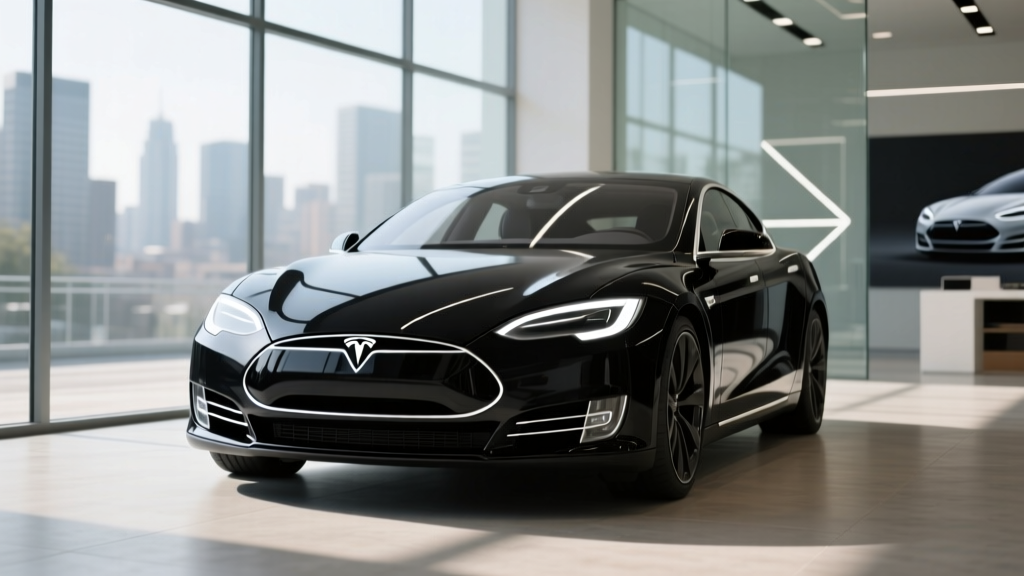
The Model S and Model X — once the flagship halo cars — now occupy a precarious position. Production volumes have dwindled, and Tesla has redirected factory capacity toward the higher-volume Model 3, Model Y, Cybertruck, and the anticipated next-generation platform. Meanwhile, the Model 3 Highland refresh and the Juniper-updated Model Y continue to anchor the brand's sales.
This guide breaks down the current 2026 Tesla lineup, provides exact EPA range, charging, battery, and pricing data for each surviving model, and helps you decide whether buying a potentially discontinued model is a risk worth taking.
2026 Tesla Lineup: What's Still in Production
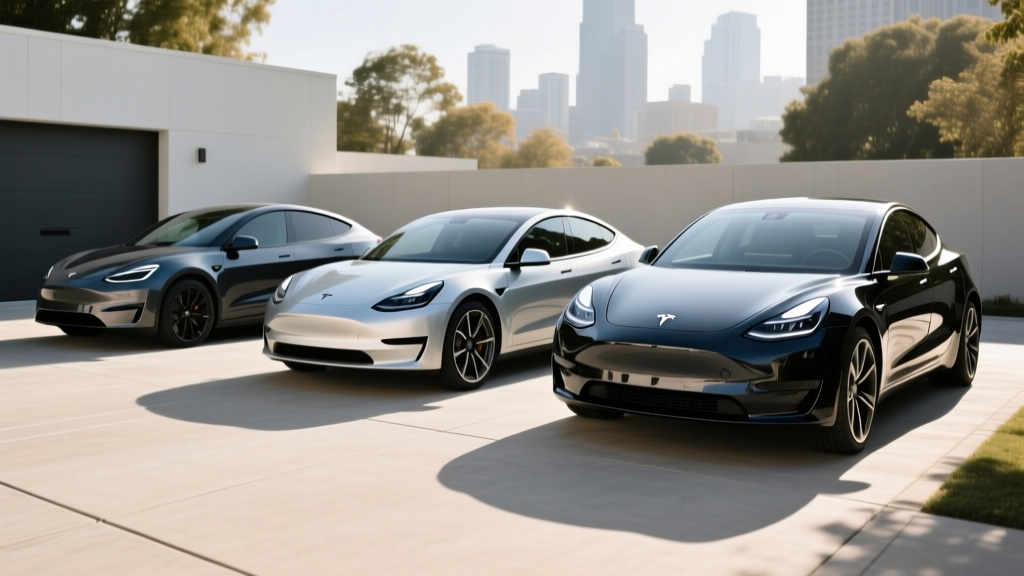
As of the current model year, Tesla sells five consumer vehicles in the U.S. market. Here's the production status of each:
- Model 3 — Full production (Fremont + Shanghai). Highland refresh ongoing. No discontinuation risk.
- Model Y — Full production (Austin + Shanghai + Berlin). Juniper refresh rolling out. No discontinuation risk.
- Cybertruck — Ramping production (Austin). High demand, no risk.
- Model S — Low-volume production (Fremont). Elevated discontinuation risk.
- Model X — Low-volume production (Fremont). Elevated discontinuation risk.
Tesla does not publish per-model production figures, but registration data and earnings-call commentary suggest Model S and Model X combined represent a small fraction of total deliveries. If Tesla discontinues a model, these are the most likely candidates.
Model 3 (2026): The Volume King
| Spec | RWD (Standard) | Long Range AWD | Performance |
|---|---|---|---|
| EPA Range | 272 mi | 363 mi | 315 mi |
| Battery (usable) | ~57 kWh (LFP) | ~79 kWh (NMC) | ~79 kWh (NMC) |
| 0-60 mph | 5.8 sec | 4.2 sec | 2.9 sec |
| Horsepower | 271 hp | 384 hp | 510 hp |
| Drivetrain | RWD | Dual-Motor AWD | Dual-Motor AWD |
| Peak DC Fast Charge | 170 kW | 250 kW | 250 kW |
| 10-80% DCFC Time | ~25 min | ~18 min | ~18 min |
| Level 2 Home Rate | 11.5 kW (~37 mi/hr) | 11.5 kW (~37 mi/hr) | 11.5 kW (~37 mi/hr) |
| MPGe (combined) | 142 MPGe | 132 MPGe | 119 MPGe |
| Base MSRP | $38,990 | $44,990 | $52,990 |
Who the Model 3 Suits
The Model 3 remains the default recommendation for first-time EV buyers who want a proven, well-supported sedan with access to the Supercharger network. The RWD trim at $38,990 is the value play; the Long Range is the road-trip pick. Cargo space is modest at 23 cu ft (trunk + frunk combined), making it less ideal for families needing stroller room.
Model Y (2026): The Best-Seller
| Spec | RWD | Long Range AWD | Performance |
|---|---|---|---|
| EPA Range | 260 mi | 330 mi | 303 mi |
| Battery (usable) | ~57 kWh (LFP) | ~79 kWh (NMC) | ~79 kWh (NMC) |
| 0-60 mph | 6.5 sec | 4.8 sec | 3.5 sec |
| Horsepower | 271 hp | 384 hp | 456 hp |
| Peak DC Fast Charge | 170 kW | 250 kW | 250 kW |
| 10-80% DCFC Time | ~25 min | ~20 min | ~20 min |
| MPGe (combined) | 137 MPGe | 122 MPGe | 111 MPGe |
| Cargo (rear seats up) | 30.2 cu ft | ||
| Cargo (rear seats folded) | 72.1 cu ft | ||
| Base MSRP | $43,990 | $47,990 | $52,490 |
Who the Model Y Suits
Small families, couples who road-trip, and buyers who need crossover cargo space without stepping up to a larger vehicle. The 72.1 cu ft of cargo with seats folded rivals many midsize SUVs. The optional third row (7-seat config) is best suited for small children only — adult legroom in the way-back is tight at 26.5 inches.
Model S & Model X: Discontinuation Candidates
This is where the "Tesla discontinue" search intent converges. The Model S and Model X were last substantially refreshed in 2021 (Plaid powertrain, yoke steering, rear touchscreen). Since then, Tesla has made only incremental updates. Here's where they stand on specs:
| Spec | Model S LR | Model S Plaid | Model X LR | Model X Plaid |
|---|---|---|---|---|
| EPA Range | 402 mi | 359 mi | 335 mi | 320 mi |
| Battery (usable) | ~95 kWh (NMC) | ~95 kWh (NMC) | ~95 kWh (NMC) | ~95 kWh (NMC) |
| 0-60 mph | 3.1 sec | 1.99 sec | 3.8 sec | 2.5 sec |
| Horsepower | 670 hp | 1,020 hp | 670 hp | 1,020 hp |
| Peak DC Fast Charge | 250 kW | 250 kW | 250 kW | 250 kW |
| 10-80% DCFC Time | ~27 min | ~27 min | ~28 min | ~28 min |
| Base MSRP | $72,990 | $89,990 | $77,990 | $94,990 |
Should You Buy a Model S or X If Discontinuation Is Possible?
Tesla's track record with discontinued products is mixed. The original Roadster and first-gen Model S 60 were sunset, but Tesla continued to provide parts, service, and over-the-air updates for years. If you buy a Model S or X today, you'll still receive software updates and Supercharger access. However, long-term parts availability (especially body panels and model-specific trim) may degrade faster than for high-volume models.
The counterargument: these are the most spacious, longest-range vehicles Tesla sells. The Model S Long Range at 402 miles EPA remains the range king of the entire lineup, and the Model X offers falcon-wing doors and up to 7 seats with 81.5 cu ft of cargo space.
Charging Deep Dive: Speeds, Curves, and Real-World Stops
| Charging Level | Power / Rate | Miles Added per Hour | Notes |
|---|---|---|---|
| Level 1 (120V outlet) | ~1.4 kW | ~4–5 mi/hr | Emergency/trickle only |
| Level 2 (240V, 48A) | 11.5 kW | ~30–44 mi/hr | Home standard; full charge overnight |
| DC Fast (V3 Supercharger) | Up to 250 kW | Up to 1,000 mi/hr (peak) | Peak rate only at low SoC; tapers above 50% |
| DC Fast (V4 Supercharger) | Up to 350 kW* | Up to 1,200+ mi/hr (peak) | *Compatible models only; Model 3/Y peak limited by onboard architecture |
Charging-curve reality check: Tesla's advertised "250 kW peak" applies only when the battery is preconditioned and at a low state of charge (roughly 10–25% SoC). Above 50% SoC, the rate tapers significantly — often to 100 kW or below by 70%. This is why Tesla quotes 10-80% times rather than 0-100%. On a road trip, plan your stops around the 10-80% window: arrive low, leave at 80%, and avoid the slow top-off unless you need every last mile.
For home charging, a Tesla Wall Connector on a 60A circuit delivers 48A continuous (11.5 kW), adding roughly 30–44 miles of range per hour depending on the model. A full overnight charge (8 hours) replenishes 240–350 miles — enough for virtually any daily commute.
Pricing, Tax Credits, and Total Cost
| Model & Trim | Base MSRP | Federal Credit (§30D) | Effective Price | Eligible? |
|---|---|---|---|---|
| Model 3 RWD | $38,990 | Up to $7,500 | ~$31,490 | Yes — meets MSRP cap, check battery sourcing |
| Model 3 Long Range | $44,990 | Up to $7,500 | ~$37,490 | Yes — under $55K sedan cap |
| Model 3 Performance | $52,990 | Up to $7,500 | ~$45,490 | Yes — under $55K sedan cap |
| Model Y RWD | $43,990 | Up to $7,500 | ~$36,490 | Yes — under $80K SUV cap |
| Model Y Long Range | $47,990 | Up to $7,500 | ~$40,490 | Yes — under $80K SUV cap |
| Model Y Performance | $52,490 | Up to $7,500 | ~$44,990 | Yes — under $80K SUV cap |
| Model S Long Range | $72,990 | $0 | $72,990 | No — exceeds $55K sedan MSRP cap |
| Model X Long Range | $77,990 | Up to $7,500 | ~$70,490 | Yes — under $80K SUV cap |
Critical tax credit caveats: The IRS §30D clean vehicle credit has three hurdles that change frequently:
- MSRP caps: Sedans must be under $55,000; SUVs/pickups/vans under $80,000. This eliminates the Model S from eligibility entirely.
- Income caps: Adjusted gross income must not exceed $300,000 (joint), $225,000 (head of household), or $150,000 (single).
- Battery sourcing: A percentage of critical minerals and battery components must be sourced from the U.S. or free-trade-agreement countries. This requirement tightens annually. As of 2026, Tesla's LFP batteries (sourced from CATL in China) in the RWD trims may face partial or full credit reduction depending on the latest FEOC (Foreign Entity of Concern) rules. The NMC-based Long Range and Performance trims with U.S.-assembled battery packs are more likely to qualify for the full $7,500.
Always verify eligibility on the IRS source page before purchasing, and consider the point-of-sale transfer option that lets you apply the credit as a down-payment reduction at the dealer.
Warranty, Longevity, and Ownership Costs
Tesla's warranty structure is consistent across the lineup:
- Basic vehicle: 4 years / 50,000 miles
- Battery & drive unit (Model 3/Y RWD with LFP): 8 years / 100,000 miles, minimum 70% capacity retention
- Battery & drive unit (Model 3/Y LR & Performance, Model S/X): 8 years / 120,000 miles (120K for S/X, 120K for 3/Y AWD), minimum 70% capacity retention
Degradation reality: Tesla's fleet data shows that Model 3/Y batteries degrade approximately 12–15% over the first 150,000 miles, after which the curve flattens. LFP batteries in the RWD models show slightly less degradation but are more sensitive to cold-weather range loss due to lower energy density. If you plan to keep your Tesla beyond 150,000 miles, the NMC-based Long Range trims offer a marginally better longevity outlook in terms of usable range retention.
Insurance costs remain a pain point. Average annual premiums for Tesla vehicles run 20–40% higher than comparable non-EV sedans and crossovers, according to industry data. Factor this into your total cost of ownership alongside the fuel savings (electricity at $0.14/kWh national average vs. gasoline at ~$3.30/gallon yields roughly $1,200–$1,800/year in fuel savings for a 12,000-mile driver).
Pros, Cons, and the Verdict
Pros
- Supercharger network — still the most reliable DC fast-charging ecosystem in North America, now with NACS adapters opening it to competitors
- Over-the-air updates continuously add features and improve efficiency
- Best-in-class efficiency (kWh/mile) across most trims
- Strong resale value on Model 3 and Model Y
- Minimal maintenance — no oil changes, fewer brake replacements thanks to regen
Cons
- Model S/X discontinuation risk makes long-term parts availability uncertain
- No Apple CarPlay or Android Auto — Tesla's proprietary infotainment only
- Panel gaps and build-quality inconsistency still reported, though improving
- FSD (Supervised) remains SAE Level 2 — requires active driver attention despite the name
- Insurance premiums significantly above segment average
- Phantom braking incidents reported with Autopilot; NHTSA has issued investigations
The Verdict: Which Tesla Should You Buy?
Choose the Model 3 if: You want the best value in Tesla's lineup, commute under 60 miles daily, and don't need cargo space. The RWD at ~$31,490 after the federal credit is one of the cheapest premium EVs available.
Choose the Model Y if: You need family-friendly cargo room, plan road trips, or want the highest-resale EV on the market. The Long Range at ~$40,490 after credit is the sweet spot.
Choose the Model S if: You want maximum range (402 mi EPA), executive sedan comfort, and don't mind paying $72,990 without a federal credit. Accept the discontinuation risk as a trade-off for exclusivity.
Choose the Model X if: You need 7 seats, falcon-wing doors, and towing capacity (5,000 lbs). At ~$70,490 after credit, it's a niche pick but still qualifies for §30D.
Avoid buying any Tesla if: You require Apple CarPlay, want a traditional dealership service experience, or live in an area with limited Supercharger coverage and no home-charging option.
Frequently Asked Questions
What is the real-world range of a Tesla in 2026?
Real-world range varies by model, driving style, and climate. The Model 3 Long Range (EPA 363 mi) typically delivers 310–330 miles in mixed driving, dropping to 230–260 miles in sub-freezing weather. The Model Y Long Range (EPA 330 mi) yields 270–290 miles highway. The Model S Long Range (EPA 402 mi) can achieve 350+ miles on flat terrain at moderate speeds — the longest real-world range of any current Tesla.
How fast does a Tesla charge at home and on the road?
At home on a Level 2 Wall Connector (11.5 kW), Teslas add 30–44 miles of range per hour — a full overnight charge covers virtually any daily need. On a V3 Supercharger (250 kW peak), the 10-80% charge takes 18–27 minutes depending on the model. Note that the peak rate is not sustained — charging tapers significantly above 50% SoC, which is why Tesla recommends charging to 80% on road trips for the fastest overall travel time.
Does Tesla qualify for the $7,500 federal EV tax credit?
Most Tesla models qualify, but it depends on the trim and your income. The Model 3 (all trims under $55K) and Model Y (all trims under $80K) are eligible for up to $7,500 under IRS §30D, subject to buyer income caps ($150K single / $300K joint) and battery-sourcing requirements. The Model S ($72,990+) exceeds the $55K sedan cap and does not qualify. The Model X qualifies as an SUV under the $80K cap. Always verify current eligibility on the IRS website before purchasing, as critical-mineral sourcing rules tighten annually.
Is it worth buying a Tesla vs. competitors like Hyundai Ioniq 6 or Ford Mustang Mach-E?
Tesla's advantages are the Supercharger network, efficiency (kWh/mile), and software ecosystem. The Hyundai Ioniq 6 SE Long Range offers a comparable 361-mile EPA range and charges faster (peak 350 kW on 800V architecture) at a similar price. The Ford Mustang Mach-E provides a more traditional interior with physical controls and Apple CarPlay. If Supercharger access and Tesla's software are priorities, Tesla wins. If you value build quality, dealer service, or faster peak charging, competitors are compelling alternatives.
Will Tesla discontinue the Model S or Model X?
Tesla has not made an official announcement discontinuing either model as of early 2026. However, production volumes are low, and the company's investment focus has shifted to the Cybertruck, next-generation compact platform, and autonomous driving software. If a discontinuation occurs, Tesla historically continues parts support and OTA updates for years. Buyers willing to accept long-term parts uncertainty can still purchase either model today.
How long do Tesla batteries last?
Tesla warranties its batteries for 8 years / 100,000–120,000 miles (depending on trim) with a minimum 70% capacity retention guarantee. Fleet data suggests most Tesla batteries retain 85–88% capacity at 150,000 miles. Out-of-warranty battery replacement costs range from $12,000 to $20,000+ depending on the model, though replacements are rare within the first decade of ownership.