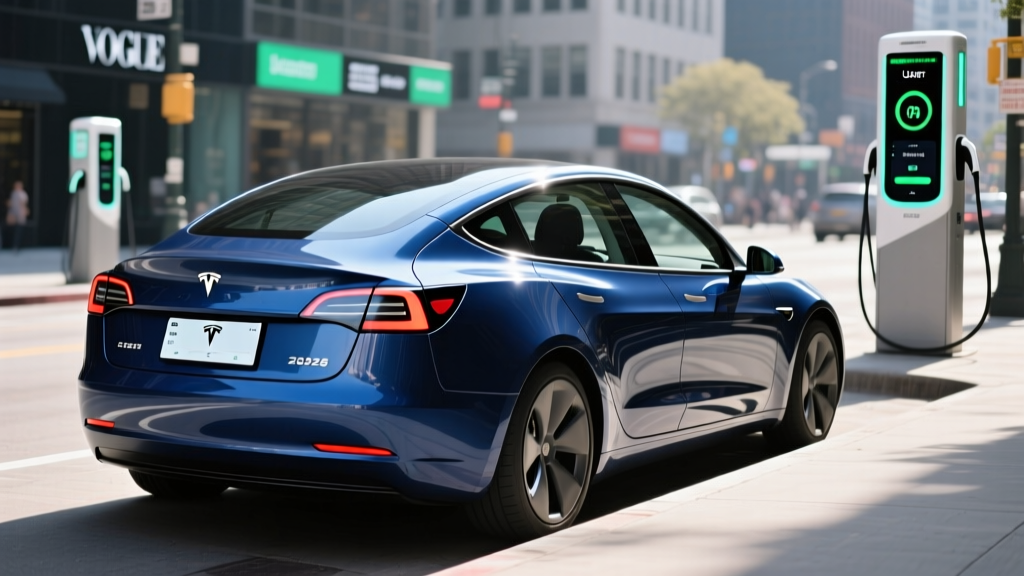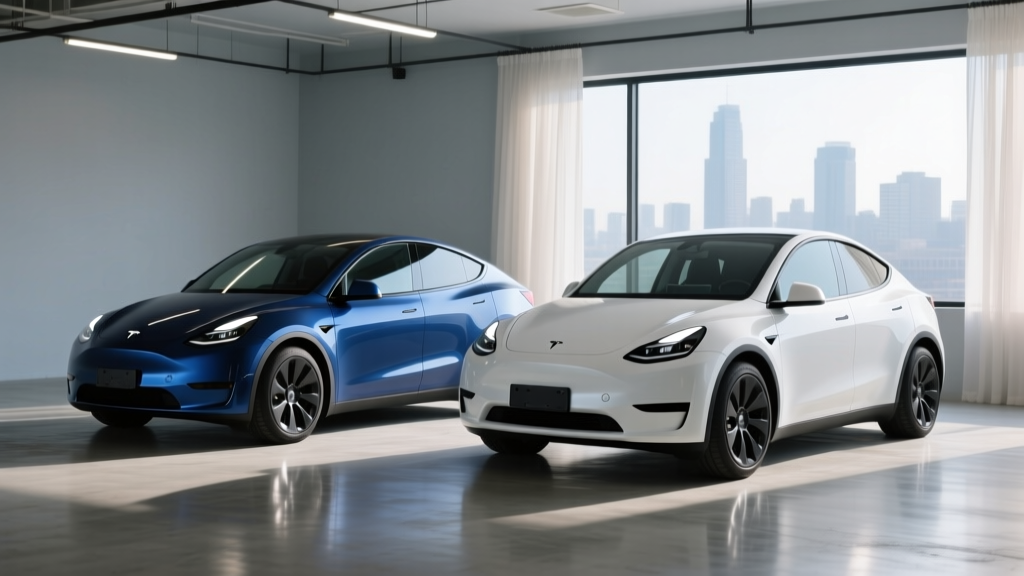
Tesla rarely runs traditional dealer-style promotions, but December has become the company's most aggressive month for incentives. Between federal tax credits, state rebates, and Tesla's own year-end pricing adjustments, buyers navigating Tesla December deals in 2026 face a complex but potentially rewarding landscape. This profile examines what the current lineup actually costs, what you get for the money, and the real-world ownership numbers that matter more than any headline discount.
2026 Tesla Lineup: Pricing Before and After Incentives
Tesla's current US lineup centers on the refreshed Model 3 and the Juniper-updated Model Y, both of which qualify for varying levels of federal incentive depending on trim, battery sourcing, and buyer income. Here's how the numbers stack up before you factor in any state-level rebates.
| Model / Trim | Base MSRP | Federal §30D Credit | Effective Price | Est. As-Tested* |
|---|---|---|---|---|
| Model 3 RWD | $38,990 | Up to $7,500 | ~$31,490 | $34,490 |
| Model 3 Long Range AWD | $42,490 | Up to $7,500 | ~$34,990 | $38,990 |
| Model 3 Performance | $52,990 | Up to $7,500 | ~$45,490 | $52,990 |
| Model Y Long Range AWD | $44,990 | Up to $7,500 | ~$37,490 | $42,490 |
| Model Y Performance | $51,490 | Up to $7,500 | ~$43,990 | $49,990 |
*As-tested includes typical additions like Full Self-Driving (Supervised) at $8,000 or premium paint. Destination fee of $1,390 applies to all trims.
IRS §30D Federal Tax Credit Requirements (2026)
- Income caps: AGI ≤ $150,000 single / $225,000 head of household / $300,000 joint filers
- MSRP caps: ≤ $55,000 for sedans (Model 3); ≤ $80,000 for SUVs/vans (Model Y)
- Battery sourcing: Critical minerals and battery components must meet escalating North American/free-trade-partner thresholds per IRS §30D guidelines
- Point-of-sale transfer: Eligible buyers can apply the credit at purchase, reducing out-of-pocket cost immediately
- Assembly: Vehicle must undergo final assembly in North America (all US-market Teslas qualify)
Note: Battery sourcing requirements tighten annually. Consult a tax professional and verify current-year eligibility at irs.gov before committing to a purchase.
Range, Battery, and Real-World Efficiency
Tesla publishes competitive EPA range figures, but the chemistry under the floor and the conditions you drive in matter as much as the sticker number. The base Model 3 RWD uses a lithium iron phosphate (LFP) battery, while Long Range and Performance variants use nickel-manganese-cobalt (NMC) packs. This distinction affects not just range, but charging habits and long-term degradation behavior.
| Spec | Model 3 RWD | Model 3 LR AWD | Model Y LR AWD | Model Y Perf. |
|---|---|---|---|---|
| EPA Range | 272 mi | 363 mi | 320 mi | 285 mi |
| Battery (usable) | ~57.5 kWh (LFP) | ~78 kWh (NMC) | ~78 kWh (NMC) | ~78 kWh (NMC) |
| Efficiency | 132 MPGe / 25 kWh/100mi | 134 MPGe / 25 kWh/100mi | 122 MPGe / 28 kWh/100mi | 117 MPGe / 29 kWh/100mi |
| Drivetrain | RWD, single motor | AWD, dual motor | AWD, dual motor | AWD, dual motor |
| 0–60 mph | 5.8 sec | 4.2 sec | 4.8 sec | 3.5 sec |
| Horsepower | 271 hp | 346 hp | 384 hp | 456 hp |
Real-World Range Reality Check
EPA sticker: 363 miles (Model 3 Long Range AWD)
Expect in practice: ~280–310 miles on sustained highway driving at 70–75 mph. In winter conditions (below 32°F), anticipate a 20–30% reduction, dropping effective range to ~220–260 miles without preconditioning. City driving with regenerative braking recovers closer to the EPA figure. Per fueleconomy.gov, the Model 3 LR achieves its best efficiency in mixed urban use.
LFP note: The base RWD model's 272-mile EPA figure holds up well in daily use because LFP chemistry tolerates regular 100% charging — unlike NMC packs, which Tesla recommends charging to 80% daily for longevity, effectively reducing usable daily range to ~290 miles on the LR.
Charging Speed: DC Fast Charge and Home Level 2
Charging infrastructure remains one of Tesla's strongest competitive advantages. Access to the Supercharger network — now expanding to non-Tesla EVs but still optimized for Tesla vehicles — means reliable, fast DC charging across all 50 states. But the raw kW number doesn't tell the full story; the charge curve matters.
| Charging Level | Model 3 RWD (LFP) | Model 3 / Y Long Range (NMC) | Model 3 / Y Performance (NMC) |
|---|---|---|---|
| Level 1 (120V, 12A) | ~3 mi/hr (1.4 kW) | ~3 mi/hr (1.4 kW) | ~3 mi/hr (1.4 kW) |
| Level 2 (240V, 48A) | ~30 mi/hr (11.5 kW) | ~44 mi/hr (11.5 kW) | ~44 mi/hr (11.5 kW) |
| DC Fast Charge (peak) | 170 kW | 250 kW | 250 kW |
| 10–80% DCFC time | ~28 min | ~25 min | ~25 min |
Charge curve reality: The 250 kW peak on Long Range and Performance models is sustained only between roughly 10–30% state of charge. Above 50%, the rate tapers progressively — by 80% you're pulling ~60–80 kW. This means a 10–90% session takes closer to 38–42 minutes, not the 25-minute 10–80% figure. Always precondition the battery (the car does this automatically when you navigate to a Supercharger) to hit peak rates; arriving at a charger with a cold battery can cut peak power by 40–50%.
Home charging economics: At the national average electricity rate of ~$0.16/kWh, fully charging a Model 3 Long Range's 78 kWh battery costs roughly $12.50 — equivalent to about 3.5 cents per mile. Compare that to a 30 MPG gas car at $3.40/gallon: ~11.3 cents per mile. Home charging is where EVs deliver their strongest cost advantage.
Interior, Cargo, and Daily Practicality
The refreshed Model 3 and Juniper Model Y both received meaningful interior updates over their predecessors — improved materials, ventilated front seats, ambient lighting, and a rear touchscreen for passengers in the Model 3. But the fundamental architecture differences between sedan and crossover remain the deciding factor for most buyers.
| Dimension | Model 3 | Model Y |
|---|---|---|
| Front legroom | 42.7 in | 41.8 in |
| Rear legroom | 35.2 in | 41.6 in |
| Cargo (rear seats up) | 23 cu ft | 34 cu ft |
| Cargo (rear seats folded) | ~50 cu ft | 72 cu ft |
| Frunk | 3.1 cu ft | 4.1 cu ft |
| Towing capacity | Not rated | 3,500 lbs |
The Model Y's 72 cu ft of maximum cargo space and available 3,500-lb tow rating make it a credible family hauler and light-duty tow vehicle. The Model 3's trunk, while generous for a sedan, can't match the utility of a hatchback-format crossover. Rear-seat passengers will notice the Model Y's significantly greater legroom — a 6.4-inch advantage that matters on long trips.
Technology, Driver Assistance, and Warranty
Every Tesla ships with a 15.4-inch center touchscreen running Tesla's proprietary infotainment OS — no Apple CarPlay or Android Auto, but native navigation, streaming, and over-the-air updates are robust. The driver-assistance suite is where Tesla generates both its strongest appeal and most confusion.
SAE Automation Level: Level 2
Autopilot (standard): Adaptive cruise control + lane centering. Driver must keep hands on wheel and eyes on road at all times.
Full Self-Driving (Supervised) ($8,000 add-on or $99/month): Adds automatic lane changes, traffic light/stop sign recognition, and navigate-on-autopilot. Despite the name, this is SAE Level 2 — not self-driving. The driver remains fully responsible for vehicle operation. Only Level 4 services like Waymo operate without a human driver in defined areas.
⚠️ Driver-Assistance Limitations
FSD (Supervised) does not eliminate the need for active driver attention. NHTSA's Standing General Order requires Tesla to report all crashes involving Level 2 systems. FSD performance varies significantly by road type — it excels on well-marked divided highways but can struggle with construction zones, faded lane markings, complex intersections, and adverse weather. Never treat it as a substitute for engaged driving.
| Warranty Coverage | Model 3 | Model Y |
|---|---|---|
| Basic vehicle | 4 yr / 50,000 mi | 4 yr / 50,000 mi |
| Battery & drive unit | 8 yr / 100,000 mi (RWD) 8 yr / 120,000 mi (LR/Perf) |
8 yr / 120,000 mi |
| Battery capacity retention | ≥70% during warranty period | ≥70% during warranty period |
Tesla December Deals vs. Key Competitors
The mid-size electric SUV and sedan segments are more competitive than ever. Here's how the Tesla lineup stacks up against the rivals most likely to appear on a December shopping list.
| Attribute | Tesla Model Y LR AWD | Hyundai Ioniq 5 Limited AWD | Ford Mustang Mach-E Premium AWD |
|---|---|---|---|
| MSRP | $44,990 | $54,200 | $48,995 |
| EPA Range | 320 mi | 290 mi | 290 mi |
| DC Fast Charge (peak) | 250 kW | 240 kW (800V) | 150 kW |
| 10–80% time | ~25 min | ~18 min | ~38 min |
| Charging network | Supercharger (native) | NACS adapter → Supercharger | NACS adapter → Supercharger |
| Cargo (max) | 72 cu ft | 59 cu ft | 59 cu ft |
| Apple CarPlay | No | Yes (wireless) | Yes (wireless) |
The Ioniq 5's 800V architecture delivers faster 10–80% charging times, and its CarPlay support is a deal-maker for many. But Tesla's Supercharger network remains the most reliable and geographically complete DC fast-charging ecosystem in the US — a meaningful advantage for road-trip-heavy owners. The Mach-E has improved but still trails on charging speed. The Model Y's cargo space advantage is substantial: 13 cu ft more than both competitors.
✅ Pros
- Best-in-class Supercharger network access — no adapter needed
- Class-leading efficiency (kWh/100mi) translates to lower fueling cost
- Strong range across the lineup; Model 3 LR hits 363 mi EPA
- Over-the-air updates continuously add features
- LFP battery on base Model 3 allows daily 100% charging with minimal degradation concern
- Competitive pricing, especially after §30D credit
❌ Cons
- No Apple CarPlay or Android Auto — a deal-breaker for some
- FSD (Supervised) is expensive ($8,000) and still requires full driver attention
- Minimalist interior isn't for everyone; limited physical controls
- Service center availability varies widely by region
- Model Y rear-seat ride quality is firm over broken pavement
- Insurance premiums tend to run 15–25% higher than comparable non-Tesla EVs
Who Should Buy a Tesla in December 2026?
Buy the Model 3 RWD if:
You're a commuter with home charging access, drive under 60 miles round-trip daily, want the lowest effective price after the $7,500 credit (~$31,490), and prefer LFP chemistry that tolerates daily 100% charging. The 272-mile EPA range is more than adequate for this use case.
Buy the Model 3 Long Range AWD if:
You take regular road trips, live in a cold-weather state where range drops 20–30%, or need dual-motor AWD. The 363-mile EPA range provides a comfortable buffer, and 250 kW DC fast charging keeps stops short.
Buy the Model Y Long Range AWD if:
You need family-scale cargo room (72 cu ft), occasional towing (3,500 lbs), and a higher seating position. It's the best-selling Tesla for a reason — it covers the widest range of use cases with minimal compromise.
Consider a competitor if:
Apple CarPlay is non-negotiable, you want the absolute fastest DC charging (Ioniq 5's 18-min 10–80%), or you prefer traditional dealer service networks over Tesla's mobile-ranger-and-service-center model.
Frequently Asked Questions
What is the real-world range of a Tesla Model 3 or Model Y?
The Model 3 Long Range AWD's 363-mile EPA estimate translates to approximately 280–310 miles on sustained highway driving at 70–75 mph, and 220–260 miles in sub-freezing winter conditions. City driving with regenerative braking yields results closer to the EPA figure. The Model Y Long Range's 320-mile EPA figure drops to roughly 250–280 highway miles in temperate conditions.
How fast do Teslas charge at home and on the road?
At home on a 240V/48A Level 2 charger (like the Tesla Wall Connector), expect ~30–44 miles of range added per hour depending on the model — a full overnight charge is easily achievable. On DC fast chargers, Long Range and Performance models peak at 250 kW and charge from 10–80% in approximately 25 minutes, though the charge curve tapers significantly above 50% SoC.
How much does a Tesla actually cost after the federal tax credit?
If you meet all IRS §30D requirements (income caps, battery sourcing, MSRP limits), the $7,500 federal credit brings the Model 3 RWD to approximately $31,490 and the Model Y Long Range to ~$37,490. The credit can be transferred at point of sale, reducing your upfront cost immediately. Verify your eligibility at irs.gov and consult a tax professional.
Does every Tesla qualify for the $7,500 federal EV tax credit?
Not automatically. Eligibility depends on your adjusted gross income (≤$150K single / ≤$300K joint), the vehicle's MSRP (≤$55K sedans / ≤$80K SUVs — all current Teslas clear this), and battery component/critical mineral sourcing thresholds that tighten each year. All US-market Teslas are assembled in North America, satisfying that requirement. Confirm current-year sourcing compliance on the IRS website before purchase.
Is Tesla's FSD (Supervised) worth $8,000?
For most buyers, no — not at the current price. FSD (Supervised) is an SAE Level 2 system that requires constant driver attention. It performs well on divided highways but is not autonomous driving. The standard Autopilot (included) covers adaptive cruise and lane centering adequately for most commutes. If you want to try FSD, the $99/month subscription is a lower-risk way to evaluate it before committing.
Are there specific Tesla December deals beyond the federal tax credit?
Tesla occasionally offers year-end incentives like discounted Supercharging credits, referral bonuses, or reduced FSD subscription pricing — but these are announced sporadically and vary by year. The most reliable "December deal" is the combination of the §30D federal credit (up to $7,500), any applicable state rebates, and Tesla's tendency to adjust pricing downward in Q4 to meet delivery targets. Check Tesla's website and your state's energy office for current offers.
What are the biggest drawbacks of owning a Tesla?
The most commonly cited issues are higher-than-average insurance premiums (15–25% above comparable EVs in most states), limited physical controls in the minimalist interior, no Apple CarPlay/Android Auto, and variable service center availability depending on your region. Battery degradation has proven modest in real-world data — most owners report 5–8% loss over the first 100,000 miles, well within the 70% retention warranty threshold.
Sources: fueleconomy.gov (EPA range and efficiency data), IRS §30D Clean Vehicle Credit, Tesla charging specifications. Pricing and incentive rules reflect 2026 model year and are subject to change. Always verify current figures with the manufacturer and IRS before purchasing.