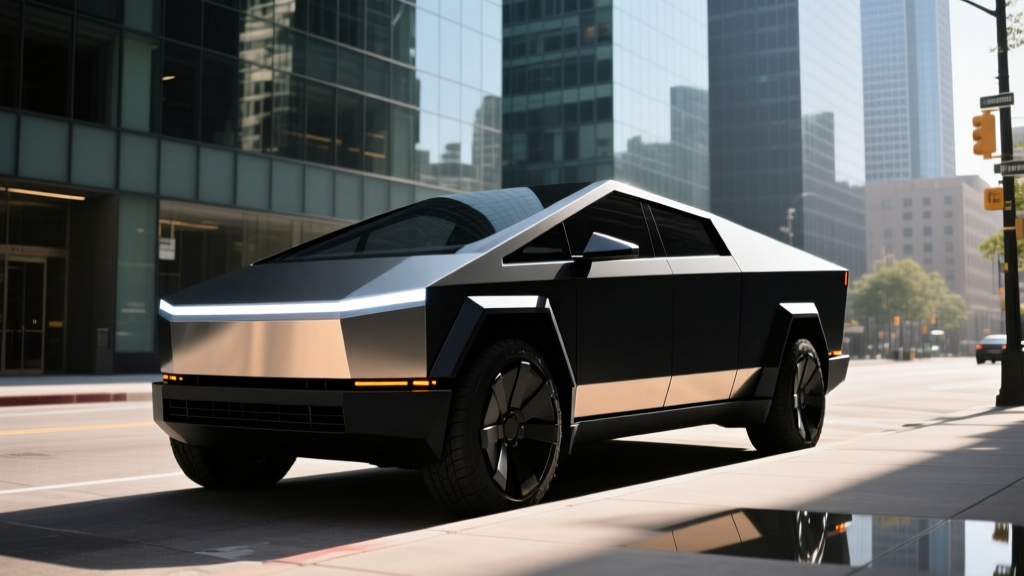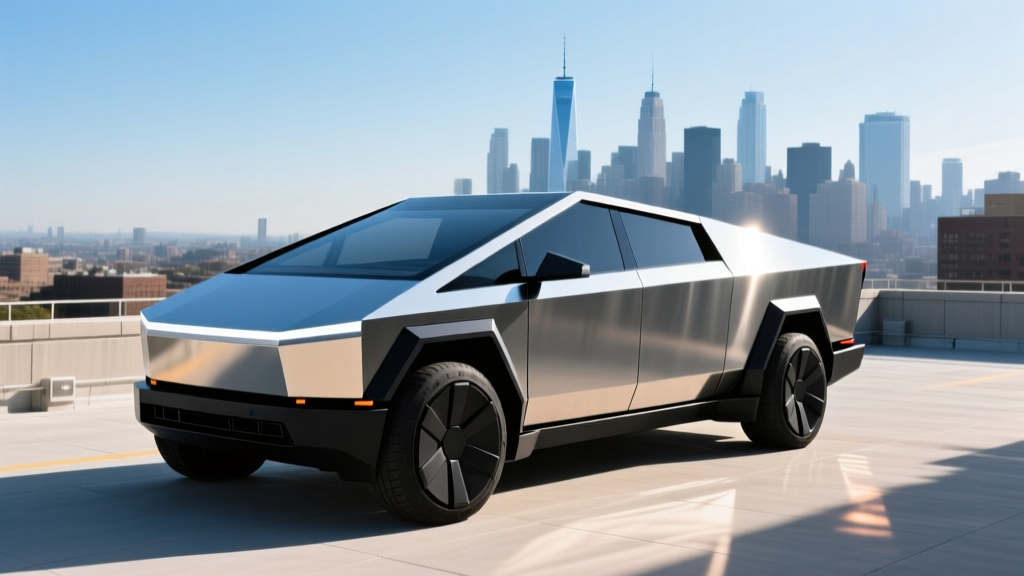
If you're researching a Tesla Cybertruck purchase, the question of incentives is likely near the top of your list. The Cybertruck's polarizing design and stainless-steel exoskeleton dominate headlines, but for buyers, the financial math matters more. In 2026, the federal EV tax credit landscape under IRS §30D has tightened, and the Cybertruck's pricing puts it in a complicated position relative to the credit's MSRP and buyer-income caps. This review breaks down every Cybertruck incentive pathway, pairs them with hard performance and charging data, and tells you exactly what you'll pay — and save — if you buy one today.
Quick Verdict: Cybertruck Incentives at a Glance
The Tesla Cybertruck qualifies for the $7,500 federal EV tax credit under §30D on the Dual Motor All-Wheel Drive trim only, because it is the sole variant with an MSRP at or below the $80,000 truck cap. The Cyberbeast ($99,990) and any heavily optioned Dual Motor that crosses the cap lose eligibility. Additionally, your modified adjusted gross income (MAGI) must not exceed $150,000 (single), $225,000 (head of household), or $300,000 (joint). The credit can now be transferred to the dealer at the point of sale, reducing your purchase price on day one rather than waiting for tax season. Battery component and critical-mineral sourcing requirements also apply — Tesla has generally met these for US-built vehicles, but always verify at the IRS's official qualified vehicle list before signing.
Cybertruck Specs: Range, Battery, and Efficiency
| Spec | Dual Motor AWD | Cyberbeast (Tri-Motor) |
|---|---|---|
| EPA Range (with Range Extender) | 340 miles | 320 miles |
| EPA Range (base pack) | 318 miles | ~300 miles (est.) |
| Battery Capacity (usable) | ~123 kWh (est.) | ~123 kWh (est.) |
| Battery Chemistry | NMC (Nickel Manganese Cobalt) | NMC |
| Efficiency (MPGe combined) | ~60 MPGe | ~56 MPGe |
| kWh per 100 miles | ~56 kWh | ~60 kWh |
| 0-60 mph | 3.9 seconds | 2.6 seconds |
| Horsepower | 600 hp | 845 hp |
| Drivetrain | Dual Motor AWD | Tri-Motor AWD |
| Towing Capacity | 11,000 lbs | 11,000 lbs |
Charging Speed: DC Fast Charge and Home Level 2
Charging speed is one of the Cybertruck's strongest practical assets — especially if you're near Tesla Superchargers.
| Charging Level | Max Power | Speed / Time |
|---|---|---|
| DC Fast Charge (Supercharger V4) | Peak ~250 kW | 10–80% in ~30 minutes; adds ~130 miles in 15 min |
| DC Fast Charge (NACS at 3rd-party networks) | Up to ~200 kW (varies) | 10–80% in ~35–40 minutes |
| Level 2 Home (Tesla Wall Connector, 48A / 11.5 kW) | 11.5 kW | ~30 miles of range per hour; full charge in ~11 hours |
| Level 2 Home (standard 240V / 32A outlet) | 7.7 kW | ~20 miles of range per hour; full charge in ~16 hours |
| Level 1 (120V standard outlet) | ~1.4 kW | ~3–4 miles per hour (emergency use only) |
The Cybertruck uses Tesla's NACS (North American Charging Standard) connector natively. This is a significant advantage in 2026, as NACS has become the dominant standard across most new EVs, and Supercharger access remains the most reliable DC fast-charging network in the US. The 800V-capable architecture allows sustained high charge rates, though the charge curve tapers noticeably above 80% State of Charge (SoC) — a typical lithium-ion behavior to protect battery health. Preconditioning the battery (which the Cybertruck does automatically when you navigate to a Supercharger) is essential for achieving peak charge speeds in cold weather.
Cybertruck Pricing, Trims, and Federal Tax Credit Eligibility
| Trim | Base MSRP | §30D Credit Eligible? | Effective Price (with credit) |
|---|---|---|---|
| Dual Motor AWD | $79,990 | Yes (at or under $80K cap) | ~$72,490 |
| Cyberbeast (Tri-Motor) | $99,990 | No (exceeds $80K truck cap) | $99,990 |
Key §30D rules to understand:
- MSRP Cap: For trucks, vans, and SUVs, the manufacturer's suggested retail price cannot exceed $80,000. The Dual Motor AWD at $79,990 just clears this threshold — but any added options or destination charges that push the sticker above $80,000 will disqualify it.
- Buyer Income Cap: Your MAGI must be ≤ $150,000 (single filer), $225,000 (head of household), or $300,000 (married filing jointly). This is based on the tax year you take delivery or the prior year — whichever is lower.
- Battery Sourcing Requirements: A percentage of critical minerals and battery components must be sourced from the US or free-trade-agreement countries. Tesla's US-assembled Cybertruck has generally met these thresholds, but the IRS updates the qualified list periodically. Always check the IRS qualified vehicles page before purchasing.
- Point-of-Sale Transfer: You can transfer the $7,500 credit to the dealer at purchase, reducing your out-of-pocket cost immediately rather than claiming it on your tax return.
For state-level incentives, amounts vary significantly by jurisdiction. Some states offer additional rebates (California's CVRP, Colorado's innovative motor vehicle credit, etc.), but these change frequently. Check your state energy office or DMV for current programs.
Interior, Cargo, and Daily Practicality
The Cybertruck's cabin seats five across two rows, though the rear bench is best suited for two adults on longer trips. Front legroom is generous at approximately 41.5 inches; rear legroom comes in around 38.5 inches — competitive with full-size trucks but not class-leading.
Cargo dimensions:
- Bed length: 6 feet (with tailgate closed); ~7.5 feet with tailgate down
- Bed width: ~47 inches between wheel wells
- Bed volume: ~67 cu ft (without Range Extender occupying forward section)
- Frunk (front trunk): ~7 cu ft — enough for a charging cable bag or small groceries
- Under-bed lockable storage: Tesla calls it the "gear tunnel" — a pass-through compartment beneath the bed floor
The motorized tonneau cover is a standout feature — it's lockable, weather-sealed, and can support distributed weight (Tesla rates it for 300 lbs). However, the Range Extender battery, when equipped, occupies the forward portion of the bed, reducing usable cargo length. If you plan to carry long items like lumber or kayaks, the base pack is the more practical choice.
Technology, Driver Assistance, and Drawbacks
The Cybertruck runs Tesla's latest infotainment system on an 18.5-inch center touchscreen with a secondary 9.4-inch rear display. The UI is responsive, and over-the-air updates continue to add features. Notable tech includes:
- Steer-by-wire: The Cybertruck uses a fully electronic steering system with no mechanical connection between the yoke and the wheels. This enables the variable-ratio steering rack (fewer turns lock-to-lock at low speeds) but takes acclimation.
- 48V electrical architecture: A first for a production vehicle, reducing wiring harness weight and enabling more efficient accessories.
- Autopilot (standard): Includes adaptive cruise control, lane-keeping, and automatic emergency braking. This is a SAE Level 2 driver-assist system — you must keep your hands on the yoke and remain fully engaged at all times.
- Full Self-Driving (Supervised): Available as a $8,000 add-on or subscription. Despite the name, this remains SAE Level 2 and requires active driver supervision. It handles highway lane changes, city street navigation, and parking, but does not make the vehicle autonomous.
- Bioweapon Defense Mode: HEPA filtration system for cabin air quality.
- Vehicle-to-Load (V2L): 120V and 240V outlets in the bed and cabin can power tools, appliances, or even provide backup home power during outages (with appropriate transfer equipment).
Notable drawbacks:
- Stainless steel fingerprints and smudging: The bare stainless panels show every touch. Tesla includes a microfiber cloth, but expect daily maintenance if you care about appearance.
- Visibility: The angular A-pillars and small rear window create substantial blind spots. The rear camera helps, but parking in tight spaces requires patience.
- Ride quality: The adaptive air suspension is competent, but the Cybertruck's weight (~6,800 lbs for the Dual Motor) and stiff structure transmit more road imperfections than a Rivian R1T or Ford F-150 Lightning.
- No rear windshield wiper: The rear camera is your primary rearward view in rain, which some buyers find unsettling.
- Insurance costs: Due to the stainless-steel body and specialized repair requirements, Cybertruck insurance premiums run 30–50% higher than comparable trucks. Get quotes before committing.
Cybertruck vs. Key Competitors: Is It Worth It?
The electric truck segment in 2026 gives buyers legitimate alternatives. Here's how the Cybertruck stacks up:
| Attribute | Tesla Cybertruck (Dual Motor) | Ford F-150 Lightning (Lariat) | Rivian R1T (Dual Motor) |
|---|---|---|---|
| Base MSRP | $79,990 | ~$69,995 | ~$75,900 |
| EPA Range | 318–340 mi | ~240–320 mi (battery dependent) | ~270–352 mi |
| Max DC Charge Rate | ~250 kW | ~150 kW | ~220 kW |
| 10–80% DC Time | ~30 min | ~41 min | ~30 min |
| Towing Capacity | 11,000 lbs | 10,000 lbs | 11,000 lbs |
| §30D Credit Eligible | Yes (Dual Motor only) | Yes (most trims) | Yes (most trims) |
| Charging Network | Supercharger (NACS native) | NACS adapter / Supercharger | NACS adapter / Supercharger |
| Bed Length | 6 ft | 5.5 ft (Std) / 6.5 ft | 4.5 ft (w/ tunnel) |
Choose the F-150 Lightning if: You want a more traditional truck experience, need a larger bed, prefer a lower entry price, and value the familiarity of a Ford dealer network for service. It's the practical work-truck pick.
Choose the Rivian R1T if: You want the most refined interior, the best off-road capability, and the clever gear-tunnel storage. It's the adventure-lifestyle pick, though at a premium price.
Warranty, Battery Longevity, and Ownership Costs
Tesla provides the following warranty coverage for the Cybertruck:
- Basic Vehicle Limited Warranty: 4 years / 50,000 miles
- Battery and Drive Unit Warranty: 8 years / 120,000 miles (whichever comes first), with a minimum 70% battery capacity retention threshold during the warranty period
The battery pack uses NMC (nickel manganese cobalt) chemistry, which offers higher energy density than LFP but is more sensitive to sustained high or low states of charge. Tesla recommends daily charging to 80–90% for NMC packs and only charging to 100% when you need the full range for a trip. Following this guidance helps minimize degradation — Tesla's historical fleet data shows roughly 10–12% capacity loss over 150,000 miles for NMC packs, though the Cybertruck's thermal management system is among the most advanced Tesla has deployed.
Battery replacement cost (out of warranty) is estimated at $15,000–$25,000 depending on labor and whether the structural pack can be serviced in sections. This is a worst-case scenario — most packs outlast the vehicle.
On the cost-to-charge front, the Cybertruck consumes roughly 56 kWh per 100 miles (Dual Motor). At the US average residential electricity rate of ~$0.17/kWh, that's approximately $9.52 per 100 miles of home charging — roughly equivalent to a gas truck getting 30+ MPG at $2.85/gallon. DC fast charging on the road costs significantly more (typically $0.30–$0.50/kWh at Electrify America or Superchargers), pushing road-trip fuel costs closer to or above a gas equivalent.
Who Is the Cybertruck Best Suited For?
The Cybertruck fits a specific buyer profile well:
- Tech-enthusiast commuters who want a daily-driver truck with Supercharger convenience and don't tow frequently.
- Home-charging owners with Level 2 access who can take advantage of cheap overnight electricity and rarely need DC fast charging.
- Performance-oriented truck buyers who value 3.9-second 0–60 times and 600 hp in a utility vehicle.
- V2L users who want to power tools at job sites, tailgate events, or provide home backup electricity.
It's less ideal for buyers who need a full-size work bed, frequently tow heavy trailers over long distances (range drops dramatically), or want a traditional truck driving feel. The steer-by-wire system and yoke steering are love-it-or-hate-it features that demand a thorough test drive before purchase.
Pros
- Class-leading DC fast charging (~250 kW peak)
- Native NACS / Supercharger network access
- Extraordinary acceleration (3.9s Dual Motor, 2.6s Cyberbeast)
- 11,000-lb towing capacity
- Innovative V2L capability (120V and 240V outlets)
- Motorized lockable tonneau cover included
- 48V architecture reduces weight and improves efficiency
- §30D credit eligible on Dual Motor trim
Cons
- Real-world highway range well below EPA estimate
- Range Extender occupies bed space
- Stainless steel requires constant cleaning
- Steep insurance premiums (30–50% above competitors)
- Steer-by-wire and yoke take significant acclimation
- No rear windshield wiper
- Cyberbeast trim ineligible for federal tax credit
- Limited rear-seat comfort for long trips
Frequently Asked Questions
Does the Tesla Cybertruck qualify for the $7,500 federal EV tax credit?
Yes, but only the Dual Motor AWD trim at $79,990 MSRP qualifies, as it falls at or below the $80,000 truck cap under §30D. The Cyberbeast at $99,990 does not qualify. You must also meet income requirements (≤$150K single / $300K joint) and the vehicle must meet battery-sourcing rules. Always verify on the IRS qualified vehicle list before purchasing.
What is the real-world range of the Cybertruck?
The EPA rates the Dual Motor at 318 miles (base pack) or 340 miles (with Range Extender). Real-world highway driving at 70–75 mph yields approximately 260–290 miles. Cold weather (below 30°F) can reduce that to 200–230 miles. Towing a trailer cuts range roughly in half.
How fast does the Cybertruck charge?
On a Tesla Supercharger V4, the Cybertruck peaks at approximately 250 kW and charges from 10–80% in about 30 minutes. At home on a Level 2 Tesla Wall Connector (11.5 kW), expect roughly 30 miles of range per hour, or a full charge in about 11 hours.
How much does the Cybertruck cost after tax credits?
The Dual Motor AWD starts at $79,990. With the full $7,500 §30D credit applied at point of sale, the effective price is approximately $72,490 before destination charges, taxes, or optional equipment. The Cyberbeast at $99,990 receives no federal credit.
Is the Cybertruck worth buying over the F-150 Lightning or Rivian R1T?
It depends on your priorities. The Cybertruck wins on charging speed and acceleration. The F-150 Lightning wins on price, bed size, and dealer service access. The Rivian R1T wins on interior quality and off-road capability. Test-drive all three before deciding.
What is the Cybertruck's battery warranty?
Tesla covers the battery and drive unit for 8 years or 120,000 miles, whichever comes first, guaranteeing at least 70% capacity retention during that period.
Can I use the Cybertruck to power my home during an outage?
The Cybertruck's V2L (Vehicle-to-Load) capability provides 120V and 240V outlets in the bed. With appropriate transfer switch equipment installed by a licensed electrician, it can provide backup power to essential home circuits. It is not a full V2H (Vehicle-to-Home) system like some competitors offer natively, but it can sustain critical loads during short outages.