Tesla's Subscription Question: Rent Flexibility or Own the Asset?
If you've searched for a Tesla car subscription in 2026, you've likely hit a wall: Tesla still does not offer a first-party, all-inclusive vehicle subscription program the way Volvo (Care by Volvo) or Cadillac once did. What Tesla does offer is a direct leasing program, while third-party services like Autonomy, SIXT+, and dealer-backed subscription platforms fill the gap for drivers who want a Tesla without a multi-year commitment.
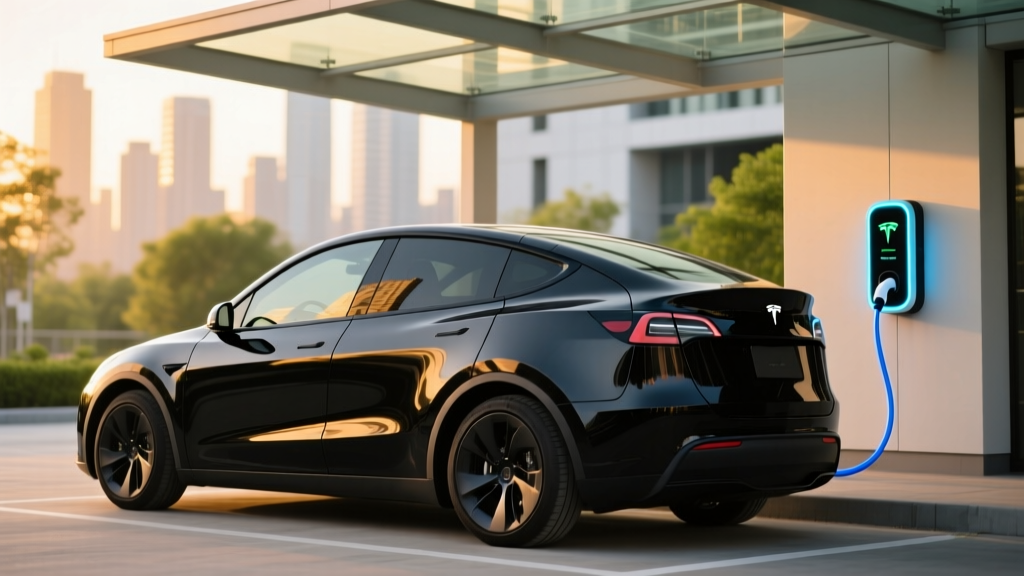
This guide breaks down the real math behind subscribing to a Tesla versus buying one outright — using the 2026 Tesla Model Y Long Range AWD as our benchmark vehicle. We'll cover the EV's specs, real-world range, charging speeds, tax-credit implications, and a hard-nosed cost comparison so you can decide which path makes financial sense.
2026 Tesla Model Y Long Range: The Spec Sheet
Before we weigh subscription versus purchase, here are the exact figures for the vehicle at the center of this decision. The 2026 Model Y Long Range AWD received a refresh (internally dubbed "Juniper") with updated styling, a ventilated-seat option, and an ambient-lighting interior overhaul.
| Attribute | Value |
|---|---|
| EPA Estimated Range | 320 miles |
| Battery Capacity (usable) | ~78 kWh, NMC chemistry |
| Drivetrain | Dual-Motor AWD |
| Horsepower | 384 hp (combined) |
| 0–60 mph | 4.8 seconds |
| Max DC Fast-Charge Rate | 250 kW (peak) |
| 10–80% DC Fast Charge | ~27 minutes |
| Level 2 Home Charge Rate | 11.5 kW (~44 mi/hr) |
| EPA Efficiency | 122 MPGe / 28 kWh/100 mi |
| Cargo Volume (rear seats up / folded) | 30.2 / 72.1 cu ft |
| Rear Legroom | 40.5 inches |
| Base MSRP | $46,630 (incl. destination) |
| Battery & Drive Unit Warranty | 8 years / 120,000 miles |
| Limited Vehicle Warranty | 4 years / 50,000 miles |
Sources: EPA fueleconomy.gov, Tesla Model Y specifications.
Real-World Range: What the EPA Sticker Doesn't Tell You
Real-World Expectation: 260–290 miles on highway road trips (75 mph, moderate climate); 220–250 miles in sub-30°F winter conditions with cabin heat.
The Model Y Long Range's 320-mile EPA figure is achievable in mixed suburban driving with mild regenerative braking and temperate weather. On a 700-mile road trip from Denver to Las Vegas, expect to arrive at each Supercharger stop with roughly 260–275 miles of range used per full charge segment. Cold weather is the great equalizer for NMC batteries: at 20°F, lithium-ion internal resistance rises, cabin heating draws 3–5 kW continuously, and range drops 20–30%. Preconditioning the battery while navigating to a Supercharger reclaims some of this loss by warming the cells to optimal charge-acceptance temperature.
For a subscription customer who may swap vehicles seasonally, winter range loss is worth factoring into whether you keep a Model Y through January or switch to a larger-battery vehicle like the Model S.
Charging Speed: Supercharger Network vs. Home Level 2
| Charging Level | Max Power | Miles Added per Hour | Notes |
|---|---|---|---|
| Level 1 (120V household) | ~1.4 kW | ~4 mi/hr | Emergency/trickle only |
| Level 2 (240V, 48A) | 11.5 kW | ~44 mi/hr | Full charge overnight (~7–8 hrs) |
| DC Fast (V3 Supercharger) | 250 kW peak | ~1,000 mi/hr (peak) | 10–80% in ~27 min; tapers sharply above 80% |
| DC Fast (V4 Supercharger) | 250 kW (current) | Similar to V3 | Wider stalls, cable management improved |
The Model Y's charge curve peaks near 250 kW up to approximately 50% state of charge, then progressively tapers. By 80% SoC, you're pulling roughly 60–80 kW. This means a 10–80% session takes about 27 minutes, but pushing from 80–100% adds another 25+ minutes. Road-trip strategy: charge to 80% and move on unless you need the full buffer for a remote destination.
For subscribers using third-party services, confirm whether the subscription includes a home charger installation or if you'll rely entirely on public infrastructure. Most subscription agreements do not cover Level 2 installation, which runs $800–$2,500 depending on panel capacity and conduit distance.
Subscription vs. Purchase: The True Cost Breakdown
Here's where the Tesla car subscription question gets concrete. Third-party subscription services (Autonomy, SIXT+, and select dealer programs) typically price a Model Y between $1,100 and $1,600 per month, depending on mileage allowance, term length, and whether insurance is bundled. Tesla's own lease program, by contrast, runs roughly $550–$700/month for 36 months with $4,500 due at signing — but locks you in for the full term with no early swap flexibility.
| Path | Monthly Payment | Upfront Cost | Term | Tax Credit | Flexibility |
|---|---|---|---|---|---|
| Purchase (cash) | $0 | $46,630 | N/A | Up to $7,500 (§30D) | Full ownership |
| Purchase (finance, 6.5%, 72 mo) | ~$700 | $0–$5,000 down | 72 months | Up to $7,500 (§30D, POS transfer) | Sell anytime |
| Tesla Direct Lease | ~$599–$699 | ~$4,500 | 36 months | Lease credit to Tesla (lessee may not claim §30D) | No early exit, no buyout |
| Third-Party Subscription | $1,100–$1,600 | $0–$500 activation | Month-to-month | Not applicable to subscriber | Cancel or swap anytime |
Note on tax credits: The IRS §30D clean vehicle credit has MSRP caps ($80,000 for SUVs), buyer income limits ($150K single / $300K joint), and critical-mineral/battery-component sourcing requirements that change annually. Tesla's Model Y currently qualifies for the full $7,500 when purchased, but leased vehicles pass the commercial credit (§45W) to the lessor — meaning subscribers and lessees may not directly benefit. Always verify current-year eligibility with a tax professional.
The 24-Month Break-Even Point
At $1,300/month (a mid-range subscription figure), you'll spend $31,200 over 24 months — with zero equity at the end. A financed purchase at ~$700/month over the same period costs $16,800 in payments, and you retain roughly $30,000–$33,000 in vehicle equity (accounting for typical 2-year EV depreciation of 25–35%). The subscription premium buys you flexibility, included maintenance, and zero resale risk — but it costs roughly $14,000–$18,000 more over two years.
Who Should Subscribe vs. Who Should Buy?
- You need a vehicle for 1–6 months (temporary relocation, project work)
- You want to test EV ownership before committing to a purchase
- You don't qualify for the §30D tax credit (income above caps, no home charging)
- You value the ability to swap to a different vehicle seasonally
- You don't want to manage insurance, registration, or maintenance logistics
- You plan to keep the vehicle 3+ years
- You qualify for the $7,500 federal tax credit and any applicable state incentives
- You have access to home Level 2 charging (garage or driveway with 240V circuit)
- You drive 10,000–15,000 miles/year (subscriptions often cap at 1,000–1,500 mi/mo)
- You want to build equity and benefit from lower long-term cost per mile
Standout Tech and Notable Drawbacks
The Model Y's 15.4-inch center touchscreen runs Tesla's proprietary infotainment — no Apple CarPlay or Android Auto, but native Spotify, Netflix (while parked), and a surprisingly capable navigation system with real-time Supercharger routing. The Juniper refresh added ambient lighting, ventilated front seats, power-folding second-row seats, and a rear-seat entertainment screen.
On the driver-assist front, base Autopilot (traffic-aware cruise control + lane centering) is standard and competent for highway use. Full Self-Driving (Supervised) remains a SAE Level 2 system — it handles city streets, stoplights, and parking maneuvers, but you must remain fully engaged with hands on or near the wheel at all times. It is not autonomous driving.
Pros
- Access to the Supercharger network — the most reliable DC fast-charging ecosystem in North America
- Class-leading efficiency at 28 kWh/100 mi (lower electricity cost per mile than most competitors)
- OTA updates continuously add features post-purchase
- Strong cargo capacity (72.1 cu ft with seats folded) and optional 7-seat layout
- NACS connector native — no adapter needed at Superchargers; CCS adapters available for other networks
Cons
- No Apple CarPlay / Android Auto — Tesla's walled garden
- Ride quality is firm; road noise noticeable on rough pavement (improved but not eliminated in Juniper)
- Touchscreen-dependent controls (no physical HVAC knobs or stalks for turn signals on refreshed models)
- Insurance premiums remain 20–40% above segment average
- Subscription/lease paths forfeit direct access to the $7,500 federal tax credit
How the Model Y Stacks Up Against Key Competitors
If you're weighing a Tesla subscription, you're probably cross-shopping alternatives. Here's how the Model Y Long Range compares against the two most relevant rivals at similar price points:
| Spec | Tesla Model Y LR AWD | Hyundai Ioniq 5 Limited AWD | Ford Mustang Mach-E Premium AWD (Ext. Range) |
|---|---|---|---|
| EPA Range | 320 mi | 290 mi | 312 mi |
| Battery (usable) | ~78 kWh (NMC) | 84 kWh (NMC) | 91 kWh (NMC) |
| Peak DC Charge | 250 kW | 238 kW (800V architecture) | 150 kW |
| 10–80% Time | ~27 min | ~18 min | ~45 min |
| 0–60 mph | 4.8 sec | 4.5 sec | 5.1 sec |
| Base MSRP | $46,630 | $52,600 | $48,995 |
| Charging Standard | NACS (native) | CCS1 (NACS adapter available) | CCS1 (NACS adapter available) |
The Ioniq 5's 800V architecture delivers the fastest real-world charging (10–80% in ~18 minutes), making it the superior road-trip charger if Supercharger access isn't your priority. The Mach-E offers a more traditional cockpit with physical controls and CarPlay, but its slower DC charging is a meaningful drawback for frequent travelers. The Model Y wins on efficiency and charging-network access; the Ioniq 5 wins on charge speed and interior ergonomics.
Frequently Asked Questions
Does Tesla offer its own car subscription service?
No. As of 2026, Tesla does not operate a first-party subscription program in the United States. Tesla previously piloted a subscription model in select markets but discontinued it. Your options are: direct purchase, Tesla leasing, or third-party subscription services like Autonomy, SIXT+, or local dealer subscription platforms that include Tesla vehicles in their fleets.
Does the Tesla Model Y qualify for the federal EV tax credit?
Yes — when purchased new, the Model Y qualifies for up to $7,500 under IRS §30D, subject to buyer income limits ($150K single / $300K joint), the $80,000 SUV MSRP cap, and battery-component/critical-mineral sourcing requirements. If you lease through Tesla, the commercial clean vehicle credit (§45W) goes to the lessor (Tesla), and any savings are reflected in reduced lease payments rather than a direct credit to you. Subscription customers do not receive any tax credit benefit. Verify current-year rules at irs.gov.
What is the real-world range of the 2026 Model Y?
The EPA rates the Model Y Long Range AWD at 320 miles. In real-world highway driving at 75 mph with mild HVAC use, expect 260–290 miles. In cold weather (below 30°F), plan for 220–250 miles. City driving with frequent regenerative braking can match or slightly exceed the EPA number.
How fast does the Model Y charge at home and on the road?
On a Level 2 home charger (240V, 48A), the Model Y charges at 11.5 kW, adding roughly 44 miles of range per hour — a full charge takes 7–8 hours. On a V3 or V4 Supercharger, it peaks at 250 kW and charges from 10–80% in approximately 27 minutes. Charging slows significantly above 80% to protect battery health.
Is subscribing to a Tesla worth it versus buying?
It depends on your timeline and priorities. For short-term needs (under 12 months), a subscription avoids commitment, depreciation risk, and the logistics of selling. For anything longer than 12–18 months, purchasing is significantly cheaper — you'll save $14,000–$18,000 over two years and retain equity, plus you can claim the $7,500 tax credit if eligible. Subscriptions make sense as an extended test drive or temporary solution, not as a long-term ownership strategy.
What are the biggest pros and cons of the Model Y?
Pros: Supercharger network access, best-in-class efficiency, strong cargo space, continuous OTA improvements, native NACS connector. Cons: No CarPlay/Android Auto, firm ride quality, touchscreen-only controls (including turn signals on the refreshed model), higher insurance costs, and limited service center availability in some rural areas.
What battery warranty does Tesla provide?
The Model Y Long Range's battery and drive unit are warranted for 8 years or 120,000 miles (whichever comes first), with a minimum 70% capacity retention threshold over that period. The limited vehicle warranty covers 4 years or 50,000 miles. Real-world degradation data from Tesla's fleet suggests most NMC packs retain 88–92% capacity at 100,000 miles under normal charging habits (avoiding frequent 100% charges and prolonged storage at low SoC).
Final Verdict: Subscribe for Now, Buy for Later
A Tesla car subscription solves a specific problem — short-term, commitment-free access to a premium EV with zero resale hassle. If you're relocating for a 6-month contract, testing whether EV life fits your routine, or waiting for a different model to launch, a third-party subscription at $1,100–$1,600/month is a rational (if expensive) choice.
But if your horizon extends beyond 18 months, the math overwhelmingly favors buying. The 2026 Model Y Long Range at $46,630 — reduced to roughly $39,130 after the $7,500 federal credit for eligible buyers — delivers 320 miles of EPA range, access to the best charging network in the country, and a cost-per-mile that undercuts nearly every electric SUV competitor. Finance it, charge it at home on a $1,200 Level 2 install, and your total 5-year cost of ownership will be thousands below what a subscription would charge in 24 months alone.