Why Your Tesla Color Choice Matters More Than You Think
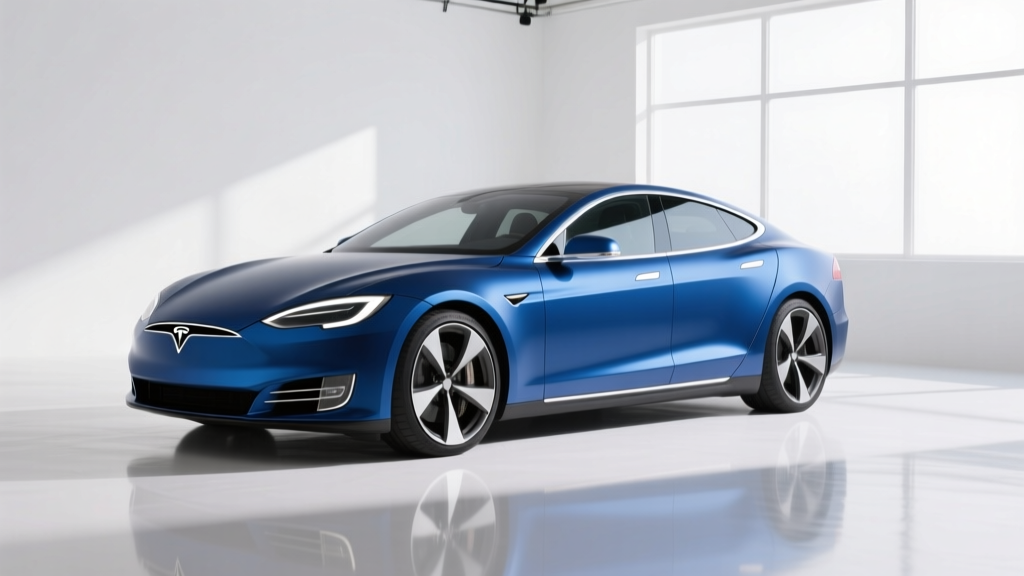
If you've spent any time in a Tesla forum or Facebook group, you've seen the debate rage endlessly: what is the best Tesla color? It sounds like a purely aesthetic question, but in the EV world, your paint choice intersects with thermal efficiency, resale value, maintenance frequency, and even how much you'll pay at delivery. Tesla's current palette spans free and premium options across the Model 3, Model Y, Model S, and Model X lineup, and each behaves differently under real-world ownership conditions.
This guide breaks down every 2026 Tesla exterior color by model, then pairs that with the hard engineering data — EPA range, battery chemistry, DC fast-charge speeds, pricing, and federal tax credit eligibility — so you can make a decision that satisfies both your eyes and your spreadsheet.
Every 2026 Tesla Color, Model by Model
Model 3 (Highland Refresh / Juniper-Era Updates)
The refreshed Model 3 continues into 2026 with a streamlined color roster:
- Pearl White Multi-Coat — No-cost option. Multi-layer pearlescent finish with a warm undertone in direct sunlight. Hides light dust and water spots better than any other Tesla color.
- Solid Black — $1,000 premium. Deep, glossy black. Looks stunning when clean; shows every swirl mark, fingerprint, and speck of pollen within 30 minutes of washing.
- Midnight Silver Metallic — $1,000 premium. Dark gunmetal with subtle metallic flake. A strong compromise between black's drama and white's practicality.
- Deep Blue Metallic — $1,000 premium. Rich navy with metallic shimmer. Photographs beautifully but shows scratches more readily than lighter hues.
- Ultra Red — $2,000 premium (replaced the old Red Multi-Coat). Layered translucent red over a metallic base — the most expensive and most visually striking option in the Model 3 lineup.
- Quicksilver — $2,000 premium. Bright liquid-metal silver with high reflectivity. Introduced with the Highland refresh and carried forward.
Model Y (Juniper Generation)
The Juniper-generation Model Y (launched 2025, continuing into 2026) shares most of the Model 3 palette with one key addition:
- Pearl White Multi-Coat — No-cost. The most-ordered Tesla color globally, and for good reason: low maintenance, high reflectivity.
- Solid Black — $1,000. Same caveats as Model 3.
- Midnight Silver Metallic — $1,000.
- Deep Blue Metallic — $1,000.
- Ultra Red — $2,000.
- Quicksilver — $2,000.
- Glacier Blue — $1,500 (Model Y exclusive in some markets; verify availability at checkout). A lighter, icier blue with a pearlescent shift.
Model S & Model X
Tesla's flagship sedans and SUVs carry a slightly expanded roster:
- Pearl White Multi-Coat — No-cost.
- Solid Black — $1,500.
- Midnight Silver Metallic — $1,500.
- Deep Blue Metallic — $1,500.
- Ultra Red — $2,500.
- Quicksilver — $2,500.
- Midnight Cherry Red — $2,500. A darker, near-black red that reads as burgundy in low light. Exclusive to S/X.
The Practical Ranking: Best Tesla Color by Use Case
| Priority | Best Color | Why |
|---|---|---|
| Lowest maintenance | Pearl White Multi-Coat | Hides dust, water spots, and minor swirl marks; highest solar reflectivity |
| Best resale value | Pearl White or Midnight Silver | Historically highest demand on the used market; broadest buyer appeal |
| Thermal efficiency (hot climates) | Pearl White or Quicksilver | Lighter colors reflect more solar radiation, reducing cabin cooling load by a measurable margin |
| Dramatic looks, garage-kept | Ultra Red or Solid Black | Maximum visual impact; requires covered parking and frequent washing to maintain |
| Best value premium | Midnight Silver Metallic | Only $1,000 upcharge; hides imperfections nearly as well as white with more personality |
Range, Battery & Efficiency: The Numbers That Actually Matter
Color debates are fun, but you're buying an electric vehicle. Here's what the 2026 lineup delivers in terms of range and efficiency, regardless of which paint you choose.
| Model / Trim | Battery (kWh usable) | Chemistry | EPA Range | MPGe (combined) | kWh/100 mi |
|---|---|---|---|---|---|
| Model 3 RWD | ~60 kWh | LFP | 272 mi | 132 MPGe | 25 |
| Model 3 Long Range AWD | ~75 kWh | NMC | 363 mi | 134 MPGe | 25 |
| Model 3 Performance | ~75 kWh | NMC | 315 mi | 119 MPGe | 28 |
| Model Y Long Range AWD | ~75 kWh | NMC | 320 mi | 123 MPGe | 27 |
| Model Y Performance | ~75 kWh | NMC | 298 mi | 115 MPGe | 29 |
| Model S Long Range | ~95 kWh | NMC | 402 mi | 124 MPGe | 27 |
| Model S Plaid | ~95 kWh | NMC | 359 mi | 116 MPGe | 29 |
| Model X Long Range | ~95 kWh | NMC | 335 mi | 110 MPGe | 30 |
LFP vs NMC: What Your Battery Chemistry Means
The base Model 3 RWD uses a lithium iron phosphate (LFP) battery, while Long Range, Performance, Model S, and Model X trims use nickel manganese cobalt (NMC) chemistry. Here's the practical difference:
- LFP: Slightly lower energy density (hence the shorter range in a smaller pack), but longer cycle life, better thermal stability, and Tesla recommends charging to 100% regularly. Ideal for daily commuters who can charge at home every night.
- NMC: Higher energy density for longer range and faster acceleration. Tesla recommends daily charging to 80–90% and only charging to 100% for road trips. Better suited for drivers who need maximum range per charge.
Charging Speed: DC Fast Charge & Home Level 2
No matter which color you pick, charging infrastructure defines your ownership experience. Here's the full charging picture for the 2026 Tesla lineup.
| Model / Trim | Max DC Fast Charge | 10–80% Time | Level 2 (240V) Rate | Level 2 Miles/Hour |
|---|---|---|---|---|
| Model 3 RWD (LFP) | 170 kW | ~25 min | 11.5 kW | ~44 mi/hr |
| Model 3 Long Range / Performance | 250 kW | ~18 min | 11.5 kW | ~44 mi/hr |
| Model Y Long Range / Performance | 250 kW | ~20 min | 11.5 kW | ~41 mi/hr |
| Model S / Model X | 250 kW | ~22 min | 11.5 kW | ~38 mi/hr |
Charging curve reality: The "250 kW" peak applies only between roughly 10–30% state of charge (SoC) on NMC packs. Above 50%, the rate tapers progressively — by 80%, you're typically at 60–80 kW. This is why Tesla (and all EV makers) quote 10–80% times rather than 0–100%. Charging from 80–100% can take as long as the 10–80% session. On road trips, plan to charge to 80% and move on unless you need the extra range to reach the next stop.
At home on a Level 2 Tesla Wall Connector (48-amp circuit, requiring a 60-amp breaker), expect a full overnight charge in 6–8 hours for most trims. Installation costs typically run $500–$2,000 depending on panel proximity and whether your electrical panel needs an upgrade to support a 60-amp circuit.
Performance & Drivetrain Specs
| Model / Trim | Drivetrain | Horsepower | 0–60 mph |
|---|---|---|---|
| Model 3 RWD | RWD (single motor) | ~283 hp | 5.8 sec |
| Model 3 Long Range AWD | AWD (dual motor) | ~384 hp | 4.2 sec |
| Model 3 Performance | AWD (dual motor) | ~510 hp | 2.9 sec |
| Model Y Long Range AWD | AWD (dual motor) | ~384 hp | 4.8 sec |
| Model Y Performance | AWD (dual motor) | ~510 hp | 3.5 sec |
| Model S Long Range | AWD (dual motor) | ~670 hp | 3.1 sec |
| Model S Plaid | AWD (tri-motor) | 1,020 hp | 1.99 sec |
| Model X Long Range | AWD (dual motor) | ~670 hp | 3.8 sec |
All Tesla models feature regenerative braking with one-pedal driving capability. The Highland Model 3 and Juniper Model Y introduced improved adaptive damping on Performance trims and revised suspension tuning across the board for a noticeably smoother ride than pre-refresh models.
Cargo, Passenger Space & Interior
| Model | Front Legroom | Rear Legroom | Cargo (rear seats up) | Cargo (seats folded) | Frunk |
|---|---|---|---|---|---|
| Model 3 | 42.7 in | 35.2 in | 23 cu ft (trunk) | ~56 cu ft | ~3.1 cu ft |
| Model Y | 41.8 in | 40.5 in | 30 cu ft | ~72 cu ft | ~4.1 cu ft |
| Model S | 42.7 in | 35.4 in | 28 cu ft | ~63 cu ft | ~5.3 cu ft |
| Model X | 41.2 in | 38.4 in | ~42 cu ft (5-seat) | ~88 cu ft | ~6.5 cu ft |
The Model Y remains the volume leader for families thanks to its hatchback cargo opening, optional third-row seat (for small children), and class-leading frunk space. The Model 3's trunk is a conventional sedan opening — adequate for groceries and luggage but less versatile for bulky items.
Pricing, Tax Credits & Total Cost
| Model / Trim | Base MSRP | Color Upcharge Range | Est. As-Tested (w/ color + FSD) | Federal §30D Credit Eligible? |
|---|---|---|---|---|
| Model 3 RWD | $38,990 | $0–$2,000 | $41,990–$48,990 | Yes — up to $7,500 (income & sourcing rules apply) |
| Model 3 Long Range AWD | $45,990 | $0–$2,000 | $47,990–$55,990 | Yes — up to $7,500 |
| Model 3 Performance | $52,990 | $0–$2,000 | $55,990–$62,990 | Yes — up to $7,500 |
| Model Y Long Range AWD | $44,990 | $0–$2,000 | $47,990–$54,990 | Yes — up to $7,500 |
| Model Y Performance | $51,490 | $0–$2,000 | $54,490–$61,490 | Yes — up to $7,500 |
| Model S Long Range | $74,990 | $0–$2,500 | $78,490–$85,990 | No — exceeds $55,000 sedan MSRP cap |
| Model S Plaid | $89,990 | $0–$2,500 | $93,490–$100,990 | No — exceeds MSRP cap |
| Model X Long Range | $79,990 | $0–$2,500 | $83,490–$90,990 | No — exceeds $80,000 SUV MSRP cap |
- Buyer income caps: Modified AGI ≤ $150,000 (single), ≤ $300,000 (joint), ≤ $225,000 (head of household)
- MSRP caps: ≤ $55,000 for sedans (Model 3), ≤ $80,000 for SUVs/trucks (Model Y)
- Battery sourcing: Critical minerals and battery components must meet phased-in domestic/free-trade-partner thresholds per IRS rules
Tech, Autopilot & Standout Features
Every 2026 Tesla ships with:
- 15.4-inch center touchscreen (Model 3/Y Highland/Juniper) or 17-inch (Model S/X) with over-the-air updates
- Basic Autopilot (SAE Level 2): Adaptive cruise control and lane-centering on highways. Driver must remain fully engaged — hands on wheel, eyes on road.
- FSD (Supervised) — $8,000 one-time or $99/month add-on. Extends Autopilot to city streets, stop signs, and traffic lights. Still SAE Level 2 — this is not autonomous driving. The driver is legally and operationally responsible at all times.
- Tesla Supercharger network access — the most reliable and extensive DC fast-charging network in North America, with NACS connectors native to all Teslas
- Sentry Mode, Dog Mode, Camp Mode — unique software features that leverage the battery and thermal system for security and comfort while parked
- Phone-as-key with Bluetooth proximity unlock
Notable Drawbacks
- No Apple CarPlay or Android Auto — Tesla uses its proprietary infotainment exclusively. If you rely on phone-mirroring, this is a dealbreaker.
- Turn-signal stalks removed on Highland Model 3 and Juniper Model Y — signals are now on steering-wheel buttons, which many drivers find unintuitive, especially in roundabouts.
- Minimalist interior — no physical climate knobs, no speedometer cluster, no ambient lighting customization beyond basic presets. Love it or hate it.
- Panel gaps and paint quality remain inconsistent across Fremont and Austin builds. Inspect carefully at delivery.
- Insurance costs tend to be 15–30% higher than comparable ICE vehicles due to repair complexity and parts pricing.
Pros, Cons & Verdict
Pros
- Best-in-class Supercharger network (250 kW+ stalls nationwide)
- Industry-leading efficiency (kWh/100 mi)
- Over-the-air updates add features post-purchase
- LFP battery on base Model 3 — charge to 100% daily without degradation anxiety
- Strong resale value, especially in white and silver
- Point-of-sale tax credit transfer reduces delivery-day cost
Cons
- Paint quality inconsistency — inspect before accepting delivery
- No CarPlay/Android Auto
- Steering-wheel turn signals require re-learning
- Higher insurance premiums than segment average
- Model S/X priced out of federal tax credit eligibility
- FSD remains a Level 2 system despite the "Full Self-Driving" name
Who Should Buy a Tesla in 2026?
- Daily commuters with home charging: The Model 3 RWD in Pearl White at ~$31,490 after the $7,500 credit is one of the cheapest ways into a new EV with 272 miles of range and access to the Supercharger network.
- Families needing cargo versatility: Model Y Long Range AWD with its hatchback, optional third row, and 320-mile EPA range remains the default family EV.
- Road-trip warriors: Tesla's Supercharger network is still the most reliable option for cross-country travel. Model S Long Range delivers 402 EPA miles — but at $74,990+ with no tax credit, it's a premium play.
- Performance seekers: Model 3 Performance at $52,990 (eligible for the credit) delivers 2.9-second 0–60 times that rival supercars costing three times more.
Warranty Coverage
| Coverage | Model 3 / Model Y | Model S / Model X |
|---|---|---|
| Basic Vehicle | 4 years / 50,000 miles | 4 years / 50,000 miles |
| Battery & Drive Unit | 8 years / 100,000 mi (RWD) 8 years / 120,000 mi (LR/Perf) | 8 years / 150,000 miles |
| Battery Capacity Retention | Minimum 70% over warranty period | Minimum 70% over warranty period |
Tesla's battery warranty guarantees that the pack will retain at least 70% of its original capacity during the warranty window. Real-world data from high-mileage Teslas suggests NMC packs typically retain 85–90% capacity at 100,000 miles, while LFP packs show even slower degradation curves — often above 90% at the same mileage. Battery replacement outside warranty, however, runs $12,000–$20,000+ depending on the pack, making the warranty period critical.
Frequently Asked Questions
What is the most popular Tesla color?
Pearl White Multi-Coat is the most-ordered Tesla color globally. It's the only free option, hides imperfections well, reflects solar heat effectively, and holds strong resale value. If you're unsure, white is the safest choice.
Does Tesla color affect range?
Indirectly, yes. Darker colors (especially Solid Black) absorb more solar radiation, increasing cabin temperatures when parked in direct sun. This forces the climate control system to work harder during initial cool-down, consuming marginally more energy. In hot climates, a white or silver Tesla can recover 1–3% energy per parking event compared to black. The effect is small but measurable over a year of outdoor parking.
Which Tesla color hides scratches best?
Pearl White Multi-Coat and Quicksilver are the most forgiving. Light colors make fine scratches, swirl marks, and rock chips far less visible. Solid Black and Deep Blue Metallic show every imperfection — plan on paint correction, ceramic coating, or paint protection film (PPF) if you choose a dark color.
Is Ultra Red worth the $2,000 premium?
If emotional impact matters to you, Ultra Red is Tesla's most striking color — a layered translucent paint with real depth. However, it shows scratches more than lighter hues and commands the highest upcharge. From a purely financial standpoint, Pearl White or Midnight Silver Metallic deliver better resale and lower maintenance. Choose Ultra Red if you'll keep the car long-term and garage it.
Does the Model Y qualify for the $7,500 federal tax credit in 2026?
Yes — the Model Y (classified as an SUV under IRS rules, with an $80,000 MSRP cap) qualifies for up to $7,500 under IRS §30D, provided the buyer meets income limits ($300,000 joint / $150,000 single) and the vehicle meets battery critical-mineral and component sourcing requirements. The credit can be transferred to the dealer as a point-of-sale price reduction. Model S and Model X do not qualify due to MSRP caps.
Should I buy a Tesla or look at competitors?
If Supercharger network access and proven software integration are your top priorities, Tesla still leads. But the Hyundai Ioniq 5, Kia EV6, Ford Mustang Mach-E, and Chevrolet Equinox EV are strong competitors — some offer better ride quality, CarPlay support, and competitive range. Test-drive at least two alternatives before committing. The Tesla advantage narrows every year as competitors gain NACS access to the Supercharger network.