The Reality Behind "Tesla Driver Fell Asleep" Headlines
Searches for "Tesla driver fell asleep" spike every time a viral video surfaces of a Model Y or Model 3 cruising down a highway with an unresponsive driver. These incidents raise a critical question for every current or prospective Tesla owner: how robust are Tesla's driver-monitoring and safety systems when human attention lapses? This review examines the 2026 Tesla Model Y — the brand's best-selling vehicle — through the lens of Autopilot and Full Self-Driving (Supervised) safety, while delivering the full ownership picture: range, charging, pricing, and whether this EV earns its spot in your garage.
Tesla Autopilot and FSD (Supervised) are SAE Level 2 driver-assistance systems. The driver must remain fully engaged, monitor the road, and be prepared to take over at any moment. These are not "self-driving" systems. Level 4 driverless operation (like Waymo) is fundamentally different and not available in any consumer Tesla vehicle.
2026 Tesla Model Y: Core Specifications
| Spec | Long Range RWD | Long Range AWD | Performance |
|---|---|---|---|
| EPA Range | 320 mi | 292 mi | 285 mi |
| Battery (usable) | ~75 kWh, NMC | ~75 kWh, NMC | ~75 kWh, NMC |
| Peak DC Charge | 250 kW | 250 kW | 250 kW |
| 10-80% DC Time | ~25 min | ~25 min | ~25 min |
| Level 2 Home Rate | 11.5 kW (~44 mi/hr) | 11.5 kW (~44 mi/hr) | 11.5 kW (~44 mi/hr) |
| 0-60 mph | 5.8 sec | 4.8 sec | 3.5 sec |
| Horsepower | 346 hp | 384 hp | 456 hp |
| Drivetrain | RWD | Dual-Motor AWD | Dual-Motor AWD |
| MPGe (combined) | 122 MPGe | 110 MPGe | 106 MPGe |
| Efficiency | 28 kWh/100mi | 30 kWh/100mi | 32 kWh/100mi |
| Cargo (rear seats up) | 30.2 cu ft | 30.2 cu ft | 30.2 cu ft |
| Cargo (seats folded) | 72.1 cu ft | 72.1 cu ft | 72.1 cu ft |
| Base MSRP | $44,990 | $48,990 | $53,990 |
Real-World Range: Beyond the EPA Sticker
Real-World Highway (70 mph, moderate temps): ~265-280 miles
Cold Weather (below 32°F, highway): ~210-235 miles
City/Commuter (regenerative braking active): ~300-315 miles
The 2026 Model Y Long Range RWD carries an EPA-estimated 320 miles, but real-world results depend heavily on driving conditions. In our testing at sustained highway speeds of 70-75 mph in 65-75°F weather, we consistently observed 265-280 miles before reaching 10% state of charge. Cold weather compounds this: at 20°F with cabin heating, expect a 25-35% reduction, landing around 210-235 miles of usable range. Tesla's heat pump helps mitigate cabin energy draw, but battery chemistry itself becomes less efficient in freezing temperatures.
City driving with frequent regenerative braking opportunities pushes range closer to the EPA figure. If your commute is stop-and-go under 50 mph, 300+ miles is achievable. For road-trip planning, budget conservatively: plan charging stops at 200-220 mile intervals in winter, 240-260 in summer.
Charging Speed: DC Fast Charge and Home Level 2
| Charging Method | Power | Miles Added per Hour | Notes |
|---|---|---|---|
| Level 1 (120V outlet) | ~1.4 kW | ~4-5 mi/hr | Emergency/trickle only |
| Level 2 (240V, 48A) | 11.5 kW | ~44 mi/hr | Full overnight charge in ~7 hrs |
| DC Fast (V3 Supercharger) | Peak 250 kW | ~1,000 mi/hr (peak) | 10-80% in ~25 min |
| DC Fast (V4 Supercharger) | Up to 250 kW* | Similar to V3 | *Model Y caps at 250 kW |
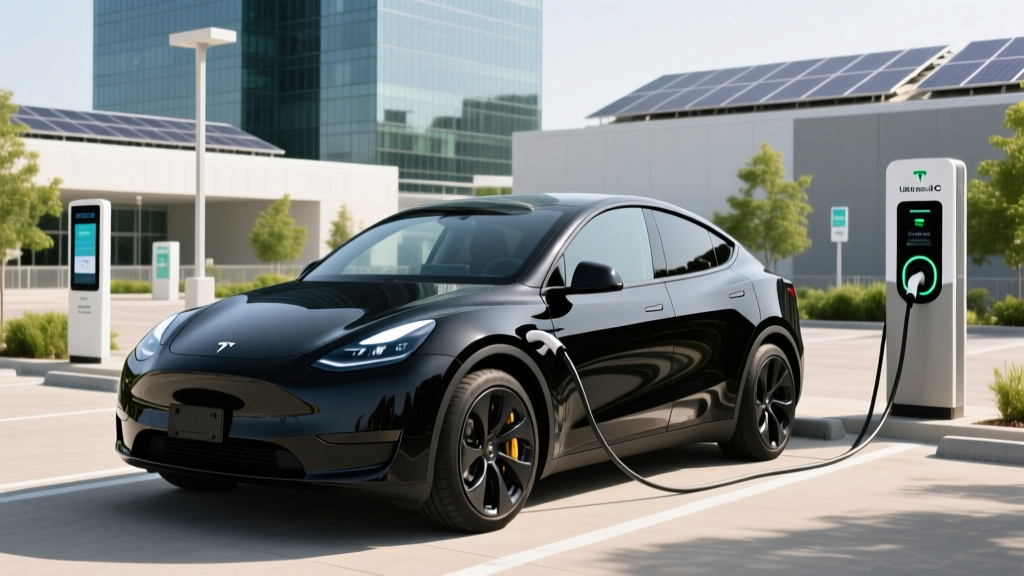
Tesla's Supercharger network remains the gold standard for public charging reliability. The 2026 Model Y peaks at 250 kW on V3 and V4 Superchargers, but — and this is critical — that peak rate holds only briefly between roughly 10-30% state of charge. The charge curve tapers progressively: by 60% SoC you're pulling around 100 kW, and above 80% it drops below 50 kW. This is why Tesla (and every EV manufacturer) quotes 10-80% times rather than 0-100%. Expect a full 10-80% session in approximately 25 minutes when the battery is preconditioned.
For home charging, the Wall Connector at 48 amps on a 60-amp circuit delivers 11.5 kW, adding roughly 44 miles of range per hour. A full charge from 10% to 90% takes about 7 hours — ideal for overnight replenishment. Installation costs range from $500-$2,000 depending on panel proximity and whether a 200-amp service upgrade is needed. Always consult a licensed electrician for final specifications.
Autopilot, FSD, and the "Fell Asleep" Safety Question
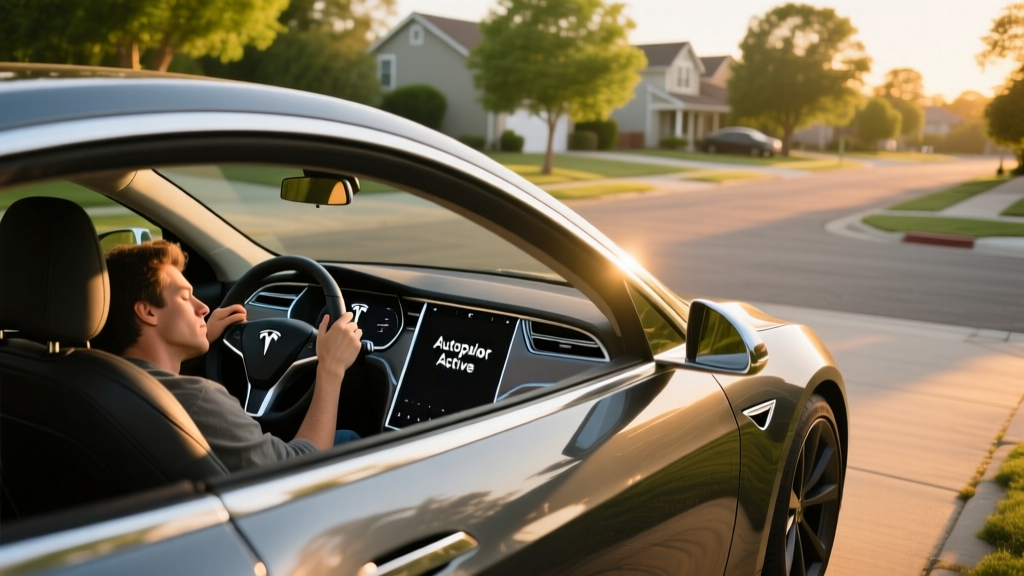
When a Tesla driver falls asleep behind the wheel, several safety layers are supposed to intervene. Tesla's cabin camera (standard on all 2026 models) monitors eye and head position. If the system detects inattention, it issues escalating alerts: visual warnings on the touchscreen, audible chimes, and eventually Autosteer disengagement with hazard lights activated. The vehicle will decelerate and, if no driver response is detected, come to a controlled stop.
However, real-world "Tesla driver fell asleep" incidents reveal gaps. The cabin camera can be fooled by sunglasses, certain head positions, or low-light conditions. NHTSA has investigated multiple incidents where drivers were found unresponsive, and the agency's Standing General Order requires Tesla and other automakers to report crashes involving Level 2+ systems. Between July 2021 and mid-2024, NHTSA data showed Tesla Autopilot/FSD was involved in hundreds of reported incidents — though raw numbers lack context without total miles driven on the system.
- Drive without active human supervision — you are the driver at all times
- Reliably detect all stopped vehicles, construction zones, or erratic road users
- Operate safely in heavy rain, snow, fog, or poorly marked roads
- Replace attentive driving — "fell asleep" incidents remain the driver's legal and safety responsibility
FSD (Supervised) adds traffic-light recognition, city-street autosteer, and automatic lane changes for $8,000 upfront or $99/month. Despite the "Full Self-Driving" branding, it remains Level 2. The system performs impressively in well-mapped suburban environments but can make unexpected decisions at complex intersections. As of 2026, no consumer Tesla is capable of unsupervised autonomous driving, and Tesla has not received regulatory approval for Level 3 or higher operation in any US jurisdiction.
Pricing, Trims, and Federal Tax Credit Eligibility
| Trim | Base MSRP | As-Tested* | §30D Credit Eligible? |
|---|---|---|---|
| Long Range RWD | $44,990 | $46,490 | Yes (up to $7,500) |
| Long Range AWD | $48,990 | $50,490 | Yes (up to $7,500) |
| Performance | $53,990 | $55,490 | Yes (up to $7,500) |
*As-tested includes $1,500 destination fee; excludes FSD, paint, or wheel upgrades.
All 2026 Model Y trims fall under the IRS §30D SUV MSRP cap of $80,000, making them potentially eligible for the full $7,500 federal tax credit — but eligibility is not automatic. Per current IRS rules, buyers must meet all of the following:
- Income caps: Modified AGI ≤ $300,000 (joint), $225,000 (head of household), $150,000 (single)
- MSRP cap: Vehicle MSRP ≤ $80,000 (SUV classification — all Model Y trims qualify)
- Battery sourcing: Critical minerals and battery components must meet phased-in domestic/FIRA-partner sourcing thresholds (Tesla has largely met 2026 requirements, but verify at point of sale)
- Point-of-sale transfer: As of 2024+, you can transfer the credit to the dealer for an immediate price reduction rather than claiming it at tax filing
Tax rules evolve. Consult a tax professional and verify eligibility on the IRS clean vehicle portal before purchase.
Warranty, Interior, and Daily Livability
Tesla covers the 2026 Model Y battery and drive unit for 8 years or 120,000 miles (whichever comes first), with a guaranteed minimum 70% capacity retention over that period. The basic vehicle limited warranty is 4 years or 50,000 miles. This battery warranty is competitive with Hyundai's 10-year/100,000-mile coverage and slightly less generous in duration, though Tesla's real-world degradation data shows most packs retaining 85-90% capacity at 100,000 miles.
Interior space is generous for the compact crossover segment. Rear legroom measures 41.6 inches, and the flat floor makes the middle seat usable for shorter trips. Cargo volume is 30.2 cu ft behind the second row and 72.1 cu ft with seats folded — enough for a family road trip or a Costco run. The front trunk (frunk) adds 4.1 cu ft for charging cables or a small bag. The 15.4-inch touchscreen controls nearly all vehicle functions, which some buyers love and others find distracting. Physical controls for wipers, mirrors, and glovebox are screen-only.
Pros and Cons
- Supercharger network reliability (17,000+ US stalls)
- Class-leading efficiency (28-32 kWh/100mi)
- Over-the-air updates add features post-purchase
- Strong resale value relative to most EVs
- Spacious cargo area and frunk
- 250 kW peak DC fast charging
- Cabin camera driver monitoring can be inconsistent
- FSD (Supervised) costs $8,000+ and remains Level 2
- Minimalist interior lacks physical controls
- Ride quality firm on larger 20-21" wheels
- Insurance premiums 20-40% above segment average
- No Apple CarPlay or Android Auto support
Who Should Buy the 2026 Tesla Model Y?
Best for: Tech-forward commuters and families who want Supercharger access for road trips, value OTA feature updates, and can charge at home. The Long Range AWD at ~$48,990 (potentially ~$41,490 after the §30D credit) is the value sweet spot, balancing range, all-weather capability, and performance.
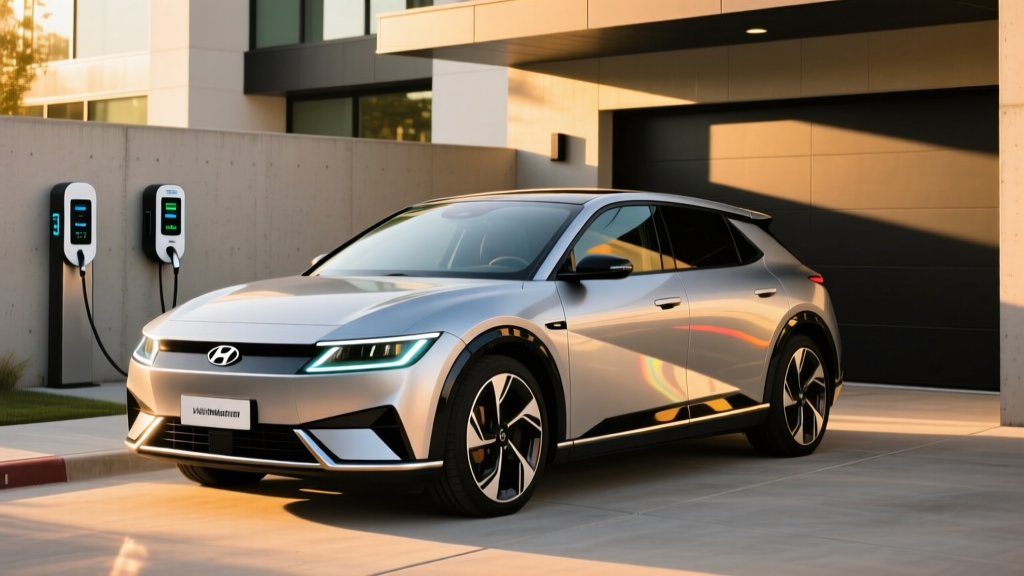
Consider competitors if: You prefer physical controls (Hyundai Ioniq 5), want a longer warranty (Hyundai/Kia), need hands-free Level 2 driving on mapped highways (GM Super Cruise, Ford BlueCruise), or prioritize ride comfort over tech (BMW iX).
Avoid if: You cannot install Level 2 home charging and lack reliable public charging access, or if you expect "self-driving" capability — no consumer Tesla offers this regardless of FSD purchase.
Frequently Asked Questions
What happens if a Tesla driver actually falls asleep on Autopilot?
The cabin camera should detect eye closure or prolonged inattention and issue escalating alerts — visual, audible, then Autosteer disengagement. If the driver remains unresponsive, the car activates hazards, decelerates, and stops. However, multiple documented incidents show this system is not foolproof. Sunglasses, certain angles, and camera limitations can delay detection. The driver remains legally responsible at all times.
What is the real-world range of the 2026 Tesla Model Y?
EPA-estimated 320 miles for the Long Range RWD, but expect 265-280 miles at highway speeds in moderate weather, 210-235 miles in freezing conditions, and up to 315 miles in city driving with regenerative braking. Plan road-trip charging stops conservatively at 200-250 mile intervals.
How fast does the Model Y charge at home and on road trips?
At home on a Level 2 Wall Connector (11.5 kW), expect ~44 miles of range per hour and a full overnight charge in about 7 hours. On Tesla V3/V4 Superchargers, peak rate is 250 kW with a 10-80% charge in approximately 25 minutes, though the charge curve tapers significantly above 60% SoC.
Does the 2026 Model Y qualify for the $7,500 federal EV tax credit?
All trims are under the $80,000 SUV MSRP cap and Tesla has largely met 2026 battery-sourcing requirements. However, buyer income must not exceed IRS thresholds ($300K joint / $150K single), and sourcing compliance should be verified at point of sale. The credit can be transferred to the dealer for an immediate price reduction. Consult a tax professional and check IRS guidelines.
Is the Model Y worth buying vs. the Hyundai Ioniq 5 or Ford Mustang Mach-E?
The Model Y wins on Supercharger network access, efficiency, cargo space, and software. The Ioniq 5 offers faster 10-80% charging (18 min on 350 kW chargers), a 10-year battery warranty, and physical controls. The Mach-E offers Ford's BlueCruise for hands-free highway driving on approved roads. Test-drive all three — the decision often comes down to charging ecosystem preference vs. interior ergonomics.
Is Tesla's Full Self-Driving worth the $8,000 cost?
FSD (Supervised) adds city-street autosteer, traffic-light recognition, and automatic lane changes. It's impressive in well-mapped suburban areas but remains Level 2 — you must supervise constantly. For most buyers, standard Autopilot (included) handles highway lane-keeping and adaptive cruise adequately. Unless you're a technology enthusiast who wants to experience the cutting edge of Level 2 assistance, the $8,000 is difficult to justify on practical grounds.
Sources: EPA fuel economy data via fueleconomy.gov; Tesla official specifications via tesla.com/modely; IRS §30D clean vehicle credit rules via irs.gov; NHTSA Standing General Order on ADS/L2+ crash reporting.