Quick Verdict: A Benchmark BEV Car for the Mainstream Buyer
The Hyundai Ioniq 5 remains one of the most well-rounded battery-electric vehicles (BEV) on the market entering the 2026 model year. Built on Hyundai's Electric-Global Modular Platform (E-GMP) with an 800-volt architecture, it delivers class-leading DC fast-charging speeds, a usable 318-mile EPA range on rear-wheel-drive trims, and a starting price that undercuts many rivals — especially after factoring in the federal EV tax credit. Whether you're cross-shopping the Tesla Model Y, Ford Mustang Mach-E, or Kia EV6, the Ioniq 5 earns a spot on any serious shortlist.
But no BEV car is perfect. The Ioniq 5's ride can feel firm over broken pavement, its second-row legroom trails the Model Y, and cold-weather range loss is real. This review breaks down every number that matters — from battery chemistry to the real charging curve you'll see at a public DC fast charger.
2026 Ioniq 5 Specs at a Glance
| Specification | SE/SEL RWD | SEL/Limited AWD | N (Performance) |
|---|---|---|---|
| EPA Range | 318 mi | 290 mi | 221 mi |
| Battery (usable) | 84 kWh (NMC) | 84 kWh (NMC) | 84 kWh (NMC) |
| Horsepower | 168 hp | 320 hp | 640 hp |
| 0-60 mph | 7.0 sec | 4.5 sec | 3.4 sec |
| Drivetrain | RWD single-motor | AWD dual-motor | AWD dual-motor |
| Max DC Fast Charge | 240 kW (peak) | 240 kW (peak) | 240 kW (peak) |
| 10-80% DC Time | ~18 min | ~18 min | ~18 min |
| Level 2 Charge Rate | 10.9 kW (~36 mi/hr) | 10.9 kW (~36 mi/hr) | 10.9 kW (~36 mi/hr) |
| MPGe (combined) | 114 MPGe | 101 MPGe | 83 MPGe |
| Efficiency | 29 kWh/100mi | 33 kWh/100mi | 40 kWh/100mi |
| Base MSRP | $43,975 | $47,975 | $68,500 |
Source: EPA / fueleconomy.gov and Hyundai USA. Figures reflect 2026 model year data.
Range and Efficiency: EPA Numbers vs. Reality
EPA sticker: 318 miles (RWD) / 290 miles (AWD)
Real-world expectation: Plan for ~250–275 miles on a mixed highway trip in moderate weather. In sustained 70+ mph highway driving, expect roughly 240–260 miles before you'll want to stop. In freezing temperatures (below 32°F / 0°C), range can drop 20–30%, bringing usable range to ~200–230 miles for the RWD model.
The Ioniq 5's 84 kWh usable battery pack uses nickel-manganese-cobalt (NMC) lithium-ion chemistry, which offers higher energy density than lithium iron phosphate (LFP) but is more sensitive to sustained high state-of-charge storage. Hyundai includes a configurable charge limit in the infotainment system — set it to 80% for daily driving to maximize long-term battery health.
Efficiency varies meaningfully by trim. The RWD model achieves 29 kWh per 100 miles, which is competitive with the Tesla Model Y Long Range (~28 kWh/100mi). The AWD dual-motor version consumes about 33 kWh/100mi — still reasonable for the added traction and 320 hp. If you live in a cold climate and lack garage parking, the heat pump (standard on AWD trims, optional on some RWD configurations) is worth prioritizing; it recovers waste heat from the powertrain to warm the cabin, reducing range loss by roughly 5–10% in sub-freezing conditions compared to resistive heating.
Charging Speed: The Ioniq 5's Biggest Advantage
| Charging Level | Power / Connector | Speed (miles of range added) | Typical Use Case |
|---|---|---|---|
| Level 1 (120V) | ~1.4 kW / NACS (2025+ models) | ~4–5 mi/hr | Emergency / overnight trickle |
| Level 2 (240V home) | 10.9 kW / NACS | ~36 mi/hr | Daily home charging |
| DC Fast Charge | Up to 240 kW peak / NACS | ~180+ mi in 15 min (peak) | Road trips, public stations |
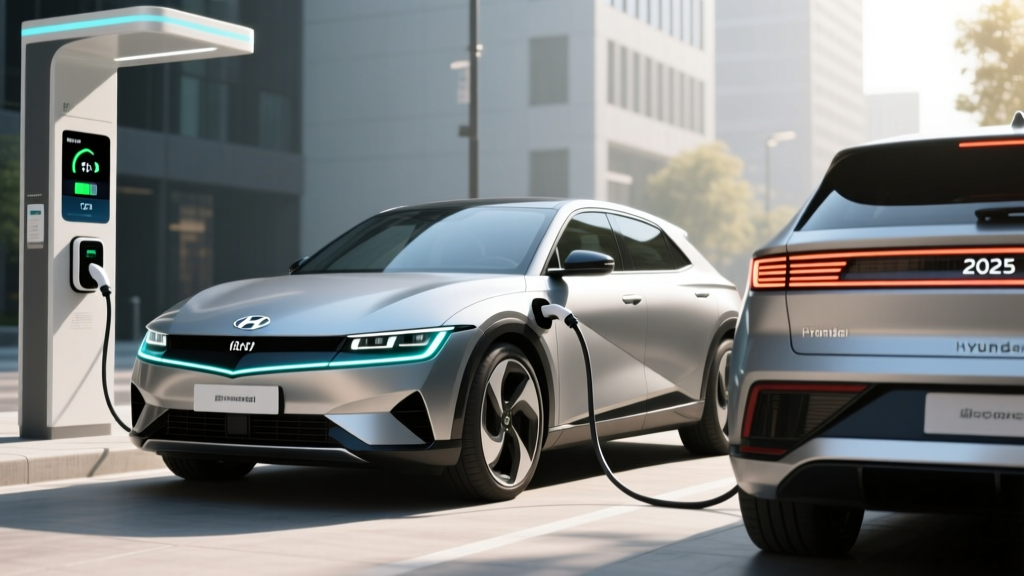
Starting with the 2025 model year, Hyundai adopted Tesla's North American Charging Standard (NACS) connector on the Ioniq 5, giving it native access to the Tesla Supercharger network without an adapter — a significant practical advantage over older CCS-equipped EVs. As of 2026, the Supercharger network exceeds 25,000 stalls in North America, and reliability consistently outpaces third-party networks like Electrify America.
Charging curve reality check: The 240 kW peak rate is not sustained across the entire session. Thanks to the 800V architecture, the Ioniq 5 holds above 200 kW from roughly 10% to 55% state of charge (SoC), then tapers progressively — dropping to ~150 kW by 70% and below 80 kW above 85%. A 10-80% session on a 350 kW-rated charger takes approximately 18 minutes under ideal thermal conditions. In cold weather without preconditioning, expect 25–35 minutes for the same session. Always use the navigation-based battery preconditioning feature (activate by entering a DC fast charger as your navigation destination) to warm the pack before arrival.
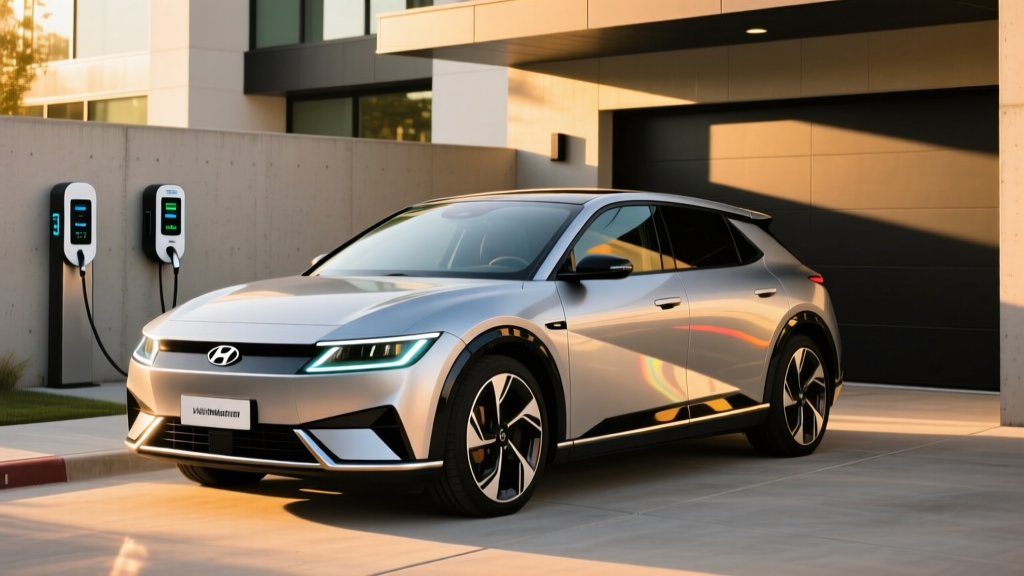
At home on a Level 2 charger (240V, 48A circuit), a full overnight charge from 20% to 80% takes about 5.5 hours. If your home electrical panel supports a 60A circuit with a hardwired 48A EVSE, you'll maximize the Ioniq 5's 10.9 kW onboard charger. On a standard 40A circuit (common for NEMA 14-50 outlets), expect ~7.7 kW and roughly 25 miles of range per hour of charging.
Performance and Driving Dynamics
The RWD Ioniq 5 with 168 hp isn't quick by EV standards — a 7.0-second 0-60 mph time puts it in the realm of a well-equipped compact crossover, not a sports sedan. It's perfectly adequate for merging, passing, and city driving, but buyers who prioritize acceleration should look at the AWD or N trims.
The AWD dual-motor model (320 hp, 4.5-second 0-60) is the sweet spot for most buyers. It delivers confident highway passing, competent light-snow traction, and only sacrifices 28 miles of EPA range versus the RWD. The Ioniq 5 N is a track-capable performance variant that's thrilling but expensive and range-compromised at 221 miles EPA — treat it as a niche choice.
Ride quality is composed but firm. The E-GMP platform's low center of gravity (battery pack mounted under the floor) keeps body roll minimal, but the suspension tuning transmits more road imperfections than a Toyota bZ4X or Volkswagen ID.4. Highway noise insulation is good for the segment, though wind noise around the A-pillars becomes noticeable above 75 mph.
The regenerative braking system offers four levels (0-3) selectable via steering-wheel paddles, plus an i-PEDAL mode that enables near one-pedal driving at level 3. The brake blending between regen and friction brakes is smooth — one of Hyundai's better calibrations.
Interior, Cargo, and Technology
The Ioniq 5's interior leans retro-futuristic with a flat floor (no transmission tunnel), a sliding center console, and dual 12.3-inch displays. Front-seat comfort is excellent with available ventilated seats and a driver's seat relaxation function. The "Universal Island" sliding console can move back 5.5 inches, creating extra space between the front seats — useful for exiting through the passenger door in tight parking spots.
Passenger and cargo dimensions:
- Front legroom: 41.7 inches
- Rear legroom: 39.4 inches
- Cargo volume (behind 2nd row): 27.2 cu ft
- Cargo volume (2nd row folded): 59.3 cu ft
- Front trunk (frunk): 0.85 cu ft (RWD) / 2.0 cu ft (AWD, smaller due to front motor)
The frunk is small — enough for a charging cable bag or a laptop, but not a meaningful luggage compartment. For a family BEV car, the Model Y's 76 cu ft max cargo and larger frunk remain advantages. The Ioniq 5's rear legroom is generous, though, and the flat floor makes the middle seat actually usable for a third passenger on short trips.
The infotainment system runs Hyundai's latest software with wireless Apple CarPlay and Android Auto, over-the-air updates, and a built-in EV route planner that factors in charging stops and battery preconditioning. The available digital key (NFC-based) lets you use your smartphone as a key fob. Hyundai's Bluelink connected services include remote climate preconditioning and charge monitoring.
Driver assistance: The Ioniq 5 comes standard with Highway Driving Assist 2 (HDA 2), which combines adaptive cruise control with lane-centering and lane-change assist. This is an SAE Level 2 system — the driver must keep hands on the wheel and remain engaged at all times. It is not self-driving. HDA 2 works well on divided highways but requires periodic steering-wheel torque input to confirm driver attention. Remote Smart Parking Assist (available on Limited trims) can move the car in and out of tight spaces while you stand outside — a useful party trick for narrow garages.
Pricing, Trims, and Federal Tax Credit Eligibility
| Trim | Base MSRP | Est. Price After §30D Credit* | Key Features |
|---|---|---|---|
| SE Standard Range | $43,975 | ~$36,475 | 168 hp, RWD, 318-mi range, HDA 2 |
| SEL AWD | $47,975 | ~$40,475 | 320 hp, AWD, heat pump, leatherette |
| Limited AWD | $53,475 | ~$45,975 | Ventilated seats, HUD, premium audio, sunroof |
| N (Performance) | $68,500 | Ineligible (MSRP cap) | 640 hp, track mode, 221-mi range |
*Tax credit estimates assume the buyer meets all IRS §30D requirements. The Ioniq 5 N exceeds the $80,000 MSRP cap for SUVs/vans and may also exceed buyer income limits for some purchasers. Verify eligibility at IRS.gov or with a tax professional.
IRS §30D Federal EV Tax Credit Requirements (2026):
- MSRP cap: Vehicle must be ≤$80,000 for SUVs/vans/pickups, ≤$55,000 for sedans (Ioniq 5 classified as SUV — all non-N trims qualify)
- Buyer income cap: Modified AGI ≤$300,000 (joint), ≤$225,000 (head of household), ≤$150,000 (single)
- Battery sourcing: Increasingly strict critical-mineral and battery-component requirements apply — the percentage thresholds rise annually. Hyundai has shifted significant battery production to the Georgia Metaplant, improving compliance, but verify current-year sourcing status on the IRS eligible vehicle list
- Point-of-sale transfer: You can transfer the credit to the dealer at purchase for an immediate price reduction (up to $7,500), rather than waiting to claim it on your tax return
- One credit per VIN: The credit is tied to the vehicle, not the buyer — a used Ioniq 5 does not re-qualify the new buyer for §30D (but may qualify for the separate used-EV credit under §25E, up to $4,000)
Warranty and Long-Term Battery Outlook
Hyundai backs the Ioniq 5 with one of the best warranty packages in the segment:
- New vehicle limited warranty: 5 years / 60,000 miles
- Powertrain & battery warranty: 10 years / 100,000 miles
- Battery capacity retention: Hyundai warrants the high-voltage battery against falling below 70% of original capacity during the warranty period
- Complimentary maintenance: 3 years / 36,000 miles (covers tire rotations, cabin air filter, multi-point inspections)
NMC battery degradation data from early Ioniq 5 owners (2022–2024 models, now accumulating 50,000+ miles) shows approximately 5–8% capacity loss at the 60,000-mile mark, which is in line with industry norms. The 70% retention threshold at 10 years/100,000 miles provides meaningful protection. A full battery replacement outside of warranty currently costs in the range of $12,000–$18,000 depending on labor, though prices are expected to decline as battery costs continue falling.
Pros, Cons, and Who Should Buy
Pros
- Class-leading 240 kW DC fast-charging (10-80% in ~18 min)
- NACS connector — native Tesla Supercharger access
- 318-mile EPA range on RWD (strong for the price)
- 10-year/100,000-mile battery warranty
- Flat floor and sliding console = practical interior
- Competitive pricing after §30D credit
- Standard HDA 2 driver assist
Cons
- Firm ride over rough pavement
- Small frunk (under 1 cu ft on RWD)
- Less cargo space than Model Y (59 vs 76 cu ft)
- RWD base model feels underpowered (7.0s 0-60)
- No hands-free driving mode (Level 2 only)
- Infotainment can lag during OTA updates
- Cold-weather range loss is significant without preconditioning
Who this BEV car suits best:
- Commuters with home charging: The 318-mile range and fast Level 2 charging make daily driving effortless. Charge overnight, never visit a gas station.
- Road-trip-capable families: With 18-minute DC fast stops and Supercharger access, long trips are viable — though the Model Y offers more cargo room for growing families.
- Tax-credit-eligible buyers: At ~$36,500 after the federal credit, the SE RWD is one of the most affordable long-range BEV cars available.
- Not ideal for: Buyers who need maximum cargo space, those without home charging in cold climates, or anyone wanting Level 3+ autonomous driving capability.
Frequently Asked Questions
What is the real-world range of the 2026 Hyundai Ioniq 5?
The EPA rates the RWD model at 318 miles and the AWD at 290 miles. In real-world mixed driving at moderate temperatures, expect 270–290 miles from the RWD and 240–265 from the AWD. Sustained highway speeds above 70 mph or freezing temperatures will reduce range further — plan for 200–240 miles in winter highway conditions.
How fast does the Ioniq 5 charge at home and on the road?
On a Level 2 home charger (240V, 48A), the Ioniq 5 charges at 10.9 kW, adding about 36 miles of range per hour — a full 20-80% charge takes roughly 5.5 hours. On a DC fast charger, it peaks at 240 kW and can go from 10% to 80% in about 18 minutes under ideal conditions. Cold weather without preconditioning can extend that to 25-35 minutes.
Does the 2026 Ioniq 5 qualify for the $7,500 federal EV tax credit?
The SE, SEL, and Limited trims (all under the $80,000 MSRP cap for SUVs) are eligible for the full §30D credit, provided the buyer meets income limits (≤$300,000 joint / ≤$150,000 single) and the vehicle's battery meets current-year critical-mineral and component sourcing requirements. The Ioniq 5 N may be ineligible due to pricing. Always verify on the IRS eligible vehicle list before purchasing, as sourcing rules tighten annually.
Is the Ioniq 5 worth buying vs. the Tesla Model Y or Ford Mustang Mach-E?
The Ioniq 5 wins on DC fast-charging speed (240 kW vs. ~250 kW for Model Y but with a better sustained curve), warranty coverage (10yr/100k vs. Tesla's 8yr/120k but with a higher retention guarantee), and interior design. The Model Y wins on cargo space (76 vs. 59 cu ft), Supercharger network maturity, and software polish. The Mach-E offers sportier handling but trails on range and charging speed. Test-drive all three — the right choice depends on your cargo needs, preferred charging network, and design taste.
What connector does the 2026 Ioniq 5 use?
Starting with the 2025 model year, the Ioniq 5 uses the NACS (North American Charging Standard) connector — the same plug used by Tesla vehicles. This means direct compatibility with Tesla Superchargers, as well as NACS-equipped chargers from Electrify America, EVgo, and other networks rolling out NACS stalls through 2026. If you own an older Ioniq 5 with a CCS connector, a CCS-to-NACS adapter (provided by Hyundai for eligible model years) enables Supercharger access.
How long will the Ioniq 5 battery last?
Hyundai warranties the 84 kWh NMC battery for 10 years or 100,000 miles against dropping below 70% capacity. Real-world data from early models shows roughly 5-8% degradation at 60,000 miles, suggesting the battery should remain well above 80% capacity at 100,000 miles with normal use. Best practices for longevity: avoid routinely charging to 100%, use the 80% daily charge limit setting, precondition the battery before DC fast charging, and avoid leaving the car at very high or very low SoC for extended periods in extreme temperatures.