Quick Verdict: What Is the Talaria Sting MX5 Pro?
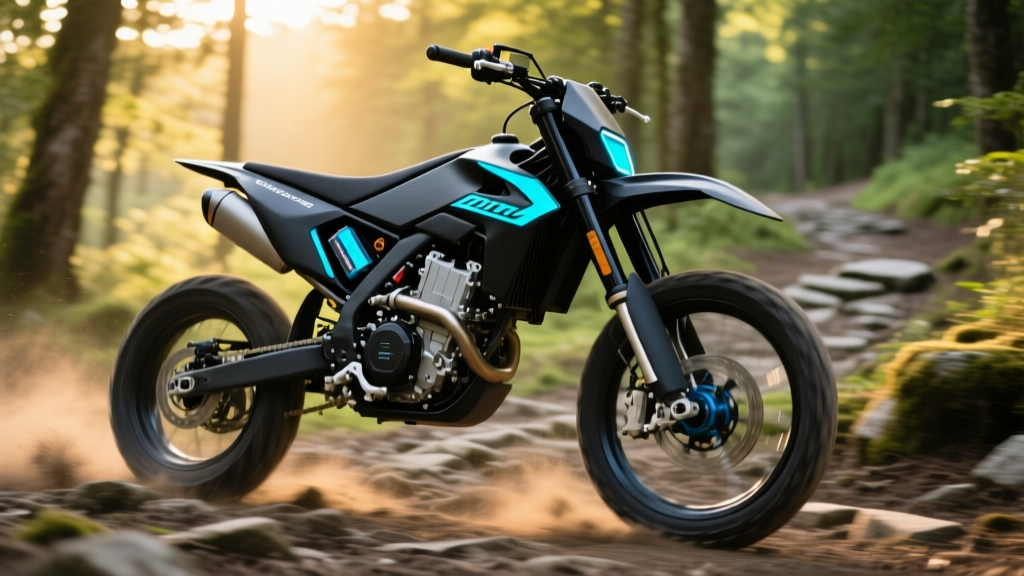
The Talaria Sting MX5 Pro is a high-performance electric dirt bike (e-moto) built for off-road trail riding, not street commuting. The 2026 model typically runs a 72V lithium battery pack with 2,000–3,000W continuous motor output, delivering top speeds around 60–65 mph and real-world trail range of roughly 30–50 miles depending on riding aggression and terrain. Pricing lands in the $4,500–$5,500 range before shipping. It's best suited for riders who want instant torque, near-silent trail operation, and zero trailside emissions — but it is not a replacement for a highway-capable electric motorcycle or a daily commuter EV.
At AutoEdgeView, our coverage centers on electric cars, trucks, SUVs, and the charging infrastructure that supports them. The Talaria Sting MX5 Pro falls into the electric off-road motorcycle category — a niche that intersects with the broader EV world through shared battery chemistry, charging technology, and ownership economics. If you're cross-shopping this against a gas-powered 250cc trail bike or evaluating it as an entry point into electric power, this guide breaks down the numbers that matter.
Specs That Matter: Battery, Motor, and Real-World Range
The Sting MX5 Pro's powertrain is its headline feature, but spec sheets in the e-moto space are notoriously inconsistent across model years and regional distributors. Here's what the current-generation platform delivers:
| Specification | Talaria Sting MX5 Pro |
|---|---|
| Battery Voltage / Chemistry | 72V / NMC lithium-ion |
| Battery Capacity (est.) | ~2.5–3.0 kWh usable |
| Motor (continuous / peak) | ~2,000W / ~4,000W peak |
| Top Speed | 60–65 mph (unrestricted) |
| Real-World Trail Range | 30–50 miles (varies with riding style) |
| Charge Time (standard 110V) | 3–4 hours (0–100%) |
| Weight | ~130–145 lbs |
| Seat Height | ~34–35 inches |
| Estimated Price | $4,500–$5,500 MSRP |
Real-World Range Reality Check
Unlike EPA-rated electric cars, e-motos have no standardized range testing. Talaria and similar brands quote optimistic range figures based on flat-terrain, low-speed riding. On aggressive single-track with elevation changes, expect 50–60% of the claimed maximum range. Cold weather (below 40°F) further reduces usable capacity by roughly 15–25% due to increased internal resistance in NMC cells and reduced regenerative braking efficiency.
Talaria Sting MX5 Pro vs. Gas Dirt Bike: Cost and Performance
The most common cross-shop for the Sting MX5 Pro is a used or new 250cc four-stroke gas trail bike (think Yamaha WR250R, Honda CRF250F, or KTM 250 XC-W). Here's how the economics compare over three years of moderate trail riding (~1,500 miles/year):
| Factor | Talaria Sting MX5 Pro (Electric) | 250cc Gas Trail Bike |
|---|---|---|
| Purchase Price | $4,500–$5,500 | $5,000–$9,000 (new) |
| Fuel / Energy Cost (per ride, ~30 mi) | $0.15–$0.30 (home charging) | $4–$7 (premium gas + premix oil) |
| Annual Fuel/Energy (1,500 mi) | $8–$15 | $200–$350 |
| Oil Changes / Year | None | 2–4 ($30–$60 each) |
| Air Filter / Valve Service | None | $100–$250/year |
| Chain & Sprocket Wear | Similar | Similar |
| Noise Level | Near-silent (trail-friendly) | 85–95 dB (trail restrictions apply) |
| 3-Year Energy + Maintenance | ~$25–$50 | $800–$1,500 |
The electric dirt bike wins decisively on operating cost. Over three years, you'll save roughly $750–$1,450 in fuel and routine maintenance. The gas bike retains a range advantage for all-day rides where refueling from a jerry can takes two minutes versus hours on a charger, and it remains the practical choice for riders who cover 80+ miles in a single outing without access to mid-ride charging.
Charging at Home: What You Actually Need
One of the Sting MX5 Pro's biggest ownership advantages is charging simplicity. Unlike a full-size EV that may require a 240V Level 2 home charger installation ($500–$2,000 depending on panel capacity and run length), the Talaria charges from a standard 120V household outlet.
| Charging Scenario | Power Draw | Time (0–100%) | Cost per Full Charge |
|---|---|---|---|
| Standard 120V outlet (included charger) | ~400–600W | 3–4 hours | $0.15–$0.30 |
| Upgraded fast charger (if available) | ~800–1,000W | 1.5–2 hours | $0.15–$0.30 |
At the U.S. average residential electricity rate of roughly $0.16/kWh (per EIA data), a full 3 kWh charge costs approximately $0.48 at most. Even riding hard every weekend, annual energy costs stay under $15. No electrical panel upgrade, dedicated circuit, or electrician visit is needed — just plug into a garage outlet.
KW vs. kWh reminder: The charger's power draw (400–600W, or 0.4–0.6 kW) determines how fast it charges. The battery's capacity (~3 kWh) determines how much energy it stores. These are not interchangeable — a higher-kW charger fills a fixed-kWh battery faster.
Battery Longevity, Chemistry, and Replacement Costs
The Sting MX5 Pro uses NMC (nickel manganese cobalt) lithium-ion cells — the same chemistry found in many electric cars from Tesla, Hyundai, and Ford. NMC offers high energy density in a compact, lightweight package, which is critical for an off-road motorcycle where every pound matters.
| Factor | NMC (Talaria Sting MX5 Pro) | LFP (Lithium Iron Phosphate) |
|---|---|---|
| Energy Density | Higher (lighter pack for same kWh) | Lower (heavier for same capacity) |
| Cycle Life (to 80% capacity) | ~800–1,200 cycles | ~2,000–3,000+ cycles |
| Thermal Stability | Good (requires BMS management) | Excellent (inherently safer) |
| Cost per kWh | Higher | Lower |
| Best For | Weight-sensitive applications (e-motos) | High-mileage, stationary, or daily-cycling use |
At an estimated 800–1,200 charge cycles before the battery degrades to 80% of original capacity, a rider who charges twice per week can expect roughly 8–12 years of service before noticeable range loss. However, extreme heat, frequent full-discharge rides, and long-term storage at 100% state of charge (SoC) accelerate degradation.
Battery replacement cost: A 72V replacement pack for the Talaria platform typically runs $800–$1,500 depending on capacity and supplier. This is a significant mid-life expense that gas bike owners don't face — though it's offset by years of near-zero operating costs.
Federal Tax Credits and Incentives: Does the Sting MX5 Pro Qualify?
Short answer: No. The IRS §30D Clean Vehicle Credit applies to four-wheeled vehicles with a gross vehicle weight rating under 14,000 lbs that meet specific battery-sourcing, MSRP, and buyer-income requirements. The Talaria Sting MX5 Pro is classified as an off-road motorcycle and does not qualify for the federal EV tax credit.
Some states and local utility districts offer rebates for electric motorcycles or off-road electric vehicles, but these programs are inconsistent and change frequently. Check your state energy office or utility provider for current programs. The Alternative Fuels Data Center maintains a state-by-state incentive database that's a reliable starting point.
Common Misconceptions About Electric Dirt Bikes
| Myth | Fact |
|---|---|
| "Electric dirt bikes have no power." | The MX5 Pro delivers instant peak torque from 0 RPM — no clutch, no powerband to manage. Acceleration off the line often exceeds comparable 250cc gas bikes in the first 30 feet. |
| "You'll get stranded with a dead battery." | With 30–50 miles of real-world range, most trail loops (typically 10–25 miles) are well within capacity. Plan rides around battery capacity, just as you'd plan around a gas tank on remote trails. |
| "Batteries won't last and replacement is $5,000." | Replacement packs run $800–$1,500, not $5,000. At 800+ cycles, most riders won't need a swap for 8+ years of regular use. |
| "Electric means zero maintenance." | Chain tensioning, brake pad replacement, suspension service, and tire changes still apply. You eliminate oil, filter, and valve service — not all maintenance. |
| "It's street-legal." | The Sting MX5 Pro is an off-road vehicle. Street registration requires DOT-compliant lighting, mirrors, horn, and state-specific equipment that this model typically does not include from the factory. |
Decision Framework: Is the Talaria Sting MX5 Pro Right for You?
Choose the Talaria Sting MX5 Pro If:
- Your rides are typically under 40 miles and you can charge at home between sessions
- You ride on noise-restricted trails where gas bikes are banned or frowned upon
- You want minimal maintenance and near-zero per-ride energy cost
- You value instant torque delivery and no clutch/shifting complexity
- You have garage or outlet access for overnight charging
Stick with a Gas 250cc Trail Bike If:
- You regularly ride 60+ miles in a single outing or do multi-day backcountry trips
- You need the ability to refuel in under 5 minutes from a fuel can
- You ride in extreme cold (below 20°F) where battery performance drops significantly
- You need a street-legal dual-sport for mixed pavement/trail commuting
- Parts availability and dealer service networks are a priority in your area
Frequently Asked Questions
How fast does the Talaria Sting MX5 Pro go?
The unrestricted top speed is approximately 60–65 mph on flat terrain. Some models include speed limiters for beginner riders or trail-legal compliance. Acceleration to 30 mph is typically under 3 seconds thanks to instant electric torque.
Can I ride the Talaria Sting MX5 Pro on public roads?
Generally, no. It's designed and sold as an off-road vehicle. Making it street-legal requires adding DOT-approved lighting, turn signals, mirrors, a horn, and meeting your state's registration requirements — which may or may not be possible depending on the model's factory equipment and your jurisdiction.
How long does the battery last before needing replacement?
Expect 800–1,200 full charge cycles before the battery degrades to 80% of its original capacity. For a weekend rider charging twice weekly, that translates to roughly 8–12 years. Proper storage (50–60% SoC when not in use for extended periods) and avoiding deep discharges extend battery life.
Is the Talaria Sting MX5 Pro suitable for beginners?
It can be, with caveats. The lack of clutch and gears simplifies operation, and many Talaria models offer adjustable power modes. However, 60+ mph capability and aggressive torque delivery demand respect. New riders should start in the lowest power mode and progress gradually.
Where can I get parts and service for a Talaria?
Talaria operates primarily through online direct sales and a growing network of independent e-moto dealers. Parts availability is improving but doesn't match the dealer-network depth of Yamaha, Honda, or KTM. Factor in potential shipping delays for replacement components when evaluating ownership.
How does this compare to electric cars in terms of technology?
The battery chemistry (NMC lithium-ion) and charging principles are identical to full-size EVs. The key differences are scale — a 3 kWh e-moto battery vs. a 60–100 kWh EV battery — and the absence of liquid thermal management, DC fast charging, or regenerative braking sophistication found in electric cars. The Talaria is essentially a simplified, lightweight application of the same core EV technology.
Note: E-moto specifications vary by model year, regional distributor, and aftermarket modifications. Verify current specs directly with Talaria or an authorized dealer before purchasing. This guide reflects platform-level specifications available through early 2026 and should not be treated as a binding specification sheet for any specific unit.