Quick Answer: Is the Taiga Orca Electric Jet Ski Worth It?
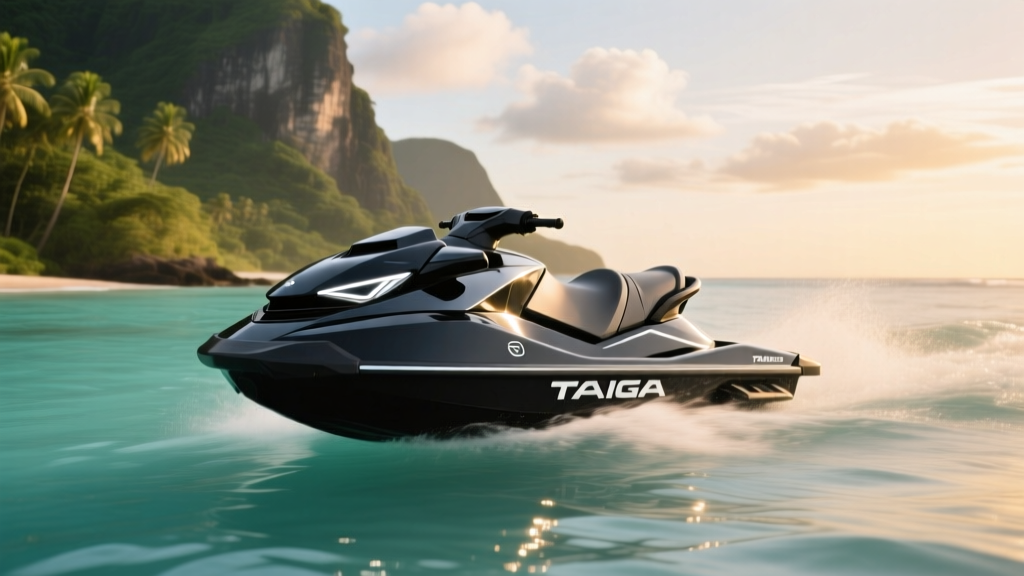
The Taiga Orca is a high-performance electric personal watercraft (PWC) with a starting MSRP around $15,000–$17,000, a 70 kWh-equivalent battery pack delivering roughly 2 hours of ride time, and Level 2 (240V) charging in approximately 2.5 hours. Compared to a gas-powered Sea-Doo or Yamaha WaveRunner ($10,000–$18,000), the Orca eliminates fuel, oil changes, and winterization but demands reliable shore or dock charging access. It suits lake-home owners and marina users who can install a 240V outlet — not riders dependent on remote launch ramps without power infrastructure.
Taiga Orca Specs: Battery, Range, and Performance
Taiga Motors, the Montreal-based EV powersports company, designed the Orca platform around a waterproof lithium-ion battery pack and an electric jet pump. Here are the key specifications based on Taiga's published figures:
| Specification | Taiga Orca (2025/2026) |
|---|---|
| Battery Capacity | 23 kWh (usable) |
| Battery Chemistry | NMC (Nickel Manganese Cobalt) |
| Motor Output | Up to 180 HP (134 kW peak) |
| Top Speed | ~65 mph (104 km/h) |
| 0–30 mph | ~3.8 seconds |
| Ride Time (mixed use) | ~2 hours (moderate riding) |
| Level 2 Charge Time (240V) | ~2.5 hours (0–100%) |
| Level 1 Charge Time (120V) | ~10–12 hours (0–100%) |
| Weight | ~585 lbs (265 kg) |
| Starting MSRP | ~$15,000–$17,000 (trim dependent) |
| Warranty | 3 years / unlimited hours (powertrain & battery) |
Real-world ride time caveat: The 2-hour estimate assumes moderate throttle use — cruising, towing a tuber at partial load, and idling. Aggressive riding (full-throttle runs, racing, wave jumping) can cut ride time to 60–90 minutes. Cold water (below 55°F / 13°C) increases battery internal resistance and may reduce effective capacity by 10–15%, similar to cold-weather range loss in EVs.
Taiga Orca vs Gas Jet Ski: Cost and Performance Comparison
The Orca competes directly with premium gas PWCs like the Sea-Doo RXP-X 325 and Yamaha GP SVHO. Here's how ownership stacks up over five years, assuming 50 hours of annual riding:
| Cost Factor | Taiga Orca (Electric) | Gas PWC (e.g., Sea-Doo RXP-X) |
|---|---|---|
| Purchase Price (MSRP) | ~$16,000 | ~$17,500 |
| Fuel / Electricity (5 yrs, 250 hrs total) | ~$150–$300 (at $0.14/kWh avg) | ~$2,500–$3,500 (premium fuel, 8–10 gal/hr) |
| Annual Maintenance | ~$0–$100 (no oil, plugs, impeller service intervals reduced) | ~$400–$800/yr (oil, spark plugs, winterization, supercharger service) |
| 5-Year Maintenance Total | ~$250–$500 | ~$2,000–$4,000 |
| Winterization Cost | $0 (no engine coolant or exhaust system to flush) | $150–$300/yr |
| Estimated 5-Year Total Cost | ~$16,500–$17,500 | ~$23,000–$28,000 |
Key takeaway: The Orca's higher upfront cost is typically recovered within 3–4 years through fuel and maintenance savings, assuming you have access to affordable Level 2 charging. The break-even point accelerates if you ride more than 50 hours per year or if local gas prices exceed $4.50/gallon.
Charging the Taiga Orca: What You Actually Need
This is where real-world ownership separates feasible from frustrating. The Orca uses a standard J1772-compatible connector (the same as most EVs) and supports both 120V Level 1 and 240V Level 2 charging.
| Charging Level | Voltage / Power | Charge Time (0–100%) | Infrastructure Needed |
|---|---|---|---|
| Level 1 | 120V / ~1.9 kW | 10–12 hours | Standard outdoor GFCI outlet |
| Level 2 | 240V / ~9.6 kW | ~2.5 hours | Dedicated 40A/50A circuit + NEMA 14-50 or hardwired EVSE |
Home charging reality: If your PWC lives on a dock, lift, or trailer near your home, a Level 2 installation (typically $800–$2,000 for a 240V circuit run by a licensed electrician) is the practical minimum for convenient ownership. Level 1 charging works overnight but limits you to one full session per day — problematic for weekend-heavy riders.
Marina and lake-access charging: Some marinas now offer 240V shore power pedestals (often 30A or 50A marine connectors). Before purchasing, confirm your marina allows PWC charging and whether adapters are needed. Public EV charging stations are generally not designed for trailer-in watercraft access.
kW vs kWh reminder: The Orca's battery stores 23 kWh of energy. A Level 2 charger delivering 9.6 kW can theoretically refill that in ~2.4 hours (23 ÷ 9.6 = 2.4), plus charging losses. Peak charge rate tapers above 80% State of Charge (SoC) to protect the NMC cells — expect the final 20% to take roughly 30–40% of total charge time.
Real-World Ownership: Who Should (and Shouldn't) Buy the Orca
Decision Framework: Is the Taiga Orca Right for You?
Choose the Taiga Orca if:
- You have lake-home or dock access with 240V power available (or can install it)
- You ride primarily on freshwater lakes or calm coastal waters within the 2-hour ride envelope
- You value near-silent operation (critical for wildlife areas, early-morning rides, or noise-restricted lakes)
- You want to eliminate winterization, oil changes, and supercharger maintenance
- You ride 30–80 hours per year and want to minimize per-hour operating cost
Stick with a gas PWC if:
- You trailer your PWC to remote lakes or rivers without charging infrastructure
- You regularly ride 3+ hours per session (offshore, long-distance touring)
- You need refueling in under 5 minutes at a marina fuel dock
- Your budget is strictly under $12,000 and you want a new or late-model used PWC
- You operate in saltwater environments where Taiga's corrosion warranty may be more restrictive
Common Misconceptions About Electric Jet Skis
| Myth | Fact |
|---|---|
| "Electric jet skis have no power" | The Orca delivers 180 HP and a 3.8-second 0–30 mph time — comparable to supercharged gas PWCs in low-to-mid-range torque delivery. Instant electric torque actually feels faster off the line than most gas models. |
| "The battery will need replacing in 2–3 years" | NMC cells in marine applications are rated for 1,000+ full cycles before degrading to 80% capacity. At 50 hours/year (roughly 25–30 cycles), the battery should last 15–20+ years under normal use. Taiga's 3-year warranty covers defects, not normal degradation. |
| "You can't ride in saltwater" | The Orca is sealed and rated for saltwater use, but Taiga recommends freshwater rinsing after every saltwater session (same as any PWC). Confirm current warranty terms for saltwater corrosion with your dealer. |
| "Charging takes all day" | Level 2 (240V) charging takes ~2.5 hours — fast enough for a lunch break between morning and afternoon sessions. Level 1 (120V) does require overnight charging, which is limiting for multi-session days. |
| "There's no federal tax credit" | As of 2026, the IRS §30D Clean Vehicle Credit applies to new qualified plug-in EVs, but eligibility depends on MSRP caps, buyer income limits, and battery sourcing requirements. PWCs may or may not qualify depending on classification — consult IRS guidance or a tax professional before assuming credit eligibility. |
5-Year Cost Breakdown: Taiga Orca vs Gas PWC
| Category | Taiga Orca | Gas PWC (Supercharged) |
|---|---|---|
| Year 1: Purchase + Delivery | $16,500 | $18,000 |
| Year 1: Fuel / Electricity | $50 | $600 |
| Year 1: Maintenance + Winterization | $50 | $700 |
| Year 2: Fuel + Maintenance | $100 | $1,300 |
| Year 3: Fuel + Maintenance | $100 | $1,300 |
| Year 4: Fuel + Maintenance | $100 | $1,500 |
| Year 5: Fuel + Maintenance | $100 | $1,500 |
| 5-Year Total | ~$17,000 | ~$24,900 |
| Estimated Resale Value (Year 5) | ~$8,000–$10,000 | ~$9,000–$12,000 |
| Net 5-Year Cost (after resale) | ~$7,000–$9,000 | ~$12,900–$15,900 |
Insurance note: PWC insurance premiums vary widely by state, rider age, and coverage level. Expect $200–$500/year for the Orca (comparable to a gas PWC of similar value). Some insurers offer discounts for electric watercraft — get quotes before purchasing.
Frequently Asked Questions
How long does the Taiga Orca battery really last on a single charge?
Under moderate riding (cruising at 20–30 mph, occasional towing, some idling), expect roughly 2 hours. Aggressive full-throttle use reduces this to 60–90 minutes. Cold water (below 55°F) may reduce capacity by 10–15%.
Can I charge the Taiga Orca at a regular marina slip?
Only if your slip has 120V or 240V shore power and the marina permits PWC charging. Many marinas have 30A/50A marine pedestals that require an adapter. Confirm with your marina before purchase.
Does the Taiga Orca qualify for the $7,500 federal EV tax credit?
Eligibility under IRS §30D depends on whether the Orca is classified as a qualified vehicle, MSRP caps, buyer income limits, and battery component/critical mineral sourcing. As of 2026, classification of PWCs for §30D purposes requires confirmation — consult IRS.gov or a tax professional.
What happens if the battery degrades after the warranty expires?
Taiga offers a 3-year powertrain and battery warranty. Post-warranty battery replacement cost is not publicly listed as of 2026 but is estimated at $4,000–$7,000 based on comparable NMC pack pricing. At 1,000+ cycle life, most owners will not need replacement within typical PWC ownership periods.
Is the Taiga Orca street-legal or registrable as a boat?
The Orca is registered as a personal watercraft (PWC) through your state's boating authority — same as any gas jet ski. It is not a road vehicle and cannot be driven on streets.
How does the Orca handle compared to a gas PWC?
The Orca's center of gravity is lower (battery pack sits in the hull floor), giving it stable cornering. Instant electric torque provides strong acceleration without the lag of a supercharger spooling. However, the overall weight (~585 lbs) is heavier than many gas PWCs, which can affect freestyle maneuverability.