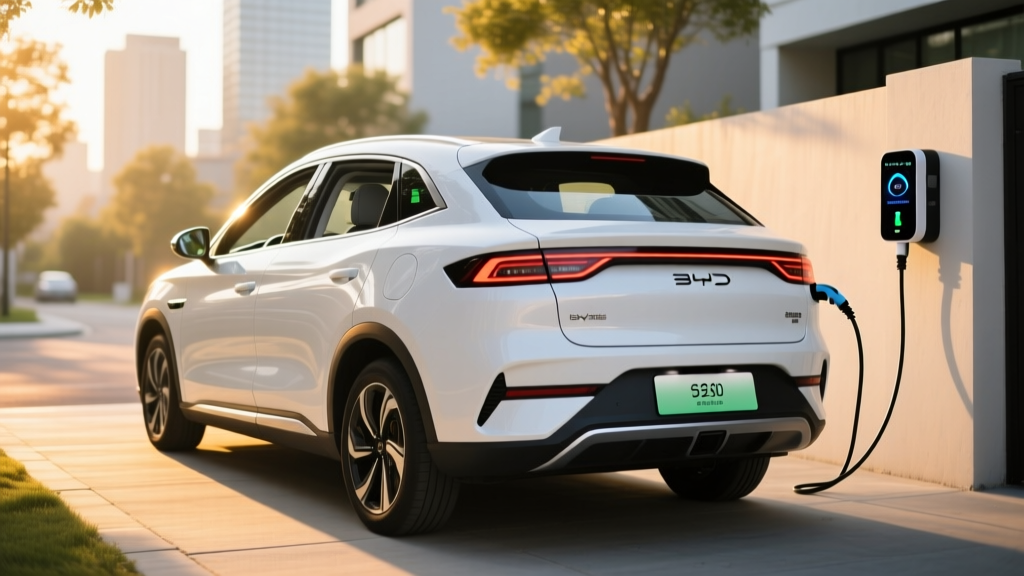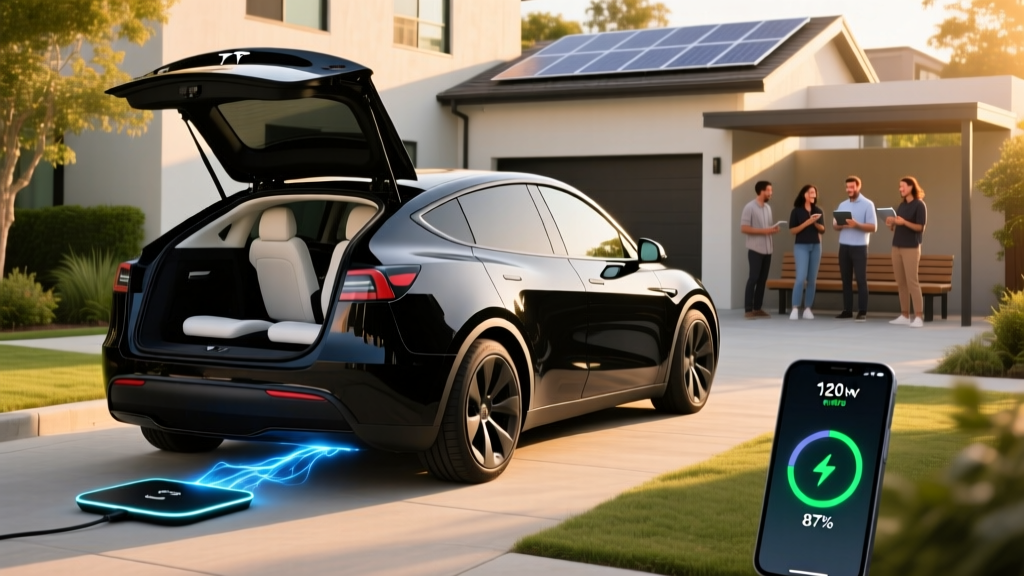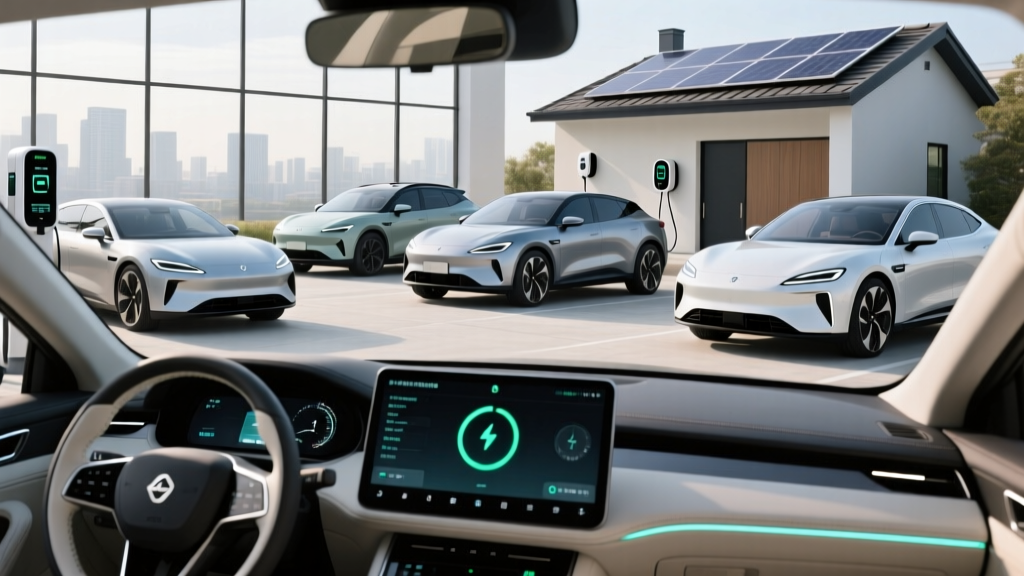
Smart electric vehicles (EVs) have evolved from niche tech experiments into highly connected, software-defined machines that rival or beat gas cars on performance, safety, and long-term cost. But "smart" means more than just a big touchscreen—it refers to advanced driver-assistance systems (ADAS), over-the-air (OTA) updates, and integrated charging ecosystems. For 2026 buyers, the core question isn't whether EVs work, but whether the math works for your specific driveway, commute, and budget.
The Bottom Line for 2026
Smart electric vehicles typically offer a 5-year total cost of ownership (TCO) that is 10-20% lower than comparable gas cars, primarily due to fuel and maintenance savings. However, this assumes you have access to Level 2 home charging. If you rely solely on public DC fast charging, your "fuel" costs can equal or exceed gas. Expect real-world range to be 15-25% lower than the EPA sticker in cold weather or at sustained highway speeds.
What Defines a "Smart" Electric Vehicle?
When we talk about smart electric vehicles, we are referring to the integration of hardware and software. Modern EVs like the Tesla Model Y, Hyundai Ioniq 5, and Ford Mustang Mach-E utilize centralized computing architectures. This allows for features like:
- OTA Updates: Improving braking, range, and UI without a dealership visit.
- Advanced ADAS: Systems like GM's Super Cruise or Ford's BlueCruise (SAE Level 2) that allow hands-off driving on mapped highways, though eyes-on supervision is still required.
- Smart Route Planning: The car preconditions the battery for fast charging based on your navigation destination.
- V2L (Vehicle-to-Load): The ability to power tools or camping gear directly from the traction battery.
The Real Cost: EV vs. Gas vs. Hybrid
Many buyers focus on the MSRP, but the real comparison is the Total Cost of Ownership (TCO). Below is a 5-year/75,000-mile projection comparing a 2026 Smart EV (e.g., Hyundai Ioniq 6 SE), a Hybrid (Toyota Camry LE), and a Gas Sedan (Honda Accord).
| Category (5-Year) | Smart EV (Ioniq 6) | Hybrid (Camry LE) | Gas (Accord 1.5T) |
|---|---|---|---|
| Purchase Price (Avg) | $42,000 | $29,000 | $30,000 |
| Federal Tax Credit (§30D) | -$3,750* | $0 | $0 |
| "Fuel" Cost (75k mi) | $4,100 (Home L2) | $5,800 (52 MPG) | $8,900 (30 MPG) |
| Maintenance | $1,200 | $3,500 | $4,200 |
| Insurance (Avg) | $9,500 | $7,200 | $7,800 |
| Est. 5-Yr TCO | $53,050 | $45,500 | $50,900 |
*Tax credit amounts vary by battery sourcing and buyer income. Always verify current IRS §30D rules.
Ownership Realities: Charging and Climate
The "smart" in smart electric vehicles only pays off if you can manage the energy. Home charging is the cornerstone of EV ownership.
- Level 1 (120V): Adds 3-5 miles of range per hour. Sufficient only for PHEVs or very low-mileage commuters.
- Level 2 (240V): Adds 25-40 miles per hour. The standard for daily home charging. Installation costs $500-$2,000 depending on panel upgrades.
- DC Fast Charging (Public): Peaks at 150-350 kW. Essential for road trips, but frequent use can accelerate battery degradation and is significantly more expensive than home power.
The Cold Weather Factor
Lithium-ion batteries are chemically less efficient in the cold. In testing at 20°F, smart EVs with heat pumps (like the Tesla Model Y or Kia EV6) lose approximately 20% of their EPA range. Without a heat pump, that loss can reach 30-40%. If you live in the northern US, buy 20% more range than you think you need.
Common EV Myths vs. Facts
| Myth | The Data-Driven Fact |
|---|---|
| "Batteries need replacing every 5 years." | Modern LFP and NMC batteries are warranted for 8 years/100,000 miles and typically retain 85-90% capacity at that point. |
| "EVs are worse for the environment." | Even on coal-heavy grids, EVs produce fewer lifecycle emissions than gas cars. On renewable grids, the benefit is 3-4x greater. |
| "Self-driving cars are here." | Consumer EVs are SAE Level 2. You must remain alert. Only Waymo/Zoox in specific geofenced areas are Level 4 (driverless). |
Decision Framework: Is a Smart EV Right for You?
- Choose a Smart EV if: You can install a Level 2 charger at home, your daily commute is under 100 miles, and you want the lowest per-mile "fuel" cost.
- Choose a PHEV if: You want electric for city driving but need gas flexibility for frequent long road trips or live in an apartment without charging.
- Stick with Gas/Hybrid if: You street-park in a city with unreliable public charging infrastructure or your budget cannot absorb the higher upfront purchase price.
Frequently Asked Questions
What happens if the battery fails out of warranty?
While rare, a full battery replacement in 2026 costs between $10,000 and $20,000 depending on the kWh capacity. However, most failures are module-specific and can be repaired for much less.
Do I qualify for the $7,500 tax credit?
Under current IRS §30D rules, the credit is often $3,750 if the vehicle meets only one of the two sourcing requirements (critical minerals or battery components). There are also MSRP caps ($55k for sedans, $80k for SUVs/trucks) and buyer income limits.
How long does it take to charge on a road trip?
Expect 20-30 minutes for a 10-80% charge at a 150+ kW DC fast charger. Smart EVs will automatically precondition the battery to reach peak charging speeds upon arrival.