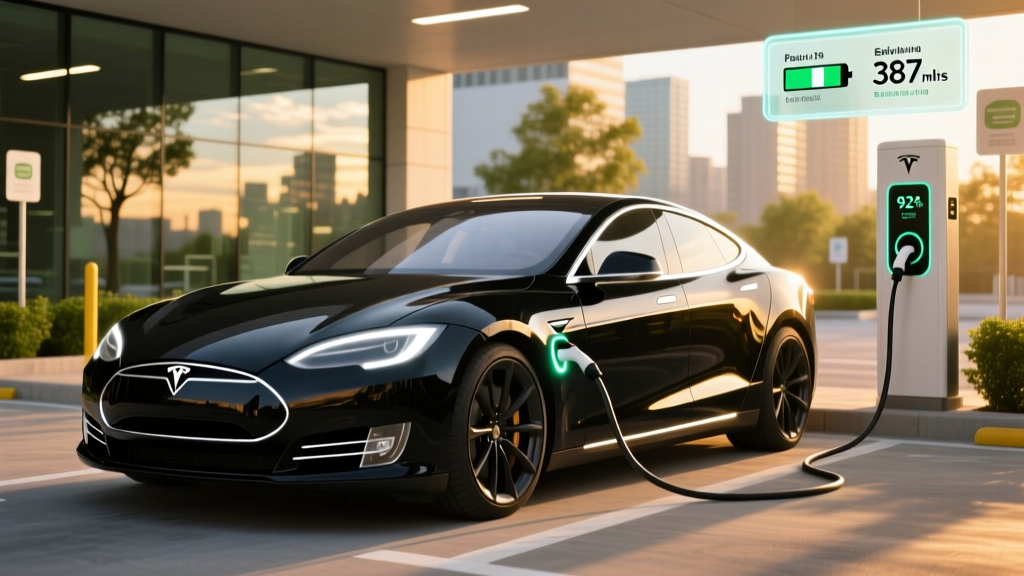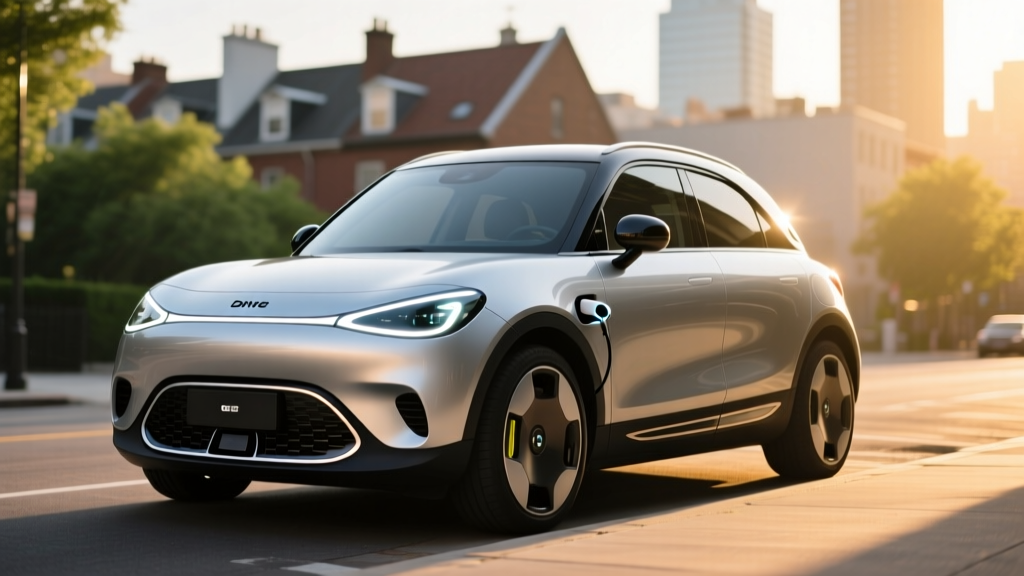
If you are searching for a smart electric drive car, you are likely looking for a modern EV that blends efficient battery-electric propulsion with advanced driver-assistance and connectivity features. In short: yes, a smart electric drive car is worth it for most daily drivers in 2026, provided you have reliable access to Level 2 home charging and your typical commute falls within the vehicle's real-world range. Buyers can expect EPA ranges between 250 and 350 miles for mainstream models, home charging costs averaging $0.12–$0.18 per kWh, and potential federal tax credits up to $7,500 if IRS §30D sourcing and income requirements are met.
The Quick Answer
A smart electric drive car replaces a traditional gas engine with a battery pack (typically 60–100 kWh) and electric motors, delivering instant torque, lower per-mile fuel costs, and integrated tech like adaptive cruise control and over-the-air updates. Expect to pay $35,000–$55,000 before incentives, spend roughly $500–$800 annually on electricity (vs. $1,800+ on gas), and budget $1,200–$2,500 for a home Level 2 charger installation.
What Defines a Smart Electric Drive Car?
The term "smart electric drive" originated with early Smart fortwo electric models, but in 2026, buyers use it to describe any modern battery-electric vehicle (BEV) that pairs a fully electric powertrain with intelligent software, connectivity, and driver-assistance systems. Unlike a plug-in hybrid (PHEV), which carries both a gas engine and a smaller battery, a true smart electric drive car runs exclusively on stored electricity.
Key characteristics include:
- Battery capacity: 60–100 kWh usable (NMC or LFP chemistry)
- EPA range: 240–370 miles depending on model and trim
- DC fast charging: Peak rates of 150–350 kW, adding 10–80% in 18–35 minutes
- Level 2 ADAS: Features like lane-centering, adaptive cruise, and automated parking (SAE Level 2 — driver supervision required at all times)
- OTA updates: Over-the-air software improvements to range, performance, and infotainment
Smart Electric Drive Car vs. Gas Car: The Numbers
The decision between a smart electric drive car and a conventional gas vehicle comes down to total cost of ownership (TCO), not just sticker price. Let's compare a representative 2026 EV (similar to a Hyundai Ioniq 6 or Tesla Model 3) against a mid-size gas sedan (like a Toyota Camry) over five years and 75,000 miles.
| Category | Smart Electric Drive Car (BEV) | Gas Sedan (ICE) |
|---|---|---|
| Base MSRP | $42,000 | $30,000 |
| Federal Tax Credit (§30D) | Up to $7,500 (if eligible) | $0 |
| Effective Purchase Price | ~$34,500 | $30,000 |
| Fuel/Energy Cost (5 yr) | $2,800 (home + public DC) | $9,400 (gas at $3.50/gal, 30 MPG) |
| Maintenance (5 yr) | $1,200 | $3,500 |
| Insurance (5 yr avg) | $8,500 | $6,800 |
| 5-Year Total Cost | ~$47,000 | ~$49,700 |
Sources: fueleconomy.gov, manufacturer MSRP data. Tax credit eligibility varies — see IRS §30D rules below.
The EV pulls ahead on fuel and maintenance savings, but higher insurance premiums and upfront cost narrow the gap. If you qualify for the full $7,500 credit and charge primarily at home, the EV wins on TCO within three to four years.
Real Costs: Purchase, Charging, and Maintenance Breakdown
Understanding the full financial picture requires looking beyond the showroom price. Here's what smart electric drive car ownership actually costs in 2026.
Purchase and Incentives
Mainstream EVs range from $32,000 (base compact models) to $65,000+ (performance or luxury trims). The IRS §30D federal tax credit offers up to $7,500, but eligibility depends on:
- MSRP caps: $80,000 for SUVs/pickups/vans; $55,000 for sedans and other body styles
- Buyer income limits: $150,000 single / $300,000 joint adjusted gross income
- Battery sourcing: Critical minerals and battery components must meet phased-in domestic/free-trade requirements that tighten annually
- Point-of-sale transfer: You can apply the credit as a dealer discount at purchase rather than waiting for tax filing
Common Misconceptions — Myth vs. Fact
| Myth | Fact |
|---|---|
| "Every EV gets the full $7,500 credit." | Many models qualify for $3,750 or $0 depending on battery component and mineral sourcing rules that change yearly. |
| "EV batteries need replacing every 5 years." | Most manufacturers warranty batteries for 8 years/100,000 miles at ≥70% capacity retention. Real-world degradation averages 10–15% over 150,000 miles. |
| "You'll be stranded without charging." | With 250+ miles of EPA range and a growing DC fast-charger network, planning a 15-minute stop every 2–3 hours on road trips is manageable for most routes. |
| "EVs cost more to insure." | True in many cases — premiums run 15–25% higher on average due to repair complexity and parts cost. Shop quotes before buying. |
Charging Costs
Your electricity rate is the single biggest variable. Here's a realistic breakdown:
| Charging Method | Cost per kWh | Cost per Mile (3.5 mi/kWh) | Annual Cost (12,000 mi) |
|---|---|---|---|
| Home Level 2 (avg US rate) | $0.14 | $0.040 | $480 |
| Home with time-of-use (off-peak) | $0.09 | $0.026 | $312 |
| Public DC Fast Charger | $0.35–$0.55 | $0.10–$0.16 | Varies by usage |
| Gas car (30 MPG, $3.50/gal) | — | $0.117 | $1,404 |
If you charge 80%+ at home, your per-mile energy cost drops to roughly one-third that of gasoline.
Maintenance
EVs eliminate oil changes, spark plugs, timing belts, and exhaust system repairs. Expect to spend on:
- Tire rotation/replacement (EVs are heavier and have instant torque, wearing tires ~20% faster): $600–$1,000 every 30,000–40,000 miles
- Cabin air filter: $30–$60 annually
- Brake fluid check: $80–$120 every 2 years
- Brake pads: Rarely needed before 100,000 miles thanks to regenerative braking
Real-World Range: What the EPA Sticker Doesn't Tell You
EPA range estimates are tested under controlled conditions. Your actual range will vary based on speed, temperature, terrain, and climate-control use. Here's what to expect from a smart electric drive car rated at 310 miles EPA:
- Mild weather, city/suburban driving: 290–320 miles (regen braking helps)
- Highway at 70–75 mph: 250–275 miles (aerodynamic drag dominates)
- Cold weather (below 32°F): 200–250 miles (battery resistance + cabin heating)
- Cold weather + highway: 180–220 miles (worst-case scenario)
Vehicles with a heat pump (standard on many 2026 models) recover 15–30 miles of cold-weather range compared to resistive heating.
Home Charging: The Make-or-Break Factor
Home Level 2 charging is the backbone of convenient EV ownership. If you can install a 240V charger at home, daily "refueling" becomes effortless — plug in at night, wake up to a full battery. But not every situation is straightforward.
| Item | Cost Range | Notes |
|---|---|---|
| Level 2 charger (hardware) | $350–$750 | 32A–48A units; brands like ChargePoint, Wallbox, Emporia |
| Electrician labor (standard install) | $500–$1,500 | Panel to garage run under 50 ft, existing 200A panel |
| Electrical panel upgrade (if needed) | $1,500–$3,500 | Required if panel is 100A or near capacity |
| Permit and inspection | $50–$250 | Varies by municipality |
| Total (typical install) | $900–$2,500 | Up to $5,500 if panel upgrade required |
Apartment and condo dwellers: If you lack dedicated parking with electrical access, public charging becomes your primary option. This raises your cost-per-mile significantly and adds time inconvenience. Weigh this honestly before purchasing.
What About Public Charging?
The US public charging network has expanded considerably. Tesla's Supercharger network (now opening to NACS-equipped non-Tesla EVs) offers the most reliable experience, with peak rates of 150–350 kW. Electrify America, EVgo, and ChargePoint cover major corridors but vary in uptime. On a road trip, expect a 10–80% DC fast charge to take 18–35 minutes depending on the vehicle's peak charge rate and the charger's output.
Charging curve reality: A car advertising "250 kW peak charging" does not sustain that rate for the full session. Most EVs peak briefly between 10–30% state of charge, then taper progressively. The 10–80% time is the more useful metric.
Decision Framework: Is a Smart Electric Drive Car Right for You?
Choose a Smart Electric Drive Car (BEV) If:
- You have access to home or workplace Level 2 charging
- Your daily driving is under 80 miles round-trip (covers 90%+ of US commutes)
- You qualify for the §30D tax credit or your state offers EV incentives
- You want the lowest per-mile operating cost and minimal maintenance
- You take road trips fewer than 4–5 times per year (or don't mind planning charging stops)
Choose a Plug-In Hybrid (PHEV) Instead If:
- You lack reliable home charging and don't want to depend on public infrastructure
- You frequently drive 300+ miles in rural areas with sparse DC charging
- You want electric-only commuting (25–45 miles) with gas flexibility for long trips
- You live in extreme cold climates where EV range loss is a daily concern
Stick With a Gas Car or HEV If:
- Your budget is under $28,000 and you need a new vehicle (EV options are limited at this price point)
- You drive 25,000+ miles annually in areas with high public electricity rates
- You tow heavy loads frequently (EVs lose 30–50% range when towing near max capacity)
What First-Time EV Buyers Must Know
Before signing a purchase agreement, verify these five items:
- Tax credit eligibility: Check the specific model year and trim on the IRS clean vehicle credit page. Sourcing rules change, and a model that qualified last year may not qualify today.
- Battery chemistry: LFP (lithium iron phosphate) batteries tolerate daily 100% charging and degrade more slowly but offer slightly less range per kWh. NMC/NCA batteries provide higher energy density but are best kept between 20–80% for daily use.
- Warranty terms: Federal law mandates a minimum 8-year/100,000-mile battery warranty. Confirm the capacity retention threshold — most manufacturers guarantee ≥70% of original capacity.
- Insurance quotes: Get quotes for the exact trim before purchasing. Some EVs cost 20–30% more to insure than their gas equivalents.
- Charger compatibility: Confirm whether the vehicle uses NACS (Tesla-style), CCS1, or CHAdeMO, and verify that chargers in your area support it. Most 2026 models from non-Tesla automakers have transitioned to NACS.
Frequently Asked Questions
How long do smart electric drive car batteries last?
Most modern EV batteries are designed to last 15–20 years or 150,000–200,000 miles before degrading below 70% of original capacity. Replacement costs, if needed out of warranty, range from $8,000 to $18,000 depending on battery size and chemistry, though full replacements remain uncommon.
Can I charge a smart electric drive car on a regular household outlet?
Yes, using Level 1 (120V) charging, but it's slow — typically 3–5 miles of range per hour of charging. For a 75 kWh battery, a full charge from empty takes 15–25 hours. Level 1 works for low-mileage drivers or as a backup, but a 240V Level 2 installation is strongly recommended.
Do smart electric drive cars lose range in winter?
Yes. Expect 20–35% range reduction in sustained freezing temperatures due to increased battery internal resistance and cabin heating demand. Preconditioning the battery while plugged in and using seat/steering wheel heaters (which draw less power than cabin air heating) can mitigate losses by 10–15%.
Is a smart electric drive car safer than a gas car?
EVs generally perform well in crash testing. The low-mounted battery pack lowers the center of gravity, reducing rollover risk. Check IIHS and NHTSA ratings for specific models. Battery fire risk in EVs is statistically lower than gas-vehicle fire risk per vehicle-mile traveled, though EV fires can be more difficult to extinguish.
What happens if I run out of charge on the road?
Modern EVs provide extensive range warnings and will navigate you to the nearest charger. If you do deplete the battery completely, the vehicle will need a flatbed tow to a charging station — you cannot use a standard tow dolly as the electric motors can be damaged. Roadside assistance plans from manufacturers typically cover this scenario.