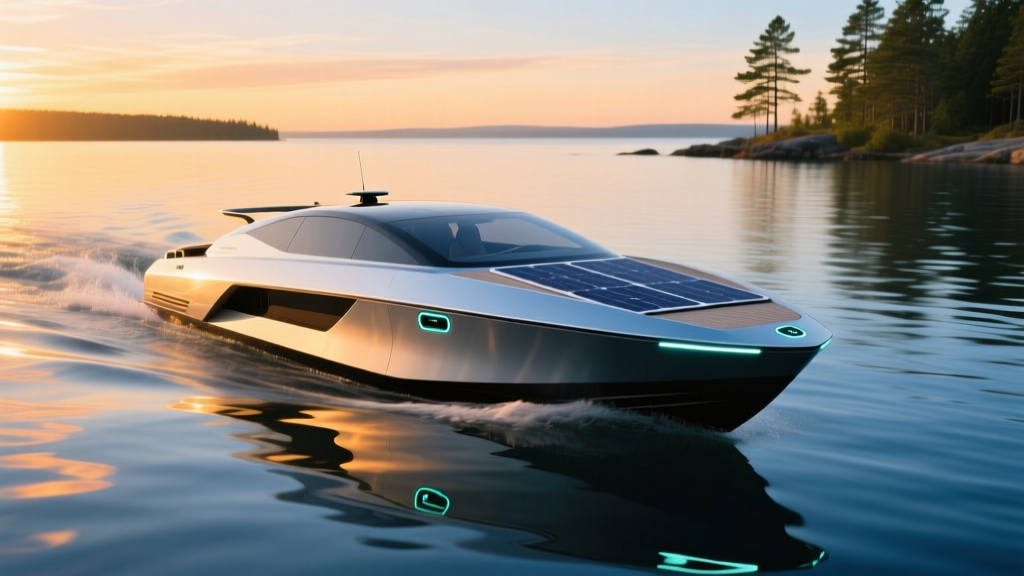
Small boats with electric motors are no longer a niche curiosity — in 2026, a growing lineup of electric outboards and dedicated electric hulls offers viable alternatives to gas-powered runabouts for lakes, rivers, and calm coastal waters. But before you swap your 4-stroke outboard for a battery-powered drive, you need hard numbers on range, charging logistics, and total cost of ownership.
The Short Answer
Small boats with electric motors (typically 5–20 kW outboards or integrated drives) deliver 15–45 miles of range on a single charge depending on battery capacity (5–20 kWh), speed, and hull design. Expect to pay $8,000–$35,000 for a complete electric boat package. They excel for lake fishing, short day cruising, and no-wake zones — but are not yet practical for long offshore runs or watersports requiring sustained high-speed operation. Charging is straightforward via standard 120V or 240V shore power, taking 4–10 hours depending on battery size and charger level.
What Are Small Boats with Electric Motors?
The category breaks into three distinct product types, each with different use cases and price points:
Electric outboards on existing hulls: Companies like Torqeedo, ePropulsion, and Flux Marine produce drop-in electric outboard motors (3–20 kW) that mount on transoms designed for gas engines. A 6 kW Torqeedo Cruise, for example, pairs with a 5.7 kWh Power 48V battery for roughly 20–30 miles at displacement speed.
Purpose-built electric boats: Manufacturers such as X Shore, Candela, and smaller US builders like Flux and Random Lengths design hulls optimized for electric propulsion — lighter weight, lower drag, sometimes hydrofoiling. The Candela C-8 uses a 44 kWh battery and hydrofoil design to achieve up to 57 nautical miles at 22 knots.
Trolling motors and micro-drives: For kayaks, canoes, and small pontoons, 0.5–3 kW trolling motors (Minn Kota, Lowrance) with 1–3 kWh battery packs provide 4–8 hours of low-speed operation. These are the most accessible entry point, starting around $1,500 for motor and battery combined.
Electric Boat vs Gas Outboard: The Numbers
The comparison below uses a typical 16-foot aluminum fishing boat as the baseline — the kind of vessel a recreational angler or weekend lake user would own.
| Metric | Electric (6 kW Outboard + 5.7 kWh Battery) | Gas (25 HP 4-Stroke Outboard) |
|---|---|---|
| Upfront cost (motor + fuel system/battery) | $6,500–$8,500 | $3,800–$5,000 |
| Top speed | 6–8 mph (displacement hull) | 25–30 mph |
| Cruising range | 20–30 miles at 4–5 mph | 80–120 miles on 6-gal tank |
| Energy/fuel cost per outing (4 hrs) | $0.60–$1.20 (electricity at $0.14/kWh) | $8–$15 (gas at $3.50/gal, ~2 gal/hr) |
| Annual maintenance | $0–$50 (no oil, filters, impeller) | $200–$400 (oil change, lower unit, winterization) |
| Noise level at cruising speed | ~50 dB (conversation-level) | ~80 dB (lawnmower-level) |
| Weight (motor + energy storage) | ~130 lbs (motor 40 lbs + battery 90 lbs) | ~170 lbs (motor 150 lbs + fuel 40 lbs) |
| Emissions at point of use | Zero | CO, HC, NOx (EPA Tier 3 compliant) |
The gas outboard wins decisively on top speed and range. The electric setup wins on operating cost, maintenance, noise, and zero local emissions — which matters on lakes with noise restrictions or environmentally sensitive waterways.
Range Reality: What the Battery kWh Actually Gets You
Just as with EVs on the road, the kWh rating of a marine battery tells you the energy available — but real-world range depends heavily on speed, hull type, payload, wind, and current. Here's what to expect from common configurations:
| Battery Capacity | Motor Size | Speed | Estimated Range | Runtime |
|---|---|---|---|---|
| 1 kWh (trolling motor) | 0.5–1 kW | 2–3 mph | 6–10 miles | 3–5 hours |
| 5.7 kWh (Torqeedo Power 48V) | 6 kW (Cruise) | 4–5 mph | 20–30 miles | 5–7 hours |
| 10 kWh (ePropulsion Navy) | 10 kW | 6–8 mph | 25–40 miles | 4–5 hours |
| 20 kWh (Flux integrated) | 15 kW | 8–12 mph | 35–50 miles | 3–4 hours |
| 44 kWh (Candela C-8, foiling) | 55 kW | 22 knots (25 mph) | 57 nmi (66 mi) | 2.5 hours |
Real-World Range Caveats
These figures assume calm water, moderate payload (2–3 adults), and no headwind. Add 200 lbs of gear, face a 10-knot headwind, or fight a 2-knot river current, and range drops 20–35%. Planing hulls consume exponentially more energy than displacement hulls at speed — pushing a 6 kW motor to full throttle can drain a 5.7 kWh battery in under 45 minutes.
Charging Your Electric Boat: Shore Power and Logistics
Unlike electric cars with a growing DC fast-charging network, electric boats rely almost entirely on AC charging at the dock, at home, or via portable generators. Here's the practical breakdown:
Level 1 (120V standard outlet): Most small electric outboards include a 120V charger rated at 0.5–1 kW. A 5.7 kWh battery takes 6–10 hours to charge from empty. This works fine if your boat sits at a dock with shore power overnight.
Level 2 (240V): Higher-capacity systems like the Torqeedo Fast Charger or ePropulsion 240V option deliver 2–3.3 kW, cutting charge time to 2–4 hours for a 5.7–10 kWh pack. Requires a 240V outlet at your dock or garage — the same NEMA 14-50 outlet used for home EV charging.
Portable generators: For remote lakes without shore power, a small inverter generator (2–3 kW) can serve as a range extender, adding roughly 10–15 miles of range per hour of generator runtime. This partially defeats the zero-emission benefit but solves range anxiety on multi-day trips.
Solar trickle charging: A 200–400W solar panel array can add 1–2 kWh per day on a sunny dock, enough to offset standby losses and extend range slightly. Not practical as a primary charging source for larger batteries.
If you trailer your boat home, charging in your garage on a standard 120V outlet is the most common setup. The same electrical considerations that apply to home EV charging — panel capacity, dedicated circuits, GFCI protection near water — apply here. Consult a licensed electrician for 240V dock installations, which must meet NEC Article 555 requirements for marina electrical systems.
Total Cost of Ownership: 5-Year Breakdown
Let's compare the 5-year cost of owning a small electric boat versus a gas-powered equivalent, assuming 50 outings per year (roughly one per week during boating season) with 4-hour average outings.
| Cost Category | Electric (6 kW + 5.7 kWh) | Gas (25 HP 4-Stroke) |
|---|---|---|
| Purchase price (motor + battery/fuel system) | $7,500 | $4,500 |
| Boat hull (16' aluminum, same for both) | $5,000 | $5,000 |
| Energy/fuel (50 outings × 4 hrs × 5 yrs) | $450 (at $0.14/kWh) | $4,375 (at $3.50/gal) |
| Maintenance (5 years) | $150 | $1,500 |
| Battery replacement (year 8+, not in 5-yr window) | $0 | N/A |
| Insurance (annual avg) | $350/yr ($1,750 total) | $300/yr ($1,500 total) |
| 5-Year Total | $14,850 | $16,875 |
| Cost per outing | $59 | $68 |
The electric setup costs roughly $3,000 more upfront but saves about $5,000 in energy and maintenance over five years — netting approximately $2,000 in savings by year five. The break-even point typically arrives around year 3–4. After that, the electric boat's lower operating costs compound.
Battery longevity note: Marine lithium batteries (typically LiFePO4 / LFP chemistry) are rated for 2,000–3,000 charge cycles before reaching 80% capacity. At 50 cycles per year, that's 40–60 years of service life — though calendar aging means realistic replacement at 10–15 years. Replacement cost for a 5.7 kWh pack runs $3,000–$4,500 in 2026.
Common Misconceptions About Electric Boats
| Myth | Fact |
|---|---|
| "Electric boats can't go fast enough" | For planing speeds, gas still dominates. But displacement cruising at 5–8 mph covers most fishing, wildlife watching, and lake-day use cases perfectly — and hydrofoiling designs like Candela reach 25+ mph efficiently. |
| "Batteries are dangerous on water" | Marine-grade LiFePO4 batteries are sealed to IP67, include BMS (battery management systems) with thermal cutoffs, and are less likely to cause fire than a gas tank with fuel vapors. ABYC (American Boat & Yacht Council) standards govern marine battery installations. |
| "You'll get stranded with a dead battery" | Range planning matters, just like with gas. Most electric boaters charge at the dock between outings. For extended trips, a small backup generator or a second battery pack provides insurance. Running out of electric range on a lake is no different from running out of gas — it's a planning failure, not a technology failure. |
| "Electric motors don't have enough torque" | Electric motors deliver peak torque at zero RPM — the opposite of gas engines. This makes them excellent for maneuvering at low speeds, docking, and pushing through weeds or current. |
| "The environmental benefit is zero if the grid uses fossil fuels" | Even on a 50% fossil-fuel grid, an electric boat produces significantly less CO2 per mile than a gas outboard, because large power plants are more efficient than small 2-stroke or 4-stroke engines. As grids decarbonize, the benefit grows. |
Decision Framework: Is an Electric Boat Right for You?
Choose Electric If:
- You boat primarily on lakes, ponds, or slow-speed rivers with no-wake or electric-only restrictions
- Your typical outing is under 25 miles round-trip at displacement speeds
- You have dock access with shore power, or can trailer the boat home to charge
- Silence and zero local emissions matter to you (fishing, wildlife photography, residential waterfronts)
- You want minimal maintenance — no winterization, no fuel stabilizer, no lower-unit gear oil
- You're willing to accept a 5–8 mph top speed for most use cases
Stick with Gas If:
- You need planing speeds (20+ mph) for watersports, skiing, or quick transit
- Your outings regularly exceed 40–50 miles or involve open-water crossings
- You boat in remote areas with no shore power and no practical way to charge
- You need high-thrust operation in strong currents or tidal waters
- Your budget is under $4,000 for the motor — gas outboards in the 10–25 HP range remain cheaper upfront
Consider a Hybrid Approach:
Some boaters are adopting a dual-setup: an electric trolling motor for quiet fishing and a small gas outboard for transit to and from the fishing spot. This gives the best of both worlds at the cost of added weight and complexity.
What First-Time Electric Boat Buyers Should Know
1. Battery chemistry matters. Marine electric systems overwhelmingly use LFP (lithium iron phosphate) rather than the NMC (nickel manganese cobalt) chemistry common in EVs. LFP is heavier per kWh but far more stable — it won't thermal-runaway if punctured, which is a critical safety advantage on water. Don't accept NMC batteries in a marine application unless the manufacturer has robust containment engineering.
2. The motor's kW rating is not directly comparable to gas HP. A 6 kW electric motor delivers roughly 8 HP equivalent at the propeller, but because electric torque is instant and doesn't require a gearbox, it often feels more powerful than a similarly rated gas engine at low speeds. At high RPM, however, gas engines still deliver more sustained power per dollar.
3. No federal tax credit applies (yet). The IRS §30D clean vehicle credit covers highway-capable vehicles with four wheels. Electric boats do not qualify. Some states and local utilities offer rebates for electric marine equipment — check your state energy office and local utility programs. The IRS §30D page details eligible vehicle categories.
4. Winter storage is simpler but not zero-effort. You won't need to fog the engine or drain fuel lines, but lithium batteries should be stored at 40–60% state of charge in temperatures above freezing. Most BMS-equipped marine batteries include low-temperature charge protection, but leaving a fully charged pack at -10°F for months will accelerate calendar degradation.
5. Insurance is evolving. Marine insurers like BoatUS and GEICO Marine now cover electric boats, but some underwriters still classify them as "non-standard" and charge a 10–20% premium over equivalent gas-powered vessels. Get quotes before purchasing — the premium may narrow your break-even timeline.
Frequently Asked Questions
Can I convert my existing gas boat to electric?
Yes, in many cases. If your boat uses a standard transom-mount outboard, you can remove the gas engine and install an electric outboard like a Torqeedo Cruise or ePropulsion Navy. You'll need to add a marine-rated battery in a secure, ventilated compartment and wire it to a shore-power charger. Conversion costs typically run $5,000–$10,000 including motor, battery, charger, and wiring. The result is quieter, cleaner, and cheaper to operate — but with reduced top speed and range compared to the gas original.
How long do electric boat batteries last?
LFP marine batteries are rated for 2,000–3,000 full charge cycles to 80% capacity. At 50 outings per year, that translates to 40+ years of cycle life. Calendar aging is the more realistic limiting factor — expect 10–15 years of useful service before capacity drops below 80% and range becomes noticeably reduced. Replacement cost in 2026 runs $500–$800 per kWh for marine-grade LFP packs.
Are electric boats allowed on all lakes?
Electric boats are allowed everywhere gas boats are — and they're the only option on an increasing number of lakes that ban gas motors entirely. Many municipal reservoirs, wildlife refuges, and small community lakes restrict propulsion to electric-only to reduce noise and prevent fuel contamination. Check your local waterway regulations via your state's DNR or parks department.
What happens if I run out of battery on the water?
You drift — same as running out of gas. Responsible electric boaters plan their range with a 20–30% reserve, just as gas boaters should carry spare fuel. Many electric outboards include a low-battery limp mode that limits speed to 2–3 mph to extend your remaining range. For peace of mind, carry a small foldable paddle or a compact 1 kW backup generator.
How do electric boats compare to electric cars in terms of technology maturity?
Electric boats are roughly where electric cars were in 2012–2014: viable for specific use cases, with a handful of strong products, but without the charging infrastructure or economies of scale that have driven EV cars mainstream. Marine environments add complexity — waterproofing, corrosion resistance, and the physics of moving through water (which is 800× denser than air) — that make efficiency gains harder. Expect rapid progress through 2030, particularly in hydrofoiling hull designs that dramatically reduce drag.