Quick Answer: Should You Get Electric?
If you can charge at home, drive under 250 miles daily, and qualify for the federal §30D tax credit, switching to an EV in 2026 will likely save you $4,000–$8,000 over five years compared to a comparable gas car. If you lack reliable home charging, regularly drive in extreme cold, or frequently tow heavy loads over long distances, a plug-in hybrid (PHEV) may be the smarter bridge. The math works best for suburban homeowners with Level 2 access and moderate commutes.
The Real Decision: What Does It Actually Take to Get Electric?
The phrase "get electric" gets tossed around as if it's a single decision. It isn't. Going electric in 2026 means evaluating four interconnected variables: your daily mileage, your charging access, your local electricity rate, and whether you qualify for incentives. Skip any one of these and the ownership experience can range from effortless to genuinely frustrating.
Here's what we know from current 2026 model-year data: the median new EV offers between 250 and 340 miles of EPA-rated range, charges from 10–80% in roughly 18 to 30 minutes at a DC fast charger rated 150 kW or higher, and costs between $33,000 and $55,000 before incentives. Those numbers have improved dramatically since 2020, but they still don't tell the whole story.
Real-world range routinely falls 10–15% below EPA estimates during sustained highway driving at 70+ mph. In freezing temperatures (below 25°F), expect a 20–30% reduction unless the vehicle is equipped with a heat pump. A 310-mile EPA rating might mean 260 miles on a cold winter highway trip — still adequate for most drivers, but something to plan around.
EV vs Gas vs Hybrid: The Numbers Side by Side
Let's compare three realistic 2026 options in the compact SUV segment — a battery-electric vehicle (BEV), a conventional hybrid (HEV), and a gasoline car — using data from fueleconomy.gov and current manufacturer pricing.
| Metric | BEV (e.g., Hyundai Ioniq 5) | HEV (e.g., Toyota RAV4 Hybrid) | Gas (e.g., Mazda CX-5) |
|---|---|---|---|
| Base MSRP | $42,600 | $33,500 | $29,500 |
| EPA Efficiency | 114 MPGe / 30 kWh/100mi | 40 MPG combined | 28 MPG combined |
| Energy Cost per Mile | $0.043 (at $0.13/kWh) | $0.088 (at $3.50/gal) | $0.125 (at $3.50/gal) |
| Annual Fuel/Energy (12k mi) | $516 | $1,050 | $1,500 |
| Annual Maintenance Estimate | $300 | $550 | $700 |
| Fed. Tax Credit (§30D) | Up to $7,500* | None | None |
| 5-Year Total Energy + Maint. | ~$4,080 | ~$8,000 | ~$11,000 |
*§30D eligibility depends on MSRP caps, buyer income limits, and battery sourcing requirements. See IRS guidelines for current rules. Point-of-sale transfer is available at participating dealers.
The EV's higher sticker price is substantially offset by the tax credit and lower operating costs. Over five years and 60,000 miles, the BEV in this comparison saves roughly $6,900 in energy and maintenance versus the gas car — enough to close most of the initial price gap even without the credit.
Breaking Down the Full Cost of Getting Electric
Purchase price and fuel savings only tell part of the story. Here's a realistic five-year ownership cost breakdown for someone buying a mid-range EV in 2026.
| Cost Category | EV (Mid-Range SUV) | Gas Equivalent | Notes |
|---|---|---|---|
| Purchase Price (after credit) | $35,100 | $29,500 | Assumes $7,500 §30D applied |
| Home Charger Install (Level 2) | $800–$2,000 | $0 | 240V/48A circuit; panel upgrade adds $1,500–$3,000 |
| 5-Year Energy/Fuel | $2,580 | $7,500 | 12,000 mi/yr; $0.13/kWh vs $3.50/gal |
| 5-Year Maintenance | $1,500 | $3,500 | No oil, fewer brake replacements (regen) |
| Insurance (5-yr avg) | $9,500 | $7,800 | EV premiums run 15–25% higher on average |
| Depreciation (est. 5-yr) | $14,000 | $12,500 | EV resale values stabilizing but still softer |
| 5-Year Total Cost of Ownership | ~$63,480–$65,680 | ~$60,800 |
The honest takeaway: EVs are not universally cheaper. The total cost of ownership is competitive, sometimes lower, but the savings depend heavily on your electricity rate, whether you qualify for the tax credit, and how long you keep the vehicle. Hold an EV for eight years and the math tilts decisively in your favor. Trade it in after two and you'll likely lose money on depreciation.
Charging Access: The Make-or-Break Factor
The single biggest predictor of EV satisfaction is whether you can charge at home. This isn't a minor convenience — it's the difference between never thinking about fuel and actively planning your life around charging stops.
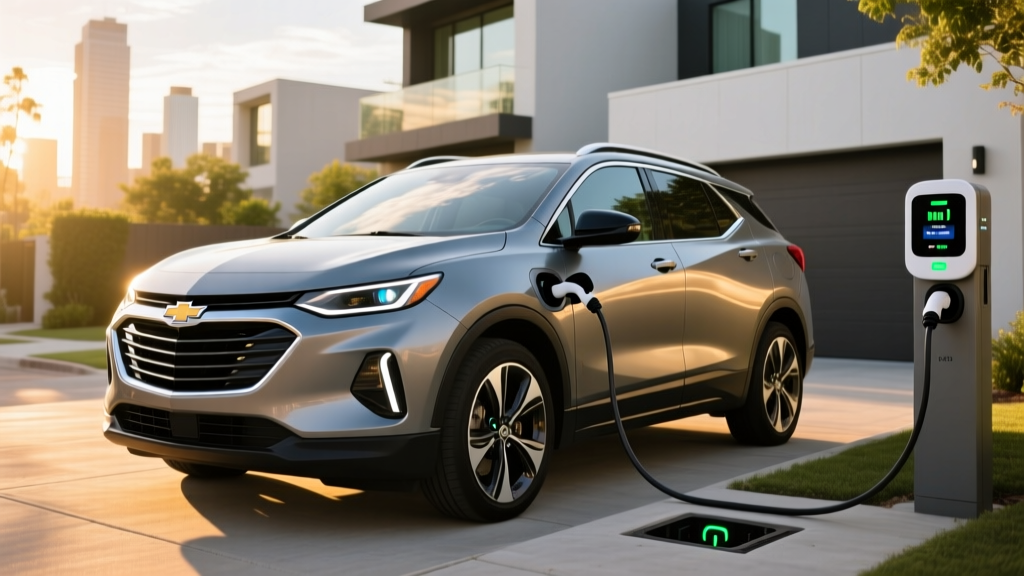
Home Level 2 charging (240V, 32–48A): Adds roughly 25–37 miles of range per hour of charging, or 7.2–11.5 kW of power delivery. An overnight charge of 8 hours easily replenishes 200+ miles. Installation typically costs $800–$2,000 for the electrician work and a quality Level 2 unit (Emporia, ChargePoint, or Wallbox), assuming your electrical panel has spare capacity.
DC fast charging (public, 150–350 kW): A modern EV with an 84 kWh NMC battery can accept peak rates of 200–250 kW, adding 10–80% in roughly 18–25 minutes. However — and this is critical — peak kW is not sustained kW. Charging speed tapers significantly above 80% state of charge to protect the battery. A "250 kW" charge session might average only 120–140 kW across the full 10–80% window.
If you cannot charge at home: Relying solely on public charging is viable but expensive (DC fast charging costs $0.30–$0.55/kWh in most markets, roughly tripling your per-mile energy cost versus home charging) and time-consuming. If your only option is apartment living without charger access, a PHEV with 30–40 miles of electric range and a gas backup is a more practical choice.
Federal Tax Credits and Incentives: What You Actually Qualify For
The §30D clean vehicle credit can reduce your tax liability by up to $7,500 for a new EV purchase, but the eligibility rules are specific and change periodically. Here's the current framework as of 2026:
- MSRP cap: Vans, SUVs, and pickups must be under $80,000; sedans under $55,000.
- Buyer income cap: Modified AGI must not exceed $150,000 (single), $225,000 (head of household), or $300,000 (joint).
- Battery sourcing: The $7,500 credit is split into two halves — $3,750 for meeting critical minerals requirements and $3,750 for battery component sourcing. Vehicles may qualify for $3,750 or the full $7,500 depending on their supply chain.
- Point-of-sale transfer: You can transfer the credit to the dealer at purchase, reducing your out-of-pocket cost immediately rather than waiting to claim it on your tax return.
- Used EV credit: A separate credit of up to $4,000 (30% of sale price) is available for qualifying used EVs under $25,000.
Always verify eligibility on the vehicle's specific VIN at fueleconomy.gov before purchasing. Manufacturer qualification can change mid-year as sourcing requirements tighten.
Common Misconceptions About Going Electric
| Myth | Fact |
|---|---|
| "EV batteries need replacing every few years." | Modern NMC and LFP batteries degrade roughly 1–2% per year. Federal warranty mandates require 8 years/100,000 miles of coverage with at least 70% capacity retention. Most batteries outlast the vehicle. |
| "EVs are worse in winter." | Range drops 20–30% in sub-freezing temps, but EVs start reliably (no cold-crank issues), and preconditioning while plugged in recovers much of the loss. Heat pumps, now standard on many 2026 models, reduce cabin-heating energy draw. |
| "There aren't enough chargers." | The U.S. has over 200,000 public charging ports as of 2026. The real issue is distribution — rural corridors and apartment complexes remain underserved. Tesla's Supercharger network (now NACS) has opened to most non-Tesla EVs. |
| "EVs are worse for the environment because of the grid." | Even on coal-heavy grids, EVs produce fewer lifecycle emissions than gas cars per EPA and Argonne National Lab analysis. As the grid decarbonizes, EVs get cleaner over time; gas cars never do. |
| "Charging takes too long." | At home, you spend zero extra time — you plug in when you arrive and wake up full. On road trips, a 20-minute DC fast charge every 2–3 hours aligns naturally with rest stops. |
Decision Framework: Who Should Get Electric in 2026?
Choose a Battery-Electric Vehicle (BEV) If:
- You have access to home or workplace Level 2 charging
- Your daily driving is under 200 miles round-trip
- You qualify for the §30D tax credit (income and vehicle MSRP within caps)
- You want the lowest per-mile operating cost and minimal maintenance
- You plan to keep the vehicle 5+ years to amortize the higher purchase price
Choose a Plug-In Hybrid (PHEV) If:
- You can charge at home but frequently take road trips over 300 miles
- You live in an area with sparse DC fast-charging infrastructure
- You need towing capability without range compromise
- You want electric-only commuting (30–45 miles) with gas flexibility
Wait or Choose a Gas/HEV Vehicle If:
- You have no access to home or workplace charging and rely on street parking
- Your budget is under $25,000 and the used EV market in your area is thin
- You regularly drive in extreme cold (below 0°F) for long distances
- You exceed income caps for the tax credit and cannot absorb the price premium
What First-Time EV Buyers Should Know Before Signing
Beyond the sticker price and the range number on the window sticker, here are the practical ownership realities that catch new EV buyers off guard:
Insurance costs more. EV premiums average 15–25% higher than equivalent gas vehicles, driven by higher repair costs and battery replacement risk. Get quotes before purchasing — the difference can be $300–$600/year.
Your electrical panel might need upgrading. A Level 2 charger requires a dedicated 40–60A circuit. If your home's panel is already near capacity (common in older homes with 100A service), a panel upgrade to 200A can add $1,500–$3,000 to your installation cost. Have an electrician assess this before you buy the car.
Tires wear faster. EVs are heavier (battery mass) and deliver instant torque, which accelerates tire wear by roughly 20%. Budget for tire replacement every 30,000–40,000 miles instead of the 50,000+ miles typical for gas cars.
Regenerative braking changes how you drive. Most EVs offer adjustable regen levels, and many drivers adapt to "one-pedal driving" within a week. It reduces brake pad wear dramatically — many EV owners go 80,000+ miles without a brake job.
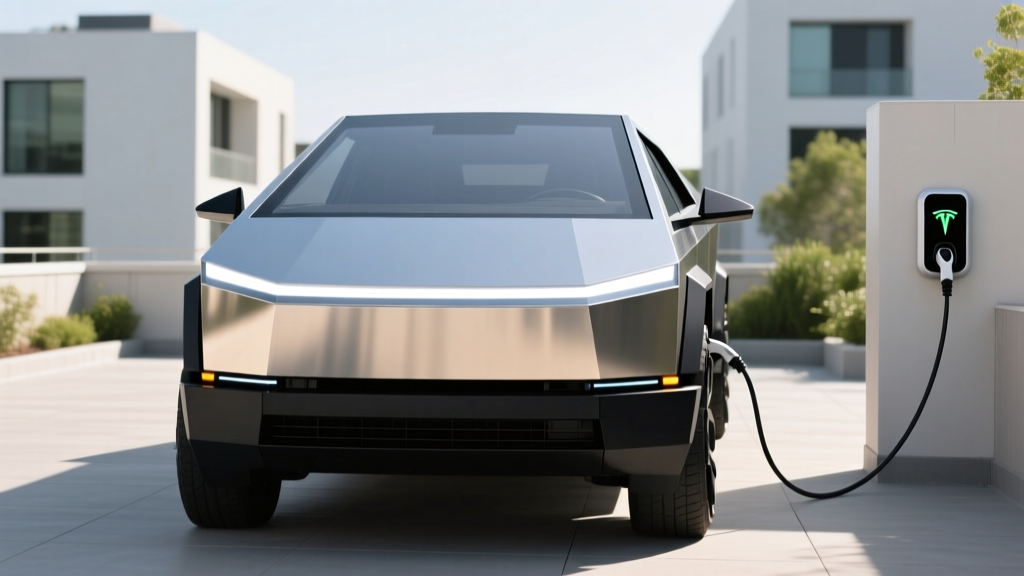
Not all chargers are equal. Connector types matter. The North American Charging Standard (NACS), pioneered by Tesla, is now the dominant connector for 2026 model-year vehicles. Most legacy CCS-equipped vehicles can use NACS stations via adapter, and new models ship with NACS ports natively. Verify your vehicle's connector before planning road trips.
How much does it cost to charge an EV at home per month?
At the U.S. average residential rate of $0.13/kWh and 1,000 miles of monthly driving, expect to pay roughly $40–$50 per month. That compares to $100–$130 in gasoline for a 28 MPG vehicle over the same distance.
Will my EV battery need to be replaced?
Statistically unlikely during typical ownership. Data from fleet studies shows average degradation of 1–2% per year for NMC batteries and even less for LFP chemistry. At year 10, most EVs retain 80–88% of original capacity. Federal law mandates battery warranty coverage of 8 years/100,000 miles minimum.
Can I take an EV on a road trip?
Yes, with planning. A 2026 EV with 300 miles of EPA range and 200+ kW DC fast-charging capability can cover 500 miles in a day with two 20-minute charging stops. Apps like A Better Routeplanner and PlugShare make route planning straightforward. The experience is different from gas — you'll stop slightly more often but for shorter, more purposeful breaks.
Is a used EV a good idea?
Used EVs can be excellent value, especially 2–3 year-old models that have already absorbed the steepest depreciation. Check the battery's state of health (SoH) through the vehicle's diagnostics or a dealer scan. The used EV tax credit (up to $4,000) applies to vehicles sold for $25,000 or less through a licensed dealer.
What happens if I run out of charge?
Range depletion is rare with modern 250+ mile EVs and decent route planning, but it does happen. Most manufacturers include roadside assistance that covers towing to the nearest charger. Unlike running out of gas, you cannot bring a "can of electrons" — you'll need a tow or a mobile charging service (available in some metro areas).