Quick Verdict: Who the R1T Waypoint Is For
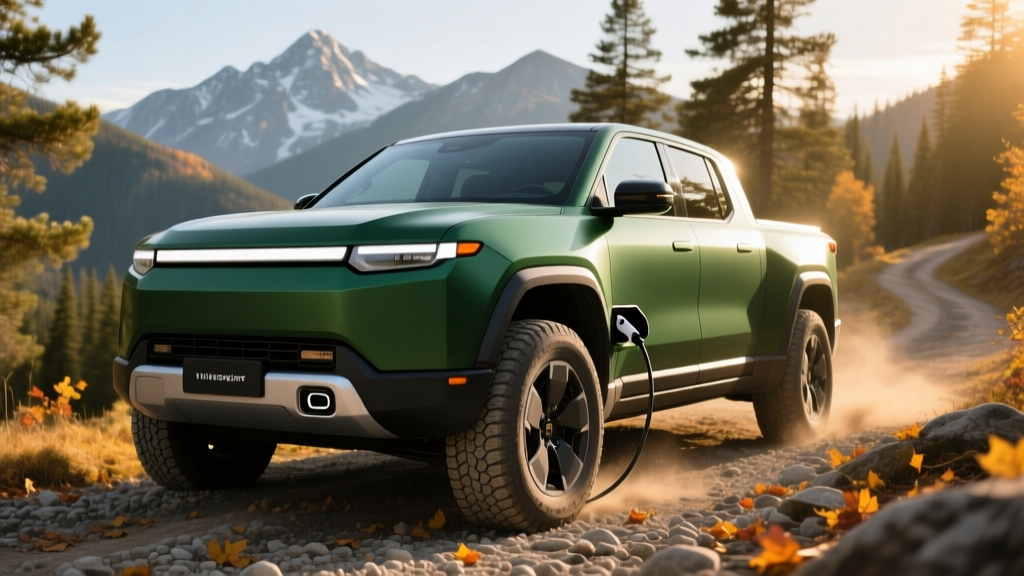
The Rivian R1T Waypoint is a limited-edition adventure variant of the dual-motor R1T pickup, built on Rivian's second-generation (Gen 2) platform. It pairs the Max battery pack — a 149 kWh (usable) NMC (nickel manganese cobalt) pack — with a curated set of off-road and overlanding upgrades including an integrated bed kitchen, enhanced underbody armor, and exclusive Waypoint livery. If you need an electric pickup that can tow, camp, and daily-drive without compromise on range, the Waypoint occupies a niche no other EV currently fills. If you're simply looking for a commuter truck, the standard R1T Dual-Motor Large pack is a smarter financial choice.
Range, Efficiency & the Real-World Reality
Real-World Expectation: ~340–370 mi highway at 70 mph; ~280–310 mi when towing a 5,000-lb trailer; ~310–340 mi in sub-30°F winter conditions
The Waypoint uses the same powertrain and battery as the R1T Dual-Motor Max, so EPA figures mirror the standard Max-pack R1T. The 420-mile sticker is genuinely achievable in mixed city/suburban driving at moderate speeds, where regenerative braking recovers energy and aerodynamic drag stays manageable.
However, the R1T's tall, flat-fronted profile creates significant aero drag at highway speeds. On a 70-mph interstate run in 65°F weather, expect roughly 15–20% below EPA — landing around 340–370 miles. Towing is where the physics bite hardest: pulling a 5,000-lb camper at highway speed can cut range by 30–40%, dropping effective range to 250–290 miles depending on terrain and wind. This is consistent with real-world towing tests across the EV pickup segment.
In cold weather (below 30°F), battery chemistry and cabin heating reduce range by roughly 20–30%. The Gen 2 R1T's heat pump helps mitigate this compared to resistive heating, but winter range still settles around 310–340 miles in mixed driving. Preconditioning the battery while plugged in is essential for preserving range and enabling peak DC charge rates in cold conditions.
| Spec | Value |
|---|---|
| EPA Range | 420 miles (Max pack) |
| Battery (Usable) | 149 kWh, NMC chemistry |
| Drivetrain | Dual-Motor AWD |
| Horsepower | 665 hp |
| Torque | 829 lb-ft |
| 0–60 mph | ~4.5 seconds |
| Max DC Fast Charge | 220 kW (peak) |
| 10–80% DC Charge | ~30 minutes |
| Level 2 Home Charge | 11.5 kW (~25 mi/hr) |
| MPGe (Combined) | 73 MPGe |
| Efficiency | 46 kWh/100 mi |
| Max Towing | 11,000 lbs |
| Payload | ~1,760 lbs |
| Bed Length | 54.7 in (4.5 ft) |
| Cargo Volume (Gear Tunnel) | 11 cu ft |
| Frunk | 11 cu ft |
| Base MSRP (Waypoint) | $89,900 (est., before destination) |
| Federal Tax Credit (§30D) | Up to $7,500 (eligibility varies) |
| Battery Warranty | 8 years / 175,000 miles |
| Powertrain Warranty | 8 years / 175,000 miles |
Charging Speed: DC Fast, Level 2 & the Curve Reality
Rivian's Gen 2 platform supports a peak DC fast-charge rate of 220 kW on NACS (the Tesla-standard connector, which Rivian adopted beginning with 2025 models). At a 350 kW-class station — such as Electrify America or Tesla Supercharger V4 stalls — the R1T Waypoint can add roughly 140 miles of range in 15 minutes under ideal conditions.
But peak kW is not sustained kW. The charge curve tapers progressively: you'll see 200+ kW from roughly 10–35% state of charge (SoC), then a step down to ~150 kW through 60%, and further tapering above 80%. The 10–80% charge takes approximately 30 minutes. Charging from 80–100% adds another 25–35 minutes due to the slow top-off phase — plan accordingly on road trips and aim to charge to 80% unless you need the full battery for the next leg.
| Charge Level | Power (kW) | Miles Added/Hour | Notes |
|---|---|---|---|
| Level 1 (120V) | ~1.4 kW | ~3 mi/hr | Emergency/trickle only |
| Level 2 (240V, 48A) | 11.5 kW | ~25 mi/hr | Full charge in ~13–14 hrs |
| DC Fast (NACS, peak) | 220 kW | ~550 mi/hr (peak) | 10–80% in ~30 min |
At home on a Level 2 Rivian Wall Charger (or any quality 48A J1772/NACS station), the 149 kWh pack refills from empty in roughly 13–14 hours. Most owners who plug in nightly after a typical 40–60 mile commute will wake up fully charged. A 60A circuit with a hardwired charger is recommended; consult a licensed electrician to confirm your panel can support the continuous 48A draw — a 200A service panel is usually sufficient, but older homes may need an upgrade.
Performance & Drivetrain
The Waypoint uses Rivian's Dual-Motor AWD setup: one permanent-magnet motor on each axle, producing a combined 665 horsepower and 829 lb-ft of torque. The 0–60 mph sprint clocks in at approximately 4.5 seconds — quick for a 7,000-lb truck, and more than adequate for highway merging and mountain passes.
The Gen 2 platform's semi-active hydraulic roll control replaces traditional anti-roll bars, keeping body motion well-controlled on pavement while allowing impressive wheel articulation off-road. The Waypoint adds reinforced underbody plating and all-terrain tires as standard, giving it a slight ground-clearance and approach-angle advantage over the standard R1T Adventure configuration.
Drive modes include All-Purpose, Sport, Snow, Off-Road, and Tow. In Tow mode, the throttle mapping flattens, regen increases for downhill engine-braking-style control, and the trailer-light-check sequence runs automatically. The 11,000-lb max tow rating is best-in-class for EV pickups, though remember that towing at or near max capacity will compress range significantly.
Interior, Cargo & Waypoint-Specific Features
The R1T's cabin seats five, with 41.2 inches of front legroom and 38.3 inches in the rear — competitive with midsize trucks like the Toyota Tacoma but tighter than full-size pickups. The 15.6-inch center touchscreen runs Rivian's in-house OS, which has matured significantly since launch: over-the-air updates have added improved route planning with charge-stop integration, a more responsive voice assistant, and wireless Apple CarPlay/Android Auto.
The Waypoint's signature feature is the integrated Camp Kitchen, which slides out from the driver-side bed wall and includes a two-burner induction cooktop, a sink with a 4-gallon water tank, and storage for cookware. It's a genuine differentiator for overlanders who want a self-contained cooking solution without a separate trailer or tailgate kitchen box.
Cargo utility centers on three zones: the 4.5-foot bed (limited by the midsize form factor), the 11-cu-ft gear tunnel (a pass-through compartment behind the rear seats, accessible from both sides), and the 11-cu-ft frunk. The gear tunnel is ideal for storing recovery gear, camping equipment, or long items like skis. The frunk, with its drain plug, doubles as a cooler for tailgating.
- 420-mile EPA range — among the longest of any EV pickup
- 11,000-lb tow rating with integrated trailer brake controller
- Integrated Camp Kitchen is a genuine overlanding advantage
- NACS native — full Tesla Supercharger network access
- Gen 2 heat pump improves cold-weather efficiency
- 8-yr/175,000-mi battery warranty (above industry average)
- $89,900+ MSRP puts it well above the §30D SUV/truck cap of $80,000
- 4.5-foot bed is short for traditional truck work
- Heavy towing cuts range by 30–40%
- Limited service center network vs. legacy OEMs
- Waypoint is a limited run — resale and parts availability uncertain long-term
Pricing, Tax Credits & Ownership Cost
The 2026 R1T Waypoint is expected to start at approximately $89,900 before the $1,800 destination fee. As a limited-edition variant, it sits above the standard R1T Dual-Motor Max ($87,600 MSRP for 2026) and significantly above the entry-level R1T Dual-Motor Standard pack ($69,900).
| Item | Amount |
|---|---|
| Waypoint Base MSRP | ~$89,900 |
| Destination Fee | $1,800 |
| Federal §30D Credit | $0 (exceeds $80K MSRP cap for trucks) |
| Estimated Out-the-Door | ~$91,700+ (before state/local incentives) |
Federal tax credit reality check: Under current IRS §30D rules, new electric trucks must have an MSRP at or below $80,000 to qualify for the up-to-$7,500 federal credit. The R1T Waypoint, at ~$89,900, exceeds this cap — meaning buyers should not count on the federal credit for this trim. The standard R1T Dual-Motor Standard pack ($69,900) does fall under the cap and may qualify for up to $7,500 depending on battery-sourcing and critical-minerals requirements, which shift annually. Buyer income caps also apply ($300K joint / $150K single modified AGI). Always verify current-year rules at IRS.gov §30D guidance and consult a tax professional before purchasing.
Some states offer additional rebates or tax credits that are not subject to the federal MSRP cap — check your state's energy office or AFDC state incentive database for specifics.
How the Waypoint Stacks Up Against Competitors
The Waypoint's closest rival is the Tesla Cybertruck AWD (340-mile EPA range, ~$79,990 MSRP for the Long Range variant), which undercuts on price and qualifies for the §30D credit at certain trims. However, the Cybertruck's 6-foot bed is larger, while its stainless-steel exoskeleton and polarizing styling aren't for everyone. The Cybertruck also lacks anything resembling the Waypoint's Camp Kitchen integration.
The Ford F-150 Lightning Extended Range (320-mile EPA, ~$77,495) offers a larger 5.5-foot bed and a more established dealer/service network, but trails on range and doesn't match the R1T's off-road capability or overlanding features. For pure work-truck duty, the Lightning wins. For adventure-focused use, the Waypoint holds a distinct edge.
The Chevrolet Silverado EV 4WT (440-mile EPA, ~$78,000 est.) is the range leader in the segment, but its availability remains limited and its interior quality doesn't match Rivian's. The Waypoint's combination of range, adventure features, and build quality occupies a unique position — at a premium price that reflects it.
Warranty, Service & Long-Term Ownership
Rivian covers the R1T's battery and drivetrain for 8 years or 175,000 miles (whichever comes first), with a capacity-retention threshold of 70% — meaning Rivian will repair or replace the pack if it degrades below 70% of original capacity within the warranty period. This is above the industry-standard 8-yr/100,000-mi coverage and reflects confidence in the Gen 2 NMC pack's longevity.
The bumper-to-bumper warranty runs 5 years / 60,000 miles. Rivian's service model blends mobile service vans (for software-related and minor hardware repairs) with a growing network of dedicated service centers. As of early 2026, there are approximately 50 Rivian service locations nationwide — improving, but still sparse compared to Ford or Toyota. Buyers in rural areas should factor in potential travel for warranty service.
Battery replacement cost, should it be needed out of warranty, is estimated at $18,000–$25,000 for the Max pack based on current industry pricing for NMC packs of this capacity. However, real-world degradation data for Gen 2 Rivian packs is still limited; early Gen 1 data suggests roughly 5–8% capacity loss over the first 100,000 miles, which is within normal NMC expectations.
Frequently Asked Questions
What is the real-world range of the Rivian R1T Waypoint?
The EPA rates it at 420 miles, but real-world highway driving at 70 mph yields roughly 340–370 miles. Cold weather (below 30°F) drops this to ~310–340 miles, and towing a 5,000-lb trailer can reduce range to 250–290 miles. Plan road trips around 280–300 miles between charge stops for a comfortable buffer.
How fast does the R1T Waypoint charge?
On a DC fast charger (NACS, 350 kW-class station), it peaks at 220 kW and charges from 10–80% in approximately 30 minutes. At home on a Level 2 charger (11.5 kW / 48A), a full charge takes about 13–14 hours, adding roughly 25 miles of range per hour.
Does the R1T Waypoint qualify for the $7,500 federal EV tax credit?
Almost certainly not. Under IRS §30D rules, new electric trucks must have an MSRP of $80,000 or less to qualify. The Waypoint's ~$89,900 price exceeds this cap. The lower-trim R1T Dual-Motor Standard ($69,900) may qualify, subject to battery-sourcing and buyer income requirements. Verify at IRS.gov.
Is the Waypoint worth buying over a standard R1T or a Cybertruck?
If you specifically want the integrated Camp Kitchen, exclusive Waypoint styling, and the adventure-focused package, yes — no other EV pickup offers this combination. If you simply need range and capability, the standard R1T Dual-Motor Max delivers identical range and performance for less money. If price and tax-credit eligibility are priorities, the Cybertruck Long Range or F-150 Lightning Extended Range are more accessible.
What's the biggest drawback of the R1T Waypoint?
Price and practicality. At ~$91,700 out the door with no federal credit, it's a premium purchase. The 4.5-foot bed limits traditional truck utility. And Rivian's service network, while expanding, still lags legacy OEMs — an important consideration if you live far from a service center.
Can the R1T Waypoint use Tesla Superchargers?
Yes. Rivian adopted the NACS connector natively starting with 2025 model-year vehicles. The 2026 R1T Waypoint charges on Tesla Superchargers (V3 and V4 stalls) without an adapter, giving you access to the most reliable DC fast-charging network in North America.