The $28,000 Question: Understanding the Rivian R1T Warranty Fix
If you own or are considering a Rivian R1T, you may have encountered reports of a costly drivetrain or battery-related repair colloquially known as the "$28,000 warranty fix." This figure has circulated in owner forums and social media, referring to out-of-warranty replacement costs for major high-voltage components on early-build R1T trucks. The good news? Rivian's warranty structure is designed to absorb these costs for the vast majority of owners — but understanding exactly what is covered, for how long, and where the gaps exist is essential before you sign a purchase agreement.
This review breaks down the 2026 Rivian R1T with a focus on warranty coverage, the context behind that $28,000 figure, and the full ownership picture — range, charging, performance, pricing, and tax credit eligibility.
2026 Rivian R1T: Core Specifications at a Glance
| Specification | Dual-Motor Standard | Dual-Motor Max Pack | Tri-Motor |
|---|---|---|---|
| EPA Range | 270 mi | 420 mi | 390 mi |
| Battery (usable) | ~92 kWh (NMC) | ~141 kWh (NMC) | ~121 kWh (NMC) |
| Horsepower | 533 hp | 533 hp | 850 hp |
| 0-60 mph | 4.5 sec | 4.5 sec | 2.9 sec |
| Max DC Fast Charge | 200 kW | 220 kW | 220 kW |
| 10-80% DC Time | ~30 min | ~42 min | ~35 min |
| Level 2 Home Charge | 11.5 kW (~25 mi/hr) | 11.5 kW (~25 mi/hr) | 11.5 kW (~25 mi/hr) |
| MPGe (combined) | 70 MPGe | 65 MPGe | 63 MPGe |
| Efficiency | 48 kWh/100mi | 52 kWh/100mi | 54 kWh/100mi |
| Base MSRP | $69,900 | $83,900 | $99,900 |
| Towing Capacity | 11,000 lbs | 11,000 lbs | 11,000 lbs |
| Payload | 1,760 lbs | 1,760 lbs | 1,760 lbs |
Source: fueleconomy.gov and Rivian official specifications. Specs reflect 2025-2026 model year configurations.
Real-World Range vs. EPA Estimates
EPA Estimated Range: 270 mi (Standard) / 420 mi (Max Pack) / 390 mi (Tri-Motor)
Real-World Expectation: Expect 220-245 mi highway for the Standard pack, 350-380 mi for the Max Pack, and 320-350 mi for the Tri-Motor. Cold weather (below 32°F) can reduce range by 20-30%, bringing the Standard pack down to approximately 180-200 mi in freezing conditions. Towing a 5,000-lb trailer at highway speeds can halve range entirely.
The R1T's boxy, truck-shaped aerodynamics work against it at sustained highway speeds above 70 mph. On a 300-mile road trip in moderate temperatures at 75 mph, owners consistently report consuming 50-55 kWh/100mi — roughly 15% worse than the EPA combined figure. The R1T's heat pump helps mitigate cold-weather losses compared to resistive heating systems, but physics is physics: a 5,000+ lb truck pushing through cold, dense air will consume significantly more energy.
For daily commuting under 80 miles round-trip, even the Standard pack provides ample buffer. The Max Pack is the clear choice for anyone who regularly drives 200+ miles between charging stops or tows frequently.
Charging Speed: DC Fast, Level 2, and the Charge Curve Reality
| Charging Level | Power | Miles Added per Hour | Typical Use Case |
|---|---|---|---|
| Level 1 (120V outlet) | 1.4 kW | ~3 mi/hr | Emergency / trickle top-off |
| Level 2 (240V home) | 11.5 kW | ~25 mi/hr | Overnight home charging (full in 10-14 hrs) |
| DC Fast Charge | Up to 220 kW (peak) | ~140 mi in 15 min (at peak) | Road trips; 10-80% in 30-42 min |
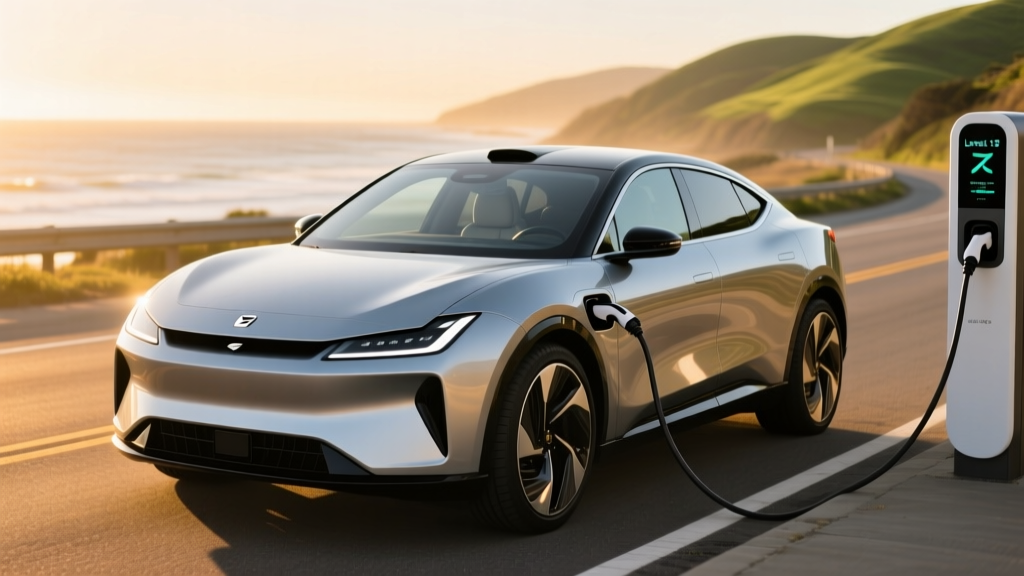
Rivian uses the NACS (Tesla-style) connector on all 2025+ R1T models, granting access to Tesla Superchargers via Rivian's built-in navigation integration. This was a major competitive advantage that matured through 2024-2025 as Supercharger stalls were activated for non-Tesla vehicles.
Charge curve reality check: The R1T peaks at 200-220 kW only between roughly 10-30% State of Charge. By 50% SoC, the rate tapers to approximately 150 kW, and above 80% it drops sharply to under 50 kW. This means the published 10-80% time is the meaningful metric — charging from 80-100% can add another 25-35 minutes. For road trips, plan stops around the 10-80% window and skip topping off unless you're at your final destination.
Home Level 2 charging at 11.5 kW requires a 60-amp dedicated circuit (hardwired) or a NEMA 14-50 outlet on a 50-amp breaker. Installation costs typically range from $800-$2,500 depending on panel proximity and whether a service upgrade is needed. Most R1T owners report waking up to a full battery every morning with a Level 2 home setup, making public charging largely unnecessary for daily use.
Warranty Coverage: What the $28,000 Fix Actually Means
The "$28,000 warranty fix" figure refers to estimated out-of-warranty replacement costs for the R1T's high-voltage battery pack or drive unit assembly — a number that surfaced from early owner reports and third-party repair estimates. Here is how Rivian's warranty structure protects you:
- Bumper-to-Bumper (Limited Vehicle Warranty): 5 years / 60,000 miles
- Battery Pack Warranty: 8 years / 175,000 miles (retaining at least 70% capacity)
- Drive Unit (Motor/Powertrain): 8 years / 175,000 miles
If a battery module, drive unit, or associated power electronics fail within these coverage windows, Rivian covers parts and labor at no cost to the owner. The $28,000 figure becomes relevant only if a failure occurs outside the warranty period or results from damage excluded from coverage (e.g., collision damage, aftermarket modifications, or water intrusion beyond rated wading depth).
Rivian's 175,000-mile battery warranty is among the most generous in the segment. The 70% capacity retention threshold is standard for the industry. Real-world degradation data from early R1T owners (2022-2023 models now at 40,000-80,000 miles) shows typical capacity loss of 5-8%, well within the warranty threshold. The NMC chemistry used across the R1T lineup offers higher energy density than LFP but is slightly more sensitive to sustained 100% SoC storage — Rivian recommends daily charging to 80-90% for battery longevity.
Pros
- Class-leading 11,000-lb towing for an EV pickup
- 8-yr/175,000-mi battery and drive unit warranty
- NACS native — direct Supercharger access
- Gear Tunnel: 11.7 cu ft lockable, weatherproof cross-bed storage
- Tri-Motor performance (2.9 sec 0-60) rivals supercars
- Over-the-air updates continuously add features
- 3-zone air suspension with up to 14.9" ground clearance
Cons
- Base price starts at $69,900 — no federal tax credit (over MSRP cap)
- Highway efficiency suffers at 75+ mph (aerodynamic drag)
- Out-of-warranty battery replacement cost estimated at $20,000-$28,000
- Rear seat legroom (38.6") trails full-size crew cabs
- Service center network still expanding in rural areas
- Towing cuts range roughly in half at highway speeds
Pricing, Trims, and Federal Tax Credit Eligibility
The 2026 Rivian R1T is offered in three primary configurations:
- Dual-Motor Standard Pack: $69,900 MSRP
- Dual-Motor Max Pack: $83,900 MSRP
- Tri-Motor Performance: $99,900 MSRP
As-tested prices with popular options (Adventure package, Forest Green paint, 20" All-Terrain wheels) typically add $3,000-$8,000, putting a well-equipped Dual-Motor around $75,000-$78,000.
Federal tax credit (§30D): The R1T does not qualify for the $7,500 new EV federal tax credit. The IRS §30D credit imposes an MSRP cap of $80,000 for trucks, and while the base Dual-Motor Standard Pack technically sits below this threshold, the credit also requires meeting critical mineral and battery component sourcing requirements that shift annually. Additionally, buyer income caps apply ($150,000 single / $300,000 joint MAGI). Consult IRS.gov and a tax professional for your specific eligibility.
For used R1T models (model year 2022-2024), the used clean vehicle credit of up to $4,000 (30% of sale price, max $4,000) may apply if the sale price is $25,000 or less — though as of 2026, used R1Ts typically sell above this threshold.
Interior, Cargo, and Technology
The R1T is a midsize crew cab with seating for five. Key interior dimensions:
- Front legroom: 41.3 inches
- Rear legroom: 38.6 inches
- Bed length: 54.2 inches (4.5 ft) with tailgate up; extends to 82.7" with the Gear Guard down
- Gear Tunnel: 11.7 cu ft (cross-bed, lockable, 120V outlet available)
- Frunk (front trunk): 11.0 cu ft with drain plug (usable as a cooler)
- Total cargo volume (bed + tunnel + frunk): ~77 cu ft combined
The Gear Tunnel is the R1T's signature feature — a pass-through compartment between the cab and bed that's ideal for skis, camping gear, or groceries. It's weatherproof, lockable, and accessible from either side.
On the technology front, the R1T runs Rivian's in-house infotainment system on a 15.6-inch center touchscreen with a 12.3-inch digital instrument cluster. Notable tech features include:
- Driver+ (ADAS): SAE Level 2 highway assist with lane centering and adaptive cruise on supported roads. This is not self-driving — hands must remain on the wheel and eyes on the road.
- Powered tonneau cover (available) with integrated camp kitchen option
- Vehicle-to-load (V2L): 120V and 240V outlets in the bed and Gear Tunnel for powering tools, appliances, or campsite equipment
- Rivian app: Remote preconditioning, charge monitoring, location tracking, and digital key
- Over-the-air updates: Continuous feature additions and performance improvements
Driver+ Limitation Warning: Rivian's Driver+ is an SAE Level 2 driver-assistance system. It does not make the R1T a self-driving vehicle. The driver must remain fully attentive, keep hands on the steering wheel, and be prepared to take over at any moment. It operates on mapped divided highways only and will disengage in construction zones, unmapped roads, or adverse weather.
Who Should Buy the Rivian R1T?
Choose the R1T if:
- You need a genuine truck (11,000-lb towing, 1,760-lb payload) with EV daily-driver comfort
- You want adventure-oriented features (Gear Tunnel, air suspension, wading mode, V2L power)
- You have home Level 2 charging and mostly drive under 200 miles daily
- You value performance — even the base Dual-Motor hits 0-60 in 4.5 seconds
Look elsewhere if:
- You regularly tow long distances (range drops dramatically under load)
- You need maximum rear-seat space (consider a full-size F-150 Lightning or Silverado EV)
- Budget is under $65,000 (the R1T doesn't play in this segment)
- You lack home charging access and rely entirely on public infrastructure
The R1T's strongest competitive position is against the Ford F-150 Lightning (lower price, larger bed, broader dealer network) and the Chevrolet Silverado EV (more range, larger crew cab). The R1T wins on build quality, adventure features, and performance — but loses on price and service-center accessibility in rural markets.
Frequently Asked Questions
What is the real-world range of the Rivian R1T?
The EPA rates the Standard pack at 270 miles and the Max Pack at 420 miles. In real-world highway driving at 70-75 mph in moderate temperatures, expect approximately 220-245 miles (Standard) and 350-380 miles (Max). Cold weather reduces these figures by 20-30%.
How fast does the R1T charge at home and on the road?
At home on a Level 2 (240V, 11.5 kW) charger, the R1T adds about 25 miles of range per hour, fully charging overnight in 10-14 hours. On a DC fast charger, it peaks at 200-220 kW and charges from 10-80% in 30-42 minutes depending on pack size. Charging slows significantly above 80% SoC due to the battery's charge curve taper.
Does the Rivian R1T qualify for the $7,500 federal tax credit?
Generally, no. The R1T's MSRP and battery sourcing requirements make it ineligible for the full §30D new clean vehicle credit in most configurations for 2026. The IRS imposes MSRP caps ($80,000 for trucks), income limits, and critical mineral sourcing rules that change annually. Always verify current eligibility at IRS.gov and consult a tax professional.
What does the $28,000 warranty fix refer to?
This figure represents estimated out-of-warranty replacement costs for the R1T's high-voltage battery pack or drive unit. However, Rivian covers both the battery and drive unit for 8 years or 175,000 miles (whichever comes first), with a guaranteed 70% capacity retention threshold. Most owners will never face this cost during the warranty period.
Is the Rivian R1T worth buying vs. the Ford F-150 Lightning?
The R1T offers superior build quality, performance, adventure features (Gear Tunnel, air suspension, V2L), and a longer battery warranty. The F-150 Lightning offers a lower entry price (~$55,000), a larger 5.5-ft bed, more rear-seat room, and a vastly larger dealer/service network. If budget and service accessibility are priorities, the Lightning wins. If you prioritize driving dynamics, off-road capability, and unique utility features, the R1T is the stronger choice.
How reliable is the R1T's battery long-term?
Early R1T models (2022-2023) with 40,000-80,000 miles show 5-8% capacity degradation — consistent with NMC chemistry expectations. Rivian's 8-year/175,000-mile battery warranty with a 70% retention floor provides strong protection. To maximize longevity, charge to 80-90% for daily use and avoid prolonged storage at 100% SoC or below 10% SoC.
Always verify current pricing, specifications, and tax credit rules with Rivian's official site, the IRS, and fueleconomy.gov before making a purchase decision. Specifications and incentive rules are subject to change.