Quick Verdict: The R1S in 2026
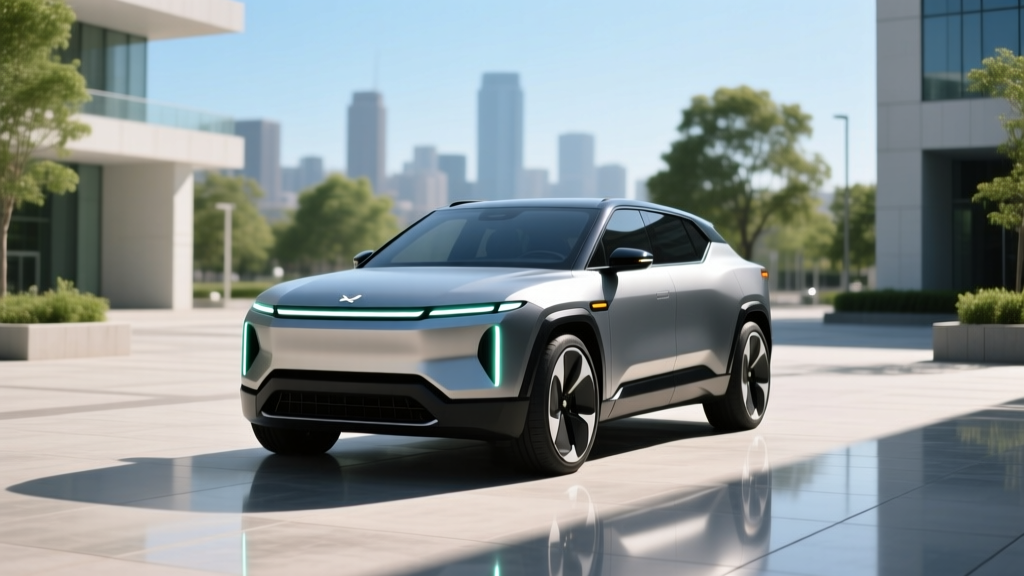
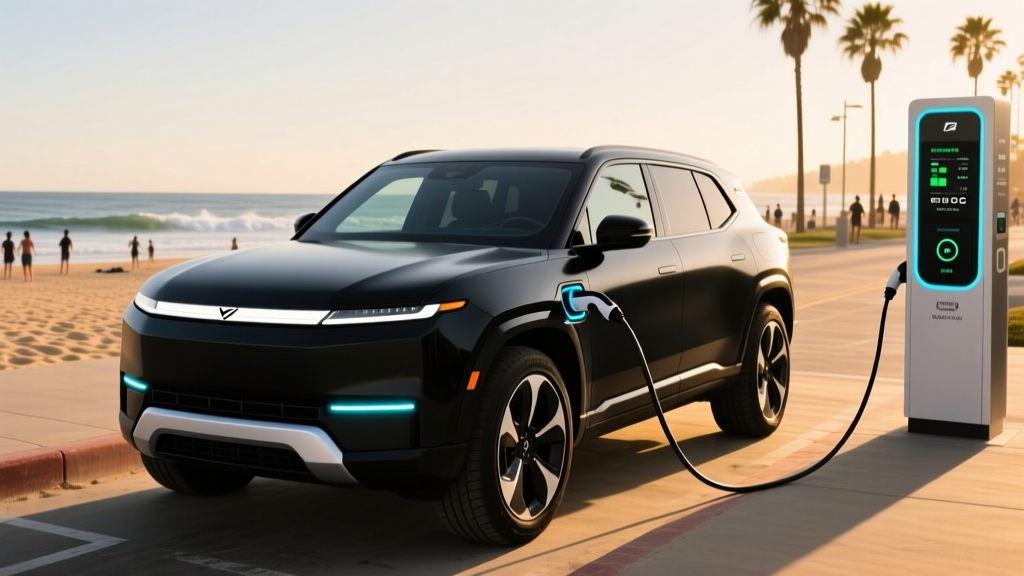
The 2026 Rivian R1S enters its third model year with meaningful updates: a revised Max battery pack pushing EPA range to 410 miles on the Dual-Motor Max trim, faster DC charging curves, and a new Standard battery option that drops the starting price closer to $74,900. If you've been researching the R1S between showings at the Rivian Theater Laguna Beach — or simply trying to decide whether this three-row electric SUV earns a spot in your driveway — this review breaks down every number that matters.
Rivian has matured its manufacturing and software stack since the R1S launch. The 2026 model benefits from the company's Gen 2 drive units (more efficient, lighter), a structural battery pack, and the NACS charge port as standard equipment, granting native access to the Tesla Supercharger network. But with competitors like the Kia EV9, Tesla Model X, and upcoming three-row entries pressing hard, the R1S must justify its premium pricing with real-world capability.
Range, Battery & Real-World Efficiency
The 2026 R1S offers three battery configurations. Understanding which one fits your driving pattern is the single most important purchase decision you'll make.
| Configuration | Battery (usable kWh) | Chemistry | EPA Range | MPGe (combined) | kWh/100 mi |
|---|---|---|---|---|---|
| Dual-Motor Standard | 92 kWh | LFP | 270 mi | 69 MPGe | 48 |
| Dual-Motor Large | 112 kWh | NMC | 340 mi | 73 MPGe | 45 |
| Dual-Motor Max | 141 kWh | NMC | 410 mi | 70 MPGe | 47 |
| Quad-Motor Max | 141 kWh | NMC | 370 mi | 64 MPGe | 52 |
The switch to LFP (lithium iron phosphate) chemistry for the Standard pack is a strategic move: LFP offers superior cycle life (3,000+ full cycles to 80% capacity) and allows routine charging to 100% without accelerated degradation. The trade-off is lower energy density and heavier weight. The Large and Max packs use NMC (nickel manganese cobalt) chemistry, which delivers higher energy density for longer range but is best kept between 20–80% for daily use to preserve long-term health.
Efficiency-wise, the Dual-Motor Large at 45 kWh/100 mi is the sweet spot — competitive with the BMW iX and noticeably more efficient than the Quad-Motor variant, which trades electrons for 800+ horsepower.
Charging Speed: DC Fast & Home Level 2
Rivian's adoption of the NACS (North American Charging Standard) port as standard on 2026 models eliminates the adapter hassle that early R1S owners dealt with. You plug directly into any Tesla Supercharger V3/V4 or any NACS-equipped public station.
| Metric | Standard (LFP) | Large (NMC) | Max (NMC) |
|---|---|---|---|
| Peak DC Fast Charge | 180 kW | 220 kW | 220 kW |
| 10–80% DC Time | ~28 min | ~21 min | ~24 min |
| Sustained Rate (10–60%) | ~155 kW avg | ~195 kW avg | ~190 kW avg |
| Level 2 Home (11.5 kW) | ~16 mi/hr | ~19 mi/hr | ~19 mi/hr |
| Level 2 Full Charge Time | ~8.5 hrs | ~10.5 hrs | ~13 hrs |
The Max pack's 10–80% time of roughly 24 minutes is respectable for a 141 kWh battery — that's approximately 200 miles of range added in a typical rest stop. However, the charge curve tapers sharply above 85% SoC. Charging from 80–100% on DC can add another 25+ minutes, so plan your road-trip stops around the 10–80% window for maximum efficiency.
At home, the onboard 11.5 kW Level 2 charger handles overnight replenishment easily. A full charge of the Large pack takes about 10.5 hours on a 48-amp Level 2 circuit — plug in when you get home, wake up to a full battery. Installation of a hardwired Level 2 station typically runs $800–$2,000 depending on panel capacity and run length; a licensed electrician should assess whether your home's 200-amp service can support the circuit without an upgrade.
Performance & Drivetrain
The 2026 R1S continues with Rivian's dual-motor and quad-motor architectures, now using the lighter, more compact Gen 2 drive units.
| Configuration | Horsepower | Torque (lb-ft) | 0–60 mph | Drivetrain | Tow Rating |
|---|---|---|---|---|---|
| Dual-Motor (Std/Large/Max) | 533 hp | 610 | 4.5 sec | AWD | 7,700 lbs |
| Performance Dual-Motor | 665 hp | 826 | 3.5 sec | AWD | 7,700 lbs |
| Quad-Motor Max | 837 hp | 908 | 3.0 sec | AWD (torque vectoring) | 7,700 lbs |
The Dual-Motor's 4.5-second 0–60 time is genuinely quick for a 6,800-pound three-row SUV and more than adequate for highway merging and passing. The Quad-Motor's 3.0-second sprint is supercar territory and entertaining in short bursts, but the efficiency penalty (52 kWh/100 mi vs. 45 for the Large) is substantial on long trips.
All configurations include an adaptive air suspension with 6.5 inches of travel, adjustable ride height for highway efficiency or off-road clearance (up to 14.9 inches of ground clearance), and Rivian's tank-turn capability on the Quad-Motor. The standard tow rating of 7,700 lbs is class-leading for electric SUVs — enough for a mid-size camper, boat, or horse trailer. Expect a 30–40% range reduction when towing at highway speeds.
Interior, Cargo & Technology
The R1S accommodates up to seven passengers across three rows. Second-row captain's chairs (standard on Adventure, optional on other trims) reduce capacity to six but improve third-row access.
- Cargo behind 3rd row: 20.2 cu ft
- Cargo behind 2nd row: 57.6 cu ft
- Max cargo (2nd & 3rd folded): 104.7 cu ft
- Front trunk (frunk): 11.1 cu ft
- 2nd-row legroom: 38.6 inches
- 3rd-row legroom: 30.4 inches
The 30.4 inches of third-row legroom is tight for adults on long journeys — best suited for children or short trips. The 20.2 cu ft behind the third row handles a few grocery bags or a stroller but isn't class-leading. The 11.1 cu ft frunk is a practical bonus for charging cables, a small cooler, or gym bags.
The 15.6-inch center touchscreen runs Rivian's in-house software, which has improved significantly through OTA updates. Wireless Apple CarPlay and Android Auto are standard. The driver-facing 12.3-inch cluster is clear and configurable. The R1S uses a phone-as-key system and includes a built-in camp kitchen option (slide-out galley for the Adventure trim).
Pricing, Trims & Federal Tax Credit
| Trim / Config | Base MSRP | Federal Credit Potential | Effective Price* |
|---|---|---|---|
| Pure Dual-Motor Standard | $74,900 | Up to $3,750 | ~$71,150 |
| Adventure Dual-Motor Large | $84,900 | Up to $3,750 | ~$81,150 |
| Adventure Dual-Motor Max | $94,900 | Up to $3,750 | ~$91,150 |
| Ascend Quad-Motor Max | $105,900 | $0 | $105,900 |
*Effective price assumes full credit eligibility. Final amount depends on individual tax liability and sourcing compliance.
Tax credit reality for the R1S: Under IRS §30D rules, the R1S qualifies as an SUV with an $80,000 MSRP cap — meaning the Pure and some Adventure configurations may be eligible, while the Max and Ascend trims exceed the cap. Buyer income limits apply ($150,000 single / $300,000 joint MAGI). Battery sourcing and critical mineral requirements further restrict eligibility; as of 2026, Rivian's LFP Standard pack (with domestically sourced materials) is more likely to qualify for the full $7,500, while NMC packs may receive $3,750 depending on mineral sourcing compliance. The credit can now be transferred to the dealer at point of sale, reducing your out-of-pocket cost immediately. Consult a tax professional to confirm your specific eligibility — rules are subject to legislative change.
Warranty, Ownership Costs & Safety
Rivian provides the following warranty coverage on the 2026 R1S:
- Battery & Drive Units: 8 years / 175,000 miles (retains ≥70% capacity)
- Limited Vehicle Warranty: 5 years / 60,000 miles
- Corrosion Perforation: 12 years / unlimited miles
- Roadside Assistance: 5 years / 60,000 miles
The 175,000-mile battery warranty is above the industry standard (most competitors offer 100,000 miles) and reflects Rivian's confidence in its structural pack design. The 70% capacity retention threshold is standard; most owners report minimal degradation in the first 50,000 miles based on community data.
Insurance costs for the R1S are higher than average for the SUV segment — expect $2,400–$3,200 annually depending on your location, driving record, and coverage level. Rivian has partnered with select insurers to offer competitive rates. Maintenance is minimal (no oil changes, reduced brake wear from regen), with an estimated annual cost of $300–$500 for cabin filters, wiper fluid, and tire rotation.
For safety, the 2026 R1S carries a 5-star overall NHTSA rating and includes standard automatic emergency braking, lane-keeping assist, adaptive cruise control, and blind-spot monitoring. Rivian's Driver+ system is a Level 2 hands-on highway assist — it does not replace an attentive driver. See NHTSA's safety overview for context on automation levels.
Pros, Cons & Who Should Buy
Pros
- Class-leading 410-mile EPA range (Max pack) for three-row EV SUVs
- Native NACS port — direct Tesla Supercharger access, no adapter
- Genuine off-road capability with 14.9" ground clearance and wading mode
- 7,700-lb tow rating, strongest in the electric SUV segment
- LFP Standard pack option lowers entry price with superior cycle life
- Over-the-air updates continue to add features post-purchase
- 8-year/175,000-mile battery warranty exceeds most competitors
Cons
- Third-row legroom (30.4") is cramped for adults
- Cargo space behind 3rd row (20.2 cu ft) trails Kia EV9 and Model X
- Quad-Motor efficiency penalty is steep — 52 kWh/100 mi
- Premium pricing — even the base model starts at $74,900
- Insurance costs run $2,400–$3,200/year
- Service center network still expanding in some regions
- Driver+ is competent but not class-leading vs. GM Super Cruise
Who the R1S suits best: Active families who need three rows, tow capacity, and genuine off-road capability without sacrificing daily-drivable efficiency. If you regularly haul kids and gear to trailheads, ski areas, or campgrounds — and you have home Level 2 charging — the R1S is purpose-built for that lifestyle. It's less ideal if you primarily need maximum cargo volume or if your budget caps below $75,000. Urban commuters who rarely use the third row may find the smaller, less expensive Kia EV9 or a two-row SUV more practical.
Frequently Asked Questions
What is the real-world range of the 2026 Rivian R1S?
The EPA-rated 410 miles (Dual-Motor Max) translates to roughly 340–360 miles on a sustained highway drive at 75 mph, and approximately 280–310 miles in sub-freezing winter conditions. The Standard pack delivers about 220–240 real-world highway miles in winter from its 270-mile EPA rating. Your results will vary with speed, terrain, temperature, and climate-control usage.
How fast does the R1S charge at home and on the road?
On a DC fast charger, the Large and Max packs peak at 220 kW, achieving 10–80% in approximately 21–24 minutes. At home on a Level 2 station (11.5 kW / 48 amps), expect a full charge in 8.5–13 hours depending on pack size — adequate for overnight replenishment. The LFP Standard pack peaks at 180 kW DC, taking about 28 minutes from 10–80%.
Does the 2026 Rivian R1S qualify for the federal EV tax credit?
Partially. Under current IRS §30D rules, the R1S qualifies under the $80,000 SUV MSRP cap, so lower trims (Pure, some Adventure configs) are potentially eligible. Buyer income limits ($150K single / $300K joint), battery sourcing, and critical mineral requirements all apply. Expect $3,750 for NMC configurations and potentially up to $7,500 for the LFP Standard pack if sourcing requirements are met. Confirm with a tax professional before purchase.
Is the Rivian R1S worth buying over the Kia EV9 or Tesla Model X?
The R1S wins on off-road capability, tow rating (7,700 lbs vs. EV9's 4,400 lbs), and maximum range (410 mi vs. Model X's ~335 mi). The Kia EV9 starts significantly lower (~$55,000) and offers more third-row space. The Model X provides faster Supercharger-exclusive charging and falcon-wing doors but at a higher price with less ground clearance. If adventure capability and range are your priorities, the R1S earns its premium. If budget or interior volume matter more, cross-shop the EV9 seriously.
How does the R1S handle towing range loss?
Expect a 30–40% range reduction when towing near the 7,700-lb maximum at highway speeds. That puts the Max pack at roughly 250–290 miles of tow range — manageable with planning on the Supercharger network but requiring more frequent stops than unloaded driving. Rivian's software includes a tow-specific route planner that accounts for the added energy consumption.
What's the biggest drawback of the R1S?
Third-row comfort and cargo space. The 30.4 inches of third-row legroom and 20.2 cu ft of rear cargo are the R1S's weakest metrics relative to body-on-frame three-row SUVs. If you regularly carry six or seven adults, test-fit your passengers before committing. For families with younger children, the space is adequate.