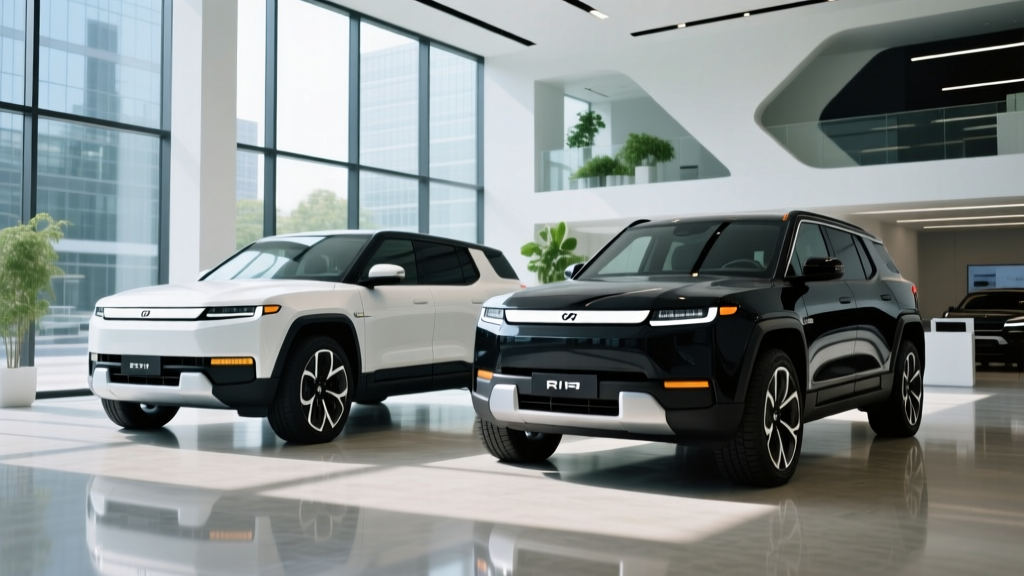
If you have been searching for Rivian lease deals 2025, you are not alone. After a turbulent 2024 that saw the launch of the redesigned Dual-Motor Standard battery pack and the introduction of the more accessible R1S and R1T trims, Rivian's leasing programs have become a popular gateway into the electric adventure-vehicle segment. Leasing can shield you from depreciation, let you capture the federal tax credit via a point-of-sale price reduction, and get you behind the wheel of one of the most capable EV platforms on the road — often for less than a purchase.
But lease math is tricky. Monthly payments depend on residual values, money factors, trim selection, and whether the vehicle qualifies for the IRS §30D clean vehicle credit. This guide breaks down exactly what you need to know about leasing a 2025 Rivian R1S or R1T in the current market, with hard numbers on range, charging, pricing, and the tax-credit mechanics that can knock thousands off your effective cost.
2025 Rivian Lineup: What's Available to Lease
Rivian offers two core vehicles for the 2025 model year, both built on the company's updated Gen 2 platform with improved efficiency, faster charging, and a simplified trim structure:
- R1S — a three-row, seven-passenger electric SUV competing with the Tesla Model X, BMW iX, and Mercedes EQS SUV.
- R1T — a four-door, five-passenger electric pickup truck competing with the Ford F-150 Lightning and Chevrolet Silverado EV.
Both vehicles share the same battery options, powertrain configurations, and most technology features. The primary differences are body style, cargo layout, and the R1T's unique Gear Tunnel. For 2025, Rivian streamlined its offerings into three main configurations:
- Dual-Motor Standard — the entry point, with a smaller battery and dual-motor AWD.
- Dual-Motor Max — the same dual-motor setup paired with the larger Max battery pack.
- Tri-Motor / Quad-Motor Performance — high-output configurations for buyers prioritizing acceleration and off-road capability.
Spec Table: 2025 Rivian R1S and R1T at a Glance
| Specification | R1S Dual-Motor Standard | R1S Dual-Motor Max | R1T Dual-Motor Standard | R1T Dual-Motor Max |
|---|---|---|---|---|
| EPA Range | 270 mi | 352 mi | 270 mi | 352 mi |
| Battery Capacity (usable) | ~106 kWh (NMC) | ~141 kWh (NMC) | ~106 kWh (NMC) | ~141 kWh (NMC) |
| Horsepower | 533 hp | 533 hp | 533 hp | 533 hp |
| 0–60 mph | 4.5 sec | 4.5 sec | 4.5 sec | 4.5 sec |
| Drivetrain | AWD (Dual-Motor) | AWD (Dual-Motor) | AWD (Dual-Motor) | AWD (Dual-Motor) |
| Peak DC Fast Charge | 220 kW | 220 kW | 220 kW | 220 kW |
| 10–80% DC Charge Time | ~30 min | ~42 min | ~30 min | ~42 min |
| Level 2 Home Charge Rate | 11.5 kW (~25 mi/hr) | 11.5 kW (~25 mi/hr) | 11.5 kW (~25 mi/hr) | 11.5 kW (~25 mi/hr) |
| MPGe (combined) | 73 MPGe | 70 MPGe | 73 MPGe | 70 MPGe |
| Efficiency | 46 kWh/100 mi | 48 kWh/100 mi | 46 kWh/100 mi | 48 kWh/100 mi |
| Towing Capacity | 7,700 lb | 7,700 lb | 11,000 lb | 11,000 lb |
| Base MSRP | $75,900 | $82,900 | $69,900 | $76,900 |
| Battery/Powertrain Warranty | 8 yr / 175,000 mi | 8 yr / 175,000 mi | 8 yr / 175,000 mi | 8 yr / 175,000 mi |
Source: fueleconomy.gov and Rivian official specifications. Tri-Motor and Quad-Motor trims carry higher MSRP and different performance figures; consult Rivian's configurator for the latest.
Real-World Range: What the EPA Sticker Doesn't Tell You
EPA Estimate: 270 mi (Standard) / 352 mi (Max)
Expect in mixed driving: ~240–260 mi (Standard) / ~310–330 mi (Max)
Highway-heavy at 75 mph: ~220–240 mi (Standard) / ~280–300 mi (Max)
Cold weather (below 32°F): Subtract 15–25% — expect ~195–215 mi (Standard) / ~250–280 mi (Max)
The 2025 Rivian R1S and R1T are heavy, boxy vehicles optimized for capability, not slipstream efficiency. The Standard pack's 270-mile EPA rating is adequate for daily commuting and moderate road trips, but highway driving at sustained speeds and cold-weather operation will erode that number noticeably. The Max pack's 352-mile rating provides a much more comfortable buffer for road-trippers and those in northern climates.
Rivian's thermal management system includes a heat pump, which helps mitigate winter range loss compared to resistive heating, but physics still applies: a 106 kWh or 141 kWh battery is pushing roughly 7,000 pounds of vehicle, and energy consumption will reflect that. If your typical week includes a 200-mile round-trip commute in winter, the Max pack is the safer choice.
Charging Speed: DC Fast Charging and Home Level 2
Charging speed is where Rivian's Gen 2 platform made meaningful gains. Both the Standard and Max packs support a peak DC fast-charge rate of 220 kW via the NACS (North American Charging Standard) connector — Rivian transitioned to NACS for the 2025 model year, granting access to Tesla's Supercharger network with an adapter (included) or natively on newer vehicles.
| Charging Level | Power (kW) | Approx. Miles Added per Hour | Notes |
|---|---|---|---|
| Level 1 (120V outlet) | ~1.4 kW | ~3 mi/hr | Emergency/trickle only |
| Level 2 (240V, 48A home charger) | 11.5 kW | ~25 mi/hr | Full overnight charge in 9–14 hours |
| DC Fast Charge (peak) | 220 kW | N/A | 10–80% in ~30 min (Std) / ~42 min (Max) |
A critical nuance: the 220 kW figure is a peak, not a sustained rate. In real-world DC fast charging, the Rivian will hit peak power only in the 10–40% state-of-charge window, then taper progressively. The larger Max pack takes longer to charge from 10–80% simply because it has more energy to absorb, but it also sustains higher charge rates longer due to its greater cell count. For road trips, plan stops around the 20–80% sweet spot to minimize time at the charger.
At home, the 11.5 kW onboard charger means you will need a 60-amp circuit and a hardwired Level 2 EVSE (such as the Rivian Wall Charger or a ChargePoint Home Flex) to achieve the full 25 miles of range per hour. On a standard 40-amp dryer circuit, expect closer to 19 mi/hr. A full charge from near-empty takes roughly 9 hours for the Standard pack and 12–14 hours for the Max — both easily achievable overnight.
Pricing, Lease Structure, and the Federal Tax Credit
Here is where lease deals get interesting — and where careful planning can save you thousands.
Base MSRP by Trim (2025 Model Year)
| Model / Configuration | Base MSRP | As-Tested Typical (with options) |
|---|---|---|
| R1T Dual-Motor Standard | $69,900 | $74,000–$78,000 |
| R1T Dual-Motor Max | $76,900 | $82,000–$88,000 |
| R1S Dual-Motor Standard | $75,900 | $80,000–$86,000 |
| R1S Dual-Motor Max | $82,900 | $88,000–$95,000 |
Federal Tax Credit (§30D) Eligibility
The 2025 Rivian R1S and R1T may qualify for up to $7,500 in federal clean vehicle tax credits under IRS §30D, but eligibility is not automatic. Here is what you must verify:
- MSRP Cap: The R1S qualifies only if its MSRP is at or below $80,000 (SUV cap). The R1T qualifies under the $80,000 pickup cap. Higher-trim or heavily optioned R1S models may exceed this threshold and lose eligibility.
- Buyer Income Cap: Modified adjusted gross income must not exceed $300,000 (joint filers), $225,000 (head of household), or $150,000 (individual).
- Battery Sourcing: The vehicle must meet critical-mineral and battery-component sourcing requirements that tighten annually. As of 2025, vehicles with battery components manufactured by a "foreign entity of concern" (FEOC) are disqualified. Rivian has worked to qualify, but verify current status on IRS.gov before committing.
- Point-of-Sale Transfer: Under current rules, you can transfer the credit to the dealer at purchase, reducing your out-of-pocket cost immediately rather than waiting to claim it on your tax return. For leases, the credit technically goes to the lessor (the financing entity), but most Rivian lease programs pass the benefit through as a capitalized-cost reduction — effectively lowering your monthly payment.
Typical Lease Structure (Estimates)
Based on prevailing market conditions for 2025 model-year Rivians, here is what lease deals have looked like for qualified lessees (Tier 1 credit, 36-month term, 10,000 miles/year):
- R1T Dual-Motor Standard: ~$799–$899/month with $5,000–$7,500 due at signing (including first month, acquisition fee, and any down payment).
- R1S Dual-Motor Standard: ~$849–$999/month with similar due-at-signing amounts.
- Max Pack upgrade: Adds roughly $100–$150/month.
These figures are illustrative and fluctuate with Rivian's residual-value assumptions, money factors, and promotional incentives. Rivian periodically offers lease cash bonuses (e.g., $2,000–$5,000 off) that can significantly reduce effective payments. Check Rivian's website or a local service center for current programs.
Interior, Cargo, and Technology
The R1S offers three rows of seating for up to seven passengers. Second-row captain's chairs (available on some trims) reduce capacity to six but improve comfort and third-row access. Cargo volume behind the third row is approximately 10.4 cu ft, expanding to 46.7 cu ft with the third row folded and 91.6 cu ft with both rear rows down. Front-row legroom is generous at 41.3 inches; the third row is best suited for children on longer trips.
The R1T seats five and features the signature Gear Tunnel — a lockable, full-width storage compartment running between the cab and bed, offering roughly 11 cu ft of enclosed space perfect for skis, camping gear, or groceries. The 4.5-foot bed (extending to ~6 feet with the tailgate down) includes built-in tie-downs and a powered tonneau cover.
Technology and Driver Assistance
Rivian's infotainment system runs on a 15.6-inch center touchscreen with an integrated navigation system, streaming media, and over-the-air (OTA) software updates that regularly add features. The system is responsive and well-designed, though it lacks Apple CarPlay and Android Auto — a deliberate choice by Rivian that frustrates some buyers. A 12.3-inch digital driver display and an optional head-up display round out the cockpit.
Rivian's Driver+ suite provides SAE Level 2 driver assistance, including adaptive cruise control, lane-centering, and automatic lane changes on divided highways. It is competent and competitive with systems like Ford BlueCruise, but it is not a hands-off, eyes-off autonomous system. The driver must remain attentive and keep hands on the wheel (or demonstrate engagement via the driver-monitoring camera).
Pros and Cons: The Honest Assessment
- Class-leading off-road capability with adjustable air suspension and tank turns (Tri/Quad-Motor)
- Strong towing capacity (11,000 lb on R1T)
- Excellent build quality and thoughtful storage design
- Over-the-air updates continuously improve the vehicle
- NACS charging provides Supercharger network access
- Generous 8-year/175,000-mile battery warranty
- No Apple CarPlay or Android Auto
- Efficiency lags competitors — heavy vehicle means higher kWh/mi
- Standard pack's 270-mile range is limiting for road trips
- Premium pricing — even base trims start near $70K
- Service center network still expanding in some regions
- Third row in R1S is tight for adults on long drives
Who Should Lease a 2025 Rivian — and Who Shouldn't
Lease a Rivian if: You want a premium electric adventure vehicle for weekend camping, skiing, or towing, paired with daily-driver comfort. The R1T is ideal for active households that need truck utility without the fuel bill. The R1S suits families who want three rows, AWD, and electric commuting. Leasing makes particular sense if you want to test the EV lifestyle without long-term commitment, or if you plan to upgrade when the next-generation platform arrives.
Look elsewhere if: Your primary concern is maximum range-per-dollar (consider a Tesla Model Y or Hyundai Ioniq 5), you need Apple CarPlay, you drive more than 15,000 miles per year (lease mileage penalties add up), or you live far from a Rivian service center and cannot tolerate potential wait times for warranty work.
Frequently Asked Questions
What is the real-world range of the 2025 Rivian R1S and R1T?
The EPA rates the Dual-Motor Standard at 270 miles and the Dual-Motor Max at 352 miles. In real-world mixed driving, expect roughly 240–260 miles (Standard) and 310–330 miles (Max). Highway driving at 75 mph and cold weather will reduce these figures by 10–25%.
How fast does the Rivian charge at home and on the road?
On a Level 2 home charger (11.5 kW), you will add approximately 25 miles of range per hour, achieving a full overnight charge in 9–14 hours depending on pack size. On a DC fast charger, the Rivian peaks at 220 kW, charging from 10–80% in about 30 minutes (Standard) or 42 minutes (Max).
Does the 2025 Rivian qualify for the $7,500 federal EV tax credit?
It may, depending on the trim MSRP (must be ≤$80,000 for SUVs and pickups), your income (≤$300K joint / $150K individual), and current battery-sourcing compliance. In a lease, the credit typically passes through as a cap-cost reduction. Always verify on IRS.gov and consult a tax professional.
Is it better to buy or lease a Rivian?
Leasing is attractive if you want lower monthly payments, plan to upgrade in 3 years, and want to capture the tax credit via cap-cost reduction without worrying about your personal tax liability. Buying makes more sense if you drive high annual mileage, plan to keep the vehicle 5+ years, or want to build equity. Depreciation on luxury EVs can be steep, which favors leasing for many buyers.
Is the Rivian worth it vs. the Tesla Model X or Ford F-150 Lightning?
The Rivian R1S offers more off-road capability and a more adventurous design than the Model X, though the Tesla wins on charging infrastructure and efficiency. The R1T competes closely with the F-150 Lightning on towing and utility, but the Rivian offers a more premium interior and the Gear Tunnel. If you prioritize luxury, build quality, and outdoor capability, the Rivian earns its premium. If budget and efficiency are paramount, the Lightning or Model Y may serve you better.
What is Rivian's battery warranty?
Rivian covers the battery pack and drive units for 8 years or 175,000 miles, whichever comes first. The warranty guarantees the battery will retain a specified minimum capacity (typically around 70%) over that period. This is among the most generous in the segment.