Quick Answer: The Renault Zoe is a compact, budget-friendly European electric car with up to 245 miles of WLTP range (~210 miles in real-world mixed driving) from a 52 kWh battery. However, Renault does not sell the Zoe in the United States as of 2026, meaning no US warranty support, no federal §30D tax credit eligibility, and no EPA certification. US buyers seeking a similar subcompact EV should look at the Chevrolet Bolt EV/EUV, Nissan Leaf, or Hyundai Kona Electric instead. If you're reading this from the UK or EU, the Zoe remains one of the most affordable new EVs available, starting around €30,000 before local incentives.
What Is the Renault Zoe and Can You Buy It in the US?
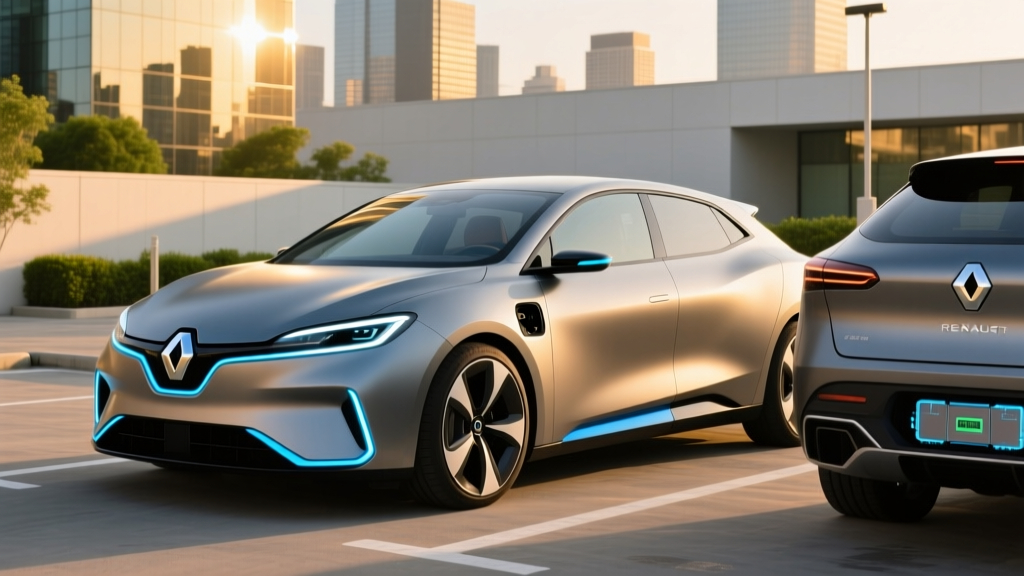
The Renault Zoe has been Europe's best-selling affordable electric car for over a decade. Originally launched in 2012 and substantially updated in 2019 with the current-generation 52 kWh (usable) battery pack, the Zoe is a five-door supermini designed for urban commuting and suburban errands. It competes with the Peugeot e-208, Fiat 500e, and Vauxhall Corsa Electric in European markets.
For US-based shoppers who've encountered the Zoe online or in European media, here's the critical fact: Renault has no retail presence in the United States. The Zoe was never federalized for US sale — it lacks NHTSA crash-test certification, EPA range figures, and any dealer or service network on this side of the Atlantic. Importing one privately is technically possible but financially impractical due to crash-test compliance costs and the absence of parts support.
If you're a US reader researching the Zoe as a potential purchase, the practical path is to evaluate comparable subcompact EVs that are actually available stateside. If you're a European or UK reader, read on for a detailed ownership breakdown.
Renault Zoe Specs: Range, Battery, and Charging
The current Zoe (E-Tech Electric, as Renault now brands it) uses a 52 kWh usable lithium-ion battery with NMC (nickel manganese cobalt) chemistry. Here's how the numbers stack up:
| Specification | Value |
|---|---|
| Battery Capacity (Usable) | 52 kWh (NMC) |
| WLTP Range (Official) | 245 miles (395 km) |
| Real-World Range (Mixed) | ~195–215 miles |
| Real-World Range (Highway/Cold) | ~145–165 miles |
| Motor Output | 134 hp (R135 motor) |
| 0-62 mph (0-100 km/h) | 9.5 seconds |
| Max DC Fast Charge Rate | 50 kW (CCS2) |
| 10–80% DC Fast Charge | ~50–55 minutes |
| AC Level 2 Charge Rate | 22 kW (3-phase, optional); 7.4 kW (single-phase) |
| Full AC Charge (0–100%) | ~3 hours (22 kW); ~9.5 hours (7.4 kW) |
| Efficiency (WLTP) | ~3.8 mi/kWh (16.1 kWh/100 km) |
Real-World Range Reality Check: The 245-mile WLTP figure is measured on a favorable European cycle that includes substantial low-speed urban driving. In real-world conditions, expect 195–215 miles in mild weather with mixed driving. On sustained highway trips at 70+ mph, range drops to roughly 155–170 miles. In freezing temperatures (below 32°F / 0°C), the Zoe lacks a heat pump (standard on some trims, absent on base models), and range can fall to 145–160 miles. Always plan road trips around the lower bound.
Charging Speed: The Zoe's Biggest Weakness
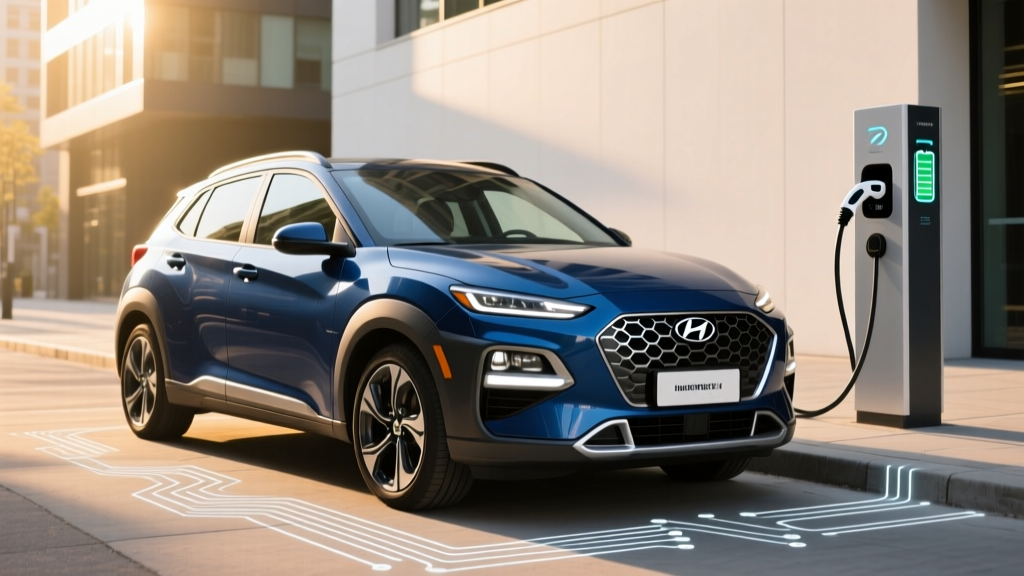
The Zoe's 50 kW peak DC fast-charging rate is its most significant limitation for 2026. Most modern competitors — including the Hyundai Kona Electric (100+ kW), Peugeot e-208 (100 kW), and even the aging Nissan Leaf (CHAdeMO, ~50 kW) — match or exceed this. At 50 kW, a 10–80% charge takes roughly 50–55 minutes, which is slow by current standards. The charge curve is relatively flat (no dramatic peak-and-taper), meaning you won't see the rapid 10–40% bursts that 150+ kW vehicles deliver.
For daily home charging, the Zoe's available 22 kW three-phase AC onboard charger is excellent — if you have access to three-phase power (common in Europe, rare in US homes). On a standard 7.4 kW single-phase wallbox, a full charge takes about 9.5 hours, which is fine for overnight top-ups.
Renault Zoe vs. US-Available Alternatives: Cost & Spec Comparison
Since the Zoe isn't available in the US, here's how it compares to the subcompact EVs that are — giving you context on what you'd be getting (or missing) in each market:
| Spec | Renault Zoe (EU) | Chevrolet Bolt EV (US) | Hyundai Kona Electric (US) | Nissan Leaf (US) |
|---|---|---|---|---|
| Battery (Usable) | 52 kWh | 65 kWh | 65 kWh (2025+) | 60 kWh |
| Official Range | 245 mi (WLTP) | 259 mi (EPA) | 261 mi (EPA) | 212 mi (EPA) |
| Real-World Range | ~205 mi | ~235 mi | ~240 mi | ~190 mi |
| Max DC Charge | 50 kW | 55 kW (2023); NACS 2025+ | 100+ kW | 50 kW (CHAdeMO) |
| 10–80% DC Time | ~52 min | ~50 min | ~40 min | ~60 min |
| 0–60 mph | ~9.2 sec | 6.5 sec | 7.5 sec | 7.4 sec |
| Base Price | ~€30,000 | ~$27,000 (discontinued 2023; used market) | ~$33,000 | ~$29,000 |
| US Tax Credit (§30D) | N/A | Varies (check IRS) | Eligible (check sourcing) | N/A (Japan assembly) |
The Zoe's efficiency is genuinely excellent — its lighter curb weight (~3,300 lbs) and smaller frontal area give it an edge in kWh-per-mile consumption. But the Bolt EV and Kona Electric offer more usable range, faster charging, and more power, at competitive prices. The Zoe's charm is its European-city-friendly dimensions and low starting price, advantages that don't translate across the Atlantic.
Real Ownership Costs: Zoe vs. Gas Supermini
For European and UK readers, here's how the Zoe's total cost of ownership compares to a gas-powered equivalent like the Renault Clio or Ford Fiesta over five years and 60,000 miles:
| Cost Category (5yr/60k mi) | Renault Zoe (Electric) | Renault Clio (Gasoline) |
|---|---|---|
| Purchase Price (before incentives) | €30,000 | €20,000 |
| Government Incentive (varies by country) | -€4,000 to -€7,000 | €0 |
| Fuel / Electricity | €3,600 (home charging at €0.18/kWh) | €7,800 (at €1.70/L, 45 MPG) |
| Maintenance | €800 | €2,400 |
| Insurance (avg) | €3,500 | €3,000 |
| Estimated Depreciation | €12,000 | €8,000 |
| Total 5-Year Cost | ~€25,900–€28,900 | ~€31,200 |
The Zoe typically saves €2,000–€5,000 over five years compared to a gas supermini, primarily through fuel and maintenance savings. The battery warranty (8 years / 100,000 miles, guaranteed to retain at least 70% capacity per Renault's UK site) provides reasonable peace of mind. However, insurance premiums for the Zoe tend to run 10–20% higher than its gas counterpart due to repair-cost differentials after collisions.
US Buyer Cost Context
If you're a US buyer comparing a subcompact EV (like the Kona Electric) to a gas compact (like the Honda Civic), the math is similar in structure but different in numbers. The US Department of Energy's fueleconomy.gov provides a state-by-state electricity vs. gasoline cost calculator that's essential for running your own numbers based on local utility rates.
Common Misconceptions About the Zoe
| Myth | Fact |
|---|---|
| "The Zoe has 245 miles of real range." | 245 miles is the WLTP rating. Real-world mixed driving yields ~205 miles; highway or cold weather drops it to 145–170 miles. |
| "You can buy a Zoe in the US." | Renault has no US retail presence. The Zoe was never sold stateside and cannot be purchased new through any US dealer. |
| "The Zoe charges quickly on road trips." | At 50 kW peak, a 10–80% charge takes ~52 minutes. This is slow compared to 150+ kW competitors. Road-trip planning requires patience. |
| "Battery replacement will cost a fortune." | The battery is warranted for 8 years/100,000 miles at 70% capacity. Out-of-warranty replacement is estimated at €8,000–€12,000, but most batteries significantly outlast their warranties. Early Zoe models (2012–2019) offered battery leasing (~€70/month), which some used buyers may still encounter. |
| "The Zoe qualifies for the US $7,500 tax credit." | The Zoe is not sold in the US and is not eligible for the IRS §30D federal tax credit. Only vehicles purchased new from a US-registered dealer with compliant battery sourcing qualify. See IRS.gov §30D guidelines. |
Who Should Buy the Zoe — and Who Shouldn't
Buy the Renault Zoe if:
- You live in Europe or the UK and want one of the most affordable new EVs on the market
- Your daily commute is under 80 miles round-trip and you have home charging access
- You primarily drive in urban and suburban environments where the Zoe's efficiency shines
- You rarely take road trips longer than 150 miles, or you're willing to plan 50-minute charging stops
- You value compact dimensions for tight European city parking
Look elsewhere if:
- You live in the United States (the Zoe is simply not available)
- You frequently drive highway routes exceeding 150 miles — the 50 kW charging rate makes road trips tedious
- You live in a very cold climate and lack access to a garage or preconditioning charging setup
- You need more than 12.4 cu ft of cargo space (the Zoe's boot is modest)
- You want the latest ADAS features — the Zoe's driver assistance suite is basic compared to competitors like the Hyundai Kona or VW ID.3
First-Time EV Buyer Essentials: What the Zoe Teaches Us
Even if you can't buy the Zoe in the US, evaluating it reveals universal EV-buying principles every first-time buyer should internalize:
1. Always Discount the Official Range by 15–30%
Whether it's WLTP (European) or EPA (US), the sticker range is a best-case scenario. Highway speeds above 65 mph, cold temperatures below 40°F, and aggressive acceleration all reduce range. Budget your daily driving around 75–80% of the stated figure to avoid surprises.
2. DC Fast-Charge Speed Matters More Than You Think
The Zoe's 50 kW rate means road trips require roughly one hour of charging for every 2.5 hours of driving. A vehicle with 150+ kW capability (like the Ioniq 5 or Tesla Model Y) cuts that to 20–25 minutes. If you road-trip more than twice a year, prioritize charge rate over total range.
3. Home Charging Is the Backbone of EV Ownership
Over 80% of EV charging happens at home. Before buying any EV, confirm you can install a Level 2 wallbox (240V, 32–48A) at your residence. If you rent or live in an apartment without charging access, an EV like the Zoe — or any EV — becomes significantly less convenient. Public-only charging is viable but adds time and cost.
4. Maintenance Savings Are Real but Insurance Costs Offset Them
EVs eliminate oil changes, spark plugs, timing belts, and exhaust repairs. Brake wear is dramatically reduced thanks to regenerative braking. But insurance premiums for EVs average 10–25% higher than equivalent gas cars due to higher repair costs after collisions and specialized parts. Get insurance quotes before committing.
5. Battery Degradation Is Slower Than Most People Fear
Modern NMC and LFP batteries typically lose 1–2% capacity per year under normal use. The Zoe's 52 kWh pack, after five years, will likely retain 90–95% of its original capacity. The 70% warranty threshold at 8 years is a worst-case floor, not an expectation. According to data compiled by Geotab's fleet battery study, most EV batteries outlast their vehicles.
Frequently Asked Questions
Is the Renault Zoe available in the United States in 2026?
No. Renault does not sell vehicles in the US market. The Zoe has never been federalized for US sale, and there are no announced plans to bring it stateside. US buyers should consider the Hyundai Kona Electric, Nissan Leaf, or Chevrolet Bolt (used market) as alternatives.
What is the real-world range of the Renault Zoe?
The Zoe's official WLTP range is 245 miles, but real-world mixed driving typically yields 195–215 miles in mild weather. Highway driving at sustained speeds drops this to approximately 155–170 miles, and cold weather (below freezing) can reduce it further to 145–160 miles.
How long does it take to charge the Renault Zoe?
On a 50 kW DC fast charger, a 10–80% charge takes approximately 50–55 minutes. On a 7.4 kW home wallbox (single-phase), a full 0–100% charge takes about 9.5 hours. With three-phase 22 kW AC power (common in Europe, rare in the US), a full charge takes roughly 3 hours.
How does the Zoe compare to a gas car on running costs?
Over five years and 60,000 miles, the Zoe typically saves €2,000–€5,000 compared to a gasoline supermini like the Renault Clio, primarily through lower fuel costs (electricity at ~€0.18/kWh vs. gasoline at ~€1.70/L) and reduced maintenance. Insurance costs are typically 10–20% higher for the Zoe.
Does the Renault Zoe qualify for any US tax credits?
No. Because the Zoe is not sold in the United States, it does not qualify for the IRS §30D federal clean vehicle tax credit. The credit requires purchase from a US-registered dealer, compliance with MSRP caps, buyer income limits, and battery component/critical mineral sourcing requirements. See IRS.gov for current eligibility rules.
What is the battery warranty on the Renault Zoe?
Renault warrants the Zoe's traction battery for 8 years or 100,000 miles (160,000 km), whichever comes first, guaranteeing it will retain at least 70% of its original capacity. If capacity drops below this threshold within the warranty period, Renault will repair or replace the battery.
Is the Zoe a good first EV for a new buyer?
For European buyers with home charging access and primarily urban driving needs, the Zoe is an excellent first EV — affordable, efficient, and easy to drive. For US buyers, it's not an option. For anyone who regularly drives long highway routes or lives in extremely cold climates, a vehicle with faster DC charging and a larger battery (or a heat pump) would be a better choice.