What Is the Electric 911, and Should You Care?
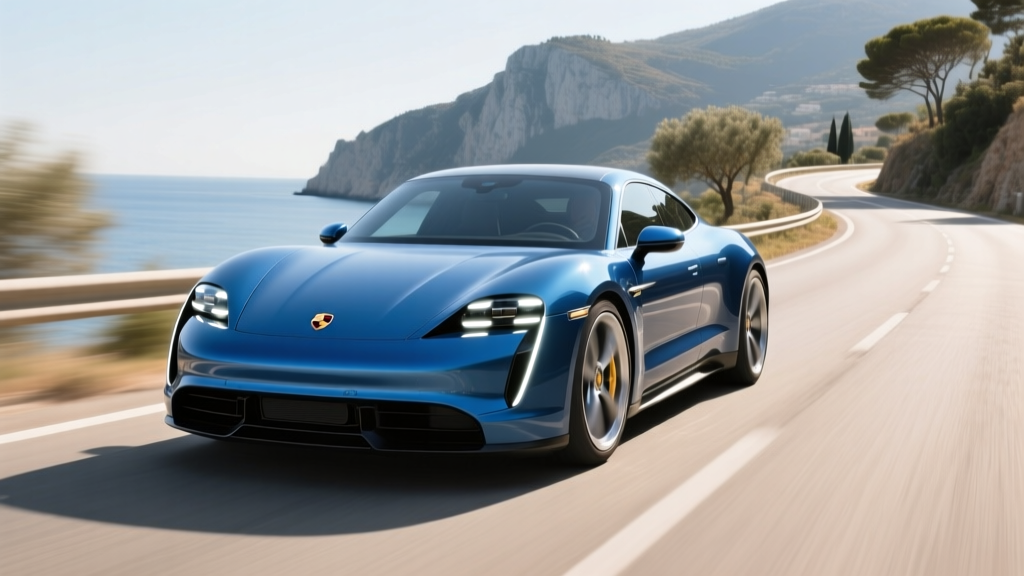
The short answer: Porsche's first fully electric 911 (internally called the 992.2 EV variant) is expected to arrive as a 2027 model-year vehicle, with production beginning late 2026. Based on the Taycan platform's 800-volt architecture adapted for the 911's rear-engine packaging, it will target approximately 310 miles of EPA range, peak DC fast charging around 350 kW, and 0-60 mph times under 3.0 seconds. Pricing is expected to start near $130,000 before options. The electric 911 will initially complement — not replace — the gas-powered 911, which continues through at least 2030 with hybrid assistance.
For Porsche enthusiasts and sports car buyers considering electrification, the electric 911 represents a pivotal question: Can a battery-electric platform preserve the driving dynamics that made the 911 iconic, while offering genuine daily-driver practicality? This guide breaks down what we know from Porsche's official announcements, the Taycan-derived technology that underpins it, and what real ownership will look like for early adopters.
Electric 911 vs. Gas 911: By the Numbers
Before deciding, you need hard data. Here's how the anticipated electric 911 Carrera compares to the current gas-powered 911 Carrera GTS (which itself now features a T-Hybrid system for 2025+):
| Specification | Electric 911 (Expected) | 2026 911 Carrera GTS T-Hybrid |
|---|---|---|
| Powertrain | Dual-motor BEV, 800V | 3.6L flat-6 + e-turbo hybrid |
| Horsepower | ~590 HP (est.) | 532 HP |
| 0-60 mph | ~2.8 sec (est.) | 2.9 sec |
| EPA Range / MPG | ~310 mi / ~95 MPGe (est.) | ~20 MPG combined |
| Energy Capacity | ~100 kWh usable (NMC) | 1.9 kWh battery (hybrid assist) |
| DC Fast Charge Peak | ~350 kW (10-80% ~18 min) | N/A |
| Curb Weight | ~4,200 lbs (est.) | ~3,600 lbs |
| Starting MSRP | ~$130,000 (est.) | $164,900 |
| Federal Tax Credit (§30D) | Likely ineligible (MSRP cap + sourcing) | Likely ineligible (PHEV battery size) |
Key takeaway: The electric 911 will likely offer more power and quicker acceleration at a potentially lower base price, but at a significant weight penalty — roughly 600 pounds heavier. That mass affects handling feel, tire wear, and braking distances, which matter deeply to sports car buyers.
Real-World Range and Charging: What to Actually Expect
Porsche's Taycan lineage gives us strong predictive data. The Taycan 4S with Performance Battery Plus (93.4 kWh usable, NMC chemistry) achieves an EPA rating of 246-288 miles depending on configuration, but real-world testing by EPA and independent reviewers shows highway range at 75 mph typically lands 15-20% below sticker in warm weather, and up to 30% below in freezing temperatures.
Electric 911 Range Reality Check:
- EPA estimate: ~310 miles (preliminary, based on improved cell energy density over Taycan)
- Real-world highway (70-80 mph, 75°F): ~250-270 miles
- Cold-weather highway (30°F or below): ~210-235 miles
- Track day / aggressive driving: ~120-160 miles (high-load discharge drains cells rapidly)
On charging, the 800-volt architecture is the electric 911's strongest practical advantage. At a 350 kW-capable DC fast charger (like Electrify America's newest stations), expect:
- 10-80% charge: approximately 18 minutes under ideal thermal conditions
- Peak rate: ~350 kW sustained from roughly 10-40% SoC, then tapering
- Above 80%: charge rate drops sharply to protect cells — 80-100% can take an additional 20+ minutes
- Level 2 home charging (11.5 kW / 48A): ~9 hours for a full 0-100% charge
The charging curve matters: you'll rarely see the peak 350 kW for more than a few minutes. Average rate over a 10-80% session is closer to 250-280 kW, which is still class-leading but worth understanding for road-trip planning.
Total Cost of Ownership: Electric 911 vs. Gas 911
Sports car buyers rarely prioritize fuel savings, but the ownership economics still inform the decision. Here's a 5-year / 60,000-mile projection assuming $4.00/gallon premium fuel and $0.16/kWh national average electricity:
| Cost Category (5 yr / 60k mi) | Electric 911 (Est.) | Gas 911 Carrera GTS |
|---|---|---|
| Purchase Price (base, before incentives) | $130,000 | $164,900 |
| Federal Tax Credit (§30D) | $0 (MSRP cap exceeded) | $0 (insufficient battery) |
| Fuel / Electricity | $3,600 (home + public mix) | $12,000 (premium 93 octane) |
| Maintenance (scheduled) | $2,800 | $5,500 |
| Tire Replacement (1 set) | $2,400 (heavier wear) | $1,800 |
| Insurance (avg annual × 5) | $22,500 | $19,500 |
| Estimated Depreciation | $52,000 (40%) | $57,700 (35%) |
| Total 5-Year Cost | $213,300 | $261,400 |
Important caveats: The electric 911's depreciation estimate is uncertain — first-generation EVs from prestige brands can depreciate faster if battery technology leaps ahead, or hold value if Porsche limits production. Insurance premiums for EVs average 15-25% higher than comparable gas cars due to repair complexity and battery replacement costs. Maintenance savings come from eliminating oil changes, spark plugs, and transmission fluid, but brake wear may actually be lower thanks to regenerative braking.
Home Charging: The Make-or-Break Factor
With a ~100 kWh battery, the electric 911 demands serious home charging infrastructure. A standard 120V outlet (Level 1) adds roughly 3-4 miles of range per hour — essentially useless for a car this size. You need Level 2.
| Home Charging Component | Cost Range | Notes |
|---|---|---|
| Level 2 Charger (hardware) | $400 - $1,200 | Porsche Mobile Charger Connect or ChargePoint Home Flex |
| 240V / 60A Circuit Installation | $800 - $2,500 | Depends on panel proximity and conduit run |
| Electrical Panel Upgrade (if needed) | $1,500 - $4,000 | Required if panel is 100A or maxed out |
| Permit & Inspection | $100 - $400 | Varies by municipality |
| Total Typical Install | $1,300 - $4,100 | Most homes with 200A panels: ~$1,800 |
At 11.5 kW (48 amps), you'll add roughly 35-40 miles of range per hour of charging. An overnight session (10 hours) replenishes approximately 350 miles — more than the car's full battery. This is the ideal scenario: plug in at night, wake up with a full charge every morning, and rarely visit a public charger for daily driving.
If you lack home charging access (apartment, street parking, HOA restrictions), the electric 911 becomes significantly less practical. Relying on public DC fast charging for daily needs adds time cost (20-30 minutes per session, 2-3 times weekly) and expense (public DC rates average $0.35-$0.50/kWh vs. $0.16/kWh at home).
Decision Framework: Is the Electric 911 Right for You?
Choose the Electric 911 if:
- You have Level 2 home charging (or can install it)
- You prioritize instant torque and sub-3-second 0-60 over analog steering feel
- Your typical drives are under 250 miles without a charging stop
- You want lower running costs and less scheduled maintenance
- You're drawn to being an early adopter of Porsche's electric sports car future
Choose the Gas 911 (or T-Hybrid) if:
- You track the car regularly (battery weight and heat management limit sustained lap performance)
- You lack reliable home or workplace charging
- Flat-six exhaust note and mechanical engagement are non-negotiable
- You frequently drive 400+ mile trips through areas with sparse DC fast charging
- You want proven long-term reliability and resale data (5+ year track record)
Common Misconceptions About the Electric 911
| Myth | Fact |
|---|---|
| "It won't feel like a real 911" | Porsche has confirmed rear-axle steering, active suspension, and torque vectoring to preserve handling character. Weight is higher, but the center of gravity is lower due to the floor-mounted battery. |
| "The battery will need replacing in 5 years" | Porsche warrants its EV batteries for 8 years / 100,000 miles with a 70% capacity retention threshold. Taycan data shows less than 5% degradation at 60,000 miles in typical use. |
| "I'll get the $7,500 federal tax credit" | Almost certainly not. The §30D credit has a $55,000 MSRP cap for sedans (the 911 will exceed this), plus battery sourcing and buyer income requirements. Check current IRS rules before counting on incentives. |
| "It can't handle cold weather" | The 800V system with heat pump and battery preconditioning mitigates cold-weather losses. Expect 25-30% range reduction at 20°F — meaningful but manageable with route planning. |
| "Public charging is unreliable everywhere" | Reliability varies by network. Electrify America and Tesla Superchargers (now open to NACS-equipped Porsches via adapter) average 90%+ uptime. Plan routes using PlugShare or A Better Routeplanner for verified station status. |
What First-Time EV Buyers Should Know
If the electric 911 is your first EV, understand these fundamentals before purchase:
- kW vs kWh: kW (kilowatts) measures power — how fast you charge or accelerate. kWh (kilowatt-hours) measures energy — your battery's total capacity. The electric 911 will have roughly 100 kWh of battery and charge at up to 350 kW.
- Charge curve taper: You won't sustain peak charge rates. Above 80% state of charge, the battery management system slows charging dramatically to protect cell longevity. Plan to charge to 80% on road trips and move on.
- Preconditioning: The car will warm or cool the battery before fast charging if you navigate to a charger. This is essential for achieving advertised charge speeds — without it, cold batteries charge at half the rate.
- One-pedal driving: Porsche's regen braking is less aggressive than Tesla or GM. Expect a coasting feel closer to a gas car, with blended braking. You can adjust regen levels but it won't fully replace the brake pedal.
- Tire costs: EVs wear tires 20-30% faster due to instant torque and higher weight. Budget for premium rubber (Michelin Pilot Sport EV or Pirelli P Zero Elect) at $600+ per corner.
FAQ: Electric 911 Ownership Questions
When can I actually buy the electric 911?
Porsche has confirmed production will begin in late 2026 at its Stuttgart-Zuffenhausen plant, with US deliveries expected in early-to-mid 2027 as a 2027 model-year vehicle. Reservations have not yet opened. Expect limited initial allocation and dealer markups in the first 12-18 months.
Will Porsche kill the gas 911 because of this?
No. Porsche CEO Oliver Blume has stated the gas-powered 911 will continue alongside hybrid and electric variants through at least 2030 and likely beyond. The electric 911 expands the lineup rather than replacing it — similar to how the Taycan coexists with the Panamera.
Can I take the electric 911 to a track day?
You can, but with limitations. The ~4,200-pound curb weight increases brake and tire wear, and sustained high-speed laps generate significant battery heat. Porsche will likely include a track mode with enhanced cooling, but expect range to drop to 120-160 miles during aggressive sessions. The gas 911 GT3 remains the dedicated track tool.
What happens if the battery fails out of warranty?
Out-of-warranty battery replacement for a ~100 kWh NMC pack currently costs $20,000-$30,000 at Porsche dealerships. However, module-level repair (replacing individual failed cells or modules) may reduce this to $5,000-$10,000. Third-party EV repair shops are emerging but not yet widespread for Porsche.
Does the electric 911 qualify for any state incentives?
State incentives vary widely and change frequently. California's CVRP program, Colorado's tax credit, and New York's Drive Clean rebate have varying income and price caps that may exclude a $130,000+ vehicle. Check your state's energy office or AFDC state law database for current eligibility.