Quick Answer: What Happened With the Porsche 718?
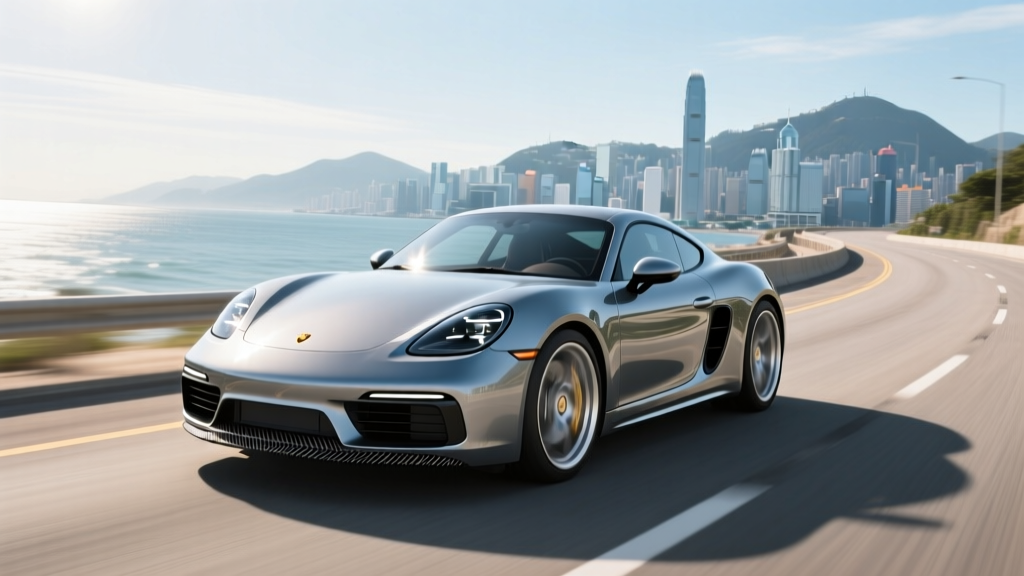
Porsche has temporarily suspended new orders for the 718 Boxster and Cayman lineup as the company evaluates the future of its electrification strategy for these sports cars. The decision comes as Porsche weighs whether to proceed with a fully electric 718 replacement or pivot back to internal combustion options. For buyers currently interested in a Porsche sports car, this means longer wait times, limited configurability, and uncertainty around the next-generation model's powertrain.
The Current Situation: Why Porsche Halted 718 Orders
Porsche's decision to pause 718 orders reflects broader challenges the brand faces in transitioning its iconic sports car lineup to electric power. The current 718 generation, which has been in production since 2016 with various updates, was originally slated to be replaced by an all-electric successor. However, shifting market dynamics, supply chain considerations, and evolving customer preferences have prompted Porsche to reconsider.
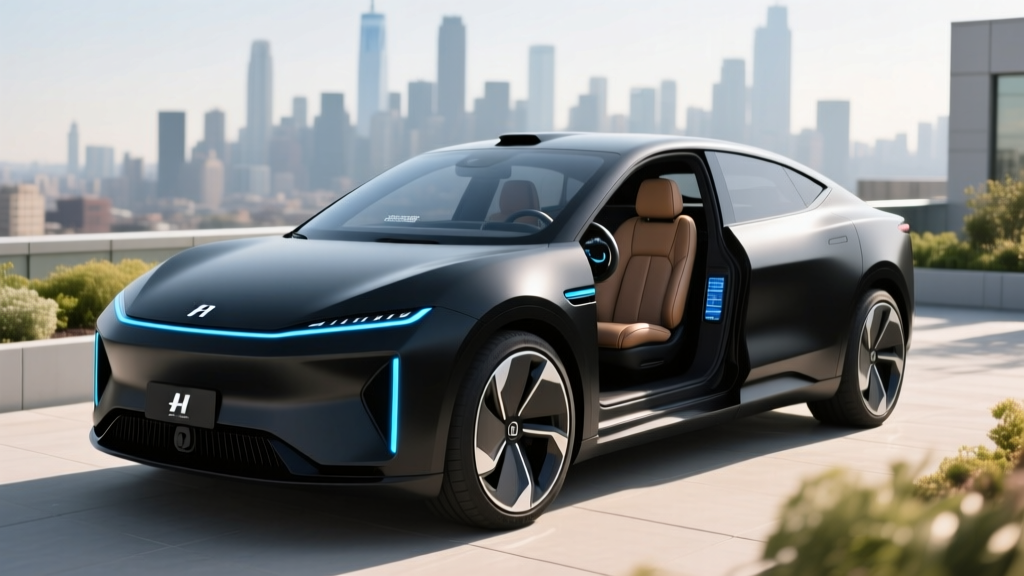
The electric 718 was expected to share architecture with the upcoming electric Boxster/Cayman concept, potentially delivering:
- Estimated 300-350 miles of EPA range (preliminary)
- 800-volt architecture for fast charging (peak 270+ kW capability)
- Dual-motor all-wheel-drive configurations
- 0-60 mph times under 4 seconds for base models
However, Porsche has not confirmed these specifications, and the order freeze suggests the company is still evaluating whether this direction aligns with market demand and regulatory requirements.
Cost Comparison: Electric vs Gas Sports Cars
If you're considering a Porsche 718 or similar sports car, understanding the total cost of ownership is crucial. Here's how electric and gas options compare:
| Category | Porsche 718 Cayman (Gas) | Hypothetical Electric 718 | Tesla Roadster (When Available) |
|---|---|---|---|
| Base MSRP | $68,300 | $75,000-$85,000 (est.) | $200,000+ (announced) |
| Fuel/Energy (5 yrs, 60k mi) | $12,500 (premium gas) | $3,600 (electricity) | $3,600 (electricity) |
| Maintenance (5 yrs) | $4,200 | $1,800 | $1,800 |
| Insurance (5 yrs avg) | $14,500 | $16,000 | $18,500 |
| Federal Tax Credit | $0 | $0-$7,500 (depends on sourcing) | $0-$7,500 (depends on sourcing) |
| Total 5-Year Cost | $99,500 | $88,900-$98,900 | $223,900+ |
Note: Electric vehicle tax credit eligibility under IRS §30D depends on MSRP caps ($55,000 for cars, $80,000 for SUVs/trucks), buyer income limits, and battery component/critical mineral sourcing requirements. Most Porsche models exceed MSRP caps. Consult IRS guidelines and a tax professional.
Real-World Ownership Considerations
Beyond purchase price, several practical factors determine whether an electric sports car makes sense for your situation:
Home Charging Access
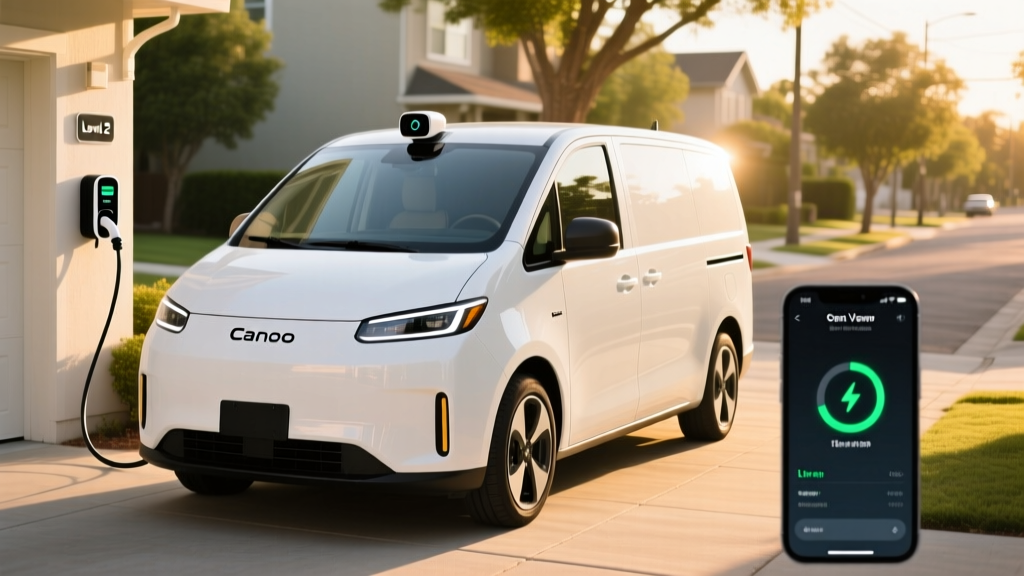
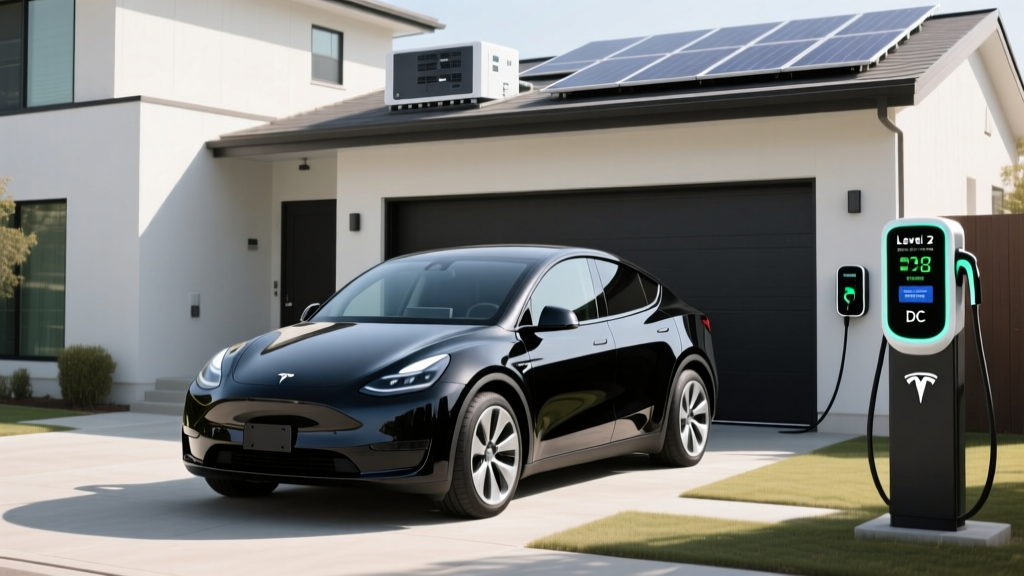
Electric sports cars require reliable Level 2 home charging (240V, 7-19 kW) to maximize convenience. Installation costs typically range:
- Basic install (near panel): $500-$1,500
- Standard install (50-100 ft run): $1,500-$3,000
- Complex install (panel upgrade, long run): $3,000-$7,000+
Without home charging, you'll rely on public DC fast charging, which costs $0.30-$0.50 per kWh and adds time to your routine.
Climate and Range Reality
Electric vehicles experience range reduction in cold weather (15-30% loss below freezing) and at sustained highway speeds. A sports car with an EPA-estimated 320-mile range might deliver:
- 280-300 miles in mild conditions (65-70 mph)
- 240-260 miles at 80+ mph highway driving
- 220-250 miles in freezing temperatures
For weekend canyon carving or track days, this is manageable. For long road trips, it requires planning around DC fast chargers (150-350 kW stations add 100-200 miles in 15-25 minutes).
Driving Patterns
Electric sports cars excel in specific scenarios:
- Ideal: Daily commuting, weekend drives under 200 miles, autocross/track days (instant torque, regenerative braking)
- Challenging: Multi-day road trips through charging deserts, remote mountain passes without infrastructure
EV vs Gas: Performance and Experience Comparison
| Factor | Gas (Current 718) | Electric (Hypothetical) |
|---|---|---|
| 0-60 mph | 4.7-5.1 sec (base) | 3.5-4.5 sec (est.) |
| Weight | 3,000-3,200 lbs | 3,800-4,200 lbs (battery mass) |
| Sound | Flat-4/Flat-6 exhaust note | Synthetic or minimal sound |
| Maintenance | Oil changes, spark plugs, clutch wear | Tires, brake fluid, cabin filter |
| Refueling Time | 5 minutes | 15-30 min (DC fast charge) |
| Driving Feel | Mechanical engagement, revs, shifts | Instant torque, single-speed, silent |
| Weight Distribution | Mid-engine balance | Low center of gravity, battery placement |
The fundamental trade-off: electric delivers superior acceleration and lower running costs, but adds weight and removes the mechanical engagement many sports car enthusiasts value. Porsche's challenge is preserving the 718's character while electrifying.
Decision Framework: What Should You Do?
Choose to Wait for the Electric 718 If:
- You prioritize low running costs and instant acceleration
- You have reliable home charging access
- Your typical drives are under 250 miles
- You're comfortable with 12-24 months of uncertainty
- Environmental impact matters to you
Choose a Current Gas 718 (Used/CPO) If:
- You value mechanical engagement, exhaust sound, and manual transmission options
- You frequently take long road trips through areas with limited charging
- You want to buy now without waiting
- Weight and handling precision are top priorities
- You plan to keep the car 10+ years (future classic potential)
Consider Alternatives If:
- Tesla Roadster: If/when available, offers extreme performance (0-60 under 2 sec claimed) but $200k+ price and unproven availability
- BMW i4 M50: Electric performance sedan, $67,000, 270-mile range, 0-60 in 3.7 sec
- Porsche Taycan: Proven electric sports sedan, $86,700+, 200-250 mile range depending on trim
- Used Porsche 911: Gas sports car with stronger resale value and no order uncertainty
Common Misconceptions Addressed
| Myth | Fact |
|---|---|
| "Electric sports cars have no soul" | Subjective, but EVs offer instant torque, precise torque vectoring, and lower center of gravity. The experience is different, not inherently worse. |
| "Batteries won't last and replacement costs $20k+" | Modern EV batteries are warranted 8 years/100,000 miles (10 years in CARB states). Degradation typically 10-15% over 8 years. Replacement costs $8,000-$15,000 depending on pack size, but rarely needed before 150k+ miles. |
| "I'll be stranded without charging stations" | The U.S. has 50,000+ public charging ports as of 2026. Apps like PlugShare and A Better Routeplanner make trip planning straightforward. The real issue is charging deserts in rural areas—plan accordingly. |
| "Electric cars are always cheaper to own" | Not always. Higher purchase prices, insurance premiums (10-20% higher on average), and home charging installation costs can offset fuel savings. Run the numbers for your specific situation. |
| "Porsche will definitely make an electric 718" | Not confirmed. The order halt suggests Porsche is still evaluating market demand, regulatory requirements, and technical feasibility. Don't assume the electric version is guaranteed. |
What First-Time EV Buyers Should Know
If you're new to electric vehicles and considering a sports car, understand these fundamentals:
kW vs kWh: The Critical Distinction
- kW (kilowatts): Power—how fast you can charge or how much power the motor delivers. Think of it like horsepower.
- kWh (kilowatt-hours): Energy—how much electricity the battery stores. Think of it like gallons in a gas tank.
A 75 kWh battery with 150 kW DC fast charging capability can add 100 miles in ~15 minutes at peak rate, but charging slows significantly above 80% state of charge.
Charging Curve Reality
EVs don't charge at peak rate the entire time. A typical charging session:
- 10-30% SoC: Ramps up to peak rate
- 30-80% SoC: Sustains near-peak rate (this is the 10-80% time manufacturers quote)
- 80-100% SoC: Slows dramatically to protect battery (can take as long as 10-80% alone)
For road trips, charge to 80% and go—it's faster overall.
Federal Tax Credit Complexity
The §30D clean vehicle credit offers up to $7,500, but eligibility is restrictive:
- MSRP caps: $55,000 for cars, $80,000 for SUVs/vans/pickups
- Income limits: $150,000 single / $300,000 joint / $225,000 head of household
- Battery sourcing: Must meet critical mineral and battery component requirements (phasing in through 2026-2027)
- Point-of-sale transfer: You can transfer the credit to the dealer for an immediate price reduction (if eligible)
Most Porsche models exceed MSRP caps, making them ineligible. Always verify current rules at IRS.gov before purchasing.
FAQ: Porsche 718 and EV Sports Cars
When will Porsche resume 718 orders?
Porsche has not provided a timeline. The order pause suggests the company is making strategic decisions about the next generation. Expect updates within 6-12 months, but don't count on immediate resolution.
Should I put down a deposit for an electric 718 if Porsche opens pre-orders?
Only if you're comfortable with 18-36 month wait times and uncertainty around final specifications, pricing, and tax credit eligibility. Refundable deposits are low-risk, but don't make life decisions around an unconfirmed vehicle.
Will the electric 718 qualify for the federal tax credit?
Unlikely. The §30D credit has a $55,000 MSRP cap for cars. Even a base electric 718 will likely start above $70,000, making it ineligible. Some state incentives may apply—check your local regulations.
What's the best electric sports car I can buy right now?
The Porsche Taycan (starting $86,700, 200-250 mile range depending on trim) is the closest current option. The BMW i4 M50 ($67,000, 270-mile range) offers strong performance at a lower price. Neither matches the 718's mid-engine sports car character, but both deliver electric performance today.
Will gas 718 values increase if Porsche goes electric?
Possible, especially for manual transmission and limited-production variants (GT4, Spyder). However, the broader market is shifting toward electrification, so don't buy purely as an investment. Buy because you want the car.
How do I plan road trips in an electric sports car?
Use apps like A Better Routeplanner, PlugShare, or your vehicle's built-in navigation. Plan stops around DC fast chargers (150-350 kW) every 150-200 miles. Expect 20-30 minute charging stops. In 2026, major highways have adequate coverage, but rural areas remain challenging.
What happens if I buy a gas 718 now and Porsche announces the electric version tomorrow?
You'll have a car you can drive immediately, with proven reliability and established service networks. Resale value depends on market demand—gas sports cars may become more desirable to enthusiasts, or less desirable as the market shifts. Don't overthink it; buy what you want now.
The Bottom Line
Porsche's decision to halt 718 orders reflects legitimate uncertainty about the future of electric sports cars. For buyers, this means:
- Don't wait indefinitely—make decisions based on current options and your needs
- Run total cost of ownership calculations, not just purchase price
- Understand the practical limitations (charging access, range, climate) before committing to electric
- Consider alternatives if you need a car within 6-12 months
The electric sports car market will evolve rapidly through 2026-2028. Whether Porsche proceeds with an electric 718 or not, you'll have more options soon. Make your decision based on what serves you today, not speculation about tomorrow.
Sources: Porsche USA, IRS Clean Vehicle Credits, EPA Fuel Economy