Is the Polestar 2 Discontinued? The 2026 Reality
Rumors and forum chatter about the Polestar 2 discontinued status have circulated for months, but here's the definitive answer: as of the 2026 model year, the Polestar 2 is not discontinued. It remains on sale in the United States and continues to anchor Polestar's lineup alongside the larger Polestar 3 and Polestar 4 SUVs. However, the sedan's future beyond 2026 is genuinely uncertain — Polestar has signaled that its next-generation compact vehicle will be the Polestar 5 (a GT sedan) and eventually a replacement compact, but no official discontinuation date has been announced.
What has changed is the competitive landscape. When the Polestar 2 launched as a 2021 model, it was one of very few premium electric sedans under $50,000. In 2026, it faces fierce pressure from the refreshed Tesla Model 3, Hyundai Ioniq 6, BMW i4, and the upcoming Volvo EX60 (which shares Polestar's parent company, Geely). If you're considering the Polestar 2 today — whether new or on the used market — here's every number that matters.
2026 Polestar 2: Core Specifications at a Glance
| Spec | Standard Range SM | Long Range DM |
|---|---|---|
| EPA Range | 276 miles | 276 miles |
| Usable Battery | 69 kWh (LFP) | 79 kWh (NMC) |
| Drivetrain | RWD (Single Motor) | AWD (Dual Motor) |
| Horsepower | 299 hp | 421 hp (476 w/Performance) |
| 0-60 mph | 5.9 sec | 4.3 sec (3.9 w/Perf) |
| Max DC Fast Charge | 135 kW | 200 kW |
| 10-80% DC Time | ~34 min | ~27 min |
| Level 2 Home Charge | 11 kW (~37 mi/hr) | 11 kW (~37 mi/hr) |
| MPGe (Combined) | 107 MPGe | 98 MPGe |
| Efficiency | 31 kWh/100 mi | 34 kWh/100 mi |
| Base MSRP | $49,900 | $54,900 |
| Battery Warranty | 8 yr / 100,000 mi | 8 yr / 100,000 mi |
Source: EPA fueleconomy.gov and Polestar USA specifications. Performance Software Option adds 55 hp on the Dual Motor.
Real-World Range: What the EPA Sticker Doesn't Tell You
EPA Combined: 276 miles
Real-World Highway (70 mph, mild weather): ~240-250 miles
Real-World Highway (32°F / 0°C, heater on): ~200-215 miles
City/Commuter (moderate speeds, regen): ~265-280 miles
The Polestar 2's 276-mile EPA figure is honest for mixed driving. On sustained highway trips at 75+ mph, expect a 10-15% reduction. In freezing temperatures with cabin heating, that loss can reach 25-30% — a common issue with EVs lacking a standard heat pump on lower trims. The Long Range DM's 79 kWh NMC pack gives you a larger buffer, but the dual-motor AWD system and heavier curb weight (~4,680 lbs) work against efficiency compared to the RWD Standard Range.
One factor working in the Polestar 2's favor: its regenerative braking system is aggressive and well-tuned. In city and suburban driving, one-pedal mode recovers meaningful energy, and the car's real-world city range often exceeds its EPA estimate. If your commute is stop-and-go under 45 mph, the 276-mile sticker is conservative.
Charging Speed: DC Fast Charging and Home Setup
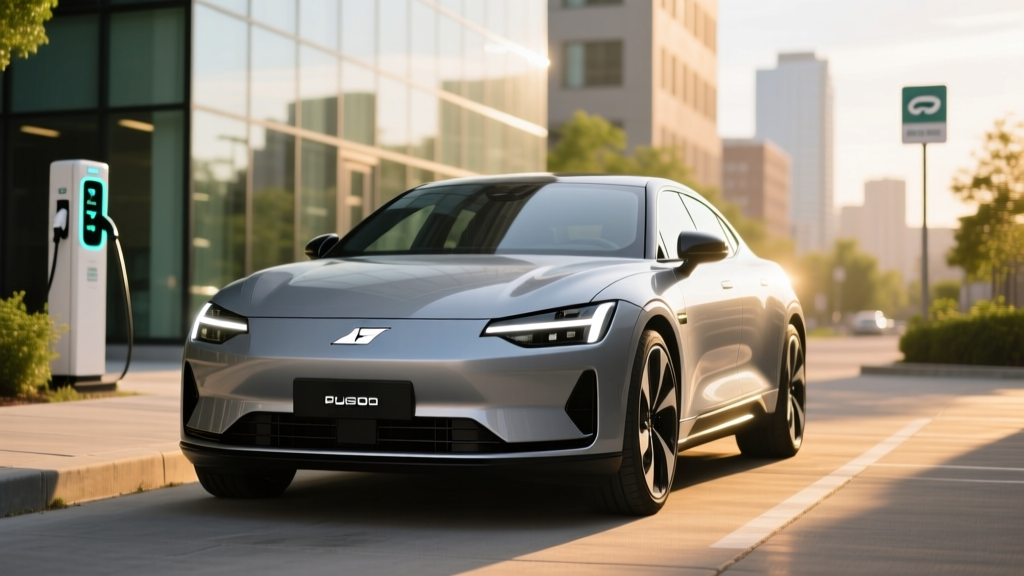
Charging infrastructure compatibility is where the Polestar 2 shows its age relative to 2026 competitors. The car launched with CCS1 connectors and has not been updated to NACS (Tesla's North American Charging Standard). You'll need a CCS-to-NACS adapter for Tesla Supercharger access — Polestar has confirmed adapter compatibility, but it's an extra step that newer EVs like the Hyundai Ioniq 6 (now NACS-native) don't require.
| Charge Level | Standard Range SM | Long Range DM | Miles Added per Hour |
|---|---|---|---|
| Level 1 (120V / 12A) | 1.4 kW | 1.4 kW | ~4 mi/hr |
| Level 2 (240V / 48A) | 11 kW | 11 kW | ~37 mi/hr |
| DC Fast (Peak) | 135 kW | 200 kW | ~145-180 mi in 27-34 min (10-80%) |
Charging curve reality check: The Long Range Dual Motor peaks at 200 kW but only sustains that rate between roughly 10-35% State of Charge (SoC). Above 50%, the rate tapers to ~100 kW, and above 80% it drops further to ~50 kW. The 27-minute 10-80% claim is achievable at a 350 kW Electrify America or EVgo station under ideal conditions (warm battery, preconditioned). In cold weather without preconditioning, add 8-12 minutes to that figure.
Home charging: The onboard 11 kW AC charger is a strong point. On a 48-amp Level 2 home circuit (requiring a 60-amp breaker), you'll add roughly 37 miles of range per hour — meaning a full overnight charge from 20% to 100% takes about 7 hours. This is competitive with the segment; the BMW i4 offers similar 11 kW AC charging, while the Tesla Model 3 offers slightly less at ~10 kW.
Performance and Driving Dynamics
The Polestar 2's chassis tuning remains one of its strongest selling points. Developed with input from Polestar's Swedish engineering team (and sharing a platform — CMA — with the Volvo XC40 Recharge), the car delivers genuinely engaging handling that feels more European sports sedan than typical EV appliance.
Single Motor (RWD, 299 hp): The base powertrain is quick enough for daily driving, hitting 0-60 mph in 5.9 seconds. The rear-wheel-drive layout gives it a more natural balance than the AWD version, and curb weight drops by roughly 200 lbs. This is the trim for buyers who prioritize efficiency and driving feel over straight-line speed.
Dual Motor (AWD, 421 hp / 476 hp with Performance Software): The 4.3-second 0-60 time (3.9 with the $5,000 Performance Software upgrade) puts it in BMW M3 territory. The Performance pack also adds Öhlins dual-flow dampers, Brembo 4-piston front calipers, and 20-inch forged wheels. However, these upgrades add weight and reduce range by approximately 10 miles.
Notable drawback: The ride quality on 20-inch wheels is firm — some owners report it as harsh on broken pavement. The 19-inch wheel option provides a noticeably more compliant ride at the cost of a small amount of range.
Pricing, Tax Credits, and Total Cost
| Trim | Base MSRP | Destination | §30D Credit Eligible? | Effective Price (if eligible) |
|---|---|---|---|---|
| Standard Range SM | $49,900 | $1,400 | Partial — up to $3,750* | ~$47,550 |
| Long Range DM | $54,900 | $1,400 | Partial — up to $3,750* | ~$52,550 |
| LR DM + Performance | $59,900 | $1,400 | Partial — up to $3,750* | ~$57,550 |
*Federal tax credit eligibility for the Polestar 2 is limited by IRS §30D battery-sourcing and critical-minerals requirements. The Polestar 2 is manufactured in China (Luqiao plant), which disqualifies it from the full $7,500 credit under current Foreign Entity of Concern (FEOC) rules. Buyers may qualify for up to $3,750 (the critical-minerals half of the credit) depending on model year and battery sourcing. Income caps also apply: $150,000 single / $300,000 joint AGI. MSRP caps for sedans are $55,000. Consult a tax professional before claiming. Point-of-sale transfer is available through participating dealers.
The China-manufacturing issue is the Polestar 2's biggest financial disadvantage. Competitors like the Tesla Model 3 (Fremont/Austin) and the Hyundai Ioniq 6 (Georgia) can qualify for the full $7,500 credit, effectively lowering their purchase price by thousands of dollars relative to the Polestar 2. This is a critical factor for cost-conscious buyers.
Interior, Tech, and Cargo
The Polestar 2's interior is Scandinavian-minimalist: clean lines, sustainable materials (vegan textile upholstery is standard, Nappa leather optional), and a portrait-oriented 11.2-inch infotainment screen running Google Automotive OS. This means native Google Maps navigation (with real-time range-aware routing), Google Assistant voice control, and access to the Play Store for apps like Spotify and YouTube (parked only).
Driver assistance: The standard Pilot Pack includes adaptive cruise control, lane-centering steering, blind-spot monitoring, and rear cross-traffic alert. This is a SAE Level 2 system — it requires the driver to remain engaged and keep hands on the wheel at all times. The optional Pilot Pack with Pixel LED headlights adds semi-autonomous lane changes on highways, but it does not approach Level 3 or Level 4 autonomy.
Cargo and space:
- Rear cargo (behind rear seats): 14.4 cu ft (hatchback design — practical for loading)
- Front trunk (frunk): 1.4 cu ft (small — fits a charging cable bag)
- Rear legroom: 33.4 inches (tight for tall passengers on long trips)
- Front headroom: 40.1 inches
Notable drawback: Rear seat space is the Polestar 2's most common complaint. The sloping roofline and raised floor (due to the battery pack) create a knees-up seating position that's uncomfortable for adults over 6 feet on trips longer than 30 minutes. Families with older children or regular rear-seat passengers should test this carefully. The Hyundai Ioniq 6 offers 0.5 inches more rear legroom, and the Tesla Model 3 offers a full 2 inches more.
Who Should Buy the Polestar 2 — And Who Shouldn't
- Best-in-class chassis dynamics — genuinely fun to drive on back roads
- Google Automotive OS is the most intuitive EV infotainment available
- 11 kW AC onboard charging (faster than most competitors)
- Strong build quality and Scandinavian design aesthetic
- Performance Software upgrade is an OTA purchase — no dealer visit
- Standard heat pump on Long Range trims (improves cold-weather range)
- CCS1 connector — requires adapter for Tesla Superchargers
- China-built — ineligible for full $7,500 federal tax credit
- Rear seat space is tight for adults
- 276-mile range trails Ioniq 6 (361 mi) and Model 3 LR (358 mi)
- Firm ride on 20-inch wheels
- Small frunk (1.4 cu ft)
- Uncertain long-term model future (discontinuation rumors persist)
Best for: Solo drivers or couples who value driving dynamics, premium interior design, and Google-native tech. Commuters covering 40-80 miles daily who can charge at home. Buyers who want something less ubiquitous than a Tesla.
Not ideal for: Families needing regular rear-seat use. Road trippers who want maximum range and Tesla Supercharger convenience. Buyers who need the full $7,500 federal tax credit to make the math work. Anyone planning to keep the car 10+ years who is concerned about parts availability if the model is eventually discontinued.
Frequently Asked Questions
Is the Polestar 2 being discontinued after 2026?
No official discontinuation has been announced. The Polestar 2 is on sale for the 2026 model year. Polestar's product roadmap focuses on the Polestar 3, 4, and upcoming 5 and 7 models. Industry analysts expect the current-generation Polestar 2 to remain available through at least 2027, but a direct successor has not been confirmed. Volvo's upcoming EX60 (also on the CMA platform) may effectively replace it within the Geely portfolio.
What is the real-world range of the Polestar 2?
The EPA rates the Long Range Dual Motor at 276 miles combined. In real-world highway driving at 70 mph in mild weather, expect approximately 240-250 miles. In freezing temperatures, that drops to roughly 200-215 miles. City driving with regenerative braking can push closer to 270-280 miles.
How fast does the Polestar 2 charge?
The Long Range Dual Motor peaks at 200 kW on DC fast chargers, achieving 10-80% in approximately 27 minutes under ideal conditions. The Standard Range Single Motor peaks at 135 kW (10-80% in ~34 minutes). At home on a Level 2 (240V/48A) charger, both trims charge at 11 kW, adding about 37 miles of range per hour.
Does the Polestar 2 qualify for the $7,500 federal EV tax credit?
Not the full amount. Because the Polestar 2 is manufactured in China, it is subject to FEOC (Foreign Entity of Concern) restrictions under IRS §30D. Buyers may qualify for up to $3,750 (the critical-minerals portion of the credit) depending on battery sourcing. Income limits ($150K single / $300K joint) and the $55,000 sedan MSRP cap also apply. Consult a tax professional for your specific situation.
Is the Polestar 2 worth buying over the Tesla Model 3 or Hyundai Ioniq 6?
It depends on your priorities. The Model 3 (358-mile LR, $47,740, full tax credit eligible, NACS native) wins on range, charging convenience, and price. The Ioniq 6 (361-mile SE LR, ~$42,000, full tax credit eligible, NACS) wins on value and efficiency. The Polestar 2 wins on chassis dynamics, interior material quality, and Google Automotive OS. If driving engagement and Scandinavian design matter more than maximum range or the lowest price, the Polestar 2 earns its premium. If you want the most practical EV sedan for the money, look at the Ioniq 6.
Will I have trouble getting parts or service if the Polestar 2 is eventually discontinued?
Polestar is backed by Volvo/Geely, one of the world's largest automakers. Even if the Polestar 2 is discontinued, federal law requires manufacturers to provide parts for at least 10 years after a model ends production. Volvo's extensive dealer and service network also supports Polestar vehicles. Long-term parts availability is far less risky than with a startup automaker.
What is the Polestar 2's battery warranty?
Polestar covers the high-voltage battery and electric powertrain for 8 years or 100,000 miles, whichever comes first. The warranty guarantees the battery will retain at least 70% of its original capacity during that period. This is standard for the premium EV segment — Tesla offers 8 years/120,000 miles on the Model 3, and Hyundai offers 10 years/100,000 miles on the Ioniq 6.
For the latest Polestar 2 availability and pricing, check Polestar USA. For safety ratings, see IIHS.