Quick Answer: Is the Nissan Micra Electric Car Worth It?
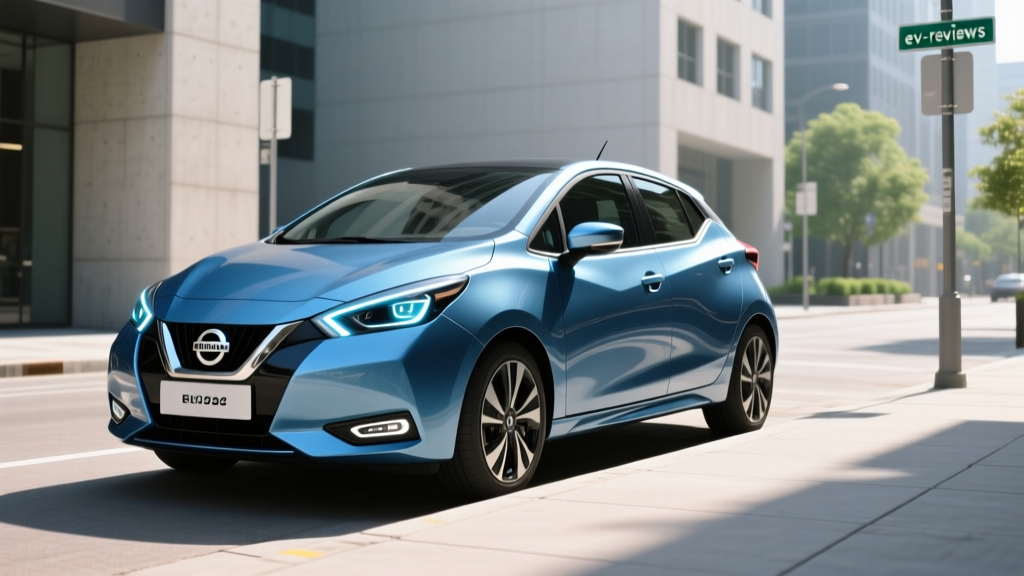
The Nissan Micra EV (badged as the Micra in Europe and expected to arrive in select global markets for the 2026 model year) is a compact, city-focused electric hatchback built on the Renault-Nissan-Mitsubishi Alliance's AmpR Small platform — the same architecture underpinning the Renault 5 E-Tech. It targets urban drivers who need an affordable, easy-to-park EV with roughly 186 miles (300 km) of WLTP range, DC fast charging up to approximately 100 kW, and a starting price in Europe around €25,000 (roughly $27,000 USD equivalent). US availability remains unconfirmed for 2026, and if it does arrive, expect pricing near $28,000–$32,000 before incentives. This guide covers every spec, cost, and ownership factor you need to evaluate.
Nissan Micra EV: What We Know About the 2026 Model
Nissan officially confirmed the Micra's electric successor — moving from the previous-generation internal-combustion Micra (sold through 2023 in some markets) to a fully battery-electric vehicle. Production is slated for the Renault ElectriCity hub in northern France. The Micra EV sits in the B-segment (subcompact hatchback) category, competing directly with vehicles like the Renault 5 E-Tech, the upcoming Volkswagen ID.2, and the BYD Dolphin in global markets.
Here is a summary of the preliminary specifications Nissan and Alliance sources have indicated:
| Specification | Estimated / Announced Figure |
|---|---|
| Battery Capacity (usable) | ~40 kWh (LFP chemistry expected for base; NMC for long-range) |
| WLTP Range | Up to ~186 mi (300 km) |
| EPA Range (est. if US-spec) | ~150–165 mi (EPA tests are more conservative than WLTP) |
| Motor Output | ~110–135 hp (80–100 kW) |
| 0–62 mph (0–100 km/h) | ~9.0–10.5 seconds |
| DC Fast Charge Peak | ~100 kW (10–80% in ~30 min) |
| AC Level 2 Charge Rate | ~11 kW (0–100% in ~4.5 hours) |
| Connector (Europe) | CCS2 (Type 2 AC + CCS DC) |
| Connector (if US-spec) | Expected NACS or CCS1 |
| Estimated Base MSRP (Europe) | ~€25,000 (~$27,000 USD) |
| Estimated Base MSRP (US, if available) | ~$28,000–$32,000 |
| Battery Warranty | 8 years / 100,000 mi (typical Nissan EV warranty) |
Real-World Range Expectations
The WLTP figure of 186 miles is optimistic for real-world driving. WLTP cycles include more city driving and lower average speeds than most American commutes. If the Micra EV reaches the US, expect an EPA sticker of roughly 150–165 miles. In real-world highway driving at 70+ mph, plan for approximately 120–140 miles before needing to charge. In cold weather (below 32°F), lithium-ion chemistry loses efficiency — expect a further 15–25% reduction, bringing effective range to roughly 100–120 miles in winter conditions. This is adequate for city commuting but demands planning for longer trips.
Micra EV vs. Gas Hatchback: Cost and Efficiency Comparison
For buyers cross-shopping the Micra EV against a conventional subcompact like the Nissan Versa or a hybrid such as the Toyota Yaris Hybrid, the economics depend heavily on your driving patterns and electricity costs. Here is a data-driven comparison assuming 12,000 miles per year:
| Factor | Nissan Micra EV (est.) | Nissan Versa (gas, 2025) | Toyota Yaris Hybrid (est.) |
|---|---|---|---|
| MSRP (base) | ~$28,000–$32,000 | $16,680 | ~$22,000 (global) |
| Fuel / Energy Cost per Mile | $0.04–$0.06 (home charging at $0.15/kWh) | $0.12–$0.14 (at $3.50/gal, 32 MPG) | $0.07–$0.09 (at 50+ MPG) |
| Annual Fuel/Energy Cost (12k mi) | $480–$720 | $1,440–$1,680 | $840–$1,080 |
| Annual Maintenance | ~$300–$400 | ~$600–$800 | ~$500–$700 |
| 5-Year Fuel + Maintenance | $3,900–$5,600 | $10,200–$12,400 | $6,700–$8,900 |
| EPA MPGe / MPG | ~110–120 MPGe (est.) | 32 MPG combined | ~50 MPG combined |
The Micra EV saves roughly $5,000–$7,000 over five years in fuel and maintenance compared to a gas subcompact. However, the higher upfront purchase price (approximately $12,000–$15,000 more than a Versa) means the break-even point on operating savings alone is 7–10 years without factoring in tax credits or incentives.
Charging the Nissan Micra Electric Car: Home and Public
Charging access is the single most important ownership variable for any EV buyer. Here is what Micra EV charging looks like across the three levels:
| Charging Level | Power | Miles Added per Hour | Use Case |
|---|---|---|---|
| Level 1 (120V household outlet) | ~1.4 kW | ~4–5 mi/hr | Overnight top-up; adds ~40–50 mi in 10 hrs |
| Level 2 (240V home wallbox) | ~7.4–11 kW | ~25–37 mi/hr | Full charge in 4–5 hours; ideal daily solution |
| DC Fast Charging | Up to ~100 kW | ~180+ mi in 30 min | Road-trip charging; 10–80% in ~30 min |
kW vs. kWh — the critical distinction: kW (kilowatts) measures the rate of charging — how fast energy flows into the battery. kWh (kilowatt-hours) measures the capacity of the battery — how much total energy it stores. A 40 kWh battery charged at 100 kW will theoretically fill in about 24 minutes, but real-world charging curves taper significantly above 80% state of charge (SoC) to protect battery health. Expect the 10–80% charge to take approximately 30 minutes, while 80–100% can take nearly as long as the first 70%.
Home Charging Installation Costs
If you have a garage or dedicated parking spot, a Level 2 home charger is the most practical daily solution. Here is a typical cost breakdown for a 240V / 48-amp home wallbox installation:
| Item | Typical Cost Range |
|---|---|
| Level 2 Wallbox (e.g., ChargePoint Home Flex, Wallbox Pulsar) | $500–$750 |
| Electrician labor (240V circuit, 50-amp breaker) | $600–$1,500 |
| Permit and inspection | $100–$300 |
| Panel upgrade (if needed, 200A service) | $1,500–$3,000 |
| Total (no panel upgrade) | $1,200–$2,550 |
| Total (with panel upgrade) | $2,700–$5,550 |
Always consult a licensed electrician for a site-specific quote. Older homes with 100-amp electrical panels may require an upgrade to support a dedicated 50-amp EV circuit alongside existing household loads.
Tax Credits, Incentives, and the True Purchase Cost
If the Micra EV launches in the US, federal tax credit eligibility under IRS §30D would depend on several factors that change annually:
- MSRP cap: Sedans and hatchbacks must have an MSRP at or below $55,000 to qualify. The Micra EV should easily clear this threshold.
- Buyer income cap: Adjusted gross income must not exceed $150,000 (single), $225,000 (head of household), or $300,000 (married filing jointly).
- Battery sourcing requirements: A percentage of critical minerals and battery components must be sourced from the US or free-trade-agreement countries. This is the most uncertain factor for a vehicle produced in France — it may limit the credit to $3,750 or disqualify it entirely depending on the supply chain at time of delivery.
- Point-of-sale transfer: As of 2024, buyers can transfer the credit to the dealer at purchase, reducing the out-of-pocket price immediately rather than waiting for a tax refund.
Important caveat: Because the Micra EV is assembled in France with Alliance-sourced batteries, full $7,500 credit eligibility is uncertain. Buyers should verify current-year eligibility on fueleconomy.gov before purchasing and consult a tax professional for personal eligibility.
Real-World Ownership: What First-Time EV Buyers Must Know
Beyond the spec sheet, several practical factors determine whether the Micra EV — or any compact EV — fits your life:
| Common Misconception | Factual Reality |
|---|---|
| "186 miles of range means I can drive 186 miles." | WLTP is optimistic. Real-world highway range is ~120–140 mi; winter reduces this further to ~100–120 mi. |
| "EVs are maintenance-free." | Tires, cabin air filters, brake fluid, wipers, and 12V battery still need service. But no oil changes, spark plugs, or transmission fluid. |
| "The battery will need replacing in 5 years." | Modern LFP and NMC batteries retain 85–90%+ capacity after 8 years / 100,000 mi. Nissan warranties the battery for 8 years against dropping below ~70% capacity. |
| "Public charging is always broken." | Reliability varies by network. Tesla Superchargers (now open to NACS-equipped non-Teslas) average 97%+ uptime. Electrify America and ChargePoint vary by location — check PlugShare reviews before relying on a specific station. |
| "I need a home charger to own an EV." | Home charging is ideal, but many EV owners rely on workplace charging, public Level 2 stations, and occasional DC fast charging. It's less convenient but feasible for low-mileage drivers. |
Who Should Buy the Micra EV?
The Micra EV's compact size, moderate range, and affordable price point make it a strong fit for specific use cases — and a poor fit for others.
Decision Framework
Choose the Nissan Micra EV if:
- Your daily round-trip commute is under 60 miles
- You have access to home or workplace Level 2 charging
- You primarily drive in urban or suburban environments
- You want a low-cost entry into EV ownership
- You rarely take road trips exceeding 150 miles one-way (or are comfortable planning DC fast-charge stops)
Look elsewhere (long-range EV, PHEV, or hybrid) if:
- Your daily commute exceeds 80 miles round-trip
- You regularly drive 200+ miles in a single day
- You live in an area with sparse public charging infrastructure
- You experience winters below 20°F for extended periods (range loss compounds with a smaller battery)
- You need cargo space for family gear — the Micra's hatchback cargo area is approximately 10–12 cu ft behind the rear seats
5-Year Total Cost of Ownership Estimate
Assuming the Micra EV launches in the US at approximately $30,000 MSRP and the buyer qualifies for a $3,750 federal credit (partial credit due to battery sourcing), here is a projected five-year ownership comparison against a gas subcompact:
| Cost Category | Nissan Micra EV (est.) | Nissan Versa (gas) |
|---|---|---|
| Purchase Price (after credit) | $26,250 | $16,680 |
| Home Charger Install | $1,800 | $0 |
| 5-Year Energy / Fuel | $3,000 | $7,800 |
| 5-Year Maintenance | $1,750 | $3,500 |
| 5-Year Insurance (est.) | $7,500 | $5,500 |
| Estimated Depreciation (5 yr) | $12,000 | $6,500 |
| Total 5-Year Cost | $52,300 | $39,980 |
Even with lower energy and maintenance costs, the Micra EV's higher purchase price and steeper depreciation (a common issue for compact EVs as the segment evolves rapidly) mean the five-year total cost remains higher than a budget gas car. The economics improve significantly with a full $7,500 credit, lower local electricity rates, or state-level incentives. Always check your state's specific EV rebate programs — these vary widely and can shift the math by $1,000–$5,000.
For authoritative safety data once the vehicle launches, monitor NHTSA crash-test ratings and IIHS evaluations. European-market versions will likely be tested by Euro NCAP first, which provides a strong preview of structural safety performance.
Frequently Asked Questions
Is the Nissan Micra electric car available in the United States?
As of early 2026, Nissan has not officially confirmed US availability for the Micra EV. The vehicle is confirmed for European markets with production in France. If Nissan decides to bring it stateside, expect an announcement later in 2026 for a possible 2027 model-year launch. US-spec models would likely feature NACS or CCS1 connectors and EPA-rated range figures.
How does the Micra EV compare to the Nissan Leaf?
The Micra EV is smaller and less powerful than the Leaf. The 2025 Leaf offers up to 212 miles of EPA range (SV Plus trim with 60 kWh battery) and starts around $28,140. The Micra EV trades range for a lower price point and a more compact footprint suited to tight urban streets. If you need more range and are buying in the US today, the Leaf (or a used Leaf) remains the more practical Nissan EV option.
What is the expected battery replacement cost?
If the Micra EV uses a ~40 kWh pack, replacement cost based on current industry pricing of approximately $130–$180 per kWh would range from $5,200 to $7,200 for the battery module alone, plus labor. However, complete battery replacements are rare — most EV batteries outlast the vehicle's useful life, and individual module repairs are often possible at lower cost.
Can I use a Tesla Supercharger with the Micra EV?
This depends on the connector. European Micra EVs will use CCS2 and can access Tesla Superchargers that have been opened to non-Tesla vehicles via the Tesla app (in markets where Tesla has opened the network). If a US-spec Micra EV launches with NACS, it would have native Supercharger access. A CCS1-equipped US version would require a NACS adapter.
How does cold weather affect the Micra EV's range?
Lithium-ion batteries lose efficiency in cold temperatures. At 20°F, expect approximately 20–30% range reduction compared to mild-weather driving. Preconditioning the battery (warming it while still plugged in) before departure can recover some of this loss. The Micra EV's smaller 40 kWh battery means cold-weather range could drop to roughly 100–120 real-world miles — a genuine limitation for drivers in northern climates.
Does the Micra EV qualify for the $7,500 federal tax credit?
Eligibility under IRS §30D depends on battery sourcing, MSRP caps, and buyer income limits. Because the Micra EV is assembled in France, it must meet critical-mineral and battery-component sourcing thresholds to qualify for either $3,750 or the full $7,500. Check the latest eligibility list on fueleconomy.gov at the time of purchase, as supply-chain changes can shift qualification status between model years.