NIO's March 2026 delivery figures have drawn significant attention from EV shoppers and analysts alike. The Chinese automaker reported strong numbers across its lineup — but what do these delivery volumes actually signal for prospective buyers considering a NIO vehicle? Beyond the headline figures, the real questions center on range, charging infrastructure, pricing, and whether these models can compete with established players in the US and global markets.
In this analysis, we dissect NIO's current lineup through the lens of an actual EV buyer: examining real-world range versus EPA estimates, charging speeds, battery technology, pricing after tax credits, and which NIO model (if any) makes sense for your driving needs.
Why NIO March Vehicle Deliveries Matter in 2026
NIO's monthly delivery reports serve as a barometer for the brand's market traction and financial health. For buyers, delivery volume trends indicate whether a manufacturer has staying power — a critical factor when committing $50,000+ to a vehicle that will need long-term parts support, software updates, and resale viability.
March 2026 deliveries reflect post-Chinese New Year recovery patterns and the ramp-up of newer models like the refreshed ET7 sedan and the EL8 (known as ES8 in some markets) SUV. NIO's cumulative delivery growth signals increasing production capacity and market acceptance, particularly in premium EV segments where competition from Tesla, BMW, and Mercedes-Benz is fierce.
For US-based shoppers, the relevance depends on NIO's availability in your market. NIO has been expanding internationally, with operations in Europe (Norway, Germany, Netherlands, Sweden, Denmark) and ongoing speculation about a US market entry. If you're reading this from a market where NIO is available — or considering importing — the specs below are what you need to know.
NIO's Current Lineup: Range, Battery, and Efficiency
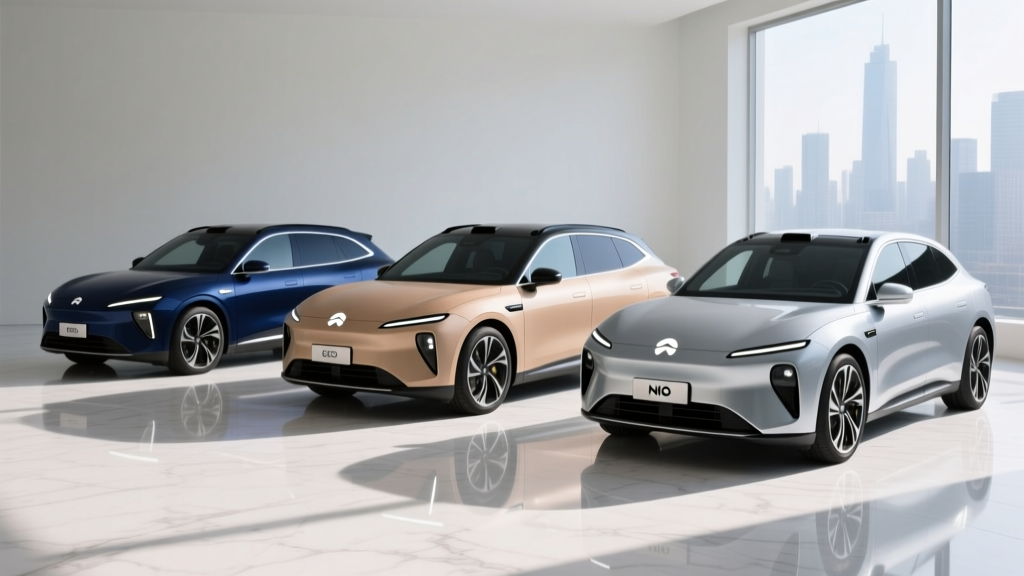
NIO offers several battery configurations across its fleet, with a unique battery-swapping ecosystem that sets it apart from competitors. Here's how the core models stack up on the metrics that matter most.
| Model | Battery (kWh) | Chemistry | EPA/WLTP Range | MPGe | 0-60 mph | HP | Drivetrain |
|---|---|---|---|---|---|---|---|
| ET7 (Sedan) | 75 kWh / 100 kWh / 150 kWh | LFP (75) / NMC (100/150) | ~305 mi (75 kWh, EPA est.) | ~105 MPGe | 3.8s | 644 | AWD Dual-Motor |
| EL8 / ES8 (SUV) | 75 kWh / 100 kWh | LFP (75) / NMC (100) | ~255 mi (75 kWh, EPA est.) | ~89 MPGe | 4.1s | 536 | AWD Dual-Motor |
| ET5 (Compact Sedan) | 75 kWh / 100 kWh | LFP (75) / NMC (100) | ~280 mi (75 kWh, EPA est.) | ~110 MPGe | 4.3s | 483 | AWD Dual-Motor |
| EL7 / ES7 (Mid-Size SUV) | 75 kWh / 100 kWh | LFP (75) / NMC (100) | ~270 mi (75 kWh, EPA est.) | ~92 MPGe | 3.9s | 536 | AWD Dual-Motor |
Charging Speed and Battery-Swap Infrastructure
NIO's approach to replenishment is dual-track: conventional plug-in charging plus proprietary battery swap stations. This is the brand's most distinctive feature and the one most misunderstood by international buyers.
| Charging Method | Power / Rate | Time / Miles Added | Notes |
|---|---|---|---|
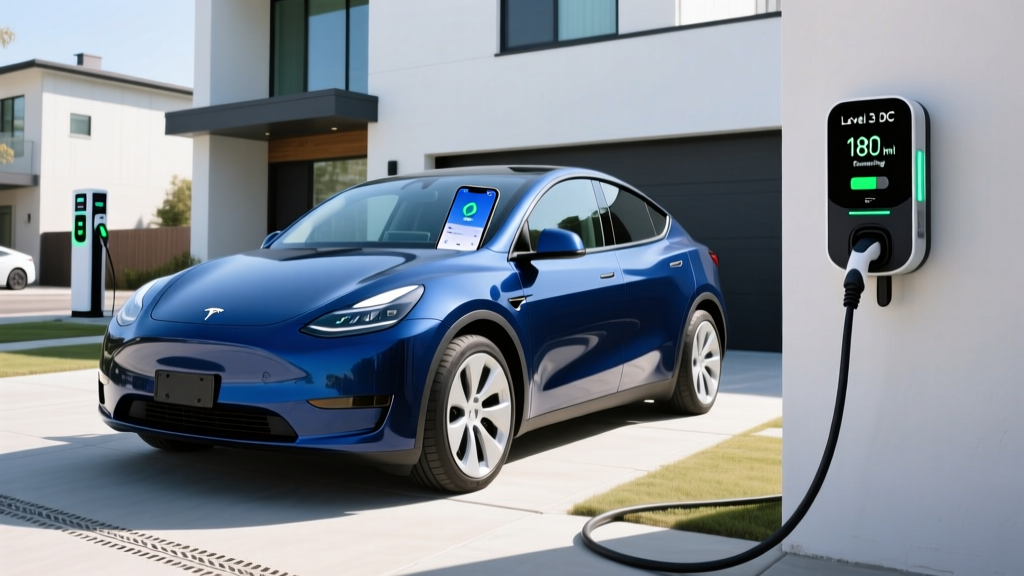
| DC Fast Charge (Peak) | ~180 kW (75 kWh pack) / ~210 kW (100 kWh pack) | 10-80% in ~30 min (75 kWh) | Peak rate sustained to ~55% SoC, then tapers |
| Level 2 Home Charging | 7 kW (single-phase) / 11 kW (three-phase) | ~25-35 miles per hour of charging | Full charge overnight (~10-14 hours for 100 kWh) |
| Level 1 (Standard Outlet) | ~1.4 kW | ~4-5 miles per hour | Emergency/trickle only |
| Battery Swap Station | N/A (physical swap) | ~3-5 minutes for full battery | Available in China and select European markets; subscription-based |
A critical nuance on the DC fast-charge curve: NIO's 75 kWh LFP pack peaks around 180 kW but sustains that rate for a relatively narrow window (roughly 15-55% state of charge). Above 80%, charge rates drop to under 50 kW — consistent with LFP chemistry behavior. The 100 kWh NMC pack sustains higher rates longer, making it the better choice for frequent road-trippers who rely on DC fast charging.
Battery swap is NIO's ace in markets where it's deployed. A depleted pack is exchanged for a fully charged one in under five minutes — faster than any DC fast-charge session. However, swap station density outside China remains limited, and the model requires subscription pricing (NIO's "Battery as a Service" or BaaS) that reduces the vehicle purchase price but adds a monthly fee of roughly $140-$230 depending on pack size.
Pricing, Trims, and Federal Tax Credit Eligibility
NIO's pricing structure varies significantly by market. Below is a breakdown based on European pricing (converted) and estimated US pricing should NIO enter the American market. Actual US MSRP would depend on import tariffs, homologation costs, and dealer structure.
| Model / Trim | Estimated Base MSRP | As-Tested Price | §30D Federal Credit Eligibility |
|---|---|---|---|
| ET7 (Standard Range, 75 kWh) | ~$58,000 | ~$65,000 (with NIO Link package) | Unlikely — battery sourcing and MSRP rules apply |
| ET7 (Long Range, 100 kWh) | ~$68,000 | ~$75,000 | Exceeds $55,000 sedan MSRP cap if classified as sedan |
| EL8 / ES8 (100 kWh) | ~$72,000 | ~$82,000 | Potentially eligible if classified as SUV ($80,000 cap) |
| ET5 (75 kWh) | ~$45,000 | ~$52,000 | Under MSRP cap; sourcing rules likely disqualify |
| EL7 / ES7 (100 kWh) | ~$62,000 | ~$70,000 | Potentially eligible as SUV under $80,000 cap |
Tech, Interior, and Standout Features
NIO positions itself as a technology-luxury brand, and the cabin experience reflects that ambition. Across the lineup, several features distinguish NIO from legacy luxury EVs:
- NOMI AI Companion: A dashboard-mounted robotic "face" that responds to voice commands, displays expressions, and learns user preferences. Gimmicky at first glance, but owners report it becomes genuinely useful for climate, navigation, and media control.
- NIO Link / Banyan Infotainment: A vertically oriented 12.8-inch AMOLED center display running NIO's Banyan OS. Supports over-the-air updates, augmented-reality navigation, and integration with NIO's ecosystem (including NIO Houses — premium owner lounges in major cities).
- Driver Assistance (NIO NAD): NIO's advanced driver-assistance system includes LiDAR (a roof-mounted unit on ET7/ET5/EL7), 11 cameras, and 5 millimeter-wave radars. It operates at SAE Level 2 — meaning the driver must remain engaged and hands on or near the wheel at all times. This is not autonomous driving.
- Battery Swap Compatibility: The ability to swap packs means owners can upgrade to a larger battery for road trips and downsize for daily commuting — a flexibility no other automaker currently offers at scale.
- PanoCinema: An AR/VR-ready cabin with dedicated glasses that project a virtual screen array for passengers — functional in parked mode and limited while driving for safety.
Pros, Cons, and Who Should Buy
Pros
- Battery swap ecosystem eliminates charging wait (where available)
- Multiple battery sizes — flexibility for daily vs. road-trip use
- Strong performance: sub-4-second 0-60 across lineup
- Premium interior materials rivaling BMW/Mercedes
- LiDAR-equipped ADAS as standard (not a pricey add-on)
- 150 kWh semi-solid-state pack offers 400+ mile real-world range
- BaaS model reduces upfront purchase price by $10,000-$15,000
Cons
- US availability uncertain — no confirmed stateside launch date
- No federal §30D tax credit eligibility under current rules
- DC fast charging peaks modestly vs. Hyundai/Kia (which hit 350 kW)
- Battery swap subscription adds ongoing cost ($140-$230/month)
- Charging curve tapers sharply above 80% on LFP packs
- Limited service center network outside China and Northern Europe
- Resale value unproven in Western markets
Who This EV Suits Best
Ideal buyer: A tech-forward professional in a market where NIO operates (Europe, China) who values performance, premium materials, and the flexibility of battery swapping. The ET7 with the 100 kWh pack is the sweet spot for executive commuting and occasional road trips.
Family hauler: The EL8/ES8 offers three-row seating, ~18 cu ft of cargo behind the third row (expanding to ~65 cu ft with rows folded), and the AWD dual-motor setup handles inclement weather confidently. However, the 255-mile EPA-estimated range with the 75 kWh pack may feel tight for families who road-trip frequently.
US-based buyer: Unless NIO announces a US market entry with North American production, this brand remains a "watch list" option. The lack of §30D eligibility and absence of a service network make it impractical for American buyers in 2026.
NIO vs. Key Competitors: Is It Worth Buying?
In markets where NIO competes, the most direct rivals are the Tesla Model S, BMW i5, Mercedes EQE, and the Hyundai Ioniq 6. Here's how NIO's ET7 (100 kWh) compares on the metrics that drive purchase decisions:
- vs. Tesla Model S: The Model S offers longer EPA range (~405 mi), faster Supercharger access, and a proven US service network. The ET7 counters with a more luxurious interior, LiDAR-based ADAS, and battery-swap flexibility.
- vs. BMW i5: The i5 is slightly less powerful but offers BMW's established dealer network and strong resale value. The ET7 undercuts on price while offering more range per kWh.
- vs. Hyundai Ioniq 6: The Ioniq 6 charges significantly faster (peak 350 kW, 10-80% in ~18 min) and qualifies for the §30D credit in the US. The ET7 offers more interior space and premium materials but can't match the Hyundai's charging speed or US incentive eligibility.
Frequently Asked Questions
What is the real-world range of NIO's most popular models?
For the ET7 with the 100 kWh NMC pack, expect approximately 260-280 miles in real-world highway driving at moderate temperatures. In city driving with regenerative braking, you may see 290-310 miles. Cold weather (below freezing) reduces range by 20-30%. The 75 kWh LFP pack delivers roughly 200-230 miles real-world. The 150 kWh semi-solid-state pack achieves 400+ miles under favorable conditions but is priced at a significant premium and currently limited in availability.
How fast does a NIO charge at home and on DC fast chargers?
On a Level 2 home charger (7 kW single-phase), expect roughly 25-30 miles of range per hour of charging — a full charge from empty takes 10-14 hours depending on pack size. On DC fast chargers, the 75 kWh LFP pack peaks at ~180 kW (10-80% in approximately 30 minutes), while the 100 kWh NMC pack peaks at ~210 kW (10-80% in approximately 28 minutes). Both packs taper significantly above 80% SoC — plan your stops to 80% for time efficiency. Battery swap, where available, completes a full "recharge" in 3-5 minutes.
Does NIO qualify for the US federal EV tax credit?
Under current IRS §30D rules, NIO vehicles are extremely unlikely to qualify. The credit requires final assembly in North America, which NIO does not currently perform. Additionally, battery component and critical mineral sourcing requirements favor vehicles with supply chains tied to the US or free-trade-agreement partners. Even if NIO established US sales, buyers should not assume $7,500 credit eligibility without confirming all criteria — including income caps ($150K single / $300K joint) and MSRP limits ($55K sedans / $80K SUVs). Consult a tax professional for your specific situation.
Is NIO's battery-swap model financially worthwhile?
It depends on your usage pattern. NIO's Battery as a Service (BaaS) reduces the vehicle purchase price by $10,000-$15,000 (since you don't buy the battery), but adds a monthly subscription of $140-$230. If you keep the vehicle 3-4 years and value the flexibility of upgrading battery sizes, BaaS can be cost-neutral or slightly beneficial. If you plan to own the vehicle 7+ years, purchasing the battery outright is typically cheaper. Factor in that swap-station access is only valuable if stations are conveniently located on your routes.
How does NIO's warranty compare to competitors?
NIO offers a competitive warranty package in markets where it operates: typically 6 years / 93,000 miles (150,000 km) for the vehicle and 10 years / 155,000 miles (250,000 km) for the battery pack, with a capacity retention guarantee of 70-80% depending on the market. This is comparable to Tesla's 8-year/120,000-mile battery warranty and Hyundai's 10-year/100,000-mile coverage. Note that warranty terms may differ if NIO enters the US market, where state lemon laws and consumer expectations may push terms higher.
What are NIO March vehicle deliveries telling us about the brand's health?
NIO's March 2026 delivery figures, viewed in context of Q1 trends, indicate steady production scaling and growing demand in existing markets. Monthly delivery volumes in the 15,000-20,000+ unit range position NIO as a mid-tier premium EV manufacturer — smaller than Tesla or BYD but growing faster than many legacy luxury EV programs. For buyers, consistent delivery growth is a positive signal for long-term brand viability, parts availability, and software support continuity. However, it does not guarantee market entry in regions where NIO does not yet operate.
NIO's March 2026 delivery numbers reflect a brand that is scaling production and refining its product lineup — but availability, tax-credit eligibility, and service infrastructure remain the deciding factors for individual buyers. If you're in a NIO-operating market, the ET7 and EL8 represent compelling alternatives to Tesla and legacy luxury EVs, particularly if battery swap stations are accessible. For US buyers, NIO remains a brand to monitor rather than purchase — at least until a North American strategy materializes.