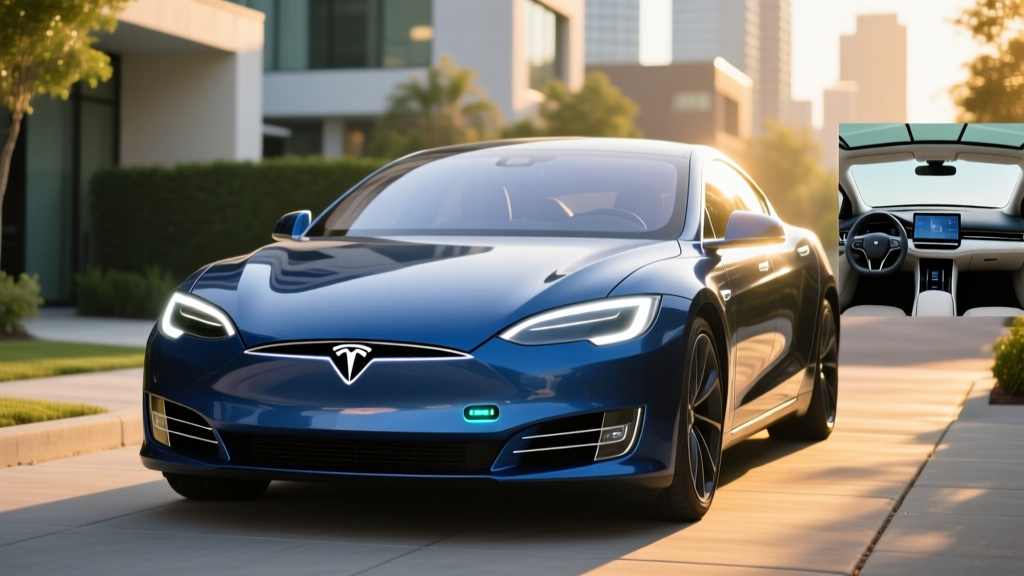
Search for "Nikola Tesla car" and you are almost certainly looking for the vehicle that carries his namesake company's legacy forward. Tesla, Inc. — named in honor of the Serbian-American inventor and electrical engineering pioneer Nikola Tesla — produces several electric vehicles today, but the one that most closely embodies the ambition of its namesake is the 2026 Tesla Model S. It remains Tesla's flagship sedan, its longest-range offering, and the car that proved EVs could outperform internal-combustion supercars on a drag strip while commuting silently to the office.
This review covers the 2026 Model S in detail: real-world range versus EPA stickers, charging curves, battery chemistry, tax credit eligibility under current IRS §30D rules, and whether it still justifies its premium price against rivals like the Lucid Air, BMW i5, and Mercedes EQS.
2026 Tesla Model S: Core Specifications at a Glance
| Spec | Model S Long Range | Model S Plaid |
|---|---|---|
| EPA Range | 402 mi | 359 mi |
| Battery (usable) | ~95 kWh (NMC) | ~95 kWh (NMC) |
| Drivetrain | Dual-Motor AWD | Tri-Motor AWD |
| Horsepower | 670 hp | 1,020 hp |
| 0–60 mph | 3.1 sec | 1.99 sec |
| Top Speed | 155 mph | 200 mph |
| Peak DC Charge Rate | 250 kW | 250 kW |
| 10–80% DC Time | ~27 min | ~27 min |
| Level 2 Rate (11.5 kW) | ~34 mi/hr | ~34 mi/hr |
| MPGe (combined) | 120 MPGe | 116 MPGe |
| Base MSRP | $74,990 | $89,990 |
| Federal Tax Credit (§30D) | Not eligible | Not eligible |
| Battery Warranty | 8 yr / 150,000 mi | 8 yr / 150,000 mi |
Range, Efficiency, and Real-World Expectations
The Model S Long Range posts an EPA-estimated 402 miles on a full charge — one of the highest figures of any production EV sold in the U.S. in 2026. The tri-motor Plaid, carrying the same approximate 95 kWh usable battery but with higher rolling resistance and more aggressive calibration, is rated at 359 miles. According to fueleconomy.gov, the Long Range achieves 120 MPGe combined (28 kWh/100 mi), which is competitive for a large, heavy luxury sedan.
EPA tests include a generous city-bias and mild climate assumptions. Expect the following in practice:
- Highway cruising (70–80 mph, moderate weather): ~340–370 mi (Long Range)
- Cold weather (below 32°F, cabin heat on): ~280–320 mi (Long Range), representing a 20–30% reduction
- Mixed commuter driving (city + suburban): close to the 402 mi EPA figure, especially with regen braking recapturing energy
The Model S uses a heat pump as standard, which helps limit winter range loss compared to resistive-heater EVs. Still, any buyer in a northern climate should plan around roughly 300 miles of usable winter range.
Battery Chemistry, Degradation, and Warranty Coverage
Tesla does not officially publish cell chemistry for the Model S, but teardowns and supply-chain data indicate the sedan continues to use NMC (nickel manganese cobalt) lithium-ion cells in its structural pack. NMC offers higher energy density than LFP (lithium iron phosphate), which is why it remains the choice for Tesla's long-range and performance models. The trade-off: NMC degrades slightly faster than LFP over thousands of cycles and benefits from being kept between 20–80% state of charge for daily use.
Tesla's battery warranty covers 8 years or 150,000 miles (whichever comes first), with a guaranteed minimum of 70% capacity retention over that period. In practice, Tesla fleet data suggests Model S packs typically lose about 10–12% capacity over the first 100,000 miles, with the curve flattening significantly afterward. The 150,000-mile threshold is among the most generous in the luxury EV segment — BMW and Mercedes typically offer 8 yr / 100,000 mi.
Charging Speed: DC Fast Charging and Home Level 2
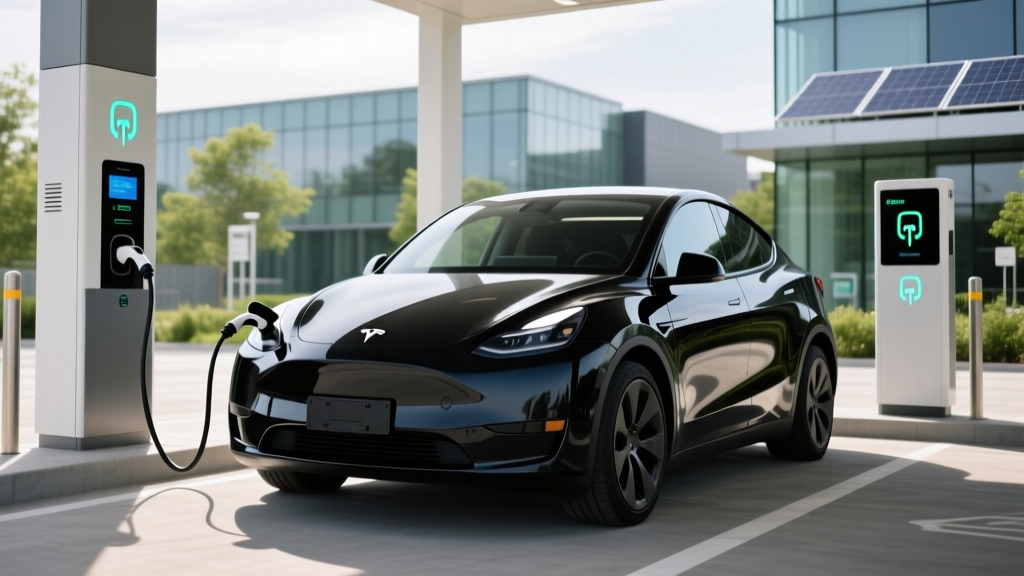
The Model S uses the NACS (North American Charging Standard) connector natively — Tesla's own plug, which has now been adopted by nearly every major automaker for 2025+ models. This gives Model S owners the broadest access to the Supercharger network, the most reliable DC fast-charging infrastructure in the U.S.
| Charging Method | Power | Speed / Time | Notes |
|---|---|---|---|
| Level 1 (120V outlet) | ~1.4 kW | ~4 mi/hr | Emergency/trickle only |
| Level 2 (240V, 48A Wall Connector) | 11.5 kW | ~34 mi/hr; full charge in ~9 hr | Standard home setup |
| DC Fast Charge (Supercharger V3) | Up to 250 kW (peak) | 10–80% in ~27 min | Peak rate tapers above 50% SoC |
| DC Fast Charge (V4 Supercharger) | Up to 250 kW (Model S cap) | Similar to V3 | V4 hardware supports higher rates but Model S architecture limits to 250 kW |
Charging curve reality: The Model S peaks at 250 kW only briefly, typically between 10–30% SoC. Above 50%, the rate tapers to roughly 100–120 kW, and above 80% it drops further to protect the NMC cells. Plan road-trip stops around 10–80% sessions; charging past 80% is time-inefficient and unnecessary for most highway legs.
At home, Tesla's Wall Connector on a 60A circuit delivers 11.5 kW (48A continuous), replenishing roughly 34 miles of range per hour. Most owners who charge overnight will wake to a full battery regardless of daily consumption.
Performance and Driving Dynamics
The Long Range's dual-motor all-wheel-drive powertrain delivers 670 hp and a 3.1-second 0–60 mph time — figures that would have defined a supercar a decade ago. The Plaid adds a third rear motor for 1,020 hp and a claimed 1.99-second 0–60, making it the quickest production sedan ever built. Both variants feature adaptive air suspension with automatic ride-height adjustment, torque-vectoring AWD, and carbon-ceramic brake availability on the Plaid.
On the road, the Model S rides with composed isolation at highway speeds, though its steering feel remains more synthetic than a BMW i5 or Porsche Taycan. The yoke steering wheel, standard on the Plaid and optional on the Long Range, remains divisive — it aids visibility of the instrument cluster but complicates low-speed parking maneuvers. A conventional round wheel is available at no extra charge.
Interior, Cargo, and Practicality
The Model S seats five adults with generous rear legroom (approximately 40.9 inches front, 40.0 inches rear). Cargo capacity stands at 28 cu ft behind the rear seats, expanding to roughly 79 cu ft with the 60/40 rear seats folded — aided by the hatchback liftgate design that provides far better access than a traditional sedan trunk. The front trunk (frunk) adds approximately 3.1 cu ft of secure storage.
The cabin centers on a 17-inch OLED touchscreen that tilts toward the driver, a 12.3-inch instrument cluster, and an 8-inch rear-seat entertainment screen. Build quality has improved meaningfully since the 2021 refresh, with better panel gaps and soft-touch materials, though it still trails the Mercedes EQS and Lucid Air in perceived luxury.
Pricing, Trims, and Federal Tax Credit Eligibility
The 2026 Model S is offered in two trims:
- Long Range: $74,990 MSRP (destination included)
- Plaid: $89,990 MSRP
Common options include Ultra Red paint ($2,000), 21-inch Arachnid wheels ($4,500), and Full Self-Driving (Supervised) capability ($8,000). A well-equipped Long Range typically lands between $80,000–$85,000 before incentives.
| Trim | MSRP | §30D Federal Credit | Effective Price |
|---|---|---|---|
| Long Range | $74,990 | $0 (not eligible) | $74,990 |
| Plaid | $89,990 | $0 (not eligible) | $89,990 |
Why no federal tax credit? Under IRS §30D rules, the Model S fails on two fronts: (1) its MSRP exceeds the $55,000 sedan cap set by the Inflation Reduction Act, and (2) its battery sourcing and critical-mineral supply chain do not meet the 2026 domestic-content thresholds. Buyers should consult the IRS clean vehicle credit page for the latest eligibility lists, as rules shift annually. Some states (California, Colorado, New York) offer separate rebates that may partially offset the cost — check your local DMV or energy office.
Driver Assistance and Technology
Every Model S ships with Tesla's Autopilot suite: adaptive cruise control, lane-centering, automatic emergency braking, and blind-spot monitoring. The optional Full Self-Driving (Supervised) package ($8,000) adds city-street navigation, traffic-light recognition, and automated lane changes.
Both Autopilot and FSD (Supervised) are SAE Level 2 driver-assistance systems. The driver must remain fully engaged, hands on the wheel (or providing torque input), and eyes on the road at all times. These are not self-driving systems. Tesla's naming of "Full Self-Driving" has drawn regulatory scrutiny from NHTSA. Only Level 4 robotaxi services like Waymo operate without a human driver.
The Model S also features Tesla's signature software ecosystem: over-the-air updates, Sentry Mode (parked-camera surveillance), a built-in browser, Netflix/YouTube streaming while parked, and a phone-as-key system. The infotainment remains the most responsive in the EV segment, though Apple CarPlay and Android Auto are notably absent — Tesla's proprietary system is the only option.
Pros, Cons, and the Verdict
- Class-leading 402 mi EPA range (Long Range)
- Access to the Supercharger network — most reliable U.S. DC fast-charging
- 1,020 hp Plaid performance unmatched by any sedan at any price
- Generous 150,000-mile battery warranty
- Spacious hatchback cargo design with frunk
- Continuous OTA improvements
- No federal tax credit — $75K+ out of pocket
- Interior luxury lags Lucid Air, Mercedes EQS, and BMW i7
- 250 kW peak DC rate trails Hyundai Ioniq 5 / Kia EV6 (350 kW capability)
- Yoke steering remains impractical for some drivers
- No Apple CarPlay / Android Auto
- Insurance premiums tend to be above segment average
Who Should Buy the 2026 Tesla Model S?
The Model S Long Range suits high-mileage commuters and road-trip enthusiasts who prioritize maximum range, Supercharger reliability, and strong performance. If your daily drive exceeds 60 miles round-trip and you take multi-state highway trips regularly, the 402-mile range and Supercharger ecosystem are genuine advantages over competitors.
The Plaid targets performance buyers who want hypercar acceleration in a four-door daily driver. There is no sedan — electric or otherwise — that matches its 1.99-second 0–60.
Consider alternatives if: you need the most luxurious interior in the segment (look at the Lucid Air Grand Touring or Mercedes EQS), you want a more engaging chassis (BMW i5 M60 or Porsche Taycan), or you need the federal $7,500 credit to make the math work (the BMW i5 xDrive40 and certain trims of the Hyundai Ioniq 6 still qualify under §30D).
Frequently Asked Questions
What is the real-world range of the 2026 Tesla Model S?
The EPA rates the Long Range at 402 miles. In real-world highway driving at 75 mph, expect approximately 340–370 miles. In freezing winter conditions with cabin heat, plan for 280–320 miles. The Plaid's real-world highway range is roughly 300–330 miles.
How fast does the Model S charge at home and on the road?
At home on a Level 2 Tesla Wall Connector (11.5 kW), the Model S gains about 34 miles of range per hour, reaching a full charge in roughly 9 hours. On a V3 Supercharger, it peaks at 250 kW and charges from 10–80% in approximately 27 minutes, though the rate tapers significantly above 50% SoC.
Does the 2026 Model S qualify for the federal EV tax credit?
No. The Model S does not qualify for the IRS §30D clean vehicle credit because its MSRP exceeds the $55,000 sedan cap and its battery sourcing does not meet current critical-mineral and domestic-component thresholds. Check irs.gov for updates, as eligibility lists change.
Is the Model S worth buying over the Lucid Air or BMW i5?
If range and Supercharger access are your top priorities, yes — the Model S Long Range's 402 miles and Tesla's charging network remain best-in-class. If interior luxury is paramount, the Lucid Air Grand Touring (516 mi EPA) and Mercedes EQS offer more refined cabins. For driving dynamics, the BMW i5 and Porsche Taycan are more engaging. The Model S wins on the combination of range, performance, and charging infrastructure.
What are the biggest pros and cons?
Top pros: 402-mile range, Supercharger network, 1,020-hp Plaid performance, hatchback practicality, OTA updates. Top cons: no federal tax credit, interior quality below German rivals, 250 kW DC cap trails newer 800V architectures, no Apple CarPlay, and above-average insurance costs.
Is Nikola Tesla's name connected to the car company?
Yes — Tesla, Inc. was named in honor of Nikola Tesla (1856–1943), the inventor and electrical engineer who pioneered alternating-current (AC) electrical systems and the AC induction motor. Tesla's early Roadster and Model S both used AC induction motors derived from Nikola Tesla's original designs, though current Tesla vehicles use a combination of permanent-magnet synchronous and induction motors.